


 この展示室のワークシート
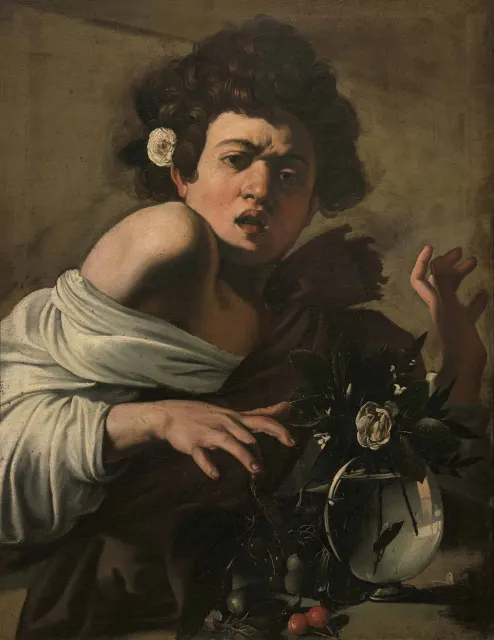
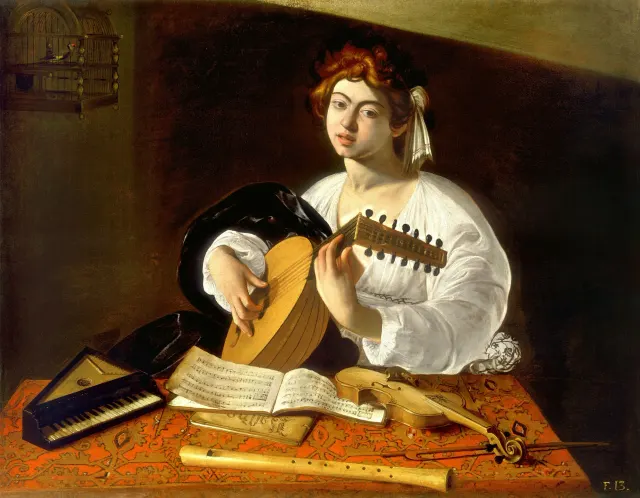
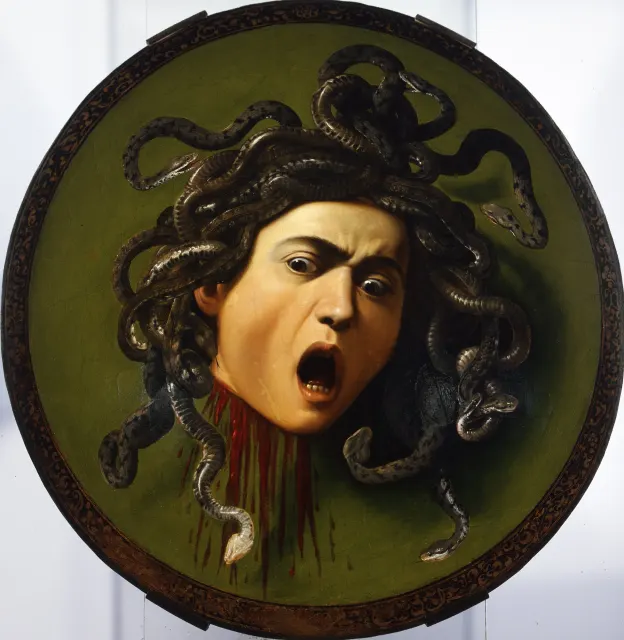
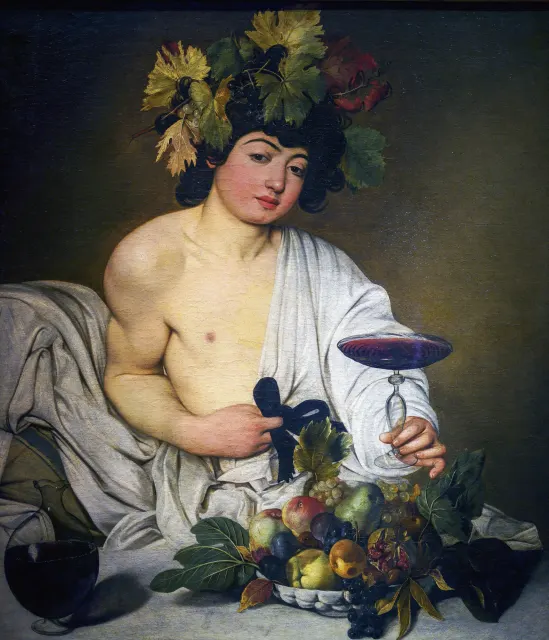
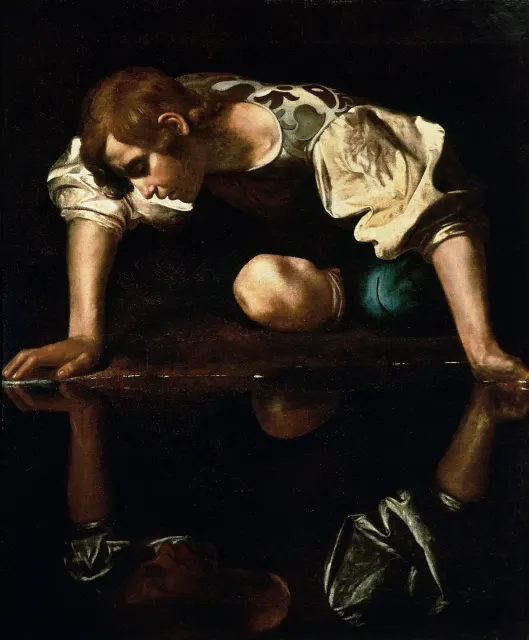
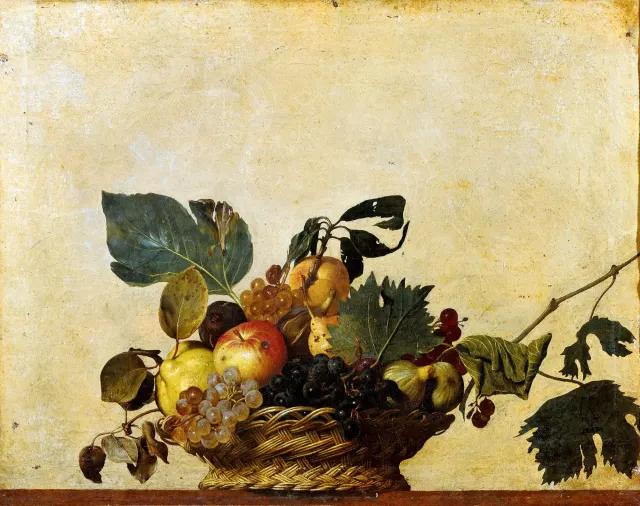
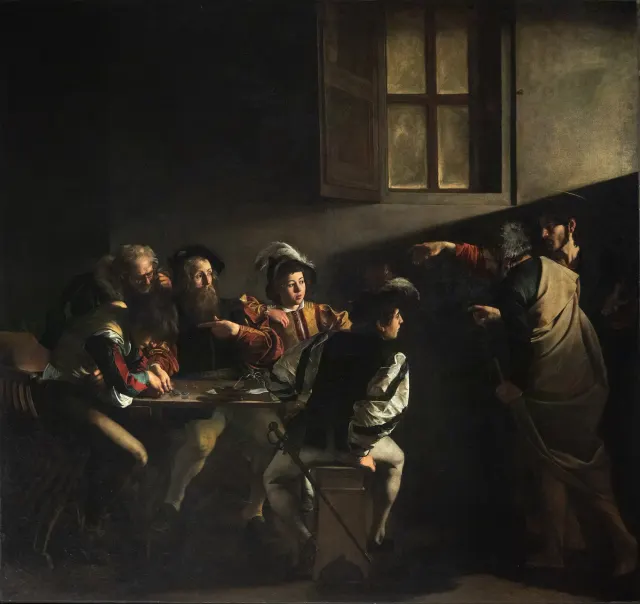
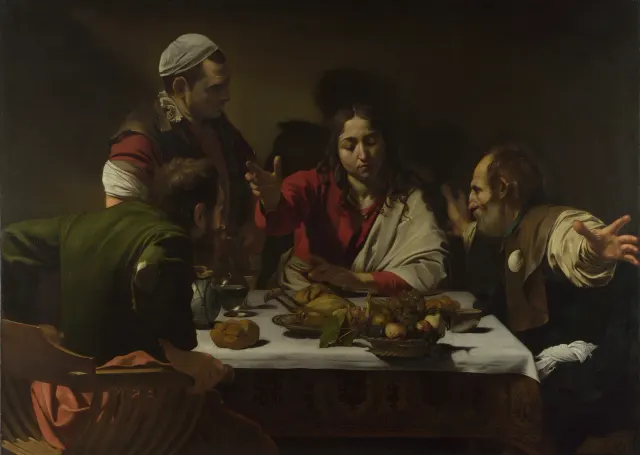
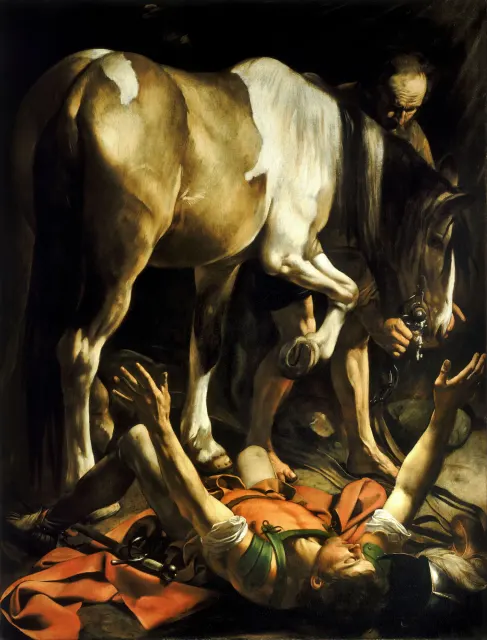
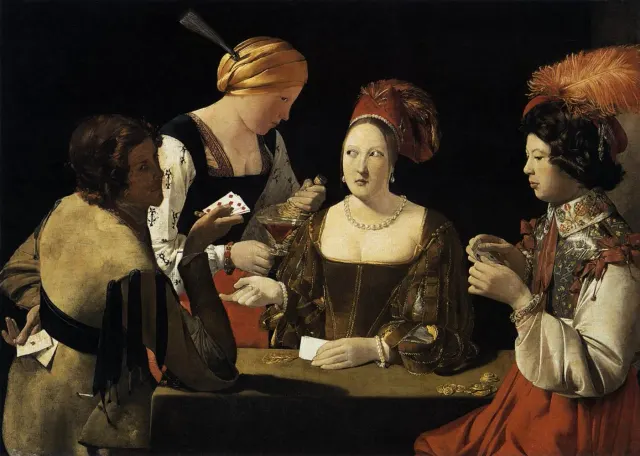
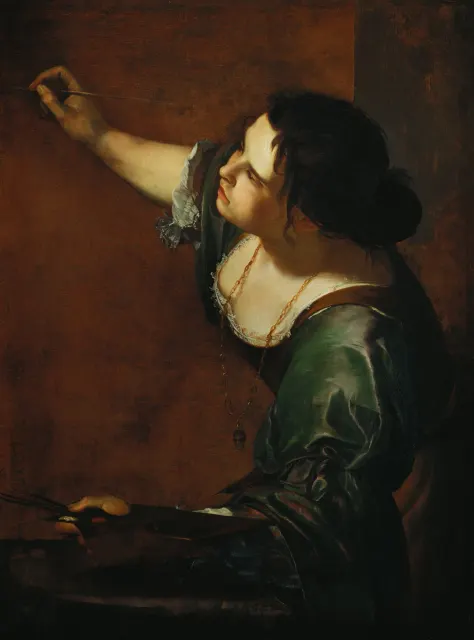
17世紀のヨーロッパ。宗教改革に対抗して立て直しをはかったカトリック教会は、教えをわかりやすく伝え、見る人の信仰心や感情を強くゆさぶる芸術を求めました。そこに登場したのがカラヴァッジョです。真っ暗な背景に舞台のスポットライトのような光を当て、聖人たちを街の普通の人のような姿で描きました。その強い明暗は、ヨーロッパじゅうでまねされました。
In 17th-century Europe, the Catholic Church, responding to the Reformation, wanted art that told its teachings clearly and stirred people's faith and feelings. Then came Caravaggio. He lit his scenes like a stage spotlight against pitch-black backgrounds and painted saints as ordinary people from the street. His strong light and shadow were copied all over Europe.
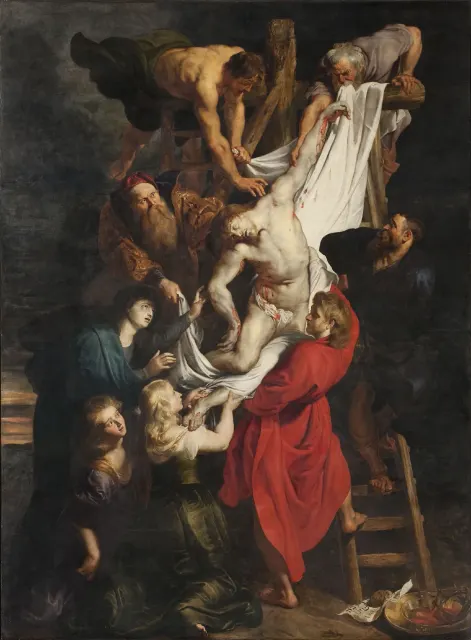
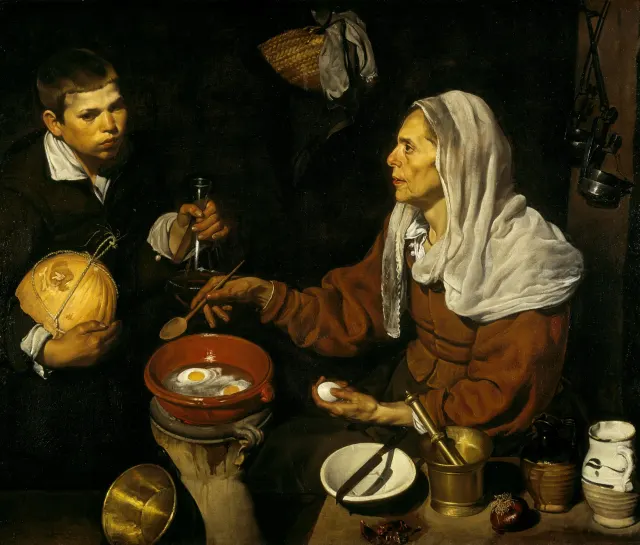
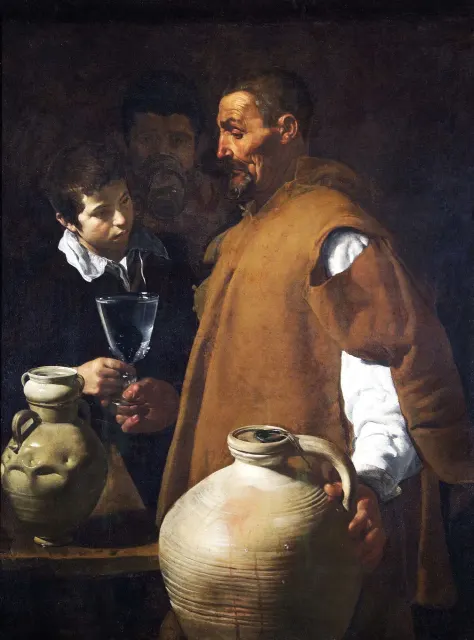
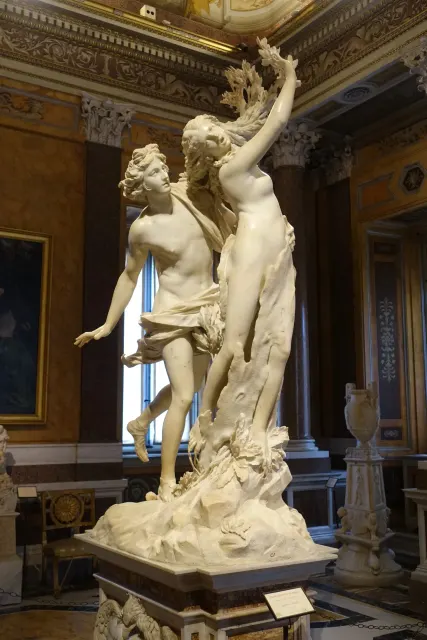
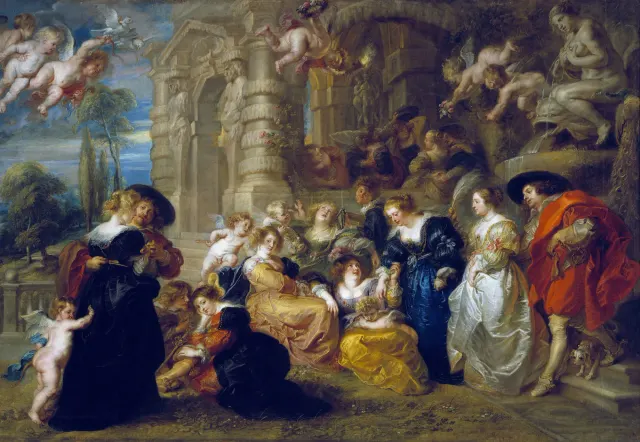
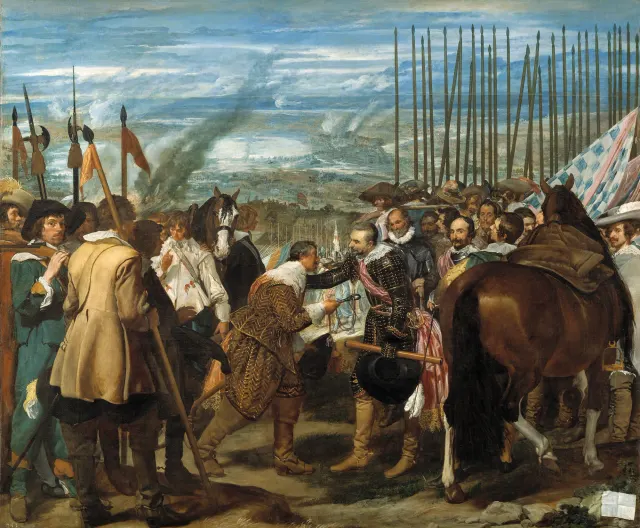
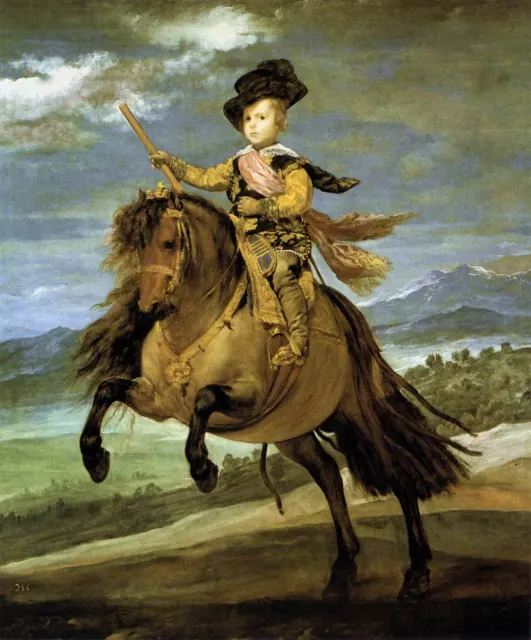
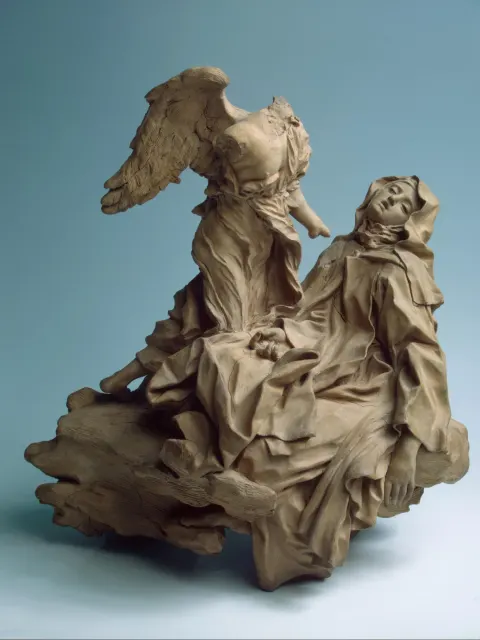
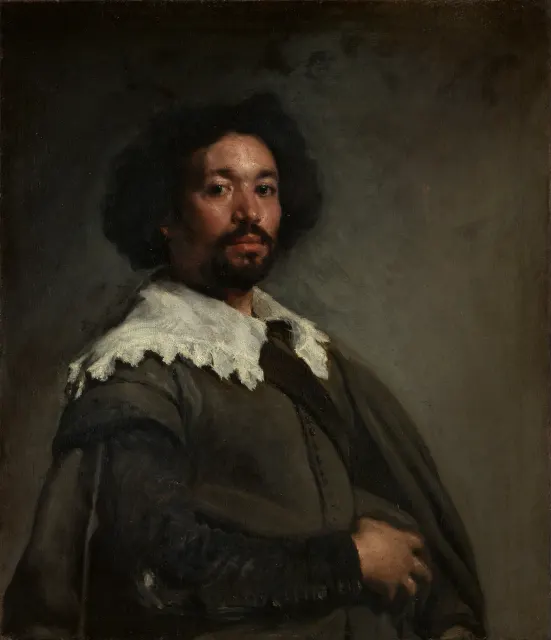
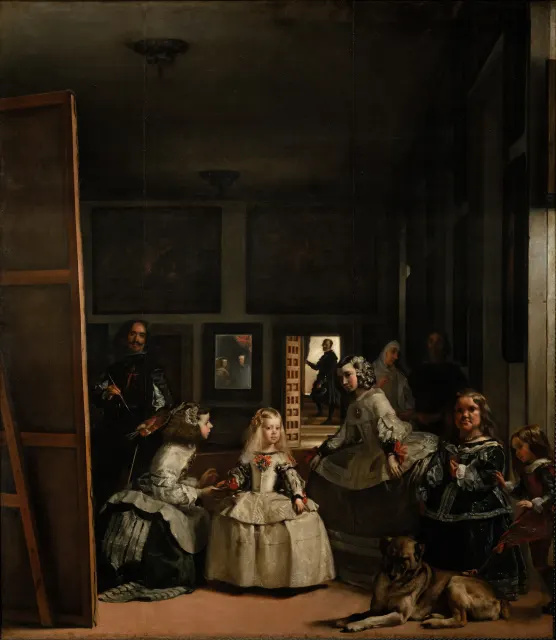
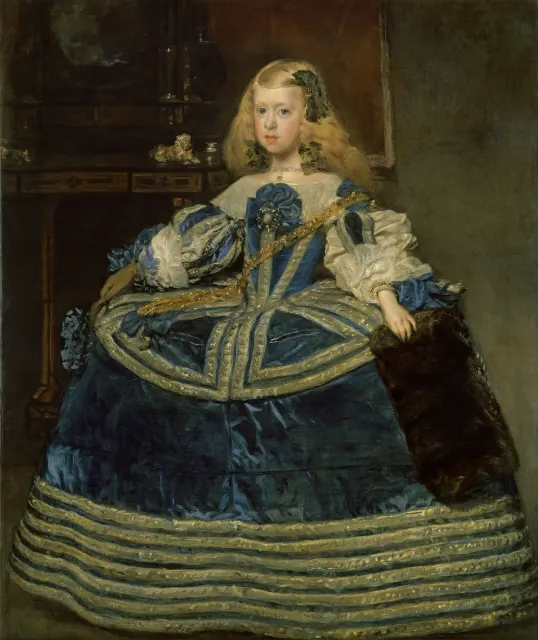
バロックの芸術は、動き・ドラマ・豪華さが特徴です。フランドルのルーベンスは、うねるような筋肉と豊かな色で巨大な祭壇画を描き、ローマのベルニーニは、大理石が本物の肌や葉っぱに見えるほどの彫刻を作りました。スペインではベラスケスが王の家族を描き、『ラス・メニーナス』で「見る・見られる」のなぞをしかけました。
Baroque art is full of movement, drama and splendor. In Flanders, Rubens painted huge altarpieces with rippling muscles and rich colors. In Rome, Bernini carved marble that looks like real skin and leaves. In Spain, Velázquez painted the royal family and created a puzzle about who is looking at whom in Las Meninas.
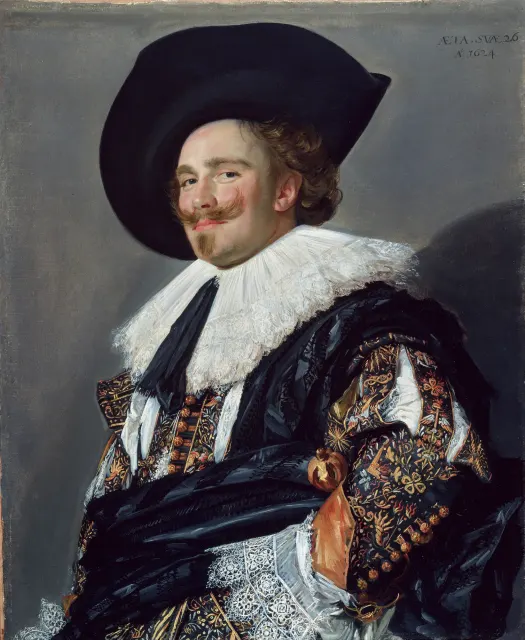
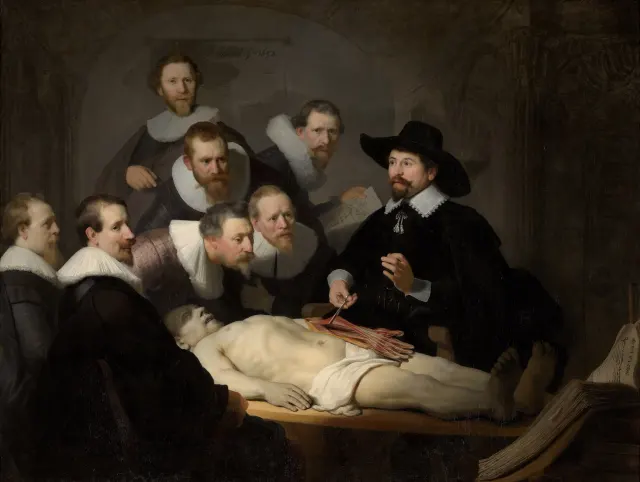
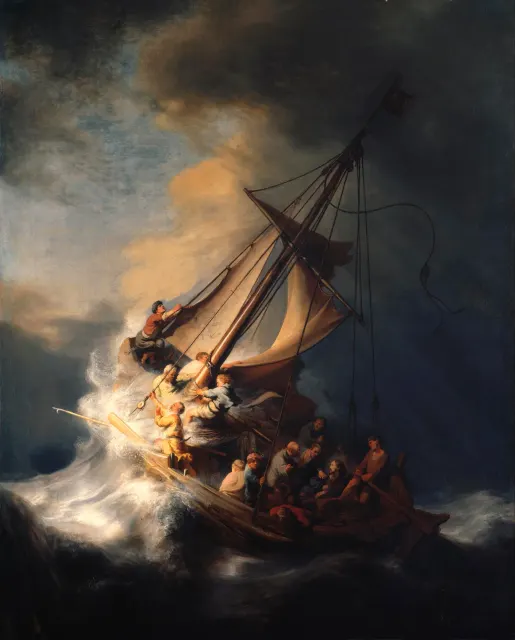
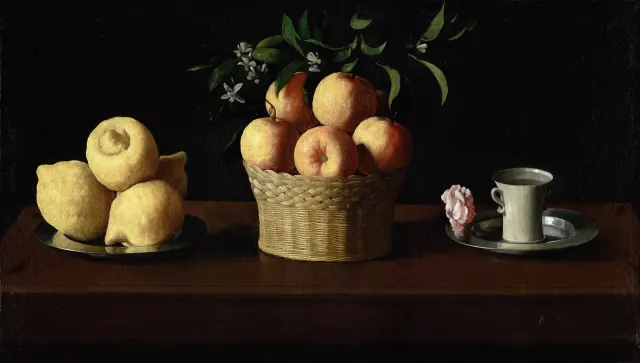
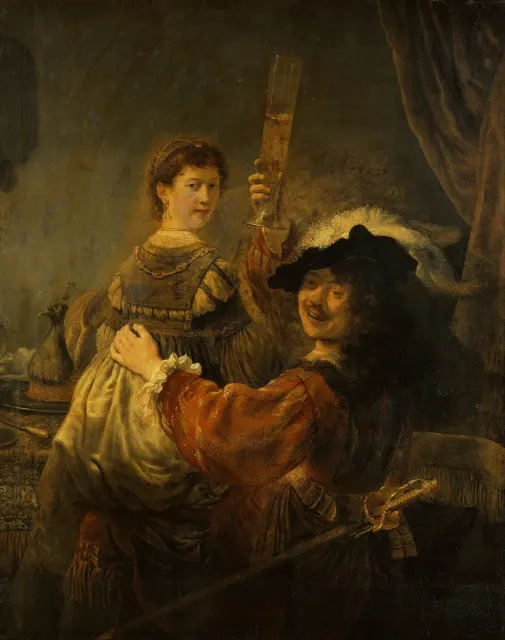
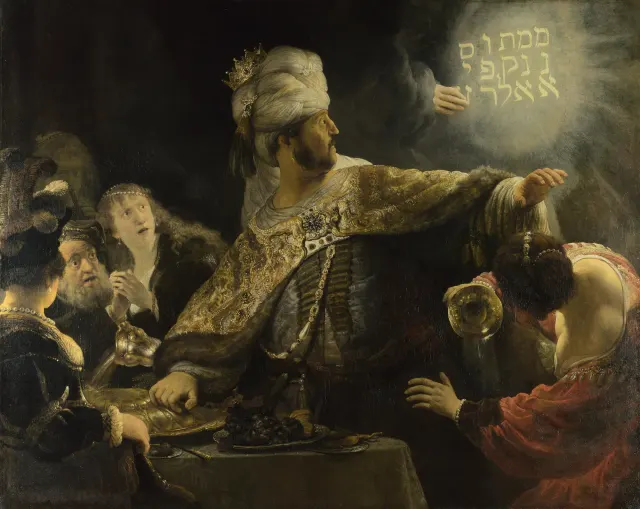
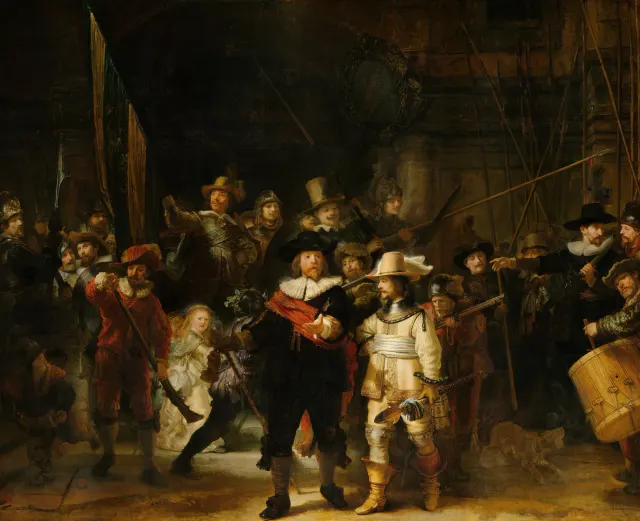
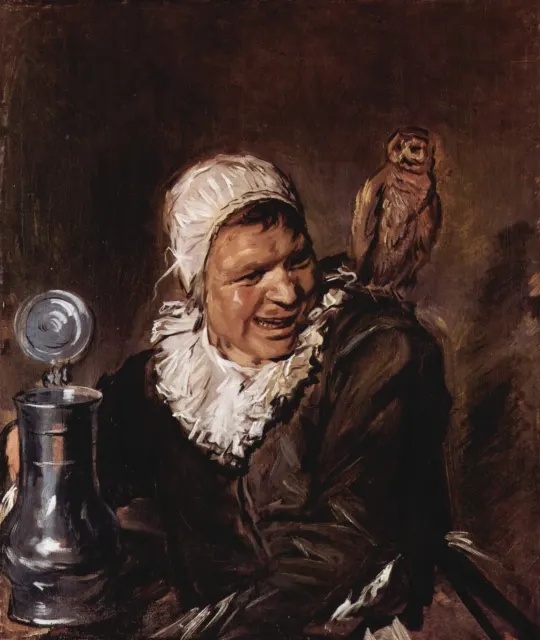
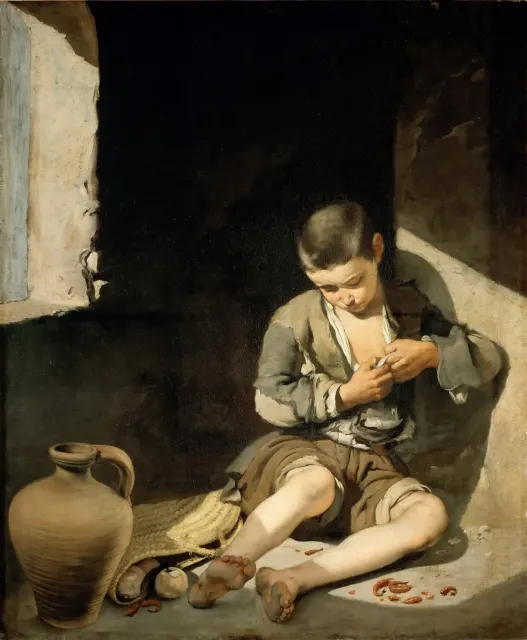
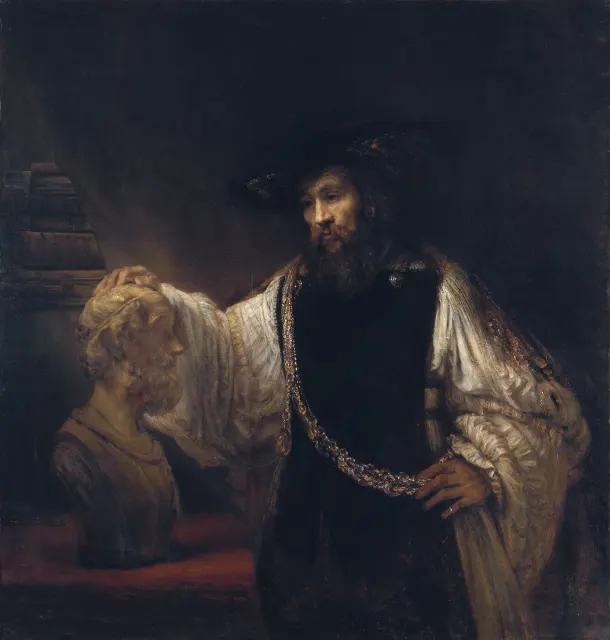
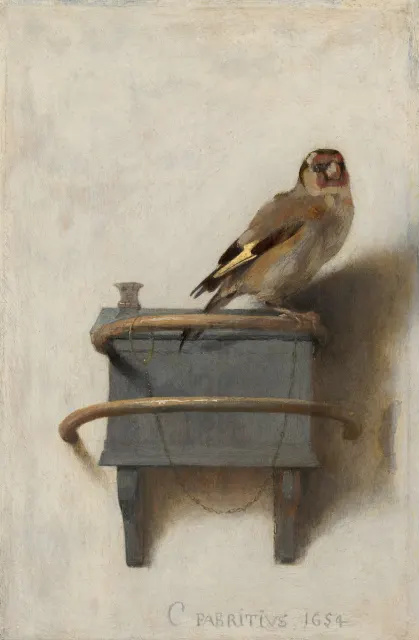
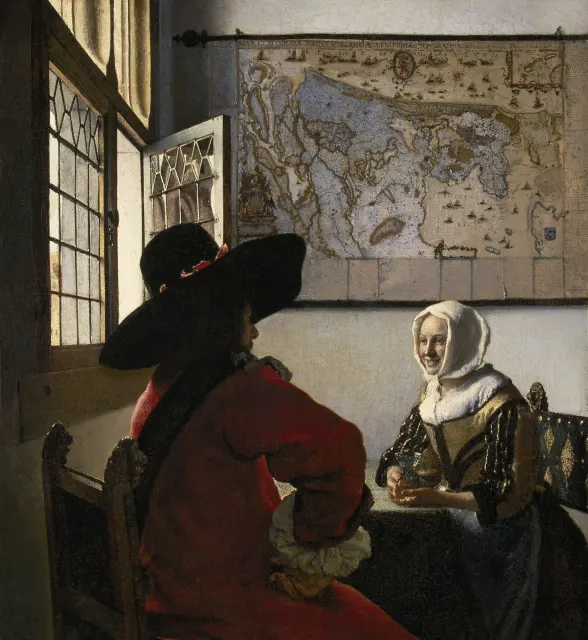
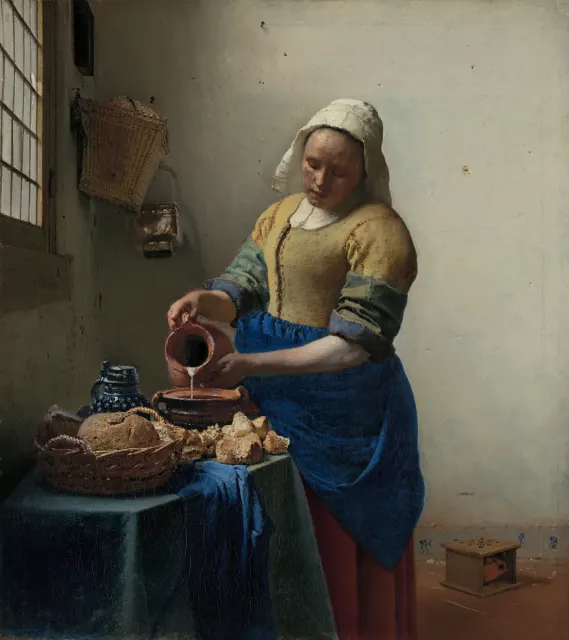
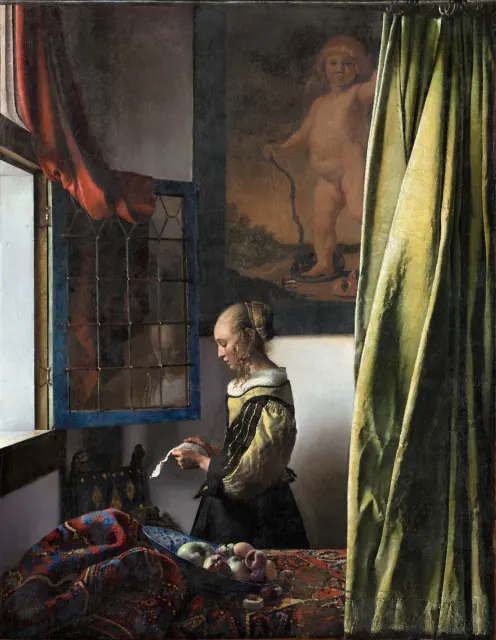
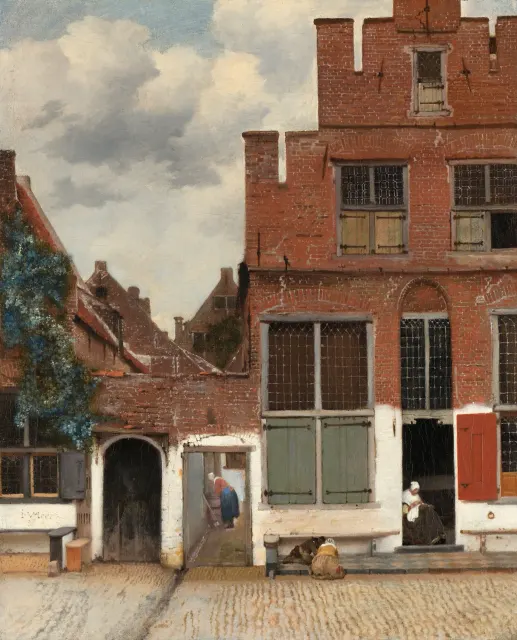
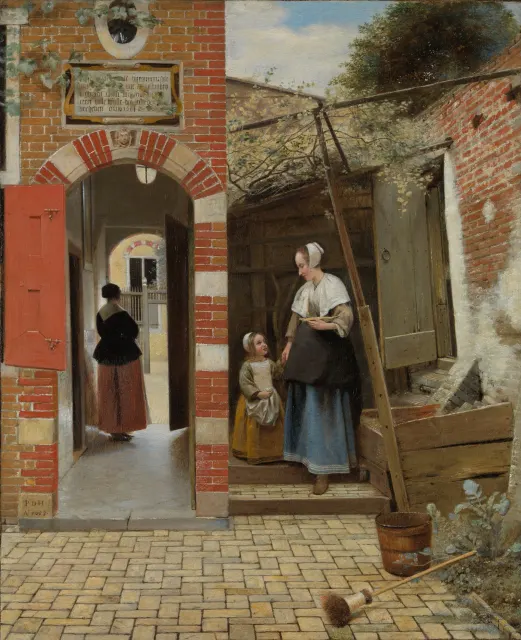
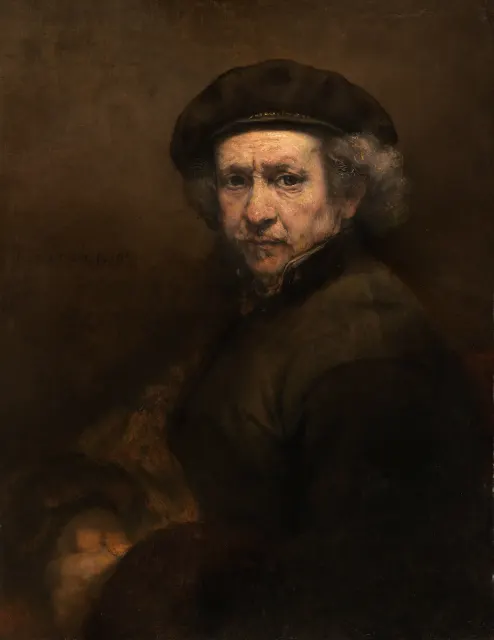
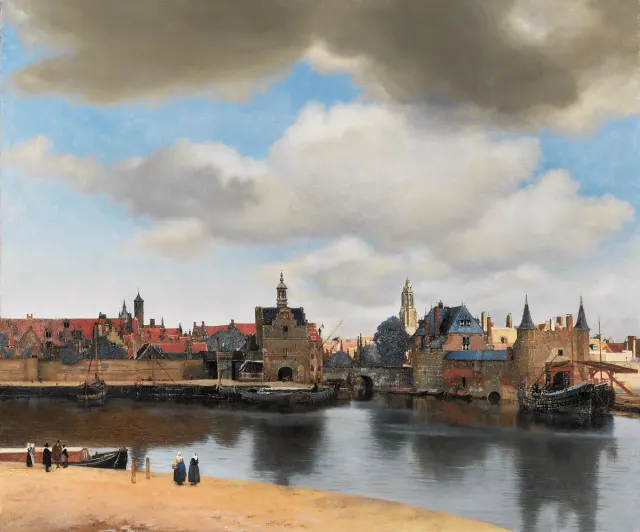
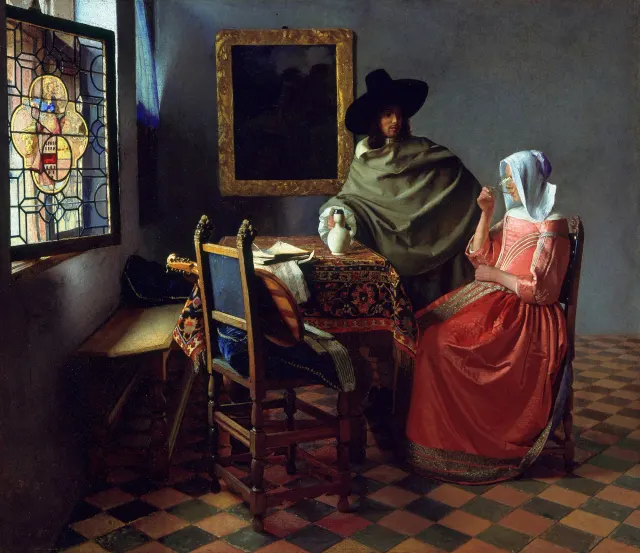
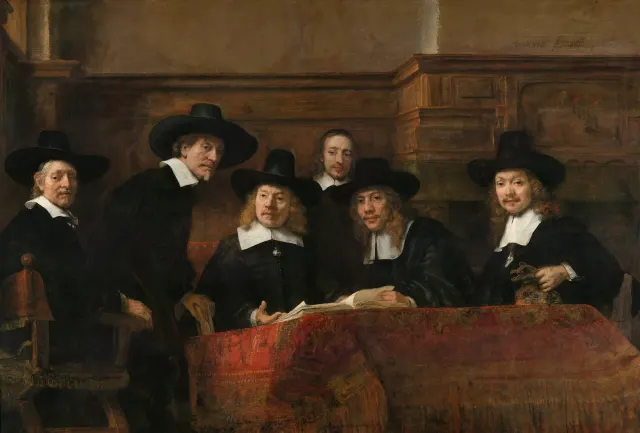
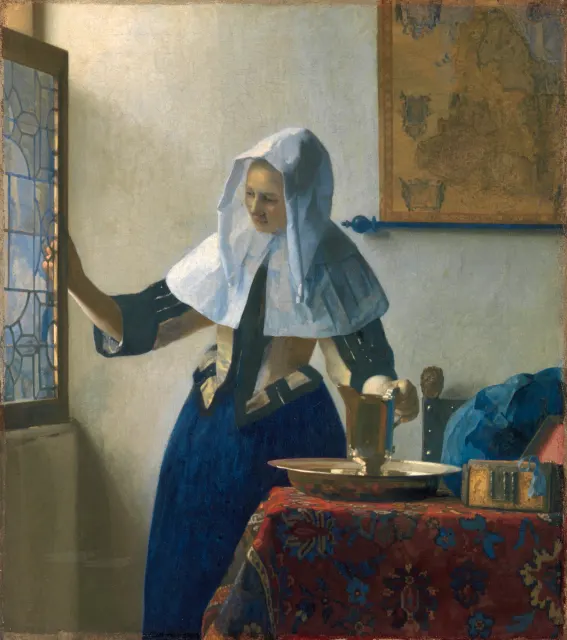
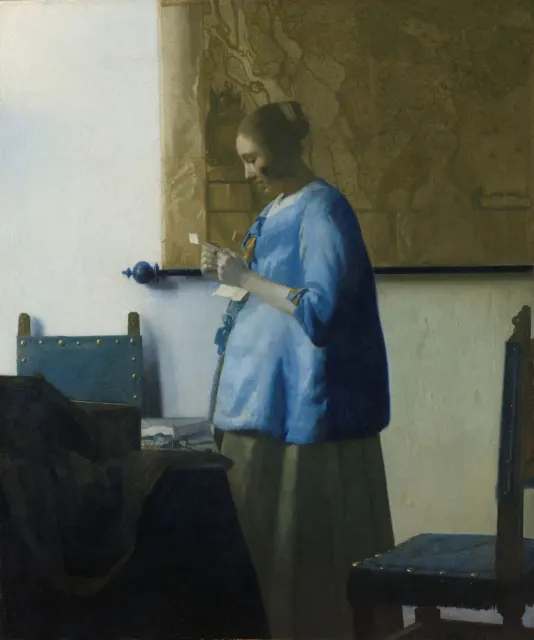
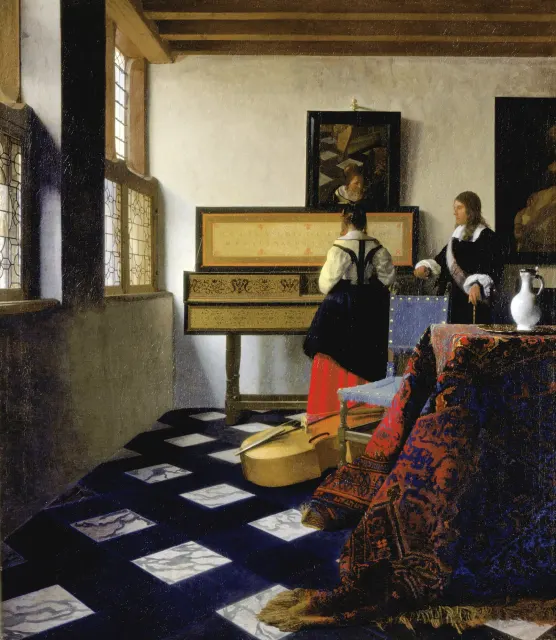
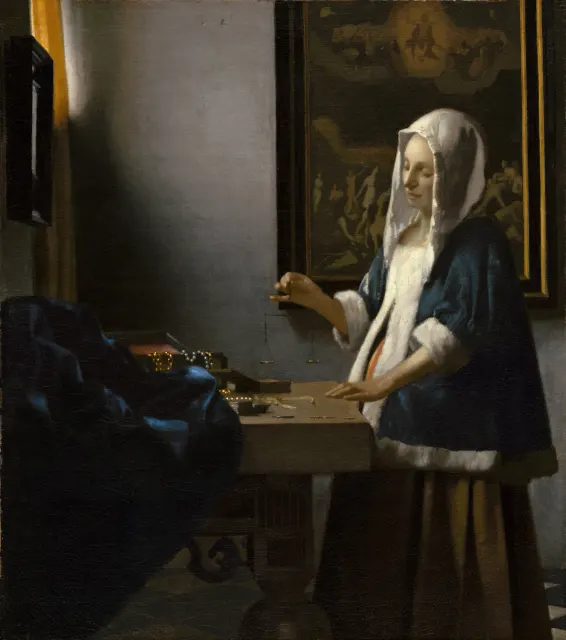
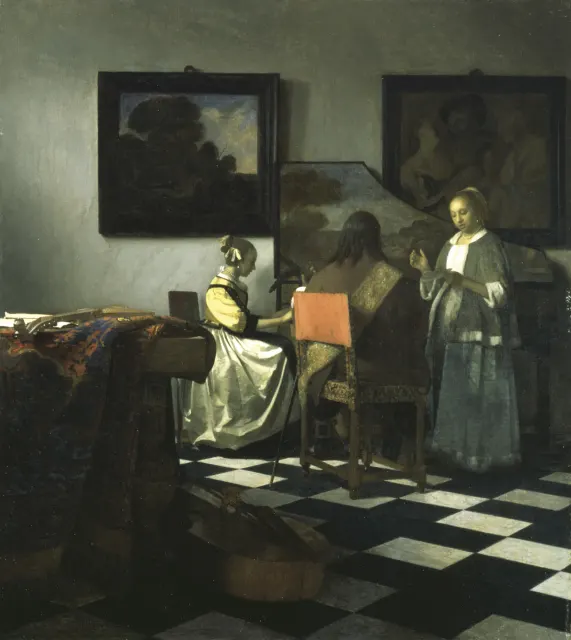
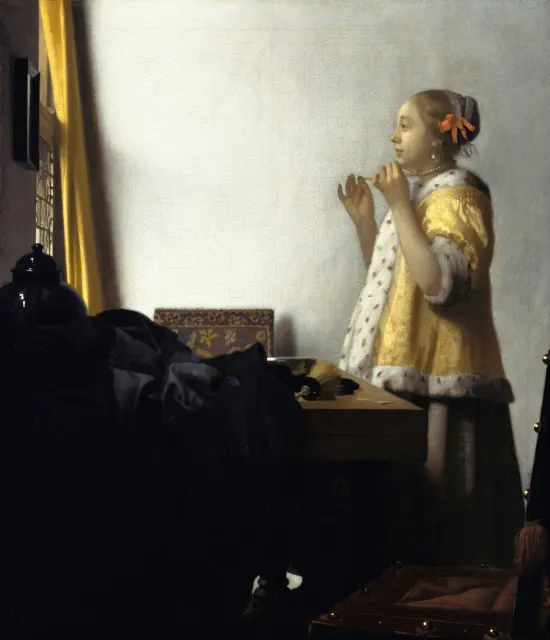
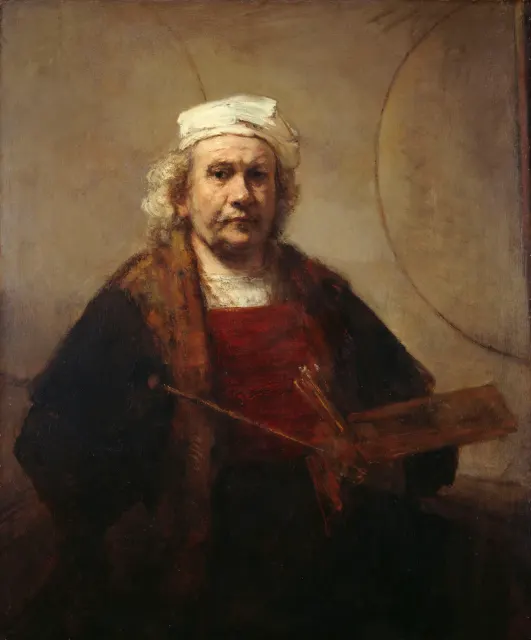
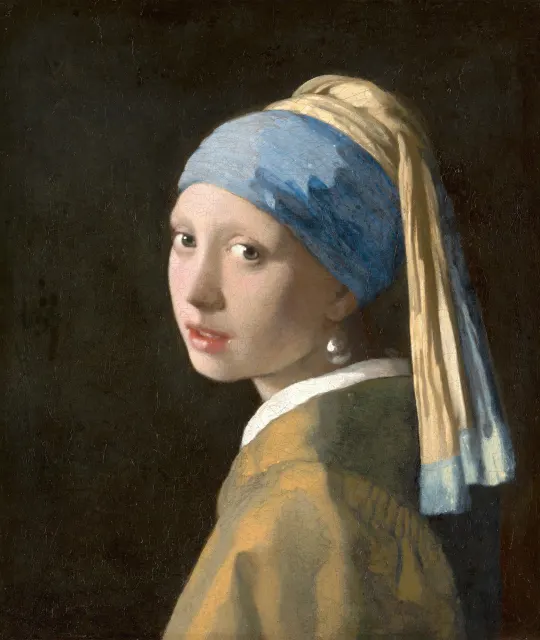
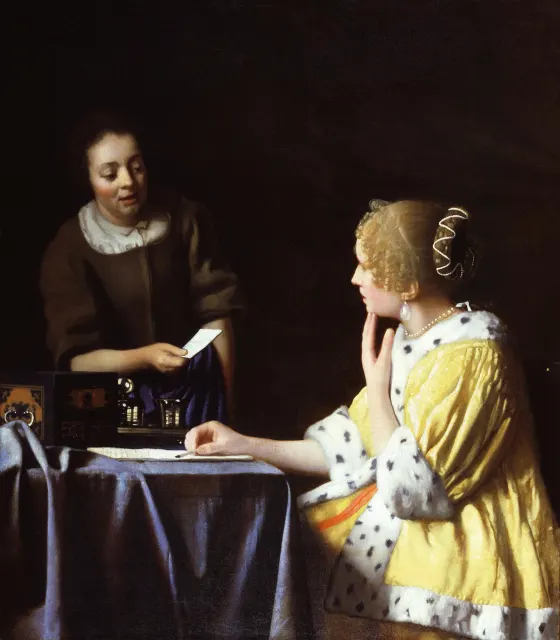
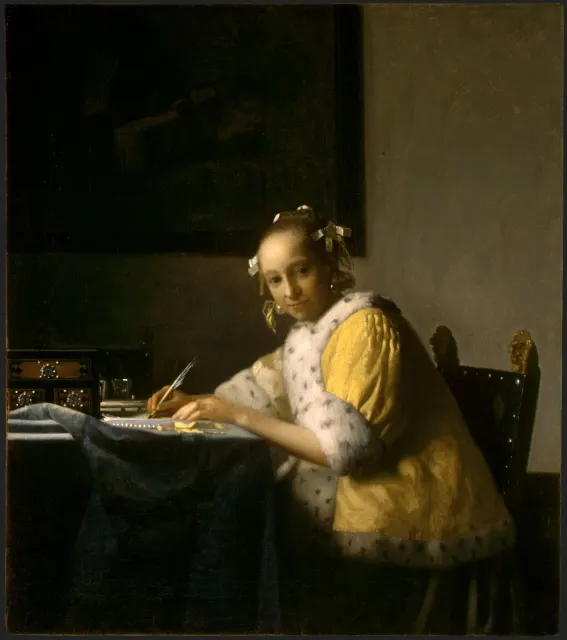
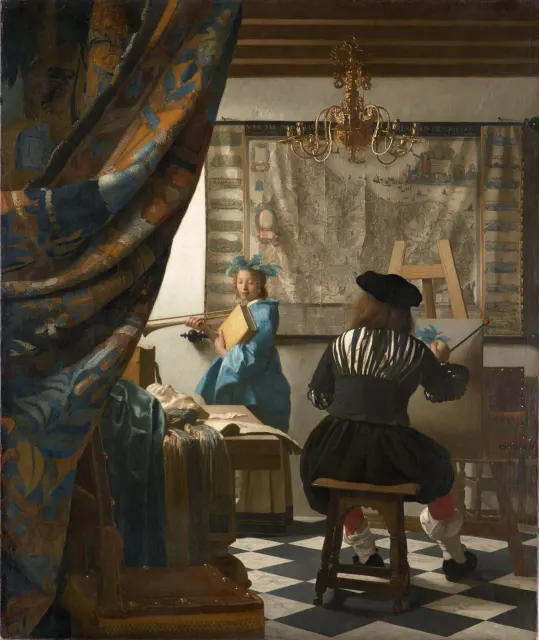
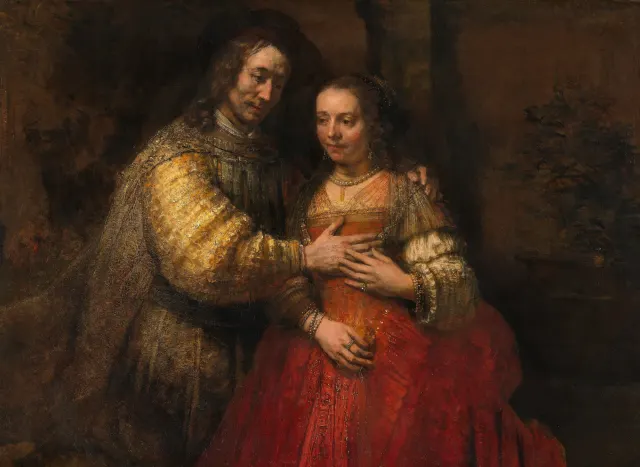
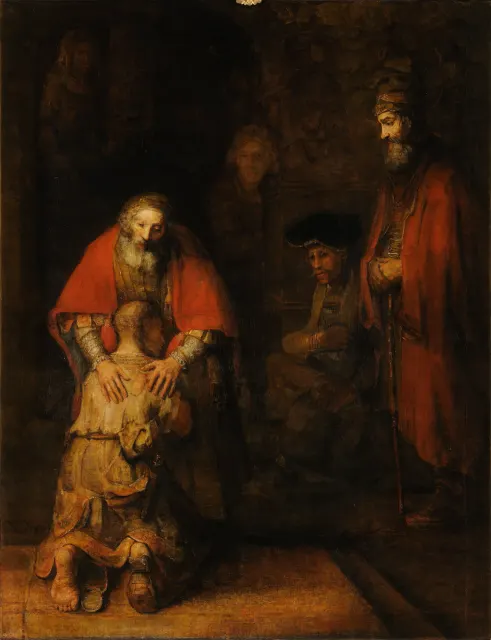
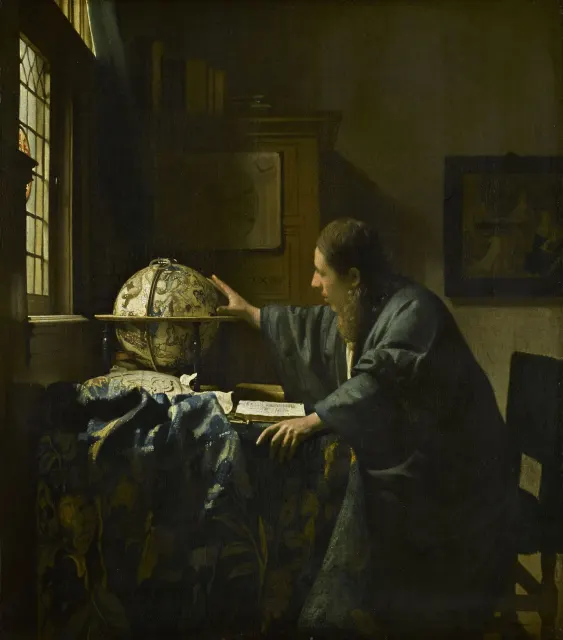
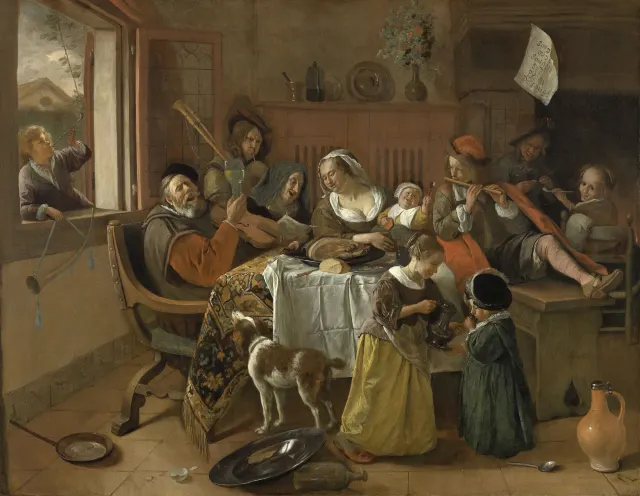
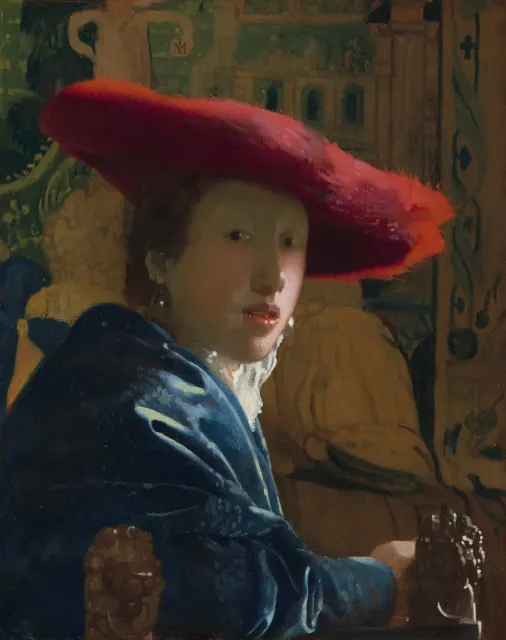
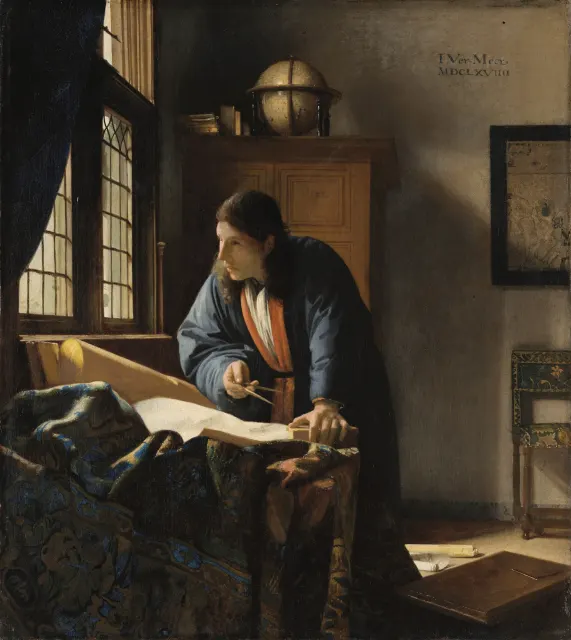
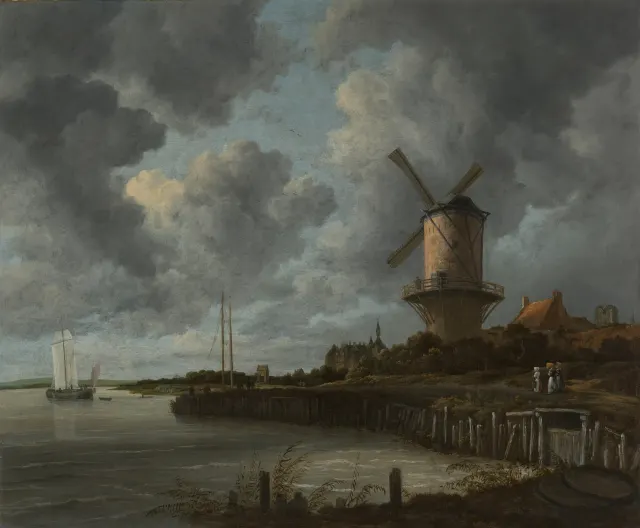
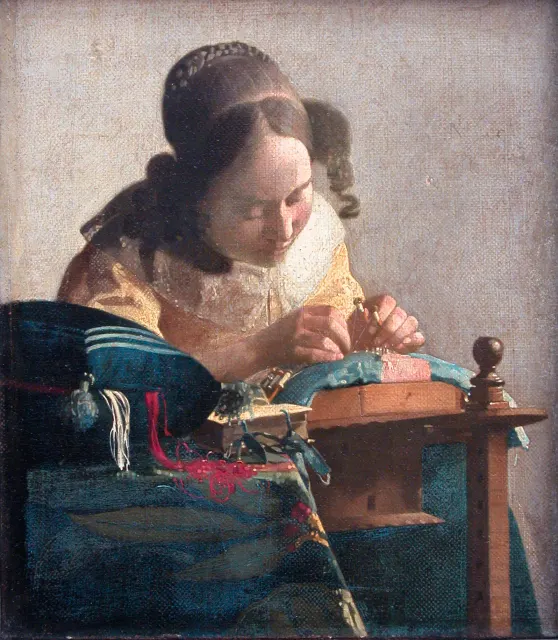
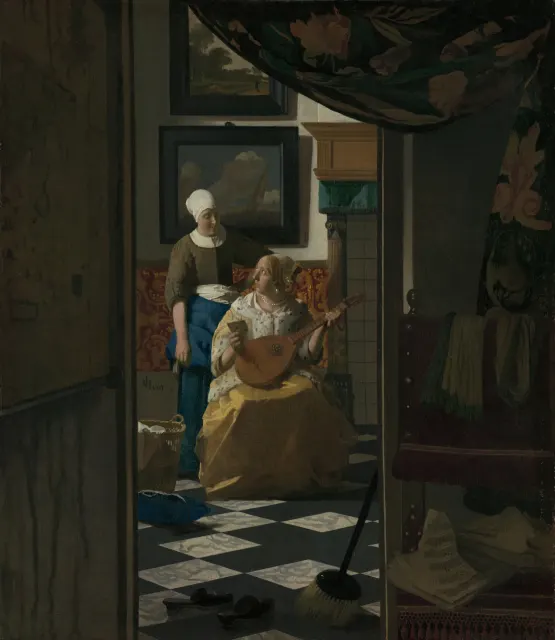
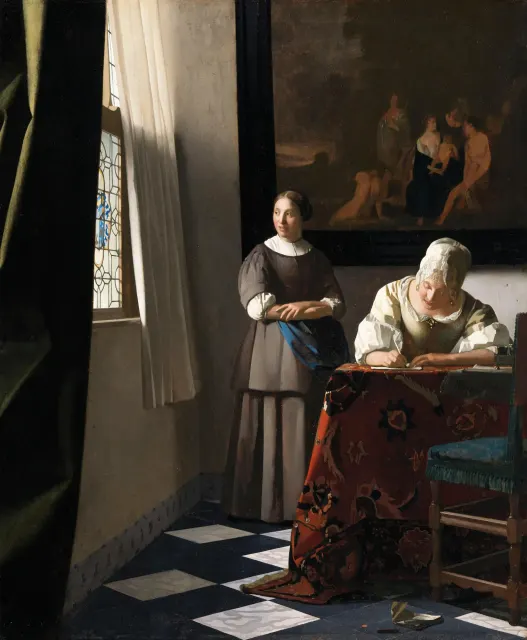
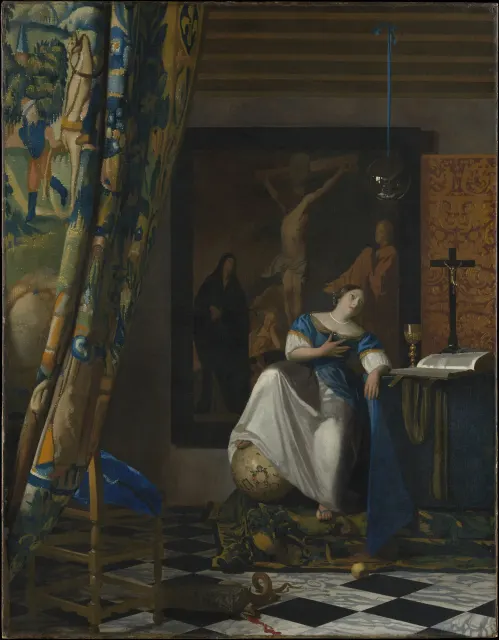
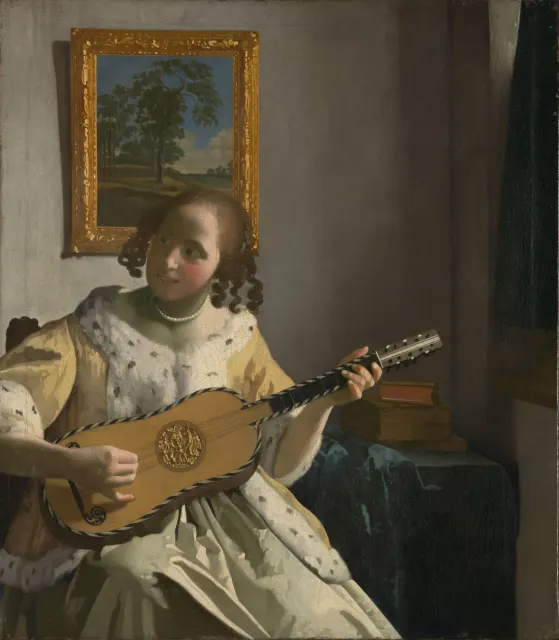
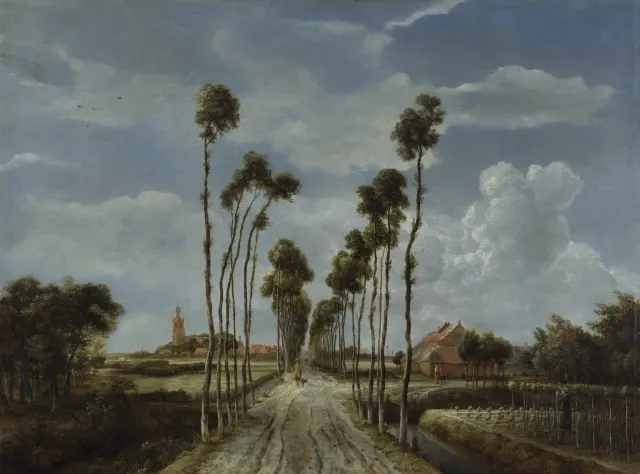
一方、プロテスタントの国オランダでは、教会ではなく、商売で豊かになった市民が絵を買いました。そのため、肖像画、風景、静物、家の中の日常など、身近な絵がたくさん描かれました。これが「オランダ黄金時代」です。レンブラントは光と影で人の心の奥を描き、フェルメールは窓からさしこむ静かな光の中の一瞬をとらえました。
Meanwhile, in the Protestant Netherlands, paintings were bought not by the church but by citizens who had grown rich through trade. So artists painted familiar subjects: portraits, landscapes, still lifes and scenes of home life. This was the Dutch Golden Age. Rembrandt used light and shadow to show people's inner lives, and Vermeer captured quiet moments in the light from a window.
