

 PDF をダウンロード
Baroque and the Dutch Golden Age
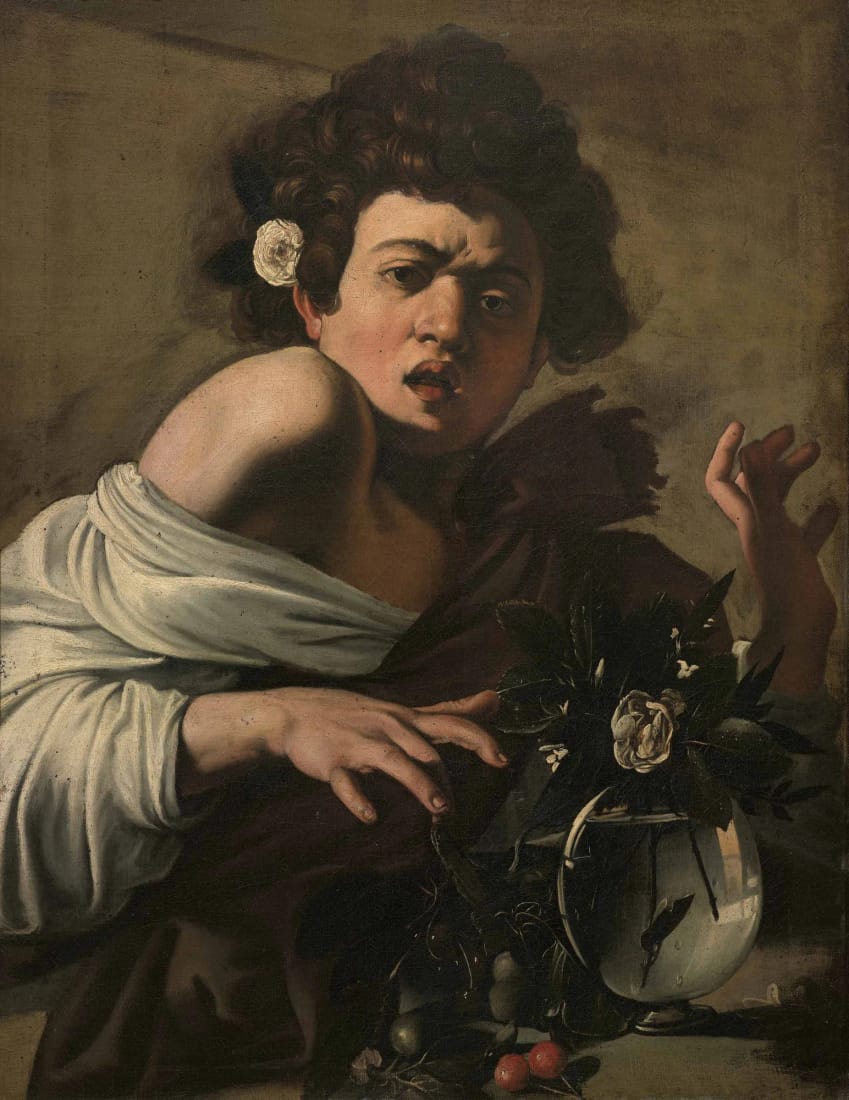
Caravaggio, c. 1596–1597
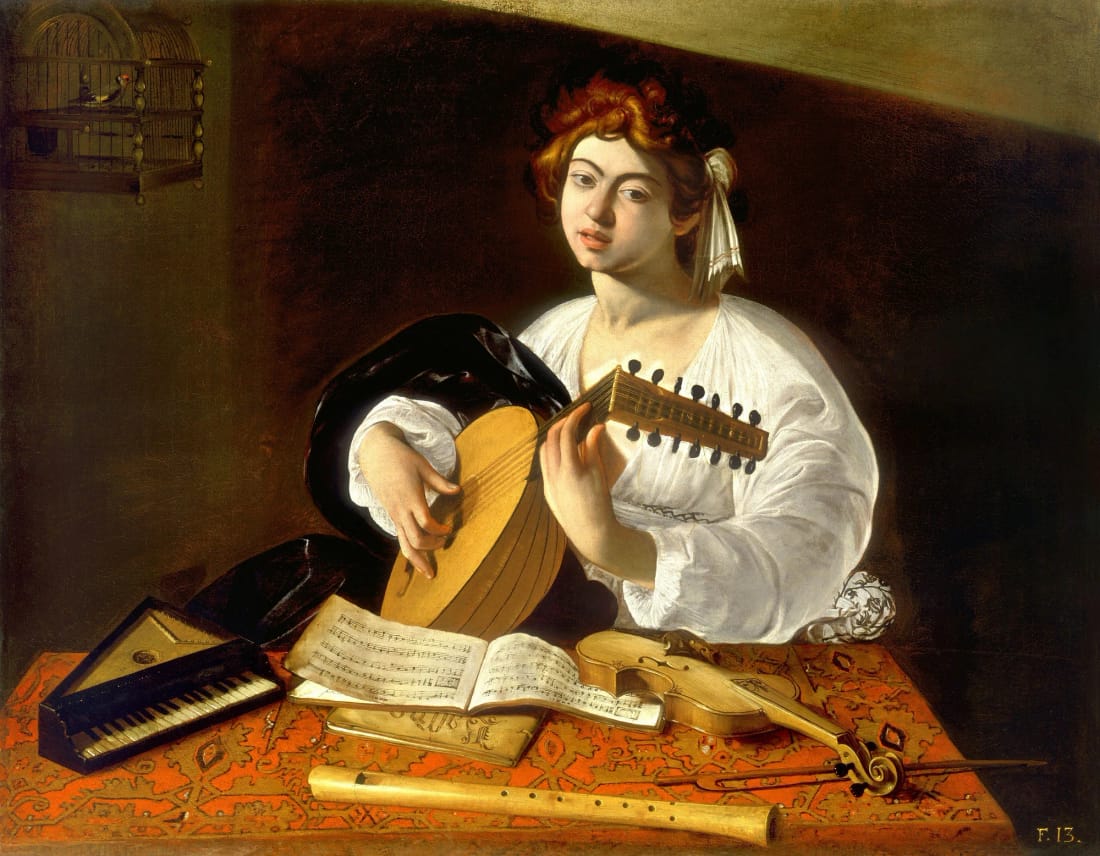
Caravaggio (attribution of this version disputed), c. 1596–1597
1 How to spot it 2つの絵で見つけたら ✓ をつけよう。
| A | B | |
|---|---|---|
| The background is very dark, and a strong light falls on the figures. | ☐ | ☐ |
| It shows the most dramatic moment, with strong diagonal movement. | ☐ | ☐ |
| Window light, a checkered floor, maps or instruments point to a Dutch genre scene. | ☐ | ☐ |
| Cloth, metal, glass and fruit look so real you could touch them. | ☐ | ☐ |
| Flying angels and billowing curtains fill a grand, busy scene. | ☐ | ☐ |
2 Read 英文を読もう。
In 17th-century Europe, the Catholic Church, responding to the Reformation, wanted art that told its teachings clearly and stirred people's faith and feelings. Then came Caravaggio. He lit his scenes like a stage spotlight against pitch-black backgrounds and painted saints as ordinary people from the street. His strong light and shadow were copied all over Europe.
Write one thing you learned:
Baroque and the Dutch Golden Age
3 Art words — Match them. 英語と日本語を線で結ぼう。
- chiaroscuro ●
- tenebrism ●
- still life ●
- genre painting ●
- ● テネブリズム
- ● キアロスクーロ(明暗法)
- ● 風俗画
- ● 静物画
4 Quiz
Why did people think The Night Watch was a night scene?
- Because there is a moon in it
- Because it was painted at night
- Because Rembrandt named it that
- Because the varnish darkened
5 Quiz
Who mainly bought paintings in the Dutch Golden Age?
- The church
- The king
- Wealthy citizens
- The army
6 Which do you like better, A or B? Why? AとB、どちらが好き?理由も英語で。
I like ____ better because ________________________________.
Answers & Notes
1 How to spot it(訳)
- The background is very dark, and a strong light falls on the figures.
背景が真っ暗で、人物だけに強い光が当たっている。 - It shows the most dramatic moment, with strong diagonal movement.
物語がいちばん盛り上がる瞬間をとらえ、ななめの動きが画面を走る。 - Window light, a checkered floor, maps or instruments point to a Dutch genre scene.
窓からの光、白黒のタイルの床、地図や楽器がある部屋ならオランダの風俗画。 - Cloth, metal, glass and fruit look so real you could touch them.
服のしわ、金属、ガラス、果物の表面が、さわれそうなほどリアル。 - Flying angels and billowing curtains fill a grand, busy scene.
天使が飛び、カーテンがうねる、豪華でにぎやかな画面。
A:トカゲに噛まれる少年 B:リュートを弾く若者
2 Read(訳)
17世紀のヨーロッパ。宗教改革に対抗して立て直しをはかったカトリック教会は、教えをわかりやすく伝え、見る人の信仰心や感情を強くゆさぶる芸術を求めました。そこに登場したのがカラヴァッジョです。真っ暗な背景に舞台のスポットライトのような光を当て、聖人たちを街の普通の人のような姿で描きました。その強い明暗は、ヨーロッパじゅうでまねされました。
3 Art words
1–b(chiaroscuro=キアロスクーロ(明暗法):イタリア語で「明るい・暗い」。光と影の差で立体感とドラマを出す方法。)
2–a(tenebrism=テネブリズム:画面の大部分を暗やみにし、一部だけを強く照らす表現。カラヴァッジョ風。)
3–d(still life=静物画:花や果物、食器など、動かない物を描いた絵。オランダで大人気だった。)
4–c(genre painting=風俗画:ふつうの人々の日常の場面を描いた絵。台所、酒場、家族のだんらんなど。)
4 Quiz
D 問:『夜警』が夜の絵だと思われた理由は?
選択肢:A 月が描かれているから/B 夜に描かれたから/C レンブラントがそう名づけたから/D 表面のニスが黒ずんだから
解説:古いニスが黒ずんで画面が暗くなったためです。題名ものちの時代につけられました。
5 Quiz
C 問:オランダ黄金時代に、おもに絵を買ったのはだれ?
選択肢:A 教会/B 国王/C 豊かな市民/D 軍隊
解説:貿易で豊かになった市民が、家にかざる絵をたくさん買いました。
Fun Fact(訳)
『夜警』は夜の絵じゃなかった! レンブラントの『夜警』は、表面のニスが時間とともに黒ずんだため夜の場面だと思われ、のちにこの名でよばれるようになりました。本当は昼間、市民の自警団が出動する場面です。1715年には、建物に入れるために四方を切りつめられてしまいました。
