


本文へ
はじめに
← 展示室の一覧
Ukiyo-e · Late 17th–19th century

浮世絵

江戸っ子が気軽に買った、カラフルな版画のポップアート。Colorful prints that Edo people bought for fun. The pop art of its day.

ホー!浮世絵は江戸のポスターや雑誌。いちばんの流行が見えるよ。

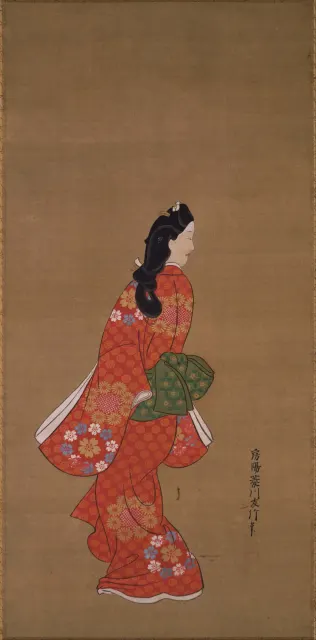
見返り美人図
見返り美人図Beauty Looking Back菱川師宣・late 17th century
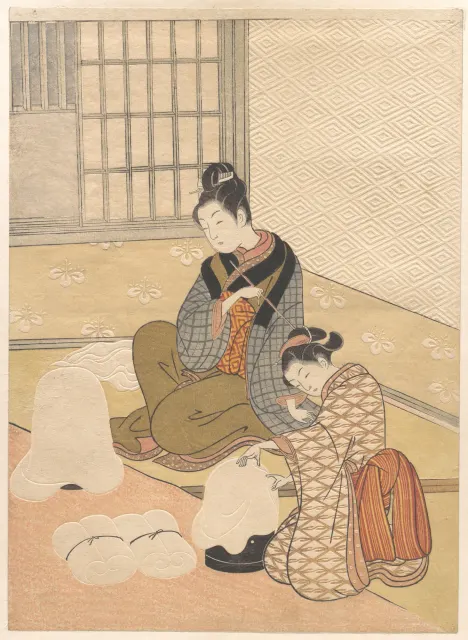
坐鋪八景 塗桶の暮雪
坐鋪八景 塗桶の暮雪Evening Snow on the Floss Shaper, from Eight Parlor Views鈴木春信・Design c. 1766 (this impression: late 18th century)
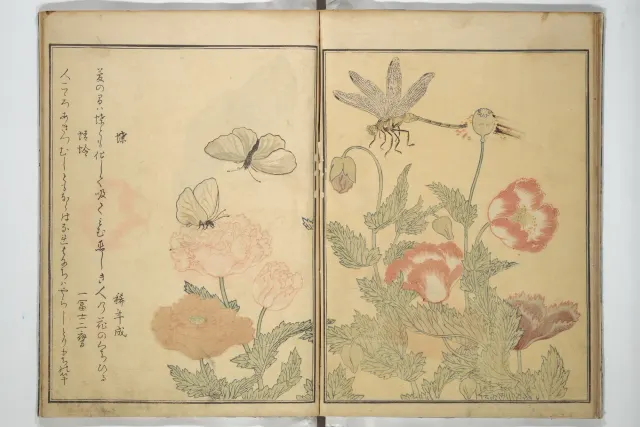
画本虫撰(蝶と蜻蛉)
画本虫撰(蝶と蜻蛉)Picture Book of Selected Insects (Ehon mushi erami): Butterflies and Dragonfly喜多川歌麿・1788
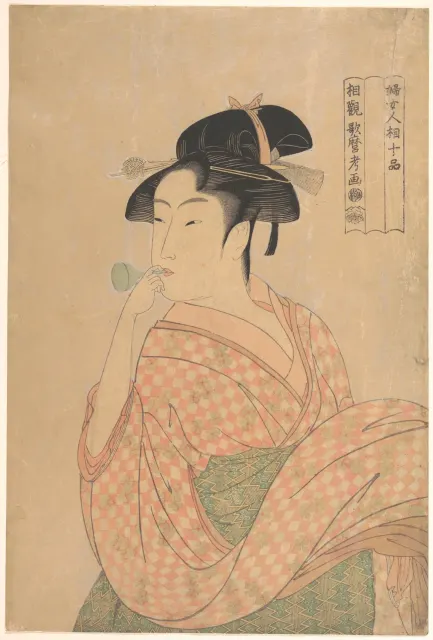
婦女人相十品 ポッピンを吹く娘
婦女人相十品 ポッピンを吹く娘Young Woman Blowing a Popen, from Ten Classes of Women's Physiognomy喜多川歌麿・c. 1792–93
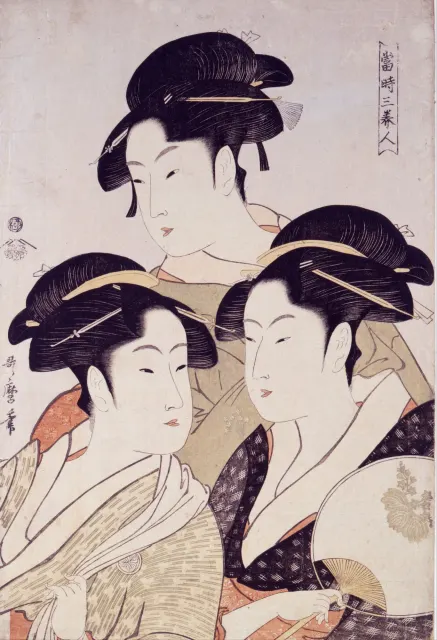
当時三美人(寛政三美人)
当時三美人(寛政三美人)Three Beauties of the Present Day喜多川歌麿・c. 1793
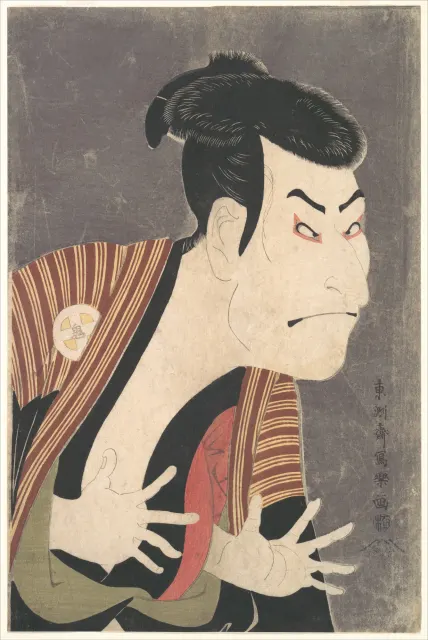
三代目大谷鬼次の江戸兵衛
三代目大谷鬼次の江戸兵衛Kabuki Actor Ōtani Oniji III as Yakko Edobei東洲斎写楽・1794
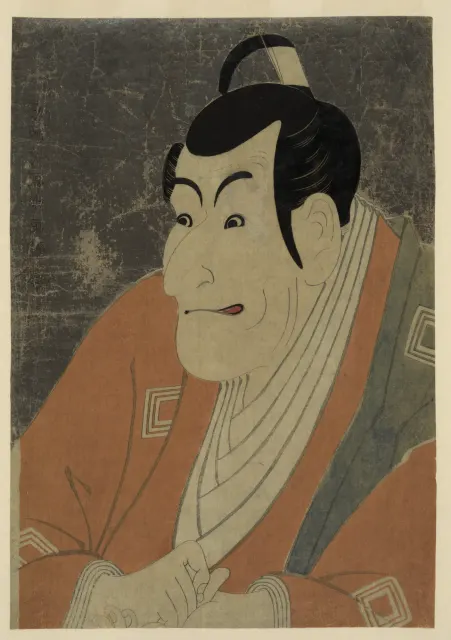
市川鰕蔵の竹村定之進
市川鰕蔵の竹村定之進Ichikawa Ebizō as Takemura Sadanoshin東洲斎写楽・1794
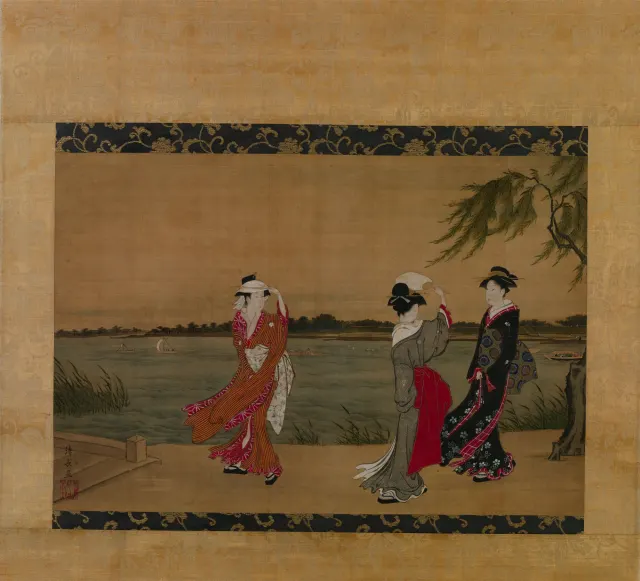
川辺の三人の女性
川辺の三人の女性Three Women on a Riverbank鳥居清長・early 19th century
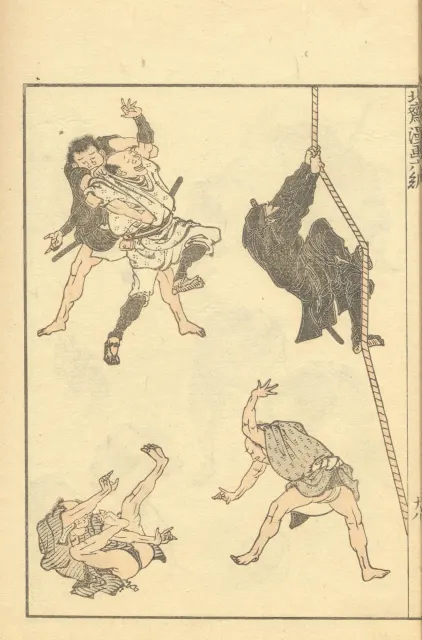
北斎漫画 六編(武術の図)
北斎漫画 六編(武術の図)Hokusai Manga, Volume 6 (Martial Arts)葛飾北斎・1817 (vol. 6)
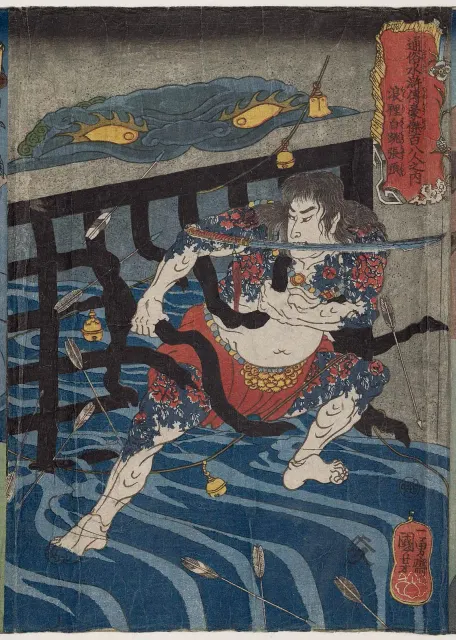
通俗水滸伝豪傑百八人之一個 浪裡白跳張順
通俗水滸伝豪傑百八人之一個 浪裡白跳張順Zhang Shun, the White Streak in the Waves (One of the 108 Heroes of the Popular Water Margin)歌川国芳・design c. 1827–1830, this impression c. 1845–47
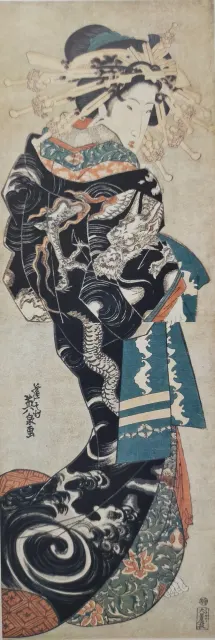
雲龍打掛の花魁
雲龍打掛の花魁Courtesan in a Cloud-and-Dragon Robe渓斎英泉・c. 1830
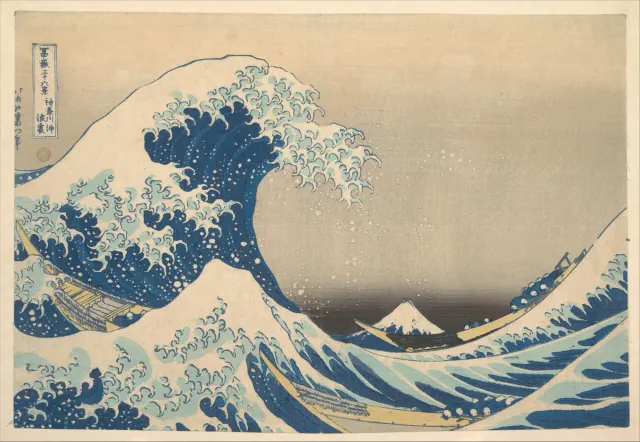
冨嶽三十六景 神奈川沖浪裏
冨嶽三十六景 神奈川沖浪裏Under the Wave off Kanagawa (The Great Wave), from Thirty-six Views of Mount Fuji葛飾北斎・c. 1830–32
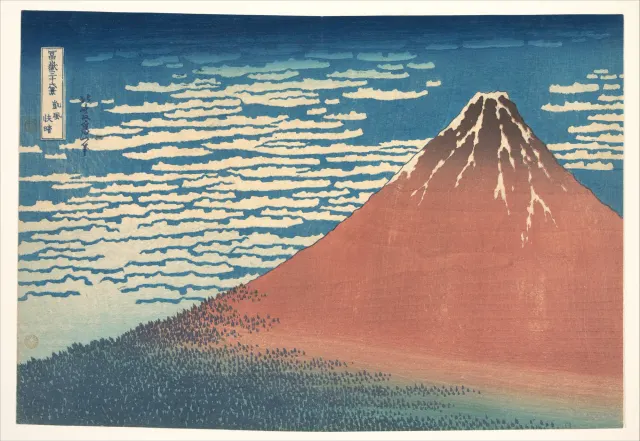
冨嶽三十六景 凱風快晴
冨嶽三十六景 凱風快晴South Wind, Clear Sky (Red Fuji), from Thirty-six Views of Mount Fuji葛飾北斎・c. 1830–32
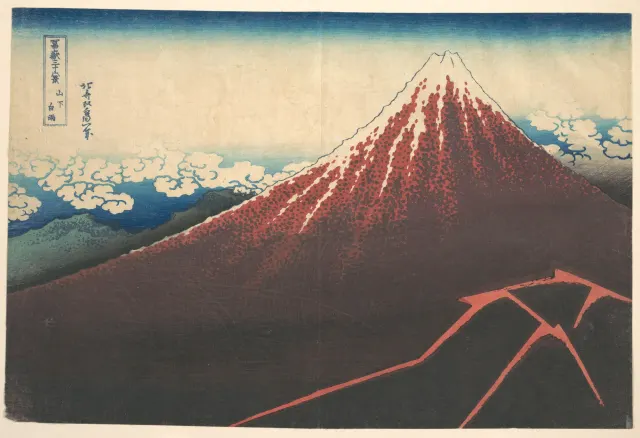
冨嶽三十六景 山下白雨
冨嶽三十六景 山下白雨Rainstorm Beneath the Summit, from Thirty-six Views of Mount Fuji葛飾北斎・c. 1830–32
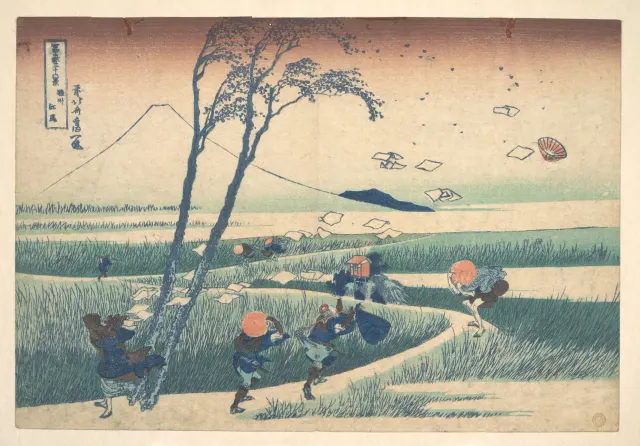
冨嶽三十六景 駿州江尻
冨嶽三十六景 駿州江尻Ejiri in Suruga Province, from Thirty-six Views of Mount Fuji葛飾北斎・c. 1830–32
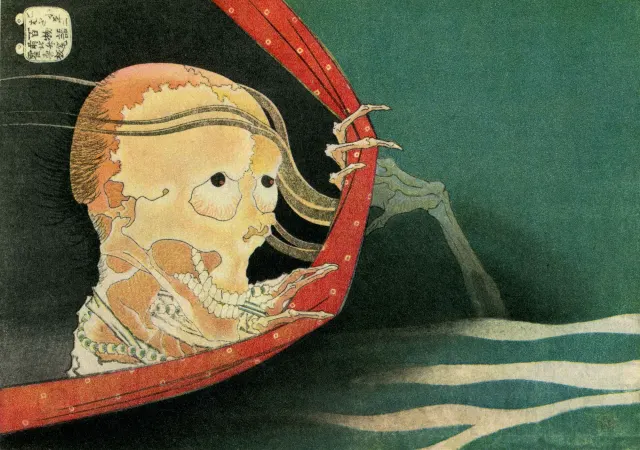
百物語 こはだ小平二
百物語 こはだ小平二The Ghost of Kohada Koheiji, from One Hundred Ghost Stories葛飾北斎・c. 1831–32
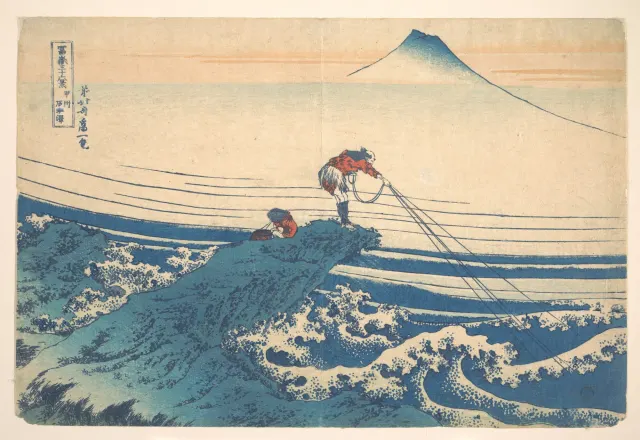
冨嶽三十六景 甲州石班沢
冨嶽三十六景 甲州石班沢Kajikazawa in Kai Province (Thirty-six Views of Mount Fuji)葛飾北斎・c. 1830–1832
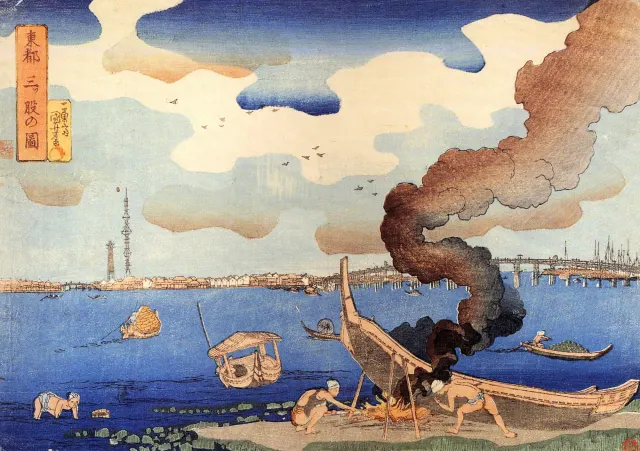
東都三ツ股の図
東都三ツ股の図Mitsumata in the Eastern Capital歌川国芳・c. 1831
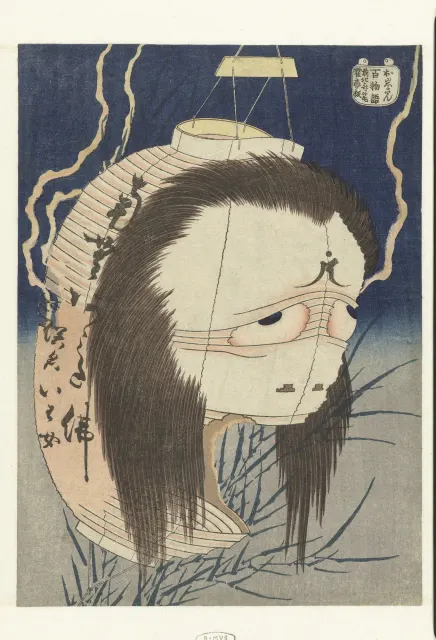
百物語 お岩さん
百物語 お岩さんThe Ghost of Oiwa, from One Hundred Ghost Stories葛飾北斎・c. 1830–32
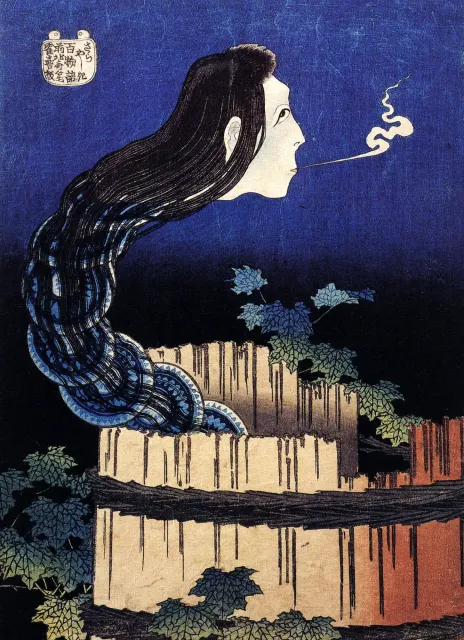
百物語 さらやしき
百物語 さらやしきThe Ghost of Okiku at Sarayashiki, from One Hundred Ghost Stories葛飾北斎・c. 1831–32
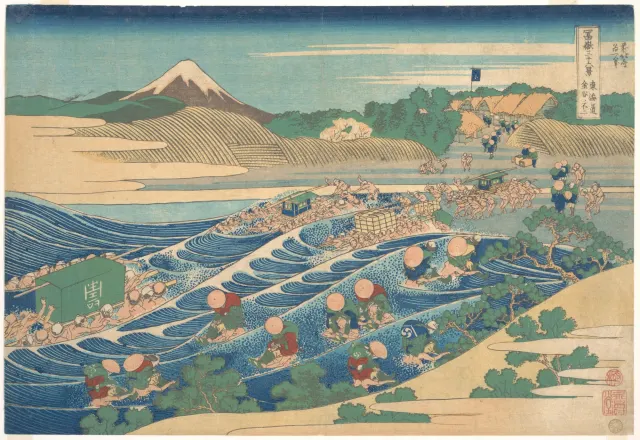
冨嶽三十六景 東海道金谷ノ不二
冨嶽三十六景 東海道金谷ノ不二Fuji Seen from Kanaya on the Tōkaidō, from Thirty-six Views of Mount Fuji葛飾北斎・c. 1830–32
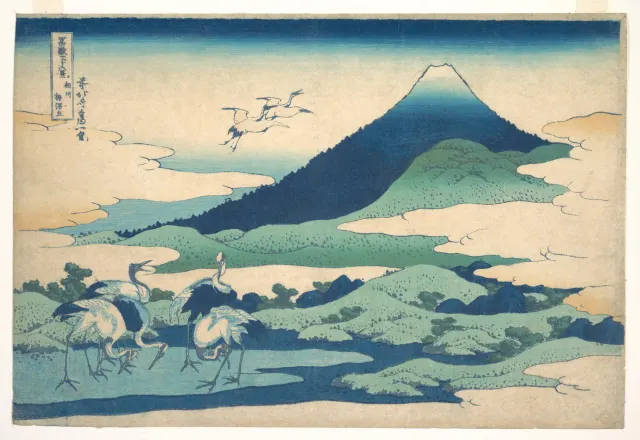
冨嶽三十六景 相州梅沢左
冨嶽三十六景 相州梅沢左Umezawa Manor in Sagami Province, from Thirty-six Views of Mount Fuji葛飾北斎・c. 1830–32
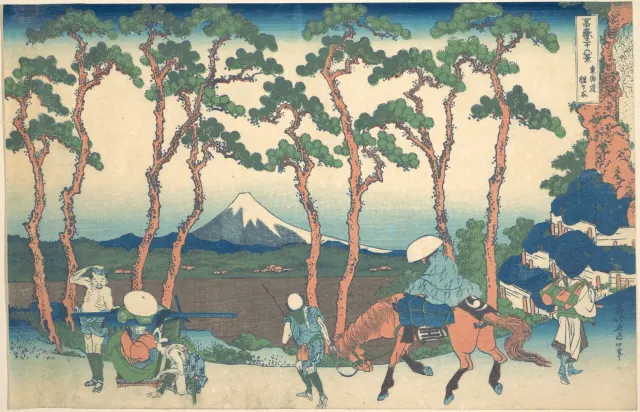
冨嶽三十六景 東海道程ヶ谷
冨嶽三十六景 東海道程ヶ谷Hodogaya on the Tōkaidō, from Thirty-six Views of Mount Fuji葛飾北斎・c. 1830–32
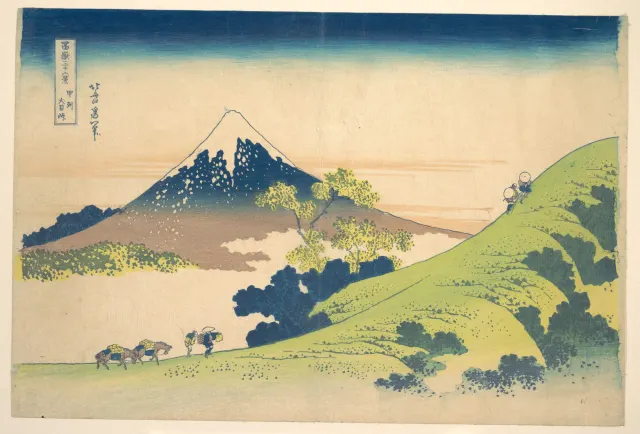
冨嶽三十六景 甲州犬目峠
冨嶽三十六景 甲州犬目峠The Inume Pass in Kai Province, from Thirty-six Views of Mount Fuji葛飾北斎・c. 1830–32
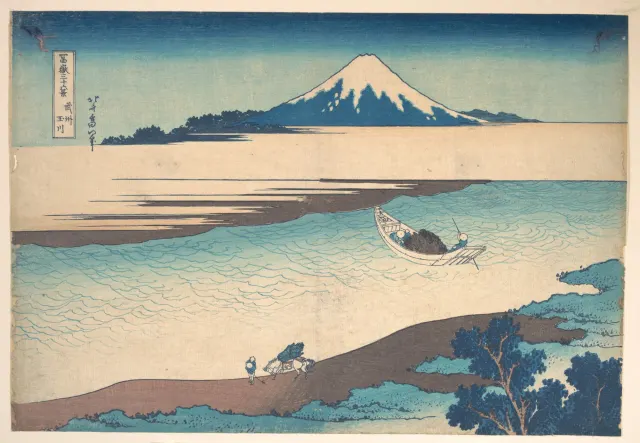
冨嶽三十六景 武州玉川
冨嶽三十六景 武州玉川The Tama River in Musashi Province, from Thirty-six Views of Mount Fuji葛飾北斎・c. 1830–32
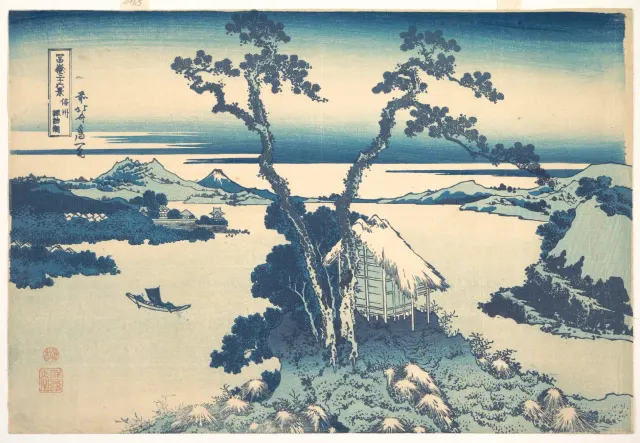
冨嶽三十六景 信州諏訪湖
冨嶽三十六景 信州諏訪湖Lake Suwa in Shinano Province, from Thirty-six Views of Mount Fuji葛飾北斎・c. 1830–32
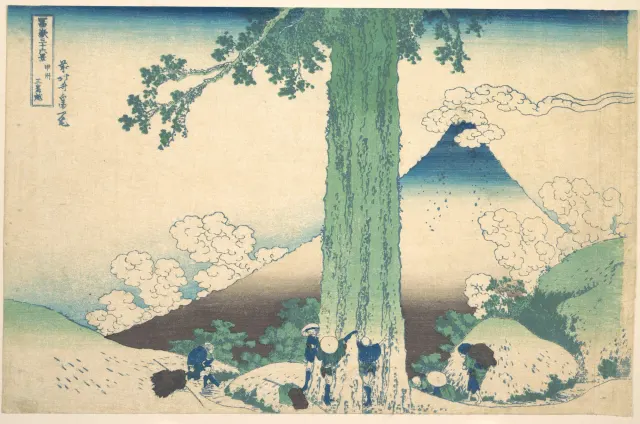
冨嶽三十六景 甲州三嶌越
冨嶽三十六景 甲州三嶌越Mishima Pass in Kai Province, from Thirty-six Views of Mount Fuji葛飾北斎・c. 1830–32
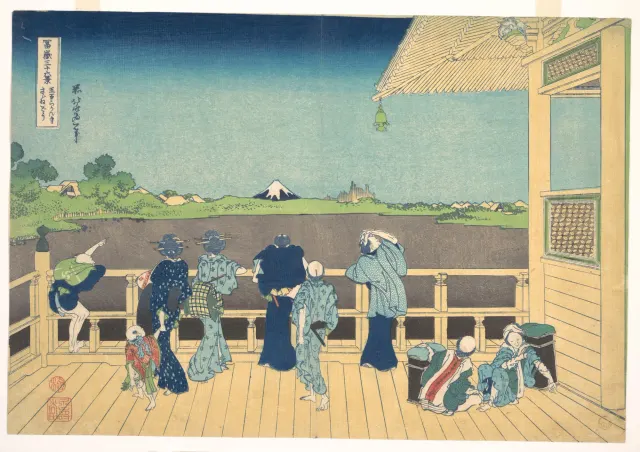
冨嶽三十六景 五百らかん寺さざゐどう
冨嶽三十六景 五百らかん寺さざゐどうSazai Hall at the Temple of the Five Hundred Arhats, from Thirty-six Views of Mount Fuji葛飾北斎・c. 1830–32
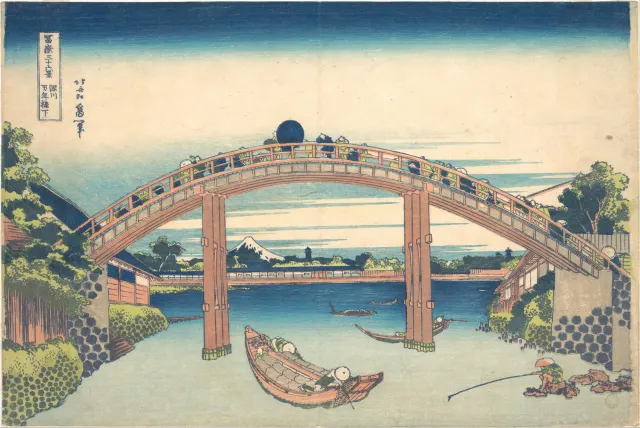
冨嶽三十六景 深川万年橋下
冨嶽三十六景 深川万年橋下Under Mannen Bridge at Fukagawa (Thirty-six Views of Mount Fuji)葛飾北斎・c. 1830–1832
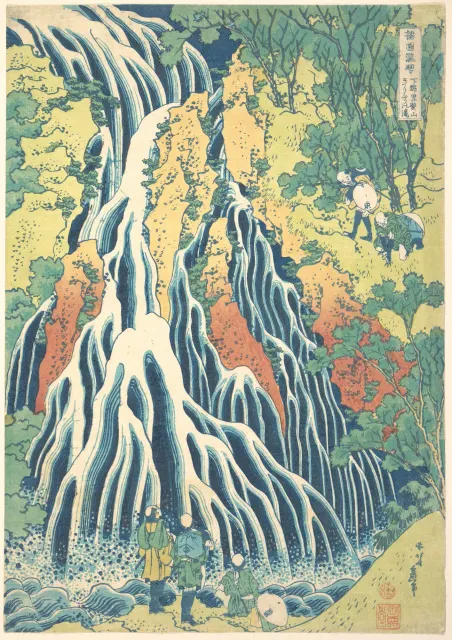
諸国瀧廻り 下野黒髪山きりふりの滝
諸国瀧廻り 下野黒髪山きりふりの滝Kirifuri Waterfall at Kurokami Mountain in Shimotsuke, from A Tour of Waterfalls in Various Provinces葛飾北斎・c. 1832
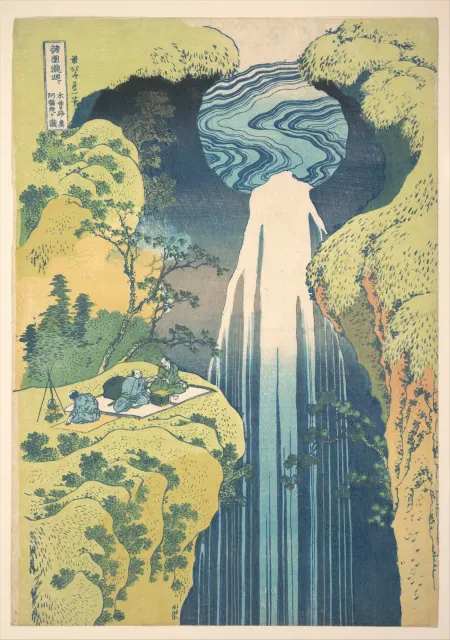
諸国瀧廻り 木曽路ノ奥阿弥陀ヶ滝
諸国瀧廻り 木曽路ノ奥阿弥陀ヶ滝The Amida Falls in the Far Reaches of the Kisokaidō Road, from A Tour of Waterfalls in Various Provinces葛飾北斎・c. 1832
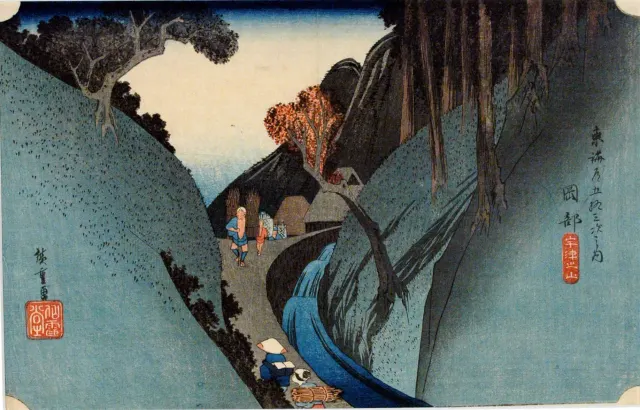
東海道五十三次之内 岡部 宇津之山
東海道五十三次之内 岡部 宇津之山Okabe: Utsu Mountain (The Fifty-three Stations of the Tōkaidō)歌川広重・c. 1832–1833
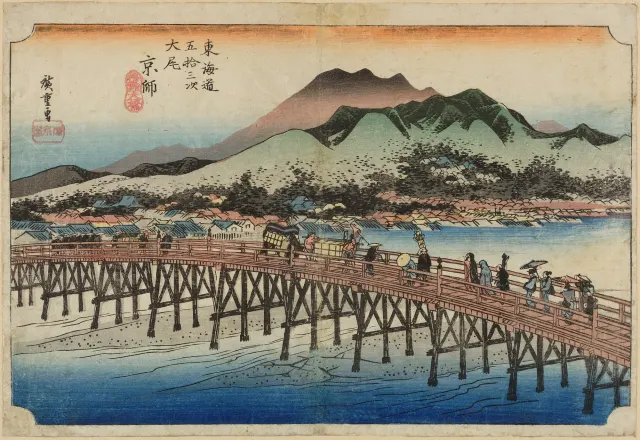
東海道五拾三次 京師 三条大橋
東海道五拾三次 京師 三条大橋Kyoto: The Great Sanjō Bridge (The Fifty-three Stations of the Tōkaidō)歌川広重・1832–1834
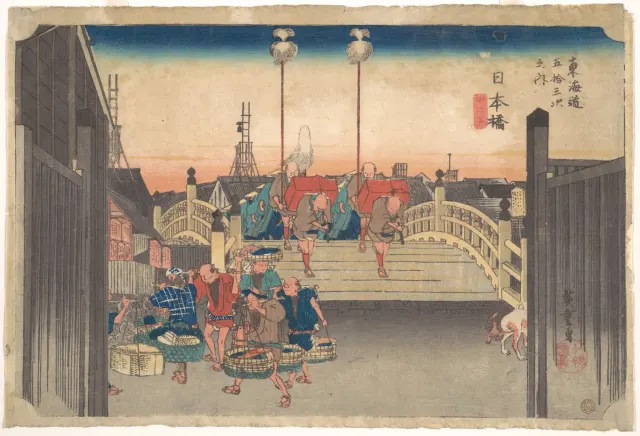
東海道五拾三次之内 日本橋 朝之景
東海道五拾三次之内 日本橋 朝之景Morning View of Nihonbashi, from The Fifty-three Stations of the Tōkaidō歌川広重・c. 1833–34
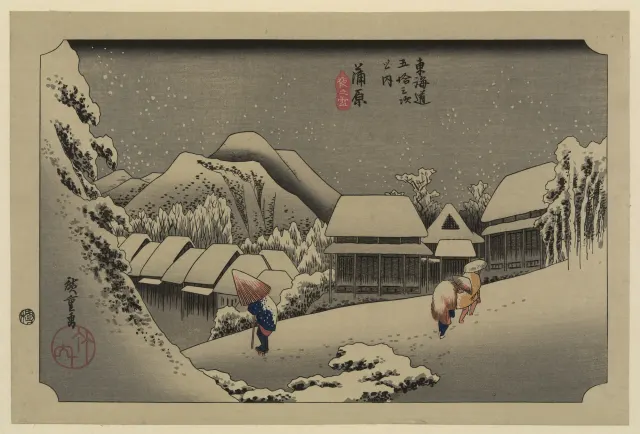
東海道五拾三次之内 蒲原 夜之雪
東海道五拾三次之内 蒲原 夜之雪Night Snow at Kambara, from The Fifty-three Stations of the Tōkaidō歌川広重・c. 1833–34
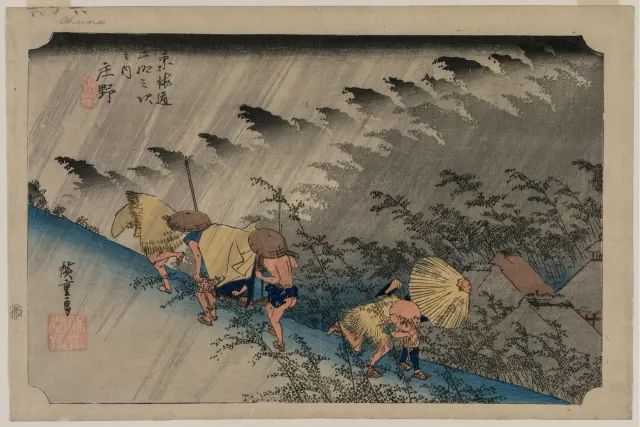
東海道五拾三次之内 庄野 白雨
東海道五拾三次之内 庄野 白雨Driving Rain at Shōno, from The Fifty-three Stations of the Tōkaidō歌川広重・c. 1833–34
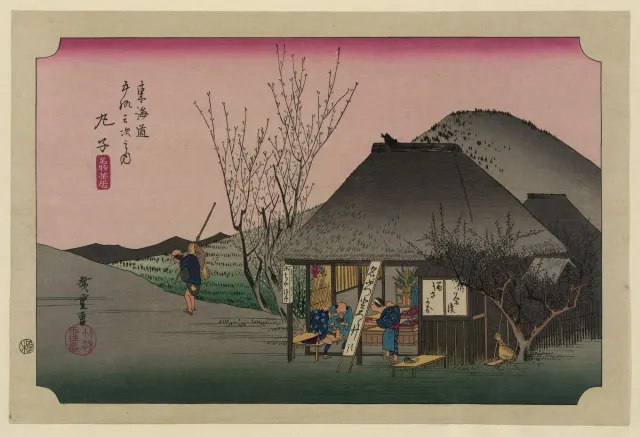
東海道五十三次之内 丸子 名物茶店
東海道五十三次之内 丸子 名物茶店Mariko: Famous Teahouse (The Fifty-three Stations of the Tōkaidō)歌川広重・design c. 1833–1834, reprinted Shōwa era
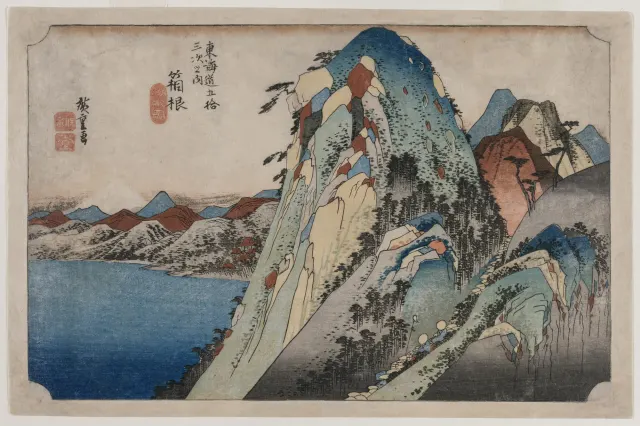
東海道五十三次之内 箱根 湖水図
東海道五十三次之内 箱根 湖水図Hakone: View of the Lake (The Fifty-three Stations of the Tōkaidō)歌川広重・1833
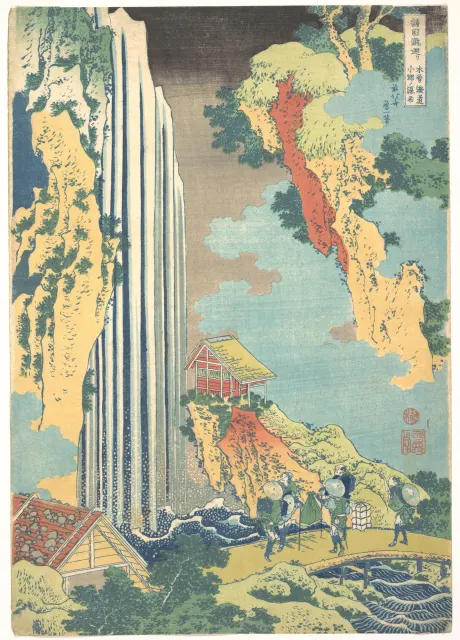
諸国瀧廻り 木曽海道小野ノ瀑布
諸国瀧廻り 木曽海道小野ノ瀑布Ono Waterfall on the Kisokaidō, from A Tour of Waterfalls in Various Provinces葛飾北斎・c. 1833
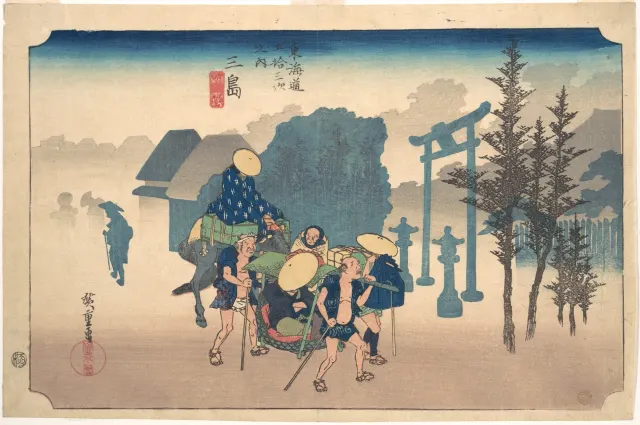
東海道五拾三次之内 三島 朝霧
東海道五拾三次之内 三島 朝霧Mishima: Morning Mist (The Fifty-three Stations of the Tōkaidō)歌川広重・c. 1833
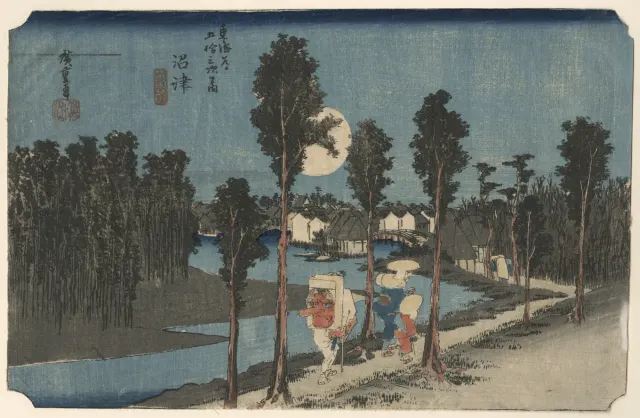
東海道五拾三次之内 沼津 黄昏図
東海道五拾三次之内 沼津 黄昏図Numazu: Twilight (The Fifty-three Stations of the Tōkaidō)歌川広重・c. 1833–1834
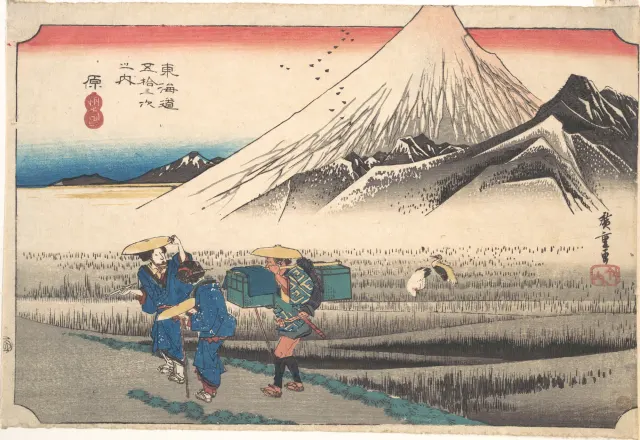
東海道五十三次之内 原 朝之富士
東海道五十三次之内 原 朝之富士Hara: Mount Fuji in the Morning (The Fifty-three Stations of the Tōkaidō)歌川広重・c. 1833–1834
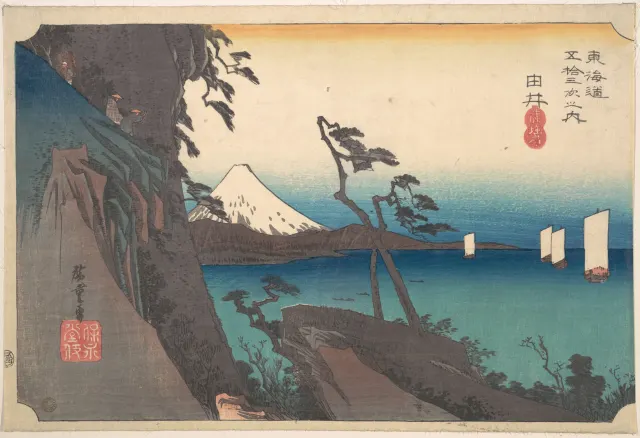
東海道五拾三次之内 由井 薩埵嶺
東海道五拾三次之内 由井 薩埵嶺Yui: Satta Peak (The Fifty-three Stations of the Tōkaidō)歌川広重・c. 1834
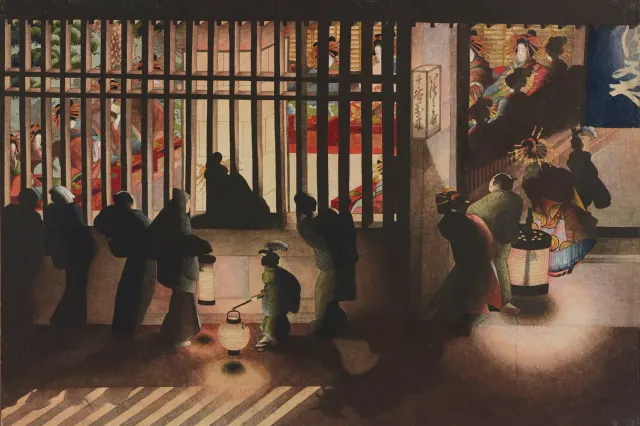
吉原格子先之図
吉原格子先之図Night Scene in the Yoshiwara葛飾応為・c. 1818–60
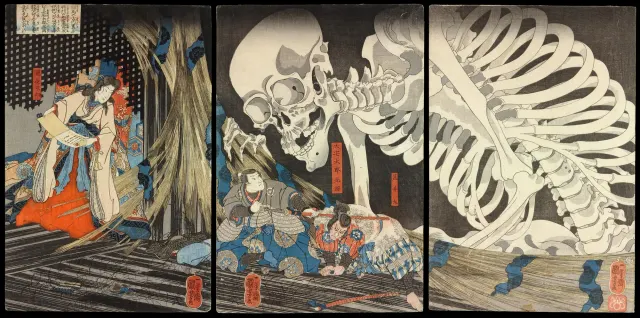
相馬の古内裏
相馬の古内裏The Old Palace at Sōma歌川国芳・c. 1844
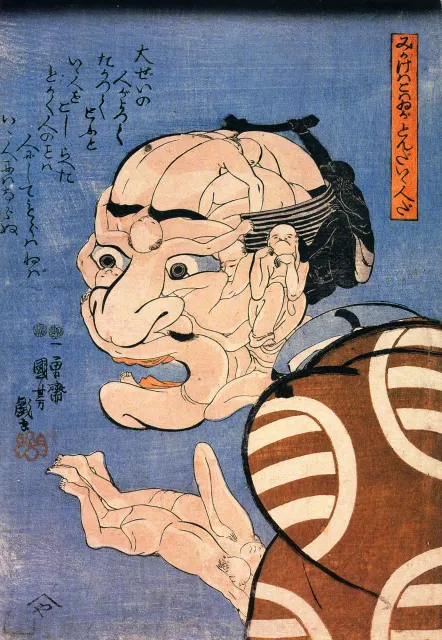
みかけハこハゐがとんだいゝ人だ
みかけハこハゐがとんだいゝ人だAt First Glance He Looks Fierce, but He's Really a Nice Person歌川国芳・c. 1847
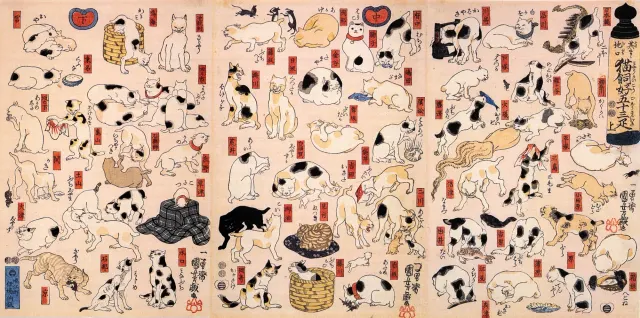
其まゝ地口 猫飼好五十三疋
其まゝ地口 猫飼好五十三疋Cats as the Fifty-three Stations of the Tōkaidō歌川国芳・c. 1848
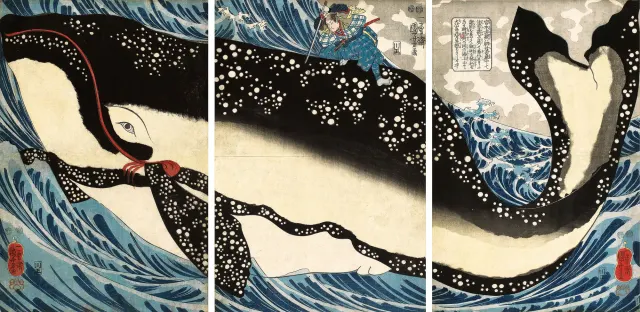
宮本武蔵の鯨退治
宮本武蔵の鯨退治Miyamoto Musashi Attacking a Giant Whale歌川国芳・c. 1847–1850
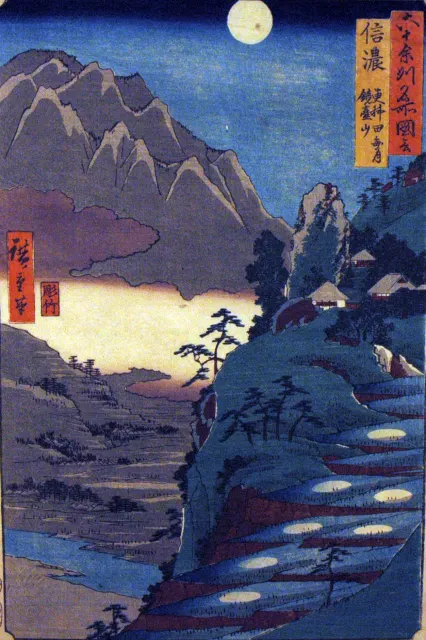
六十余州名所図会 信濃 更科田毎月 鏡台山
六十余州名所図会 信濃 更科田毎月 鏡台山Shinano Province: The Moon Reflected in the Rice Paddies at Sarashina, Mount Kyōdai (Famous Views of the Sixty-odd Provinces)歌川広重・1853
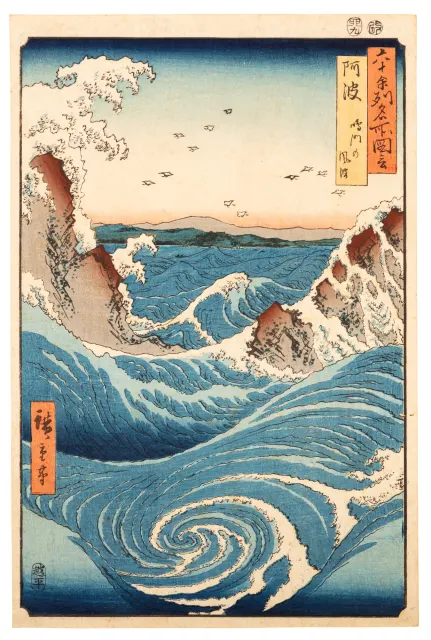
六十余州名所図会 阿波 鳴門の風波
六十余州名所図会 阿波 鳴門の風波Awa Province: The Naruto Whirlpools (Famous Views of the Sixty-odd Provinces)歌川広重・1855
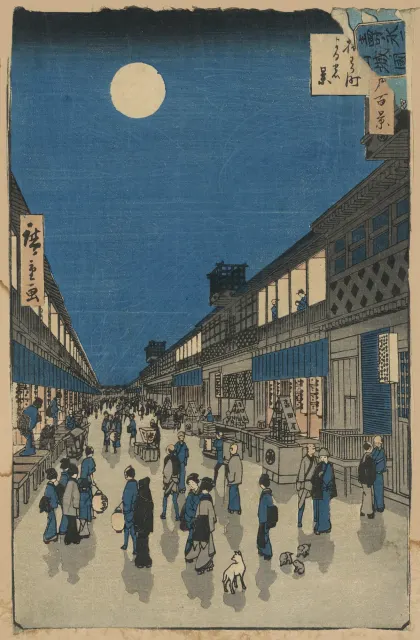
名所江戸百景 猿わか町よるの景
名所江戸百景 猿わか町よるの景Night View of Saruwaka-machi (One Hundred Famous Views of Edo)歌川広重・1856
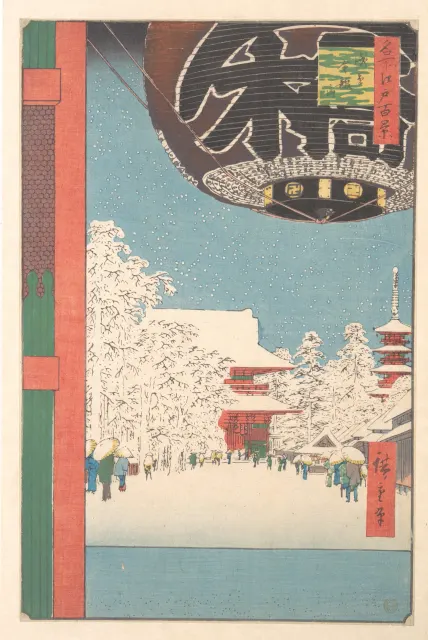
名所江戸百景 浅草金龍山
名所江戸百景 浅草金龍山Kinryūzan Temple, Asakusa (One Hundred Famous Views of Edo)歌川広重・1856
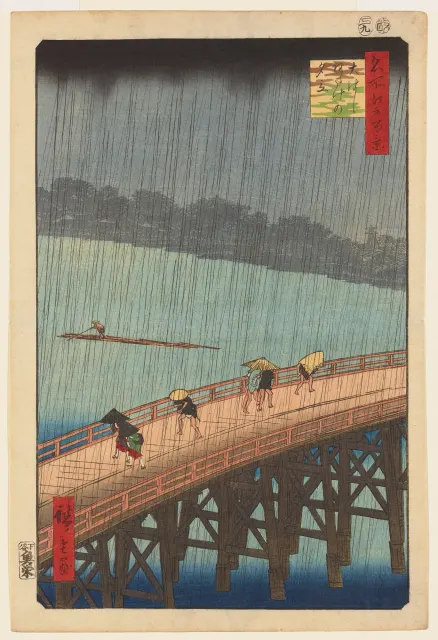
名所江戸百景 大はしあたけの夕立
名所江戸百景 大はしあたけの夕立Sudden Shower over Shin-Ōhashi Bridge and Atake, from One Hundred Famous Views of Edo歌川広重・1857
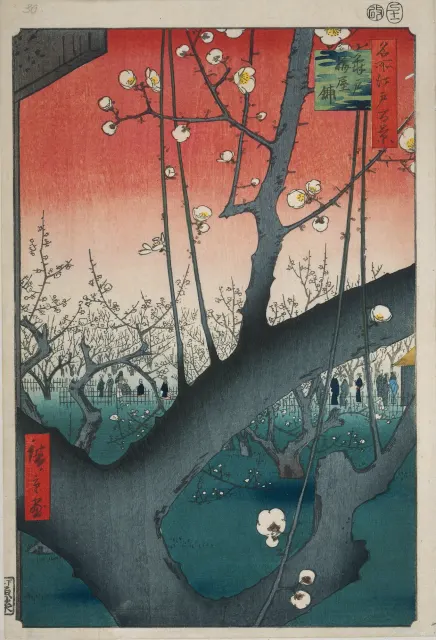
名所江戸百景 亀戸梅屋舗
名所江戸百景 亀戸梅屋舗Plum Park in Kameido (One Hundred Famous Views of Edo)歌川広重・1857
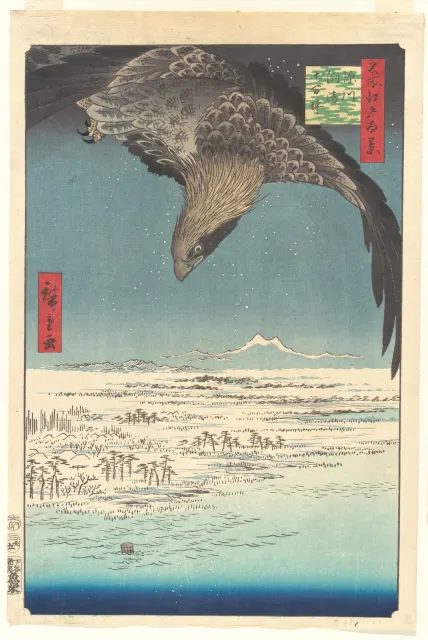
名所江戸百景 深川洲崎十万坪
名所江戸百景 深川洲崎十万坪Jūmantsubo Plain at Fukagawa Susaki (One Hundred Famous Views of Edo)歌川広重・1857
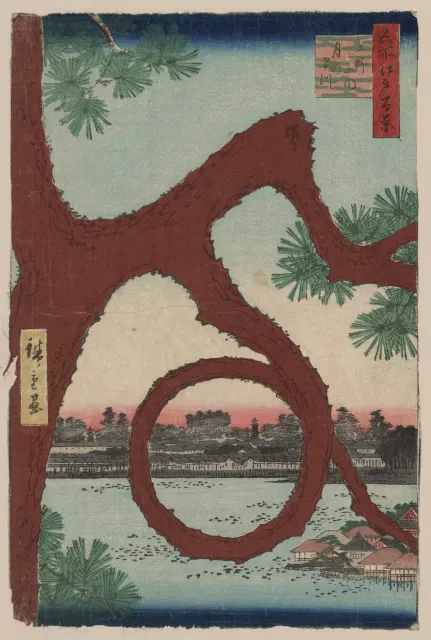
名所江戸百景 上野山内月のまつ
名所江戸百景 上野山内月のまつMoon Pine, Ueno (One Hundred Famous Views of Edo)歌川広重・1857
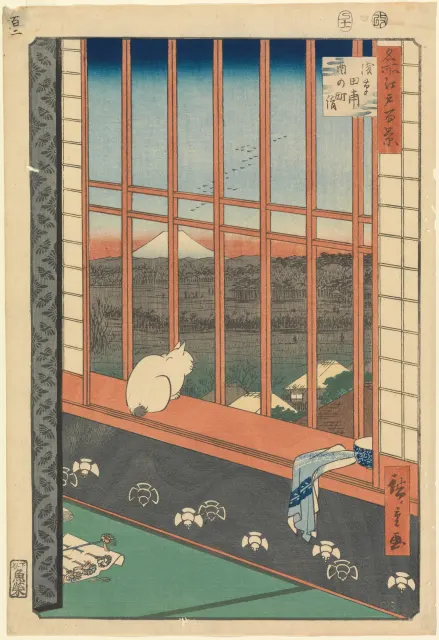
名所江戸百景 浅草田甫酉の町詣
名所江戸百景 浅草田甫酉の町詣Asakusa Ricefields and Torinomachi Festival (One Hundred Famous Views of Edo)歌川広重・1857
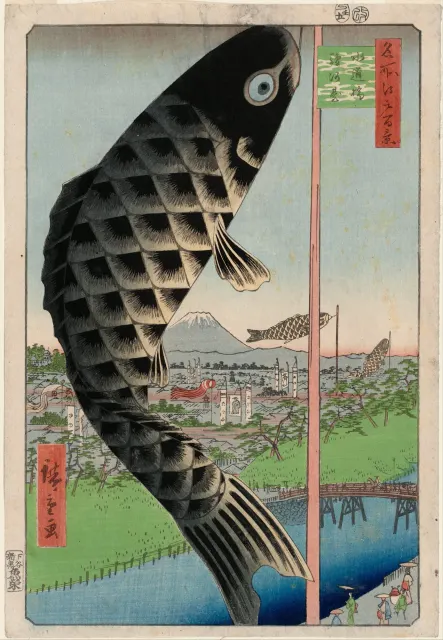
名所江戸百景 水道橋駿河台
名所江戸百景 水道橋駿河台Suidō Bridge and Surugadai (One Hundred Famous Views of Edo)歌川広重・1857
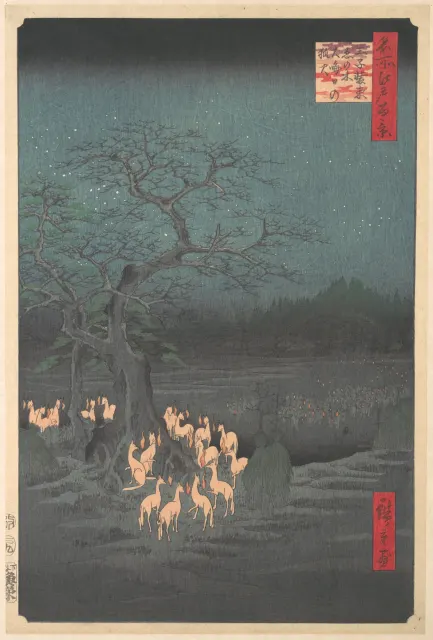
名所江戸百景 王子装束ゑの木大晦日の狐火
名所江戸百景 王子装束ゑの木大晦日の狐火New Year's Eve Foxfires at the Changing Tree, Ōji (One Hundred Famous Views of Edo)歌川広重・1857
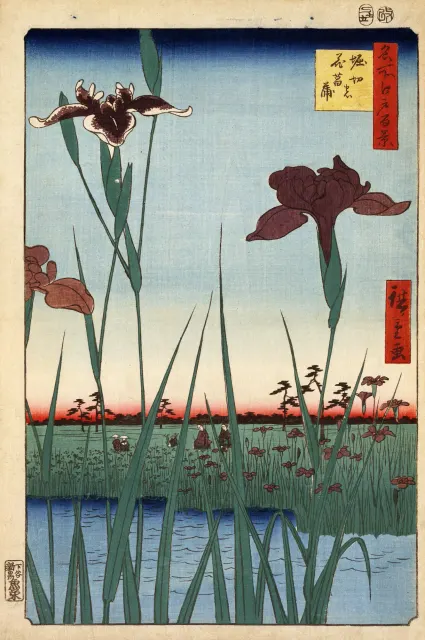
名所江戸百景 堀切の花菖蒲
名所江戸百景 堀切の花菖蒲Horikiri Iris Garden (One Hundred Famous Views of Edo)歌川広重・1857
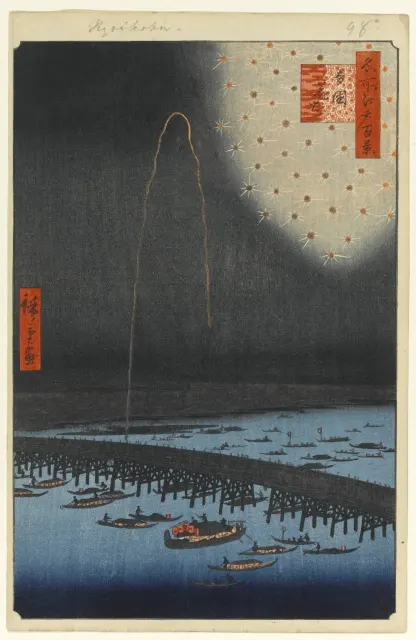
名所江戸百景 両国花火
名所江戸百景 両国花火Fireworks at Ryōgoku (One Hundred Famous Views of Edo)歌川広重・1858
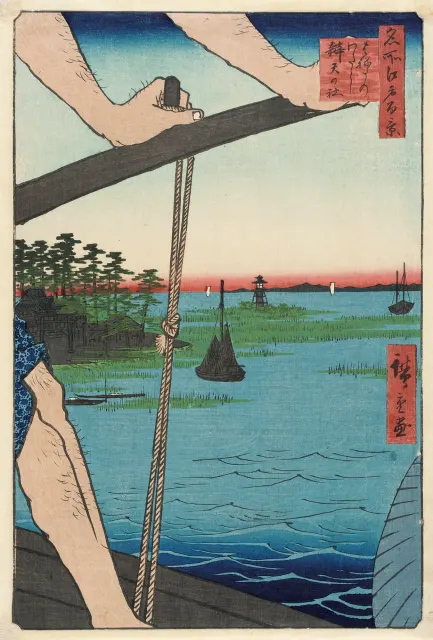
名所江戸百景 はねたのわたし弁天の社
名所江戸百景 はねたのわたし弁天の社Haneda Ferry and Benten Shrine (One Hundred Famous Views of Edo)歌川広重・1858
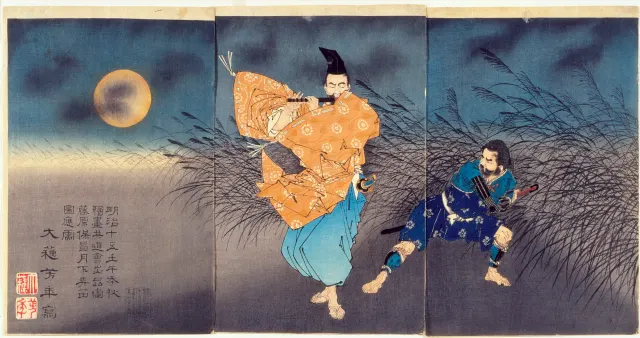
藤原保昌月下弄笛図
藤原保昌月下弄笛図Fujiwara no Yasumasa Playing the Flute by Moonlight月岡芳年・1883
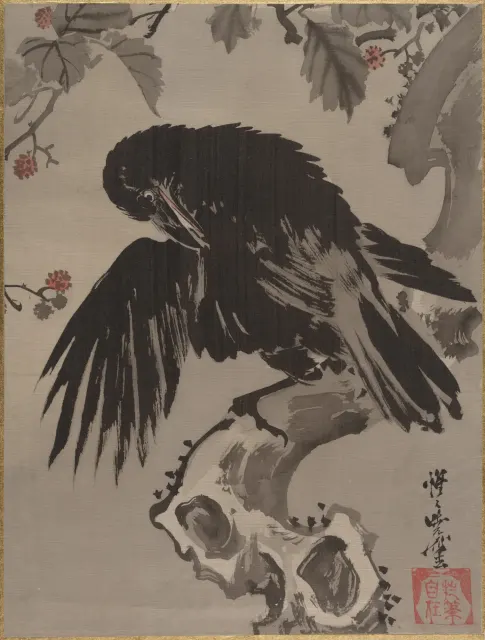
枝にとまる烏
枝にとまる烏Crow on a Branch河鍋暁斎・c. 1887
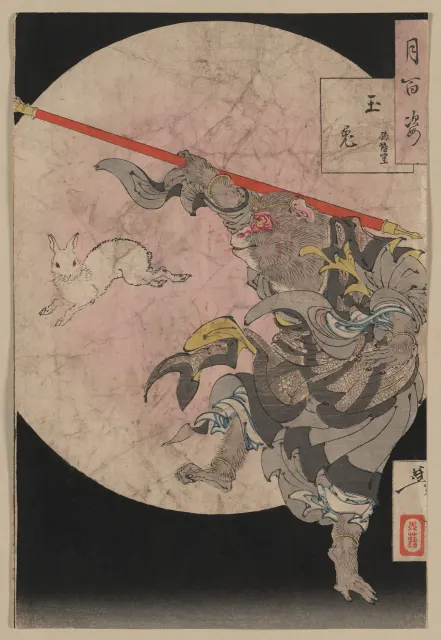
月百姿 玉兎 孫悟空
月百姿 玉兎 孫悟空Jade Rabbit – Sun Wukong (One Hundred Aspects of the Moon)月岡芳年・1889
表示 この展示室のワークシート

この展示室について

About

「浮世」とは、もともと「つらい世の中(憂き世)」という意味でしたが、江戸時代には「今を楽しむ、うきうきした世の中」という意味で使われるようになりました。浮世絵は、そんな江戸の人々の流行や、人気の役者や美人、名所の風景を描いた絵です。17世紀後半に菱川師宣が、版画で多くの人に届けたことから広がりました。

Ukiyo once meant 'the sad world', but in the Edo period it came to mean 'the floating world', a cheerful world of enjoying the moment. Ukiyo-e, 'pictures of the floating world', showed the fashions of Edo, popular actors, beautiful women and famous places. In the late 17th century, Hishikawa Moronobu helped spread them by making prints that many people could buy.

浮世絵版画は、チームで作られました。絵師が下絵を描き、彫師が桜の板に彫り、摺師が色ごとに版を重ねて紙に摺ります。全体をプロデュースしたのが、版元(出版社)です。1765年ごろ、鈴木春信たちが多色摺りの「錦絵」を完成させると、まるで錦の織物のように色あざやかな版画が生まれました。

Ukiyo-e prints were made by a team. The designer drew the picture, the carver cut it into cherry-wood blocks, and the printer pressed one block for each color onto paper. The whole project was run by the publisher. Around 1765, Suzuki Harunobu and others perfected full-color printing, called nishiki-e, or 'brocade pictures', because they were as colorful as woven silk.

18世紀の終わりには喜多川歌麿の美人画、東洲斎写楽の役者絵が評判になり、19世紀には葛飾北斎の『冨嶽三十六景』や歌川広重の『東海道五拾三次』が、旅ブームとともに大ヒットしました。歌川国芳は猫や巨大ながいこつ、だまし絵で人々を楽しませ、明治になると、月岡芳年が浮世絵の最後の時代をいろどり、国芳と狩野派の両方に学んだ河鍋暁斎も、絵画や版画で活躍しました。

In the late 18th century, Utamaro's beautiful women and Sharaku's actor portraits were the talk of the town. In the 19th century, Hokusai's Thirty-six Views of Mount Fuji and Hiroshige's Fifty-three Stations of the Tōkaidō became big hits during a travel boom. Kuniyoshi delighted people with cats, giant skeletons and visual tricks. In the Meiji era, Yoshitoshi became one of the last great ukiyo-e artists, and Kyōsai, who studied under both Kuniyoshi and the Kanō school, also did brilliant work in painting and prints.

🌙 閉館後の展示室で…

閉館だ!大波さん、今夜はあの小舟たちを見のがしてあげて。

We're closed! Great Wave, please let those little boats go tonight.

見分けるポイント

How to Spot It
  1. 輪郭線がはっきりして、色が平らにぬられている。Clear outlines and flat areas of color.
  2. 空や水に、あざやかな青(ベロ藍)が使われている。A bright blue called Prussian blue is used for sky and water.
  3. 富士山、橋、街道、雨や雪など、名所と季節の風景。Famous places and seasons: Mount Fuji, bridges, roads, rain and snow.
  4. 人気の役者や美人が、顔の大きなアップで描かれている。Popular actors or beauties shown in big close-ups of the face.
  5. すみに、絵師の名前や題名、版元のマークが入っている。The artist's name, the title and the publisher's mark appear in a corner.

英語で語る美術用語

Art Words
woodblock print
木版画

木の板を彫って絵の具をのせ、紙に摺る版画。同じ絵をたくさん作れる。A print made by carving wood blocks, inking them and pressing paper on them. Many copies can be made.

Prussian blue
ベロ藍(プルシアンブルー)

ヨーロッパで作られた合成の青。あざやかで色あせにくく、北斎や広重が使った。A synthetic blue from Europe. Bright and long-lasting, it was used by Hokusai and Hiroshige.

publisher
版元

浮世絵の企画・制作・販売をした出版社。今でいうプロデューサー。The company that planned, produced and sold prints, like a modern producer.

nishiki-e
錦絵

多色摺りの浮世絵。錦の織物のように美しいことから名づけられた。Full-color ukiyo-e prints, named for their resemblance to silk brocade.

えっ!?な裏ネタ

Secrets

展示室クイズ

Quiz

Q. 浮世絵版画で、板に絵を彫る職人を何という?In ukiyo-e, what is the person who carves the wood block called?

Q. 北斎の『冨嶽三十六景』は、全部で何枚ある?How many prints are in Hokusai's Thirty-six Views of Mount Fuji?