
 ワークシート
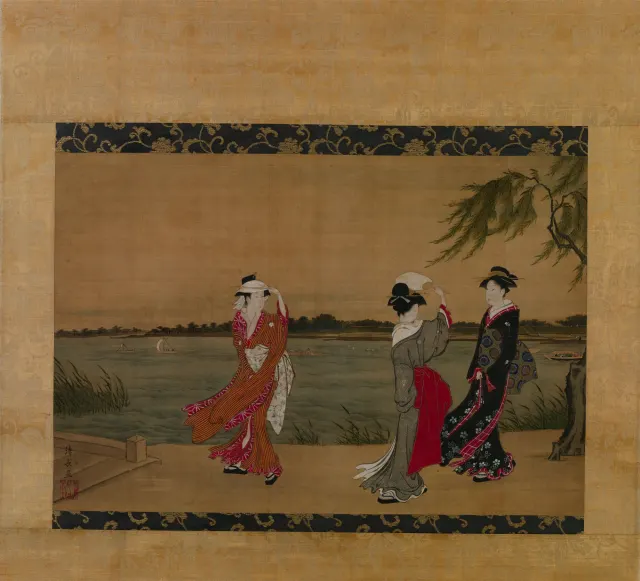
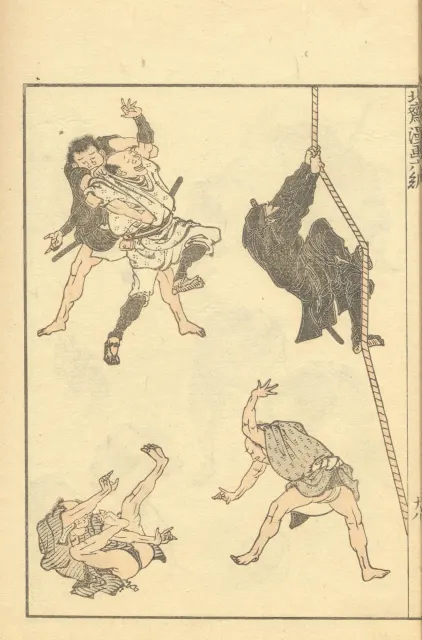
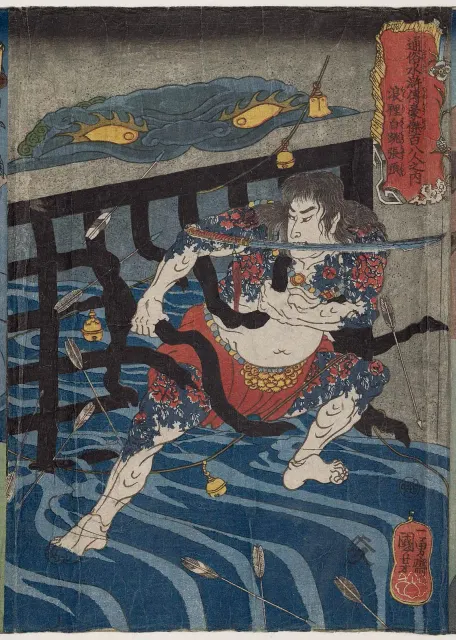
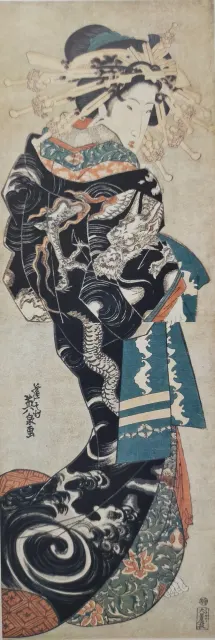
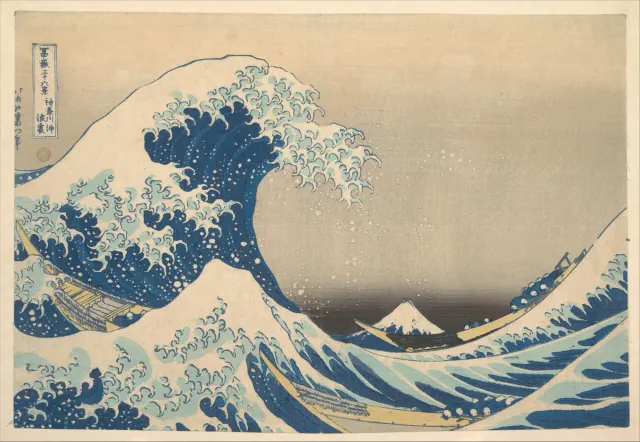
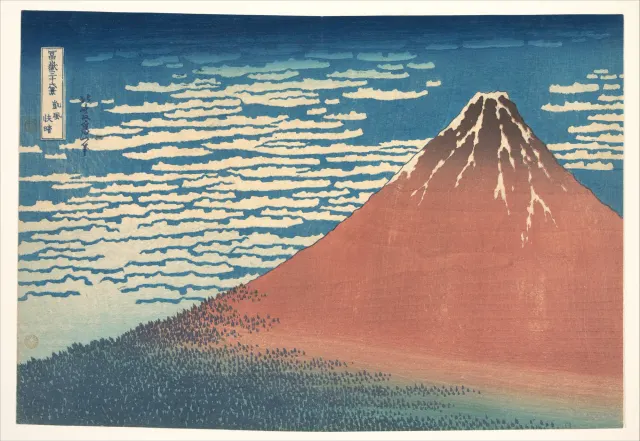
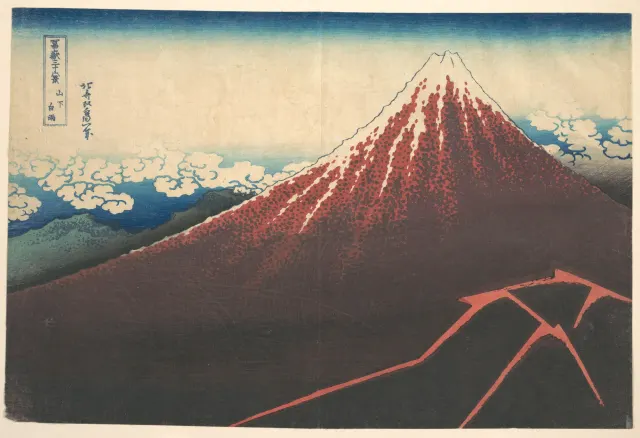
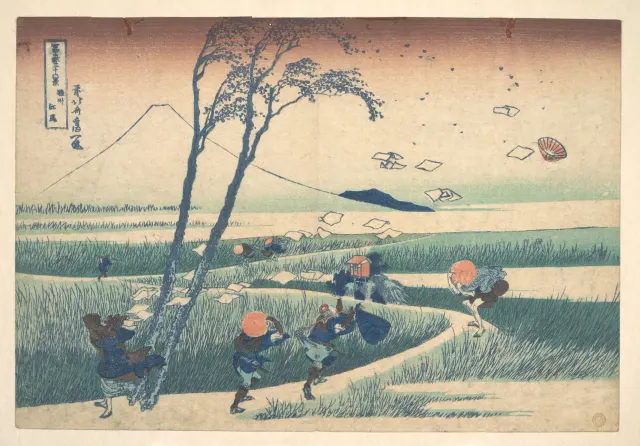
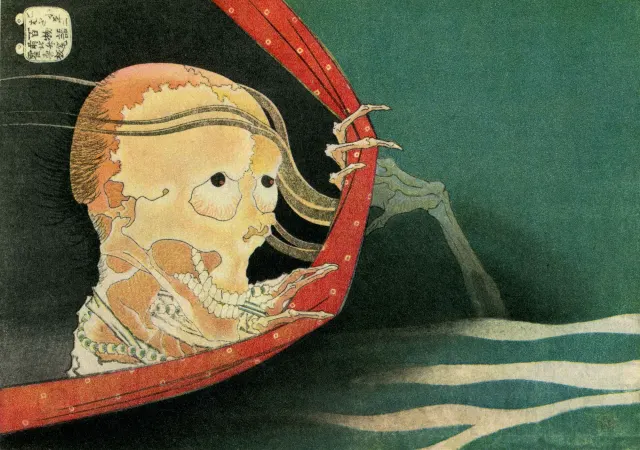
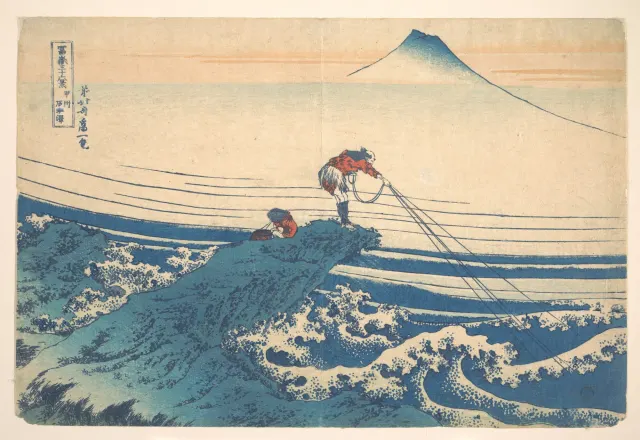
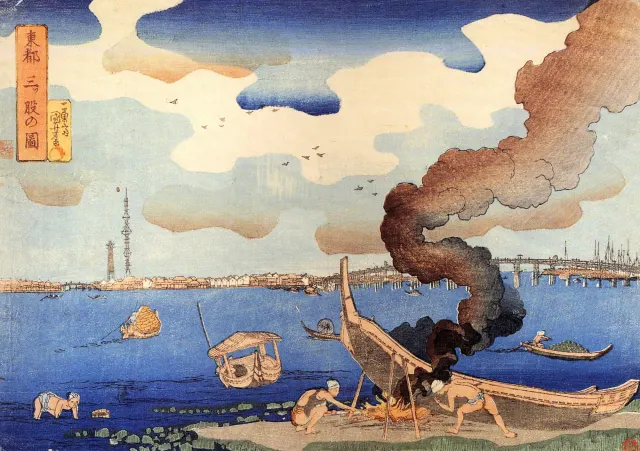
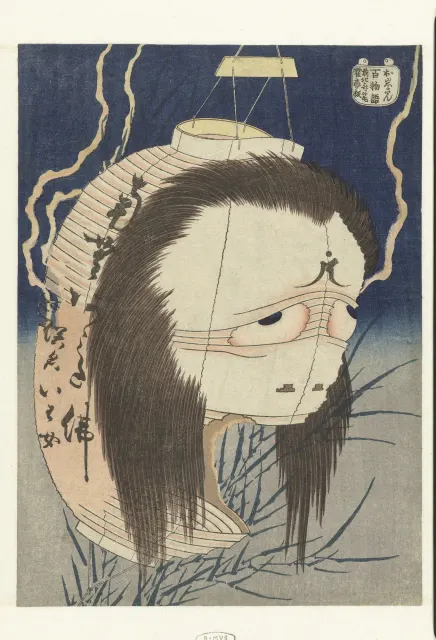
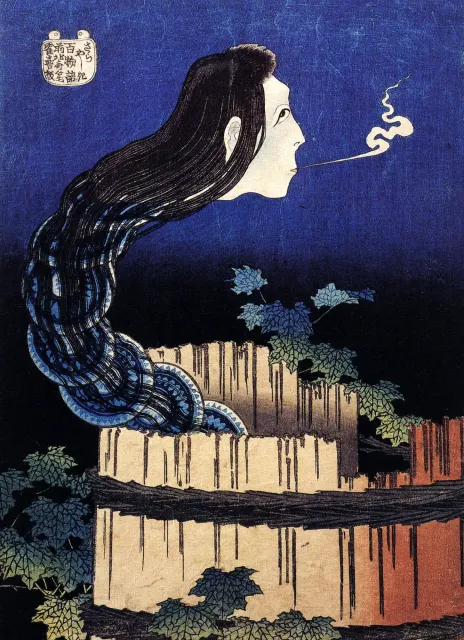
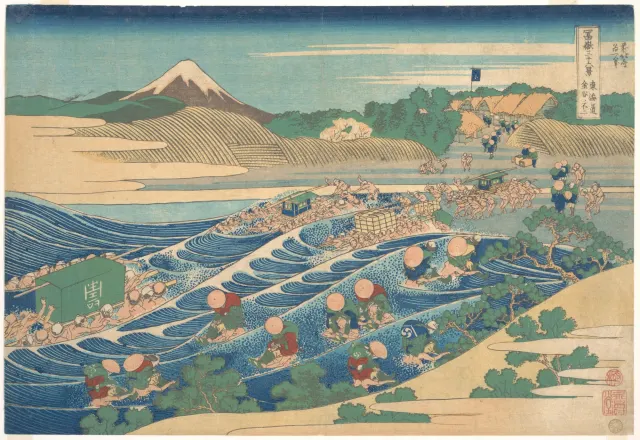
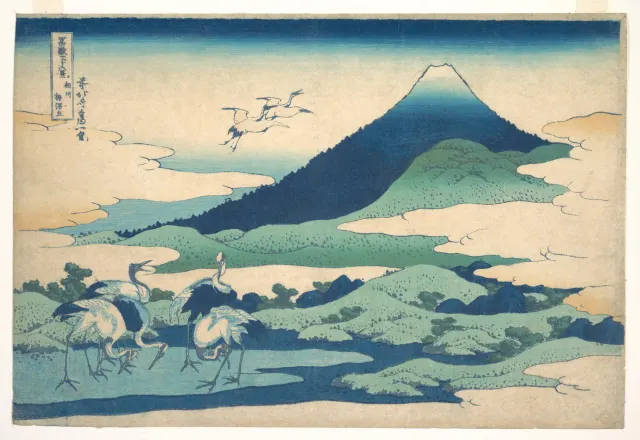
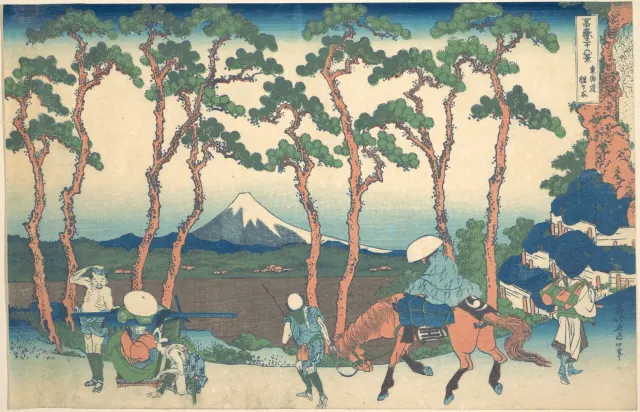
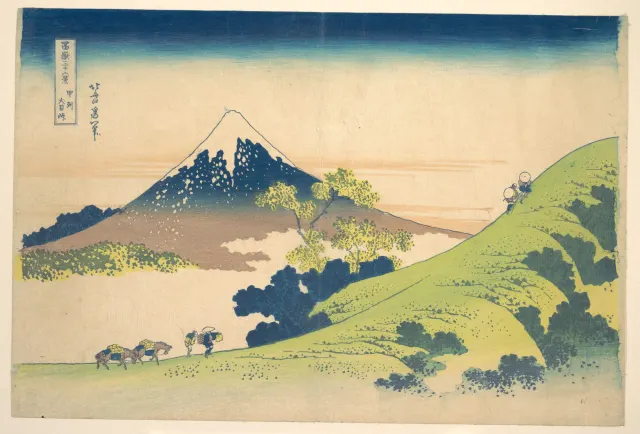
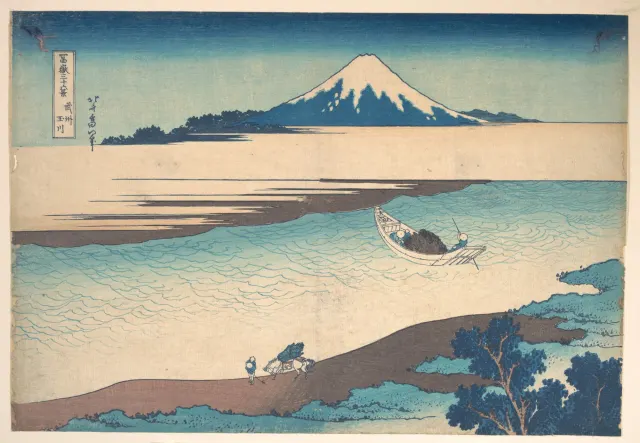
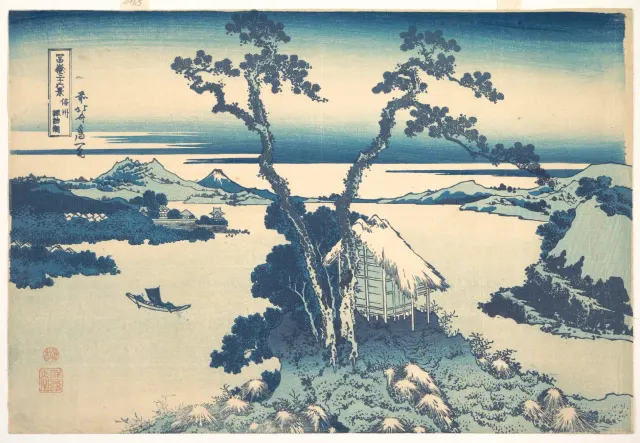
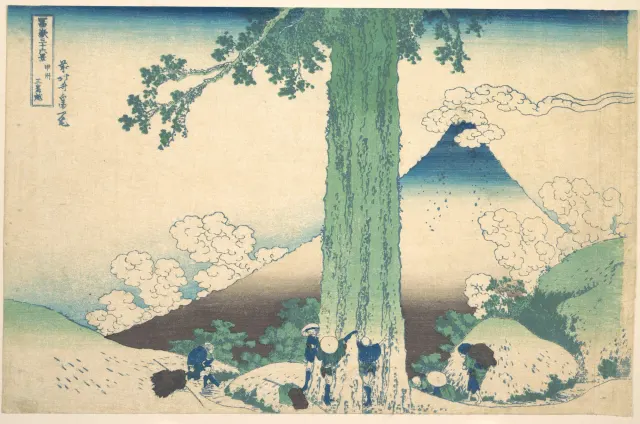
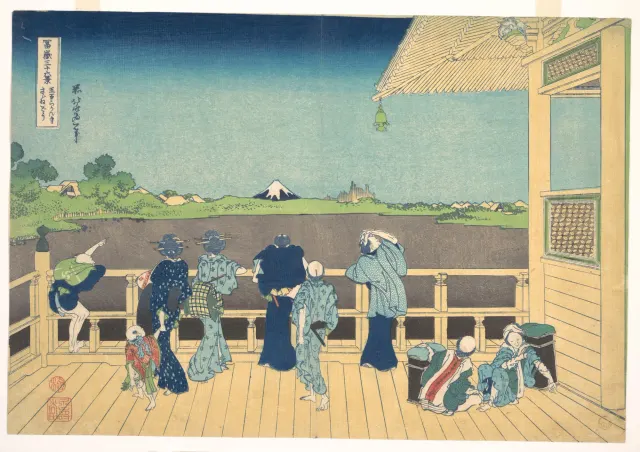
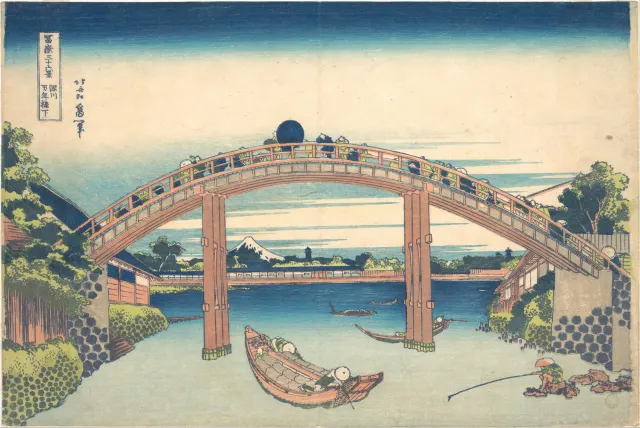
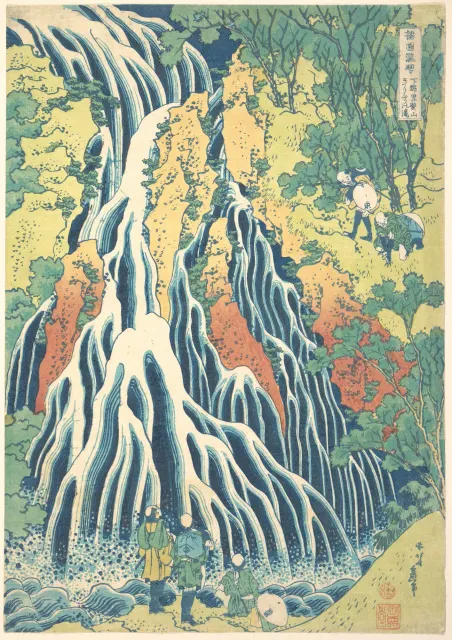
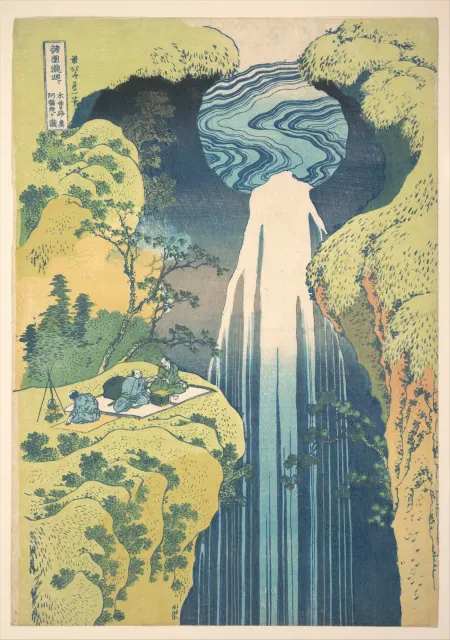
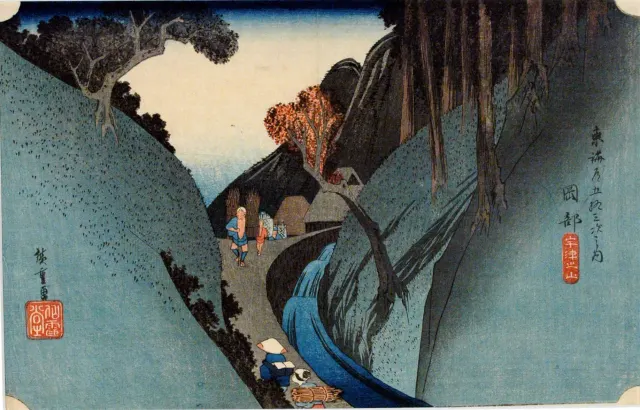
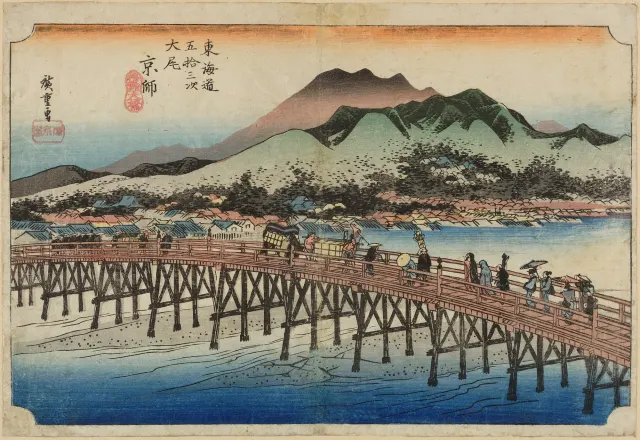
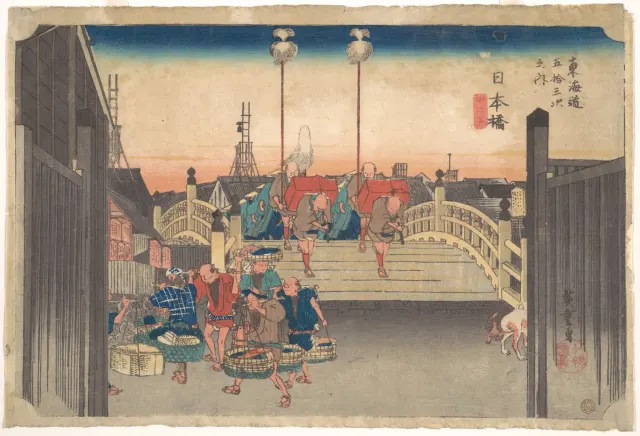
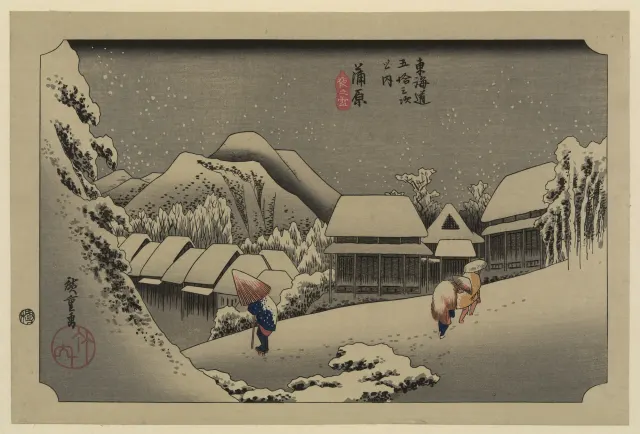
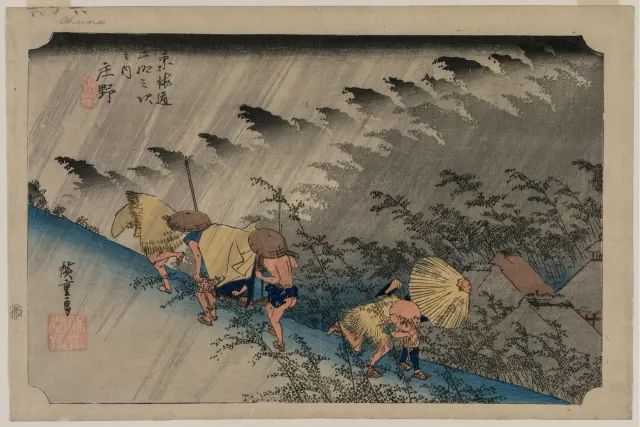
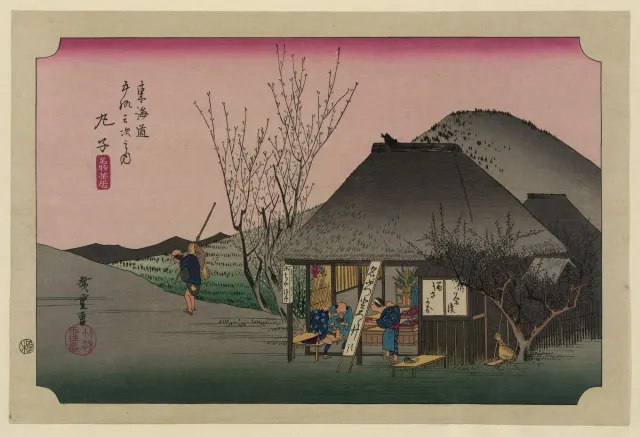
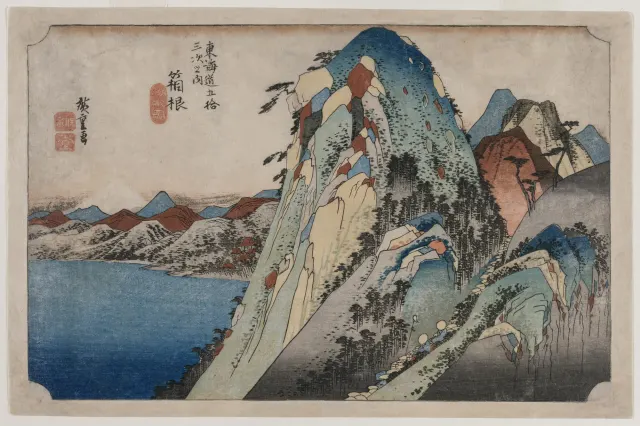
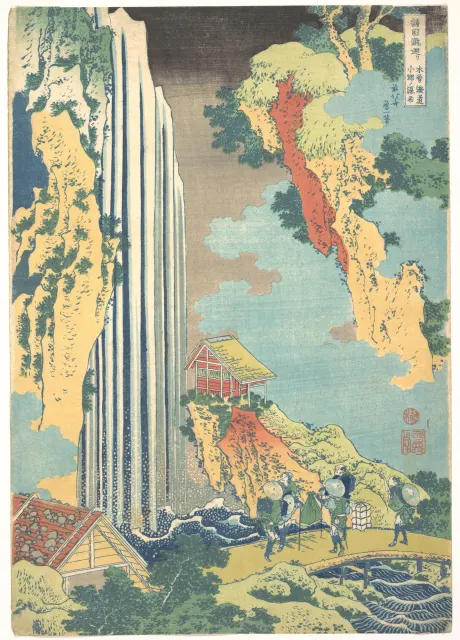
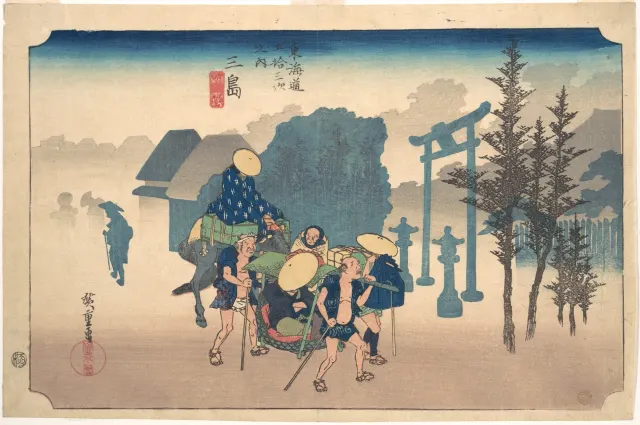
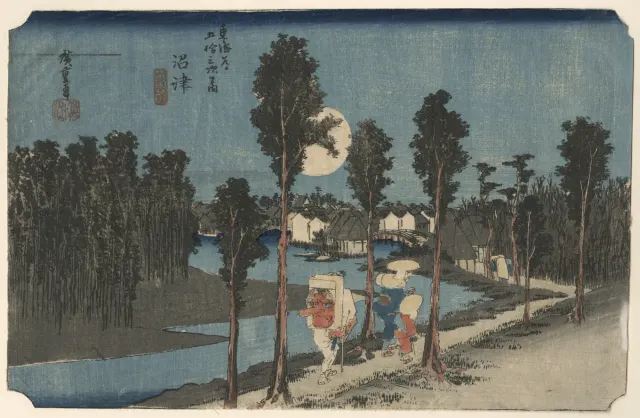
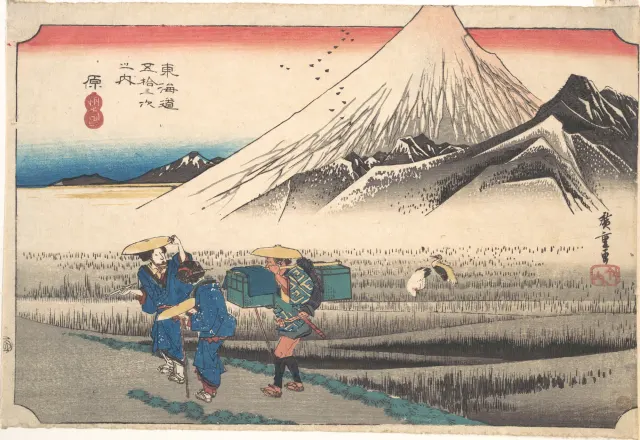
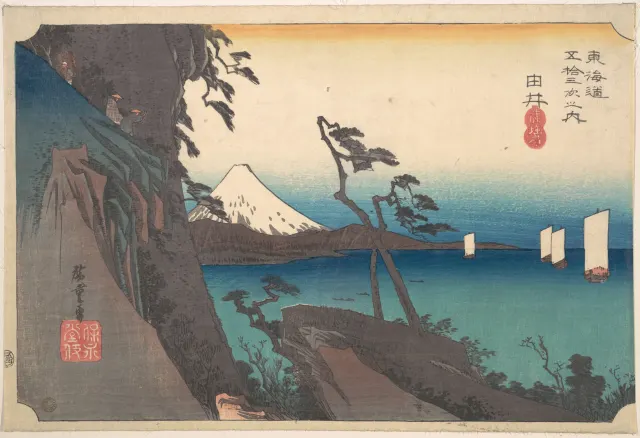
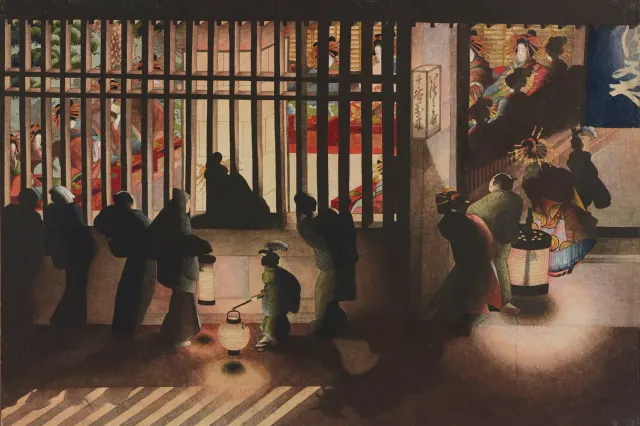
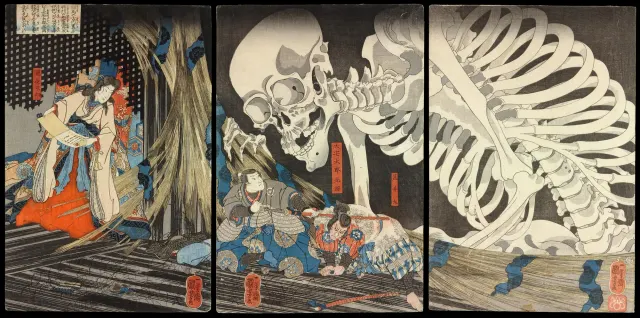
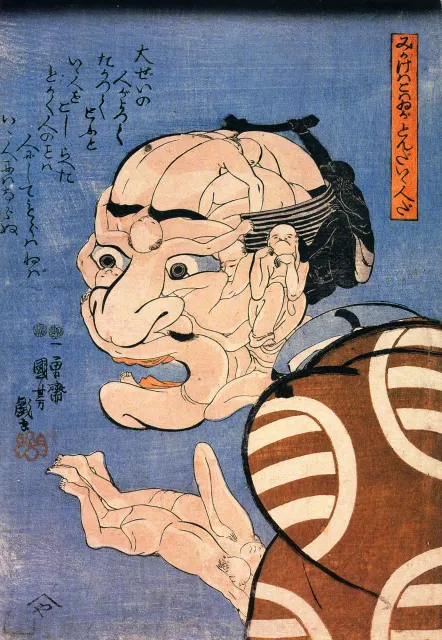
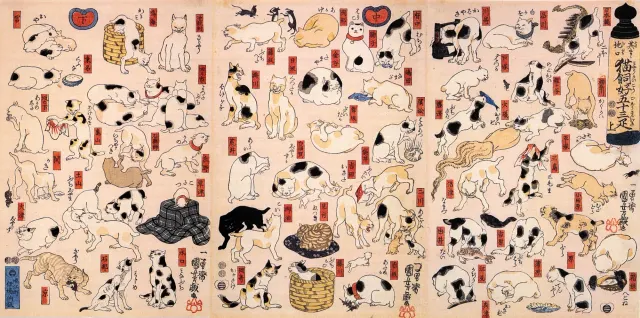
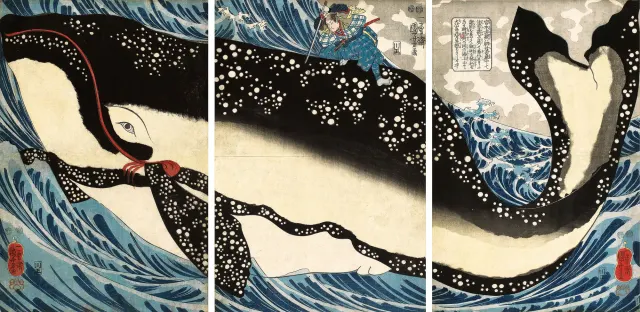
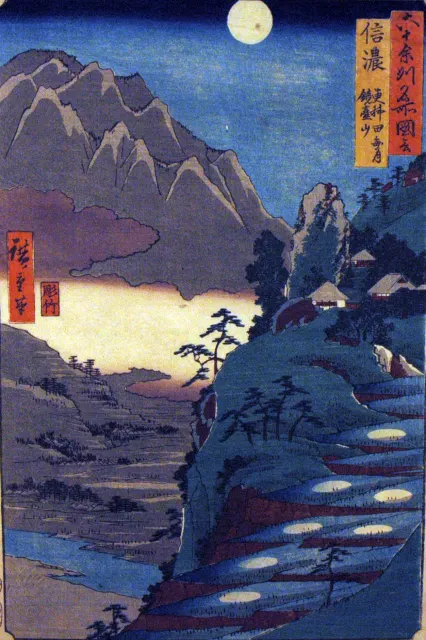
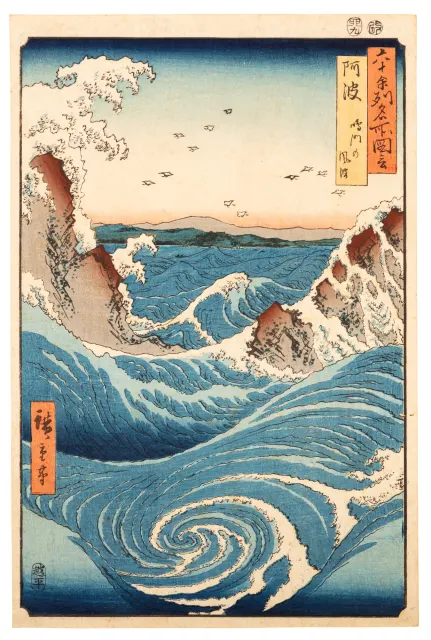
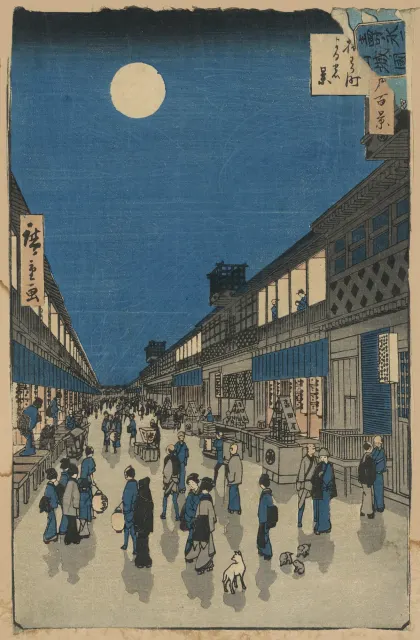
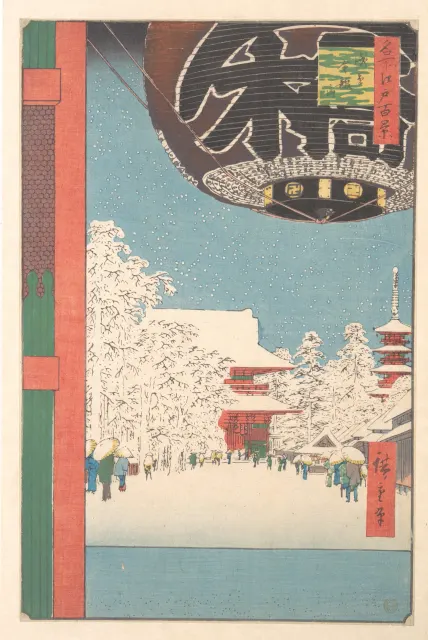
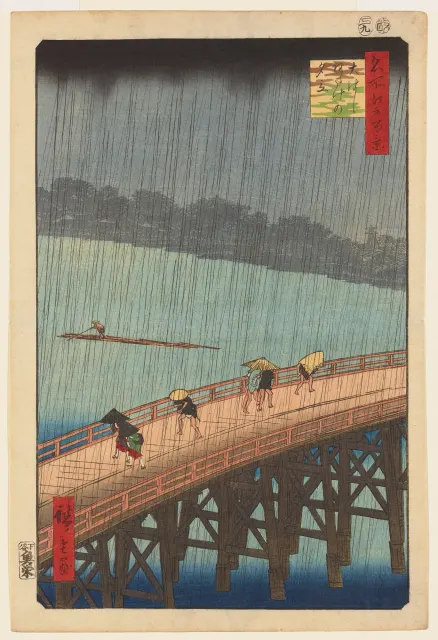
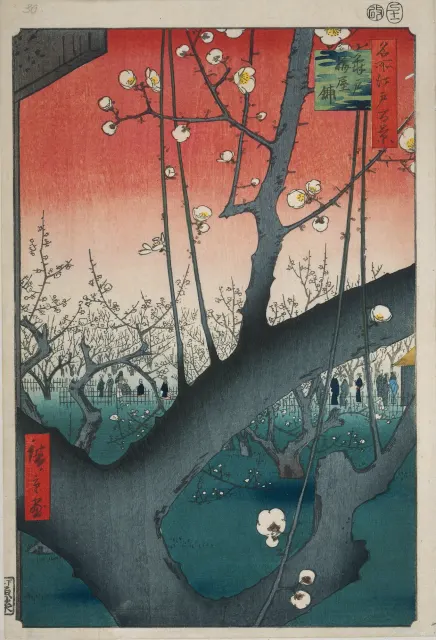
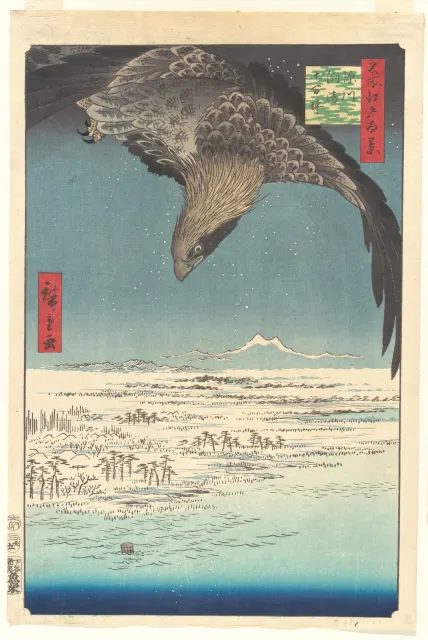
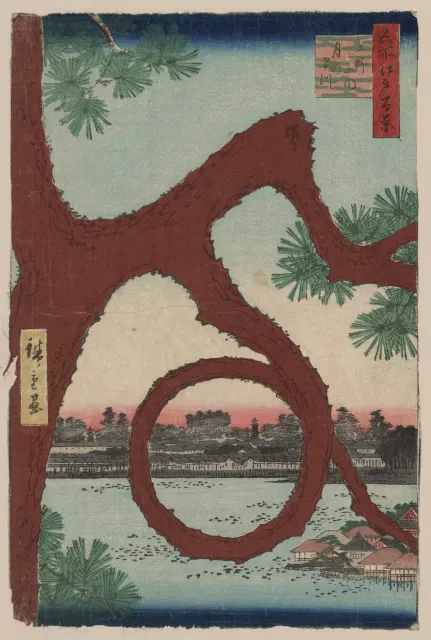
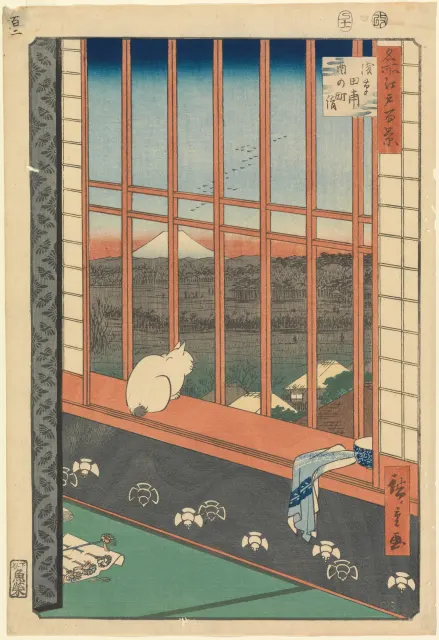
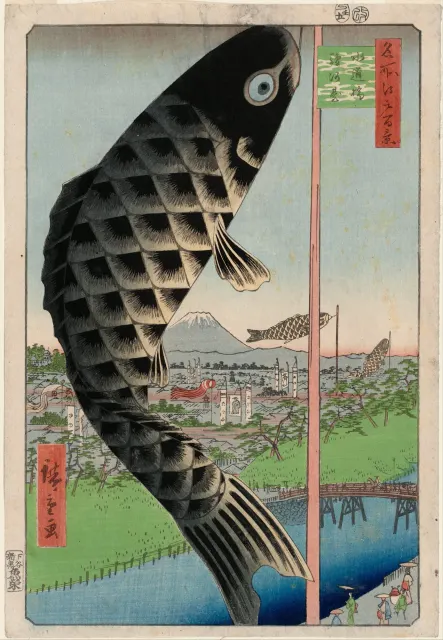
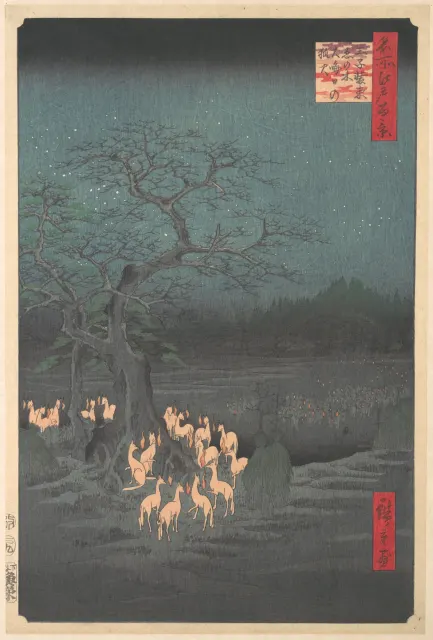
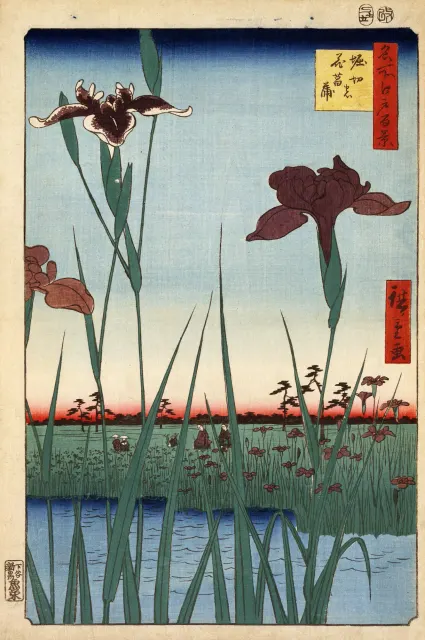
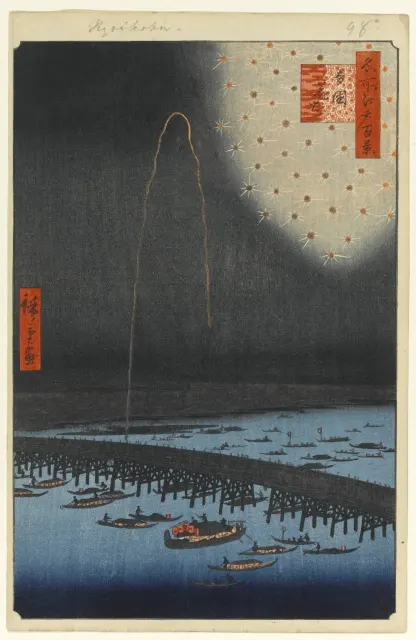
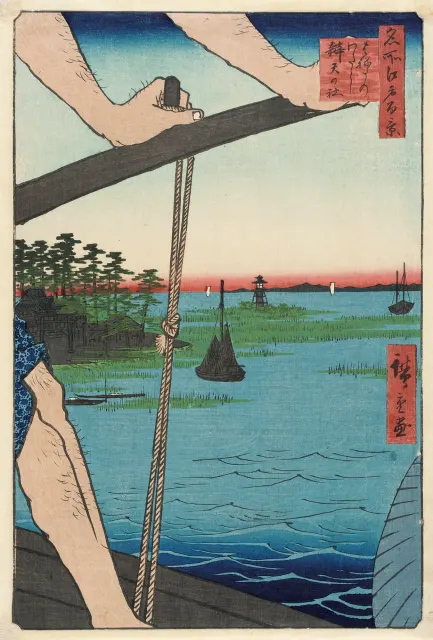
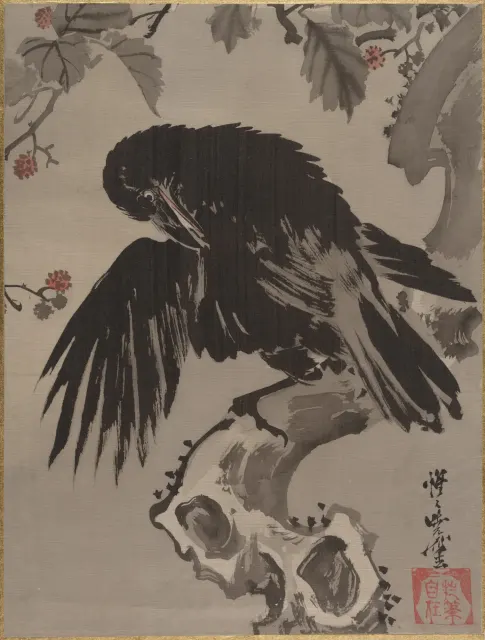
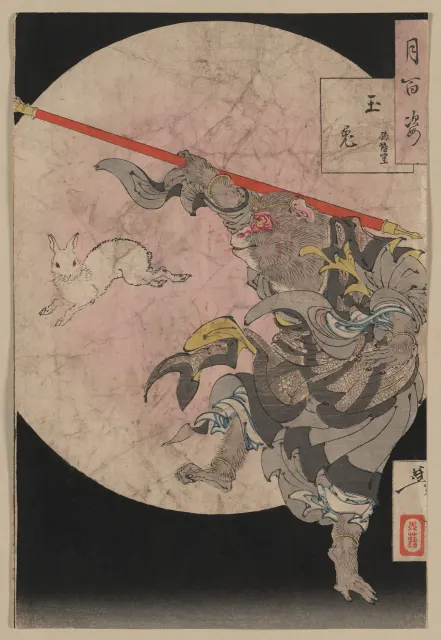
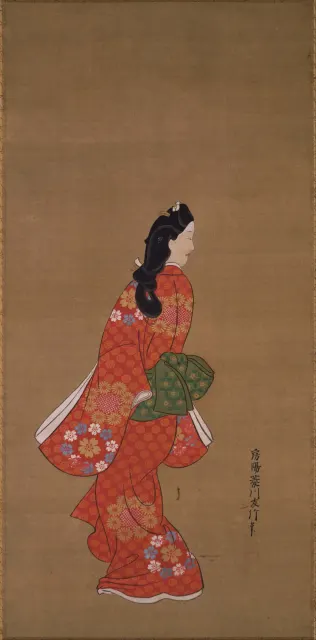
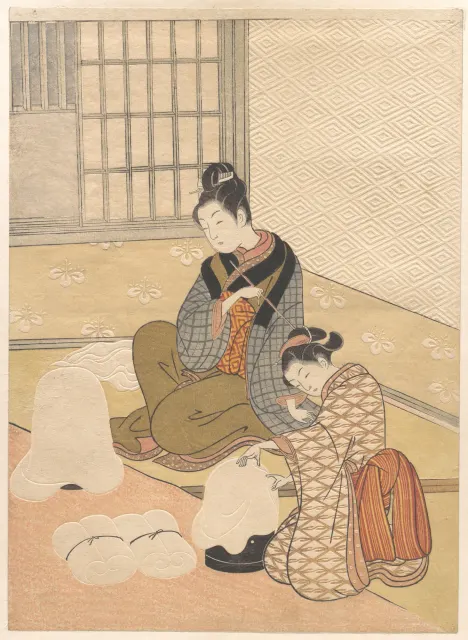
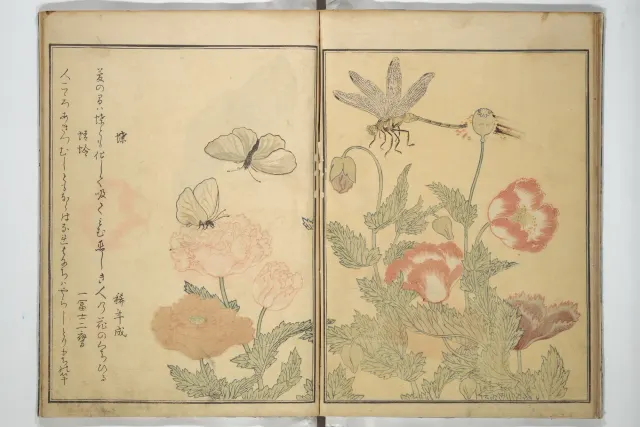
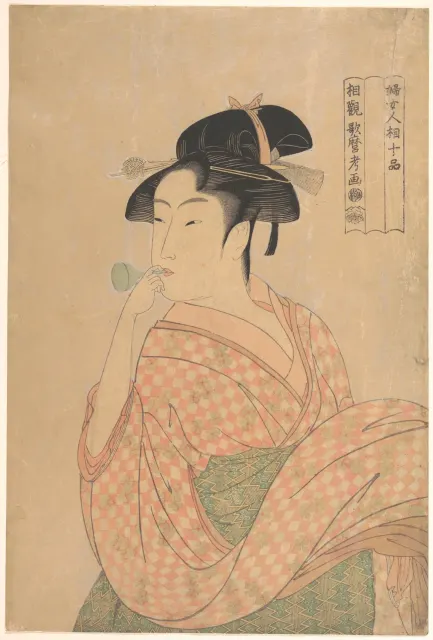
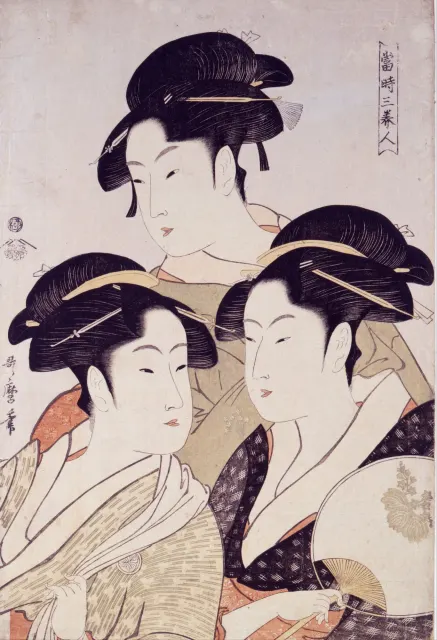
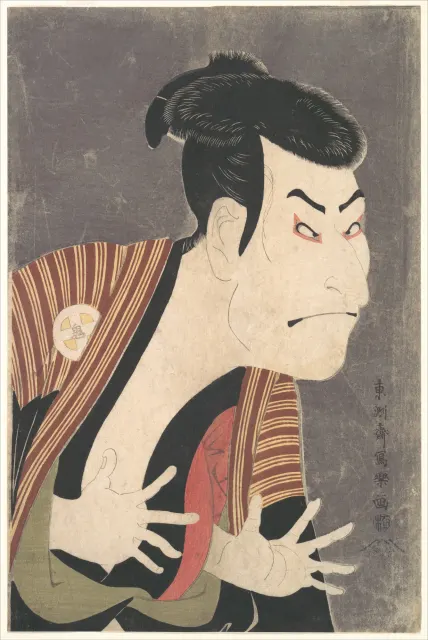
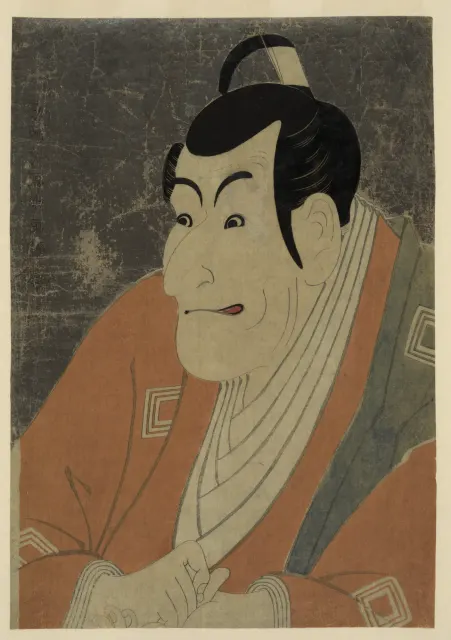
江戸時代の人々にとって、浮世絵は今のポスターやブロマイド、雑誌のグラビア、旅行ガイドのようなものでした。人気の歌舞伎役者、町で評判の美人、名所の風景、こわいおばけ。「浮世」は、もとは「移り変わりやすい、はかない世の中」を表す言葉でしたが、江戸時代には、芝居や遊びなど今を楽しむ「浮かれた世」の意味でも使われるようになりました。浮世絵はまさに、そのときの流行や町の暮らしを伝える絵だったのです。
For people in the Edo period, ukiyo-e prints were like today's posters, star photos, magazine pictures and travel guides. Popular kabuki actors, famous beauties of the town, scenic places and scary ghosts all appeared in them. Originally, 'ukiyo' meant this changing, short-lived world. In the Edo period, it came to mean the 'floating world' of fun and entertainment here and now, like kabuki theater. Ukiyo-e showed the fashions and city life of the time.
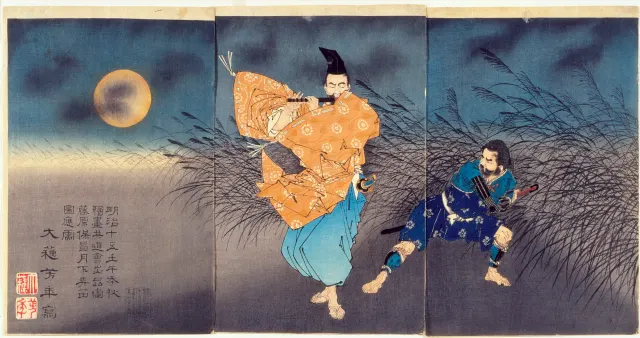
一枚の浮世絵は、絵師、彫師、摺師、そして版元(出版社)のチームでつくられました。値段は、かけそば1杯分ほどだったとも言われます。安くてたくさん刷れたからこそ、町じゅうの人が楽しめました。師宣から北斎・広重、そして芳年まで。200年以上続いた、江戸のポップカルチャーの大行進です!
Each print was made by a team: the designer, the carver, the printer and the publisher. A print is said to have cost about as much as a bowl of noodles. Because they were cheap and could be printed in large numbers, everyone in town could enjoy them. From Moronobu to Hokusai, Hiroshige and Yoshitoshi, here comes a parade of more than 200 years of Edo pop culture!