

 PDF をダウンロード
Ukiyo-e: Edo's Pop Culture Parade!
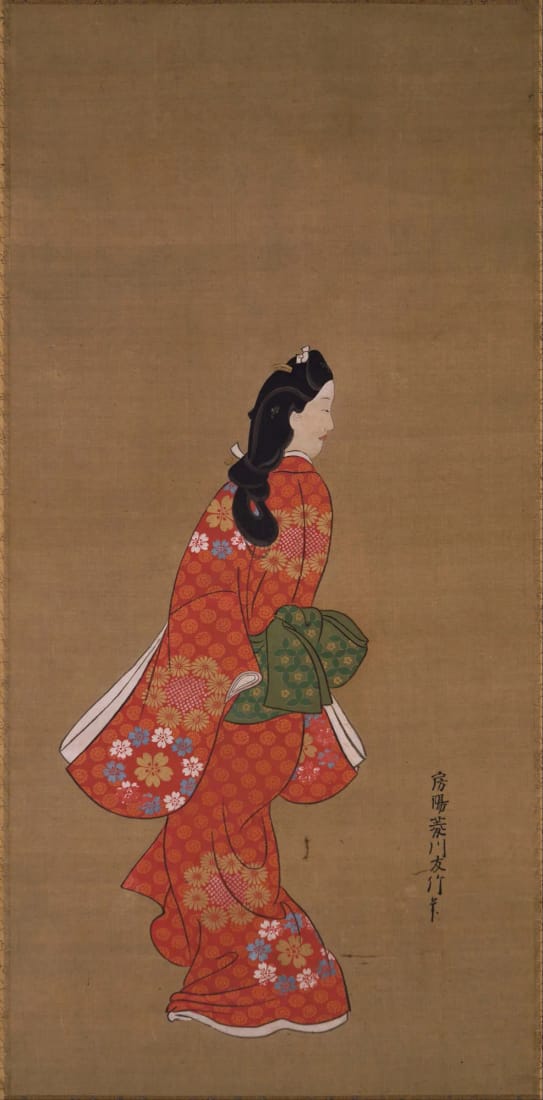
late 17th century
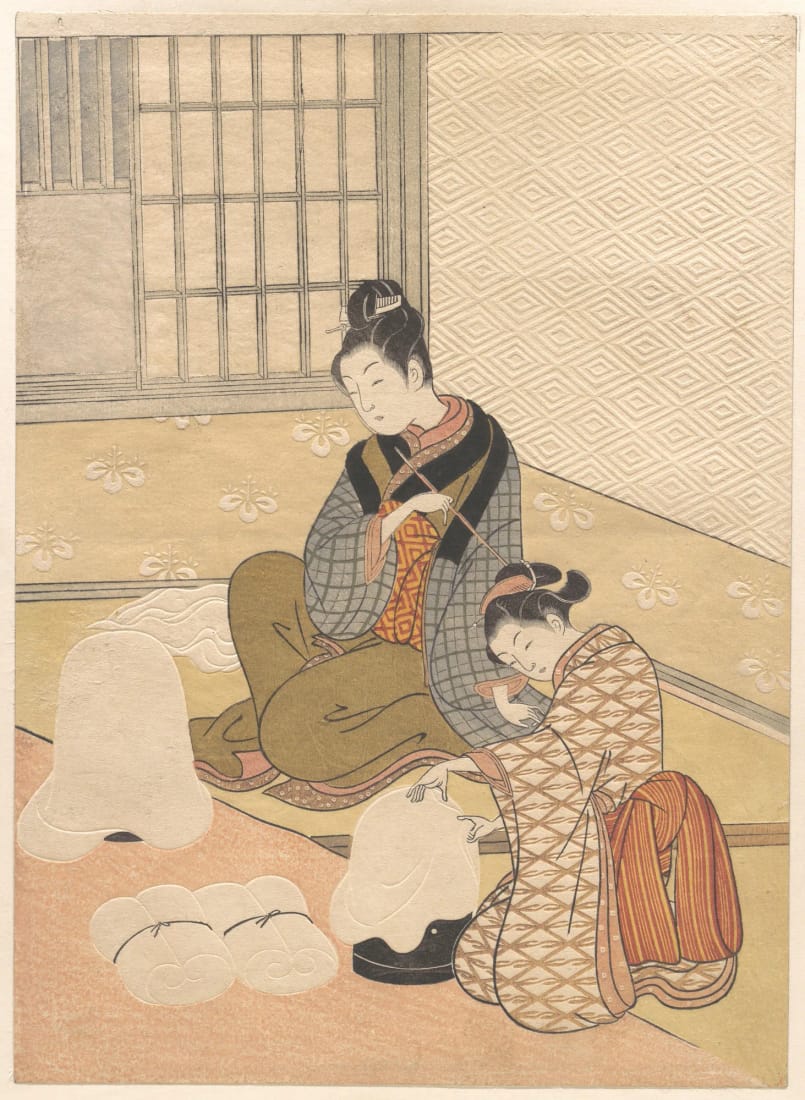
Design c. 1766 (this impression: late 18th century)
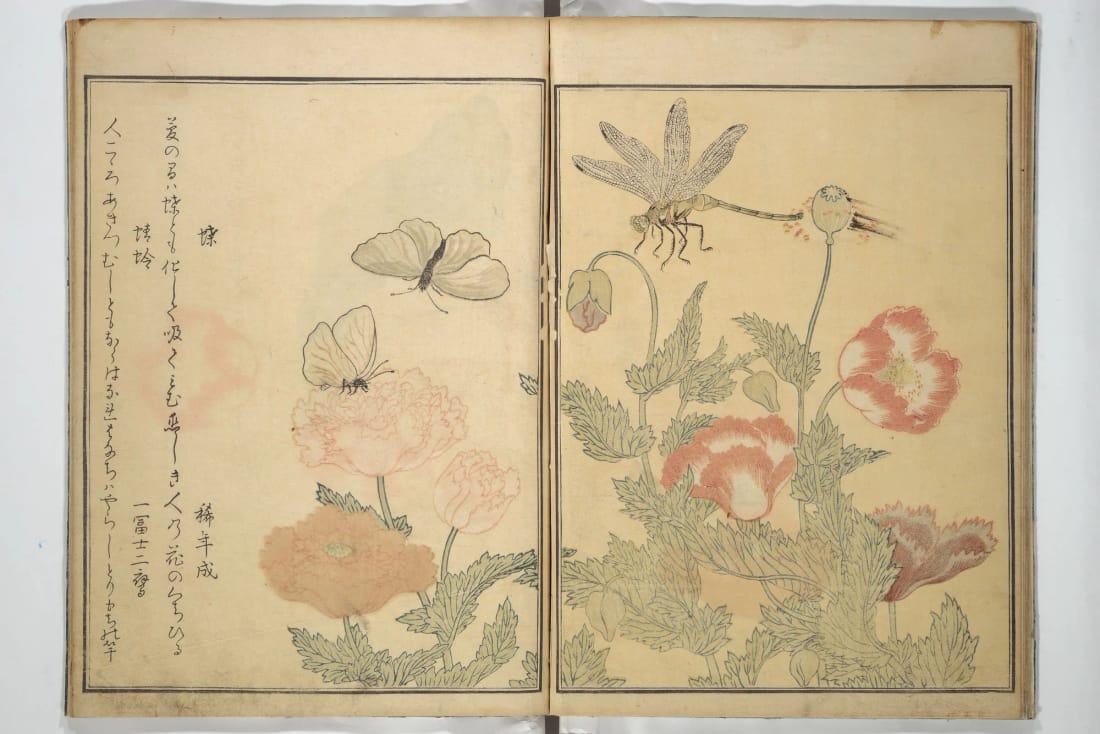
1788
1 Read 英文を読もう。
For people in the Edo period, ukiyo-e prints were like today's posters, star photos, magazine pictures and travel guides. Popular kabuki actors, famous beauties of the town, scenic places and scary ghosts all appeared in them. Originally, 'ukiyo' meant this changing, short-lived world. In the Edo period, it came to mean the 'floating world' of fun and entertainment here and now, like kabuki theater. Ukiyo-e showed the fashions and city life of the time.
2 Words — Match them. 英語と日本語を線で結ぼう。
- woodblock ●
- actor ●
- publisher ●
- popular ●
- cheap ●
- ● 役者・俳優
- ● 安い
- ● 人気のある
- ● 出版社・版元
- ● 版木
Ukiyo-e: Edo's Pop Culture Parade!
3 Quiz
In the Edo period, what did 'ukiyo' refer to?
- An island in the sky
- The 'floating world' of fun and entertainment
- The bottom of the sea
- Ancient myths
4 Quiz
Who carved the woodblocks for ukiyo-e?
- The designer
- The printer
- The publisher
- The carver
5 Quiz
Which artist helped create full-color nishiki-e?
- Sesshū
- Itō Jakuchū
- Yokoyama Taikan
- Suzuki Harunobu
★ Choose one painting (A, B or C) and describe it. 1つ選んで英語で説明しよう。
There is … / In the foreground … / I can see … / I like … because …
Answers & Notes
1 Read(訳)
江戸時代の人々にとって、浮世絵は今のポスターやブロマイド、雑誌のグラビア、旅行ガイドのようなものでした。人気の歌舞伎役者、町で評判の美人、名所の風景、こわいおばけ。「浮世」は、もとは「移り変わりやすい、はかない世の中」を表す言葉でしたが、江戸時代には、芝居や遊びなど今を楽しむ「浮かれた世」の意味でも使われるようになりました。浮世絵はまさに、そのときの流行や町の暮らしを伝える絵だったのです。
2 Words
1–e(woodblock=版木) 2–a(actor=役者・俳優) 3–d(publisher=出版社・版元) 4–c(popular=人気のある) 5–b(cheap=安い)
3 Quiz
B 問:江戸時代の「浮世」は、どんな世界を表した?
選択肢:A 空に浮かぶ島/B 今を楽しむ「浮かれた世」/C 海の底/D 昔の神話
解説:「浮世」は、芝居や遊びなど今を楽しむ「浮かれた世」を表し、浮世絵はそのころの流行や町の暮らしを描きました。
4 Quiz
D 問:浮世絵の版木を彫る職人は?
選択肢:A 絵師/B 摺師/C 版元/D 彫師
解説:彫師が、色ごとの版木を細かく彫りました。
5 Quiz
D 問:フルカラーの「錦絵」を広めた絵師は?
選択肢:A 雪舟/B 伊藤若冲/C 横山大観/D 鈴木春信
解説:1765年ごろ、鈴木春信らが多色刷りの錦絵を生み出しました。
★ 絵の題名
A:見返り美人図(菱川師宣) B:坐鋪八景 塗桶の暮雪(鈴木春信) C:画本虫撰(蝶と蜻蛉)(喜多川歌麿)
