


 この展示室のワークシート
1880年代、印象派から出発しながら「光をうつすだけでは足りない」と考えた画家たちが、それぞれの道を歩き始めました。グループを作ったわけではありませんが、1910年、イギリスの批評家ロジャー・フライが展覧会を開くときに、彼らをまとめて「ポスト印象派(印象派のあと)」とよびました。
In the 1880s, some painters who began with Impressionism felt that capturing light was not enough, and each went his own way. They never formed a group. In 1910, the British critic Roger Fry put them together in an exhibition and called them the 'Post-Impressionists', meaning 'after the Impressionists'.
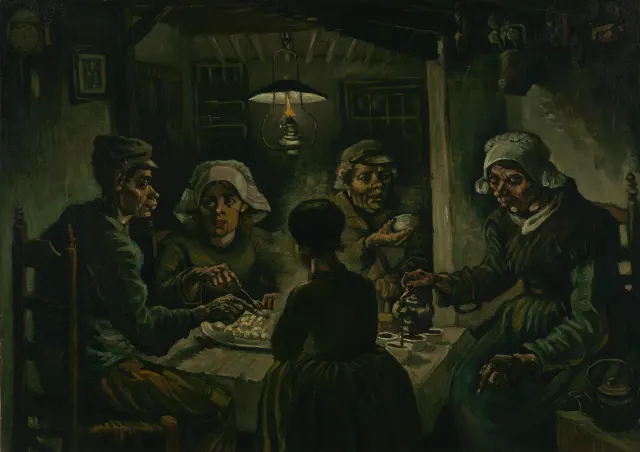
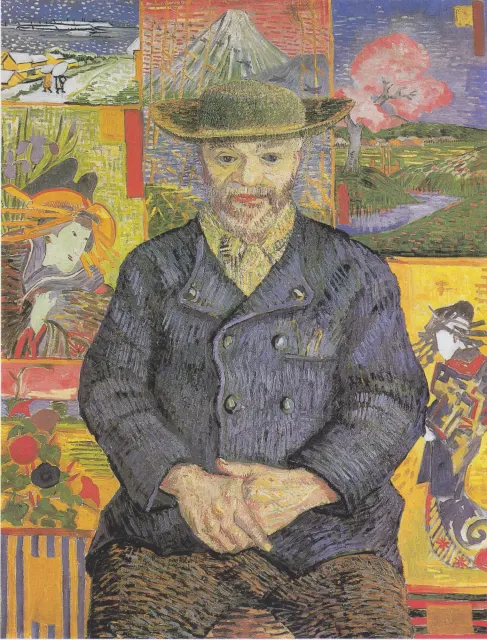
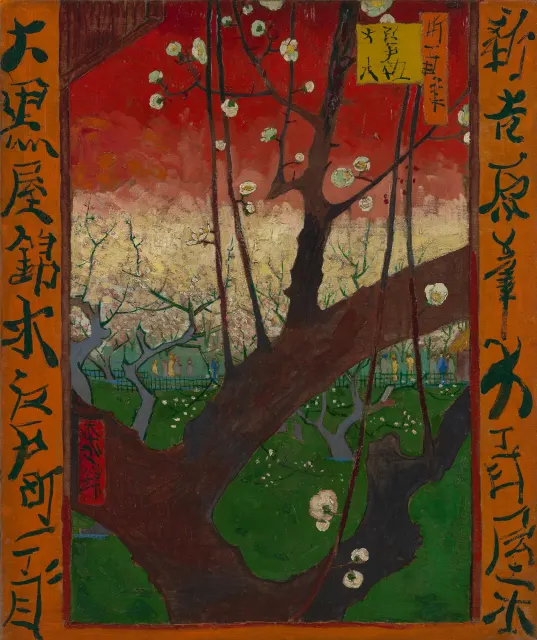
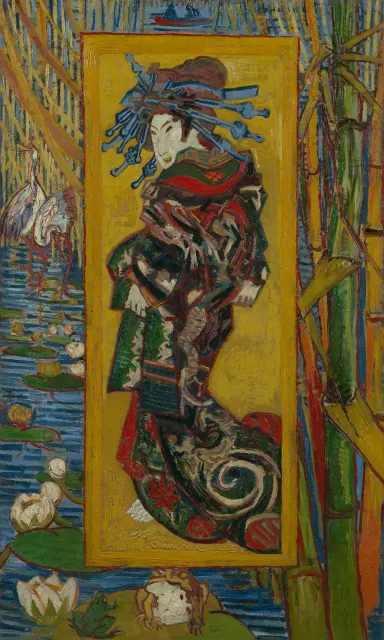
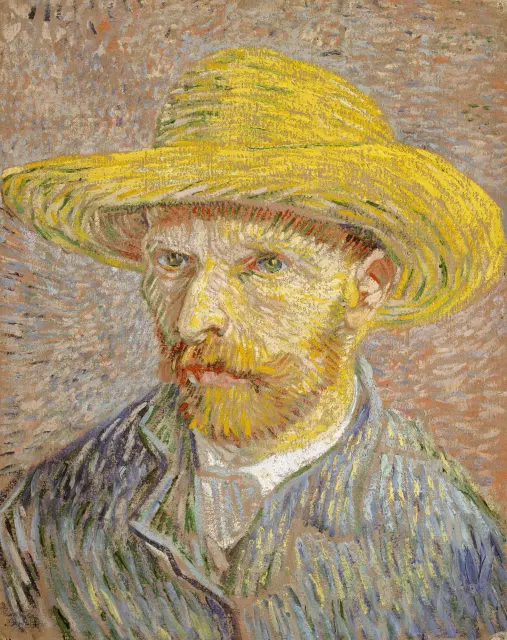
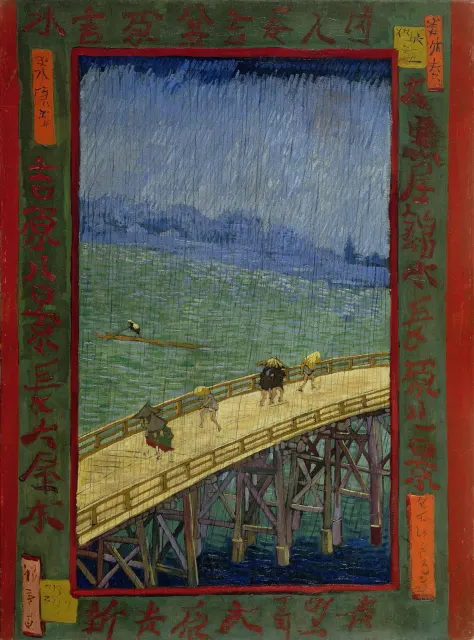
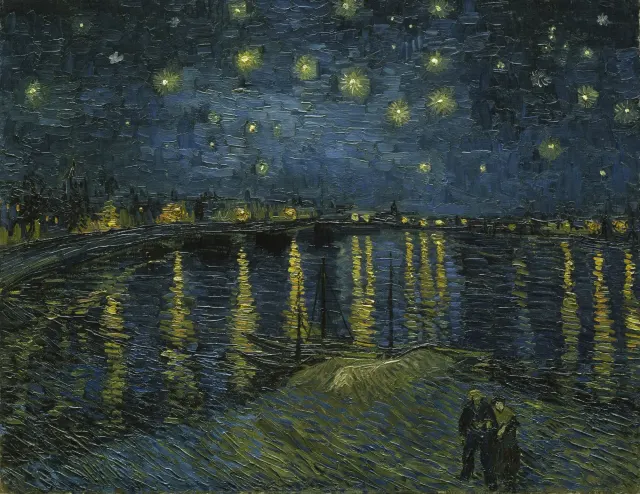
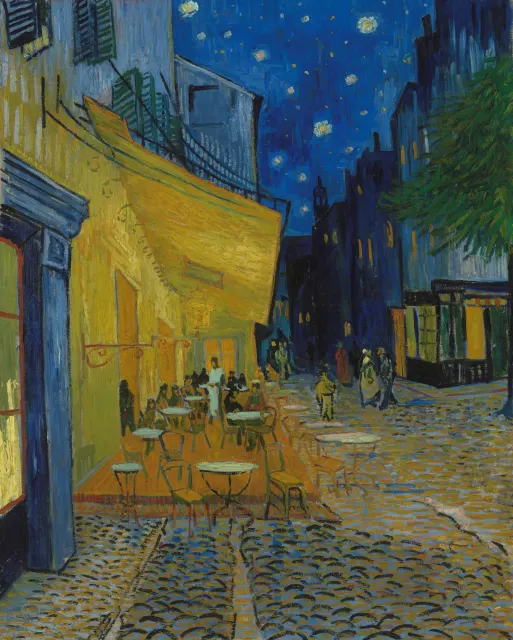
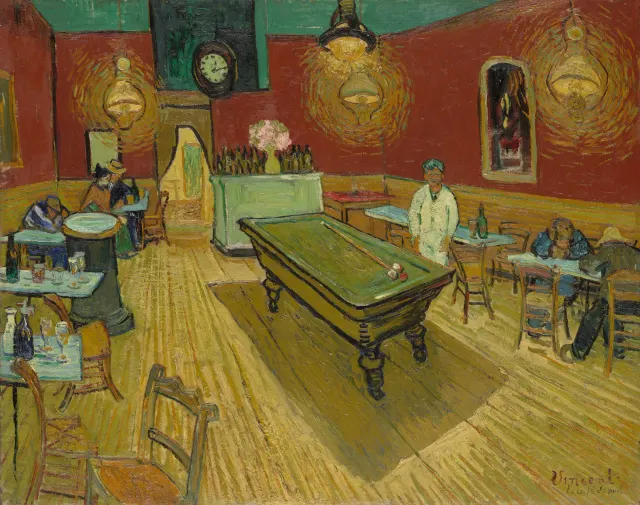
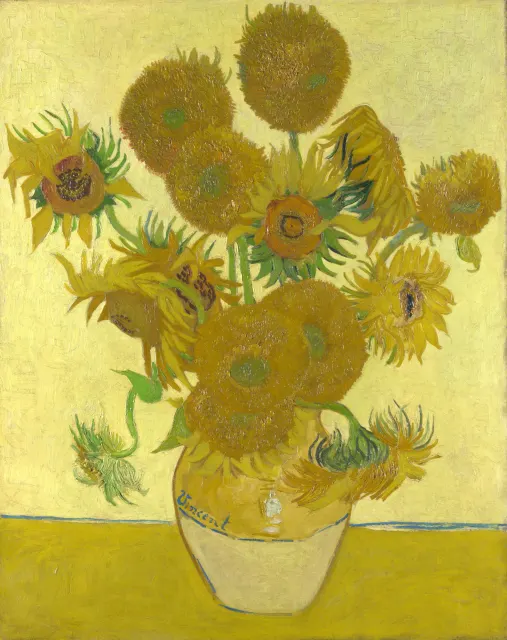
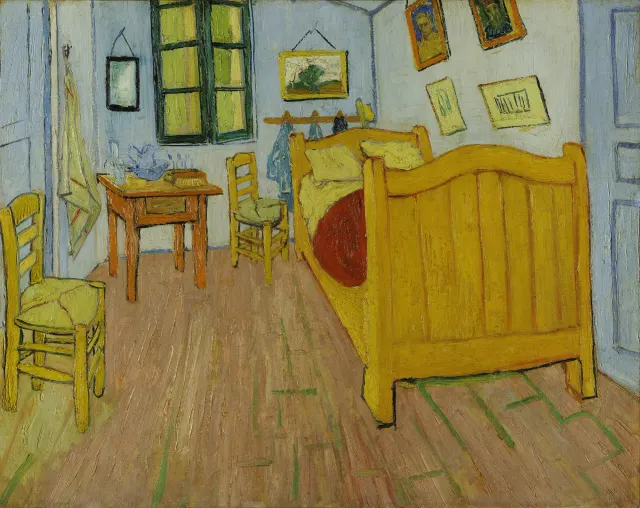
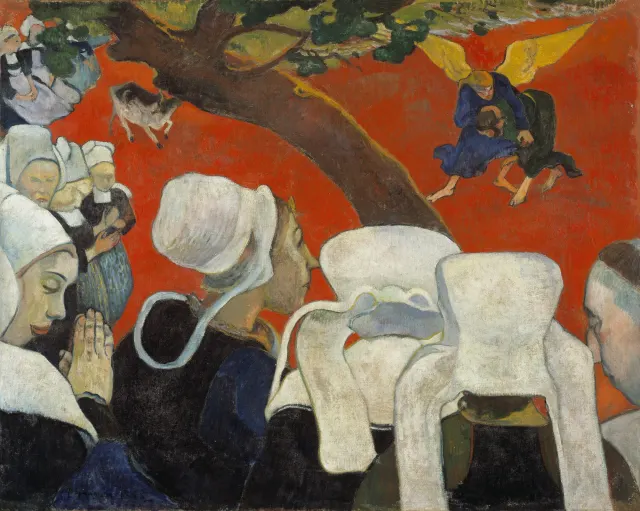
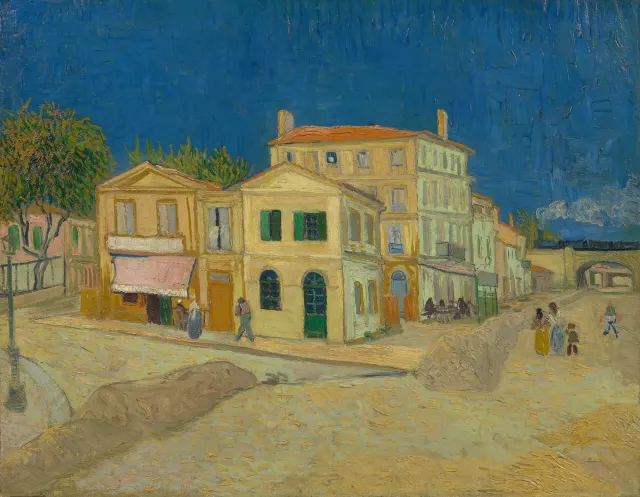
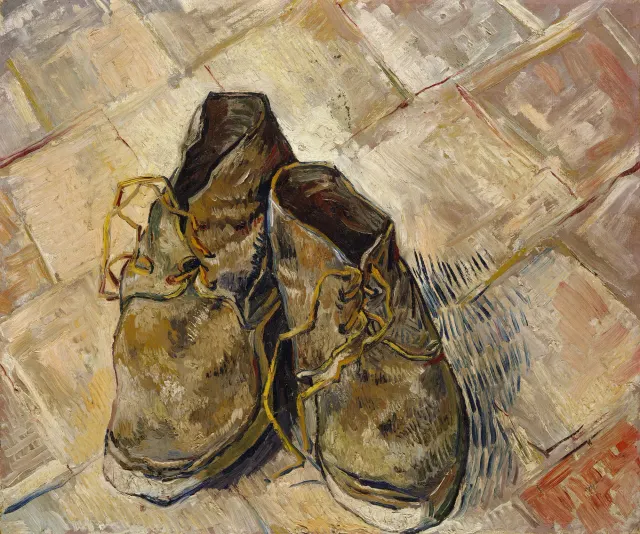
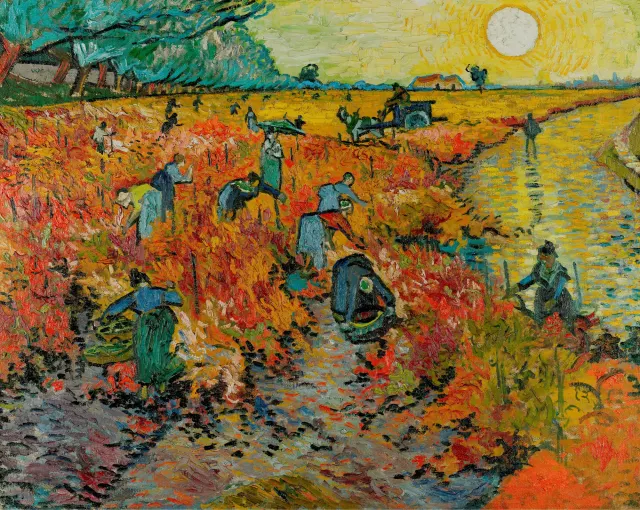
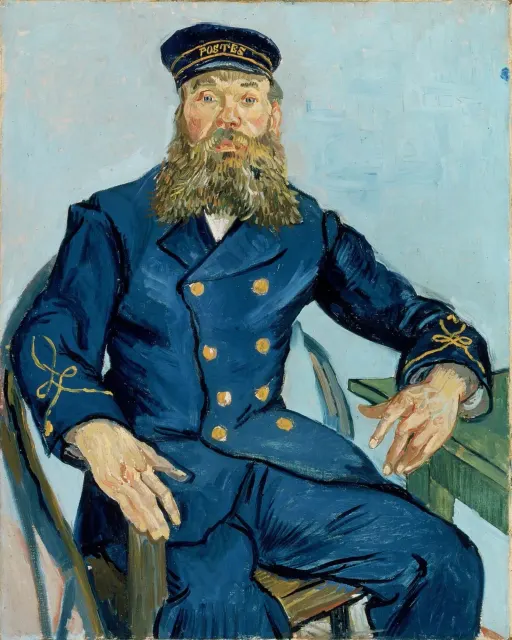
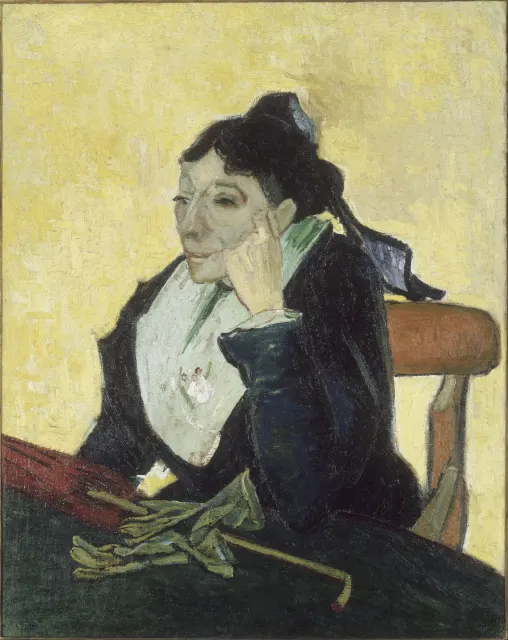
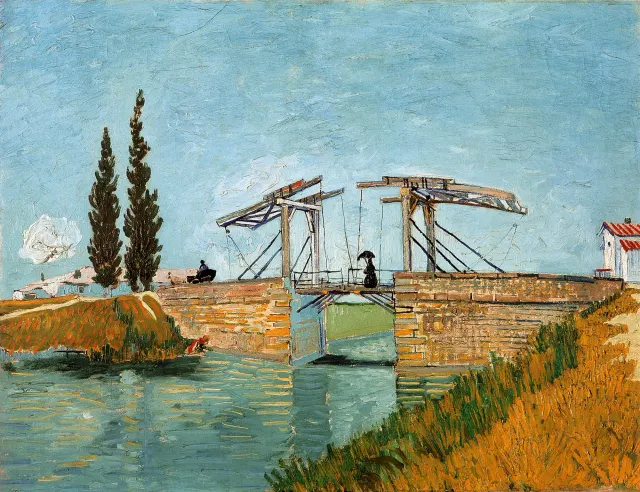
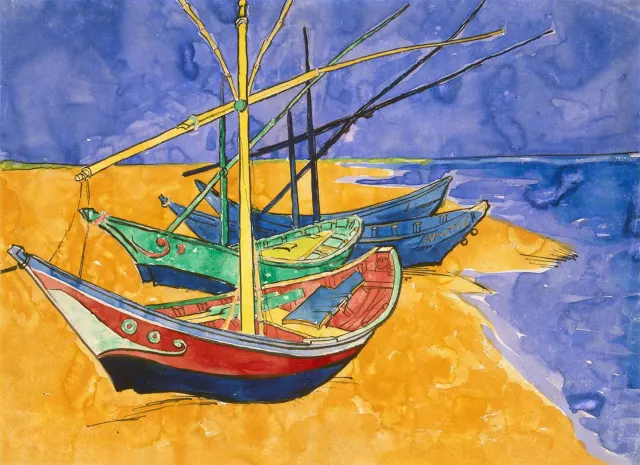
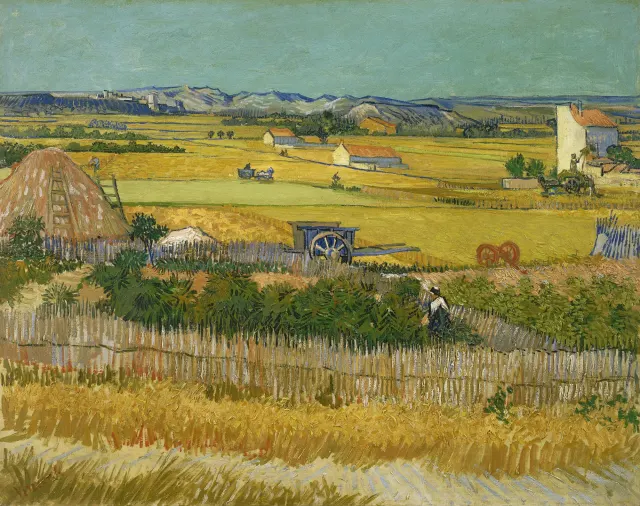
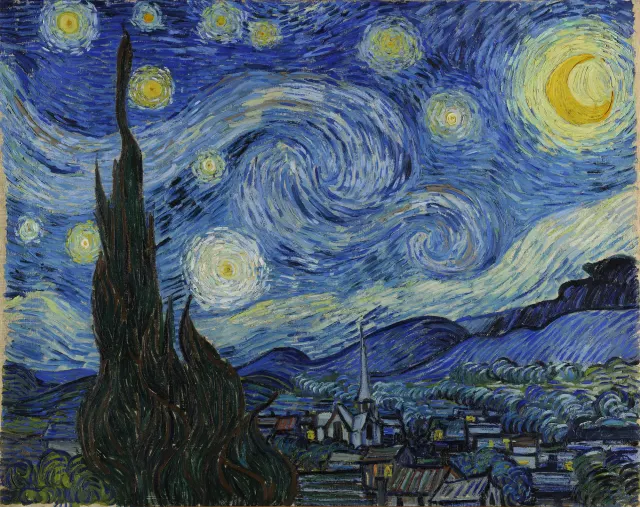
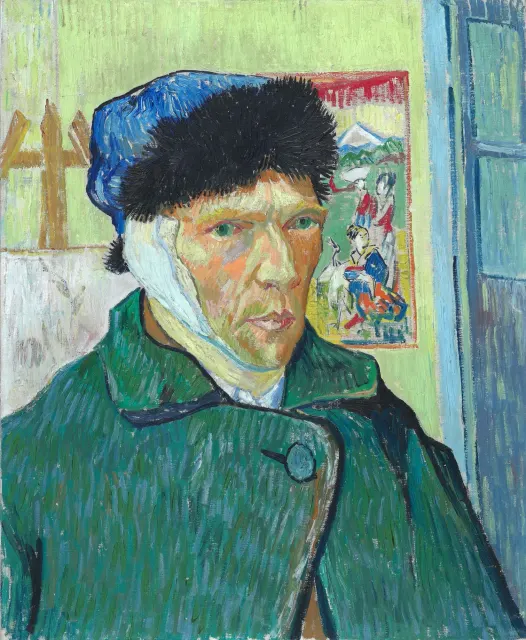
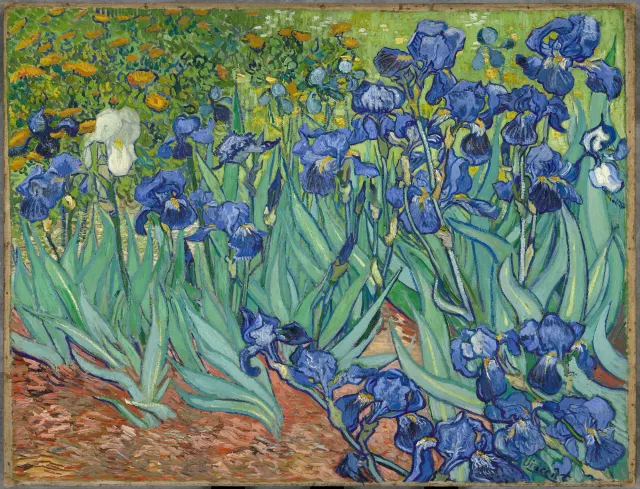
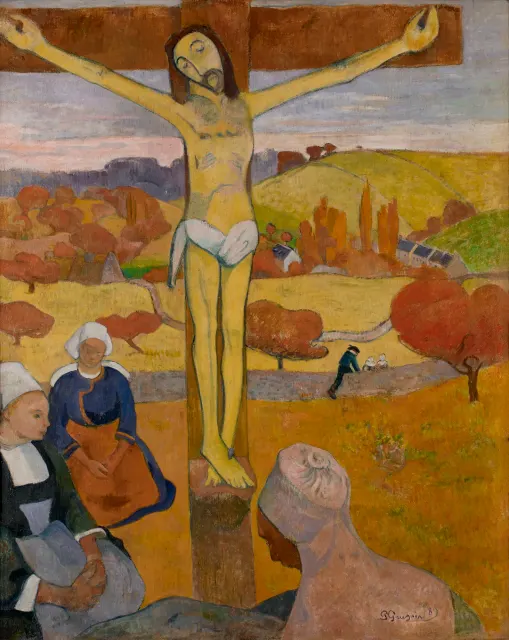
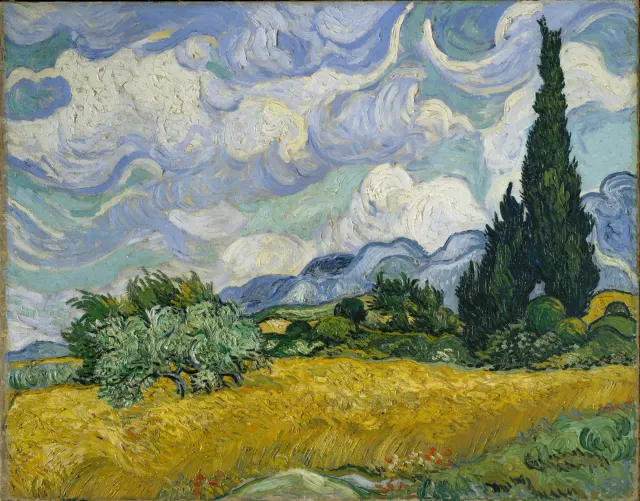
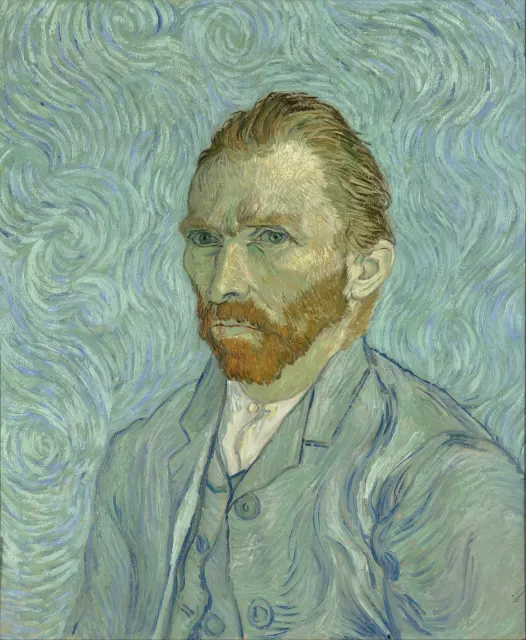
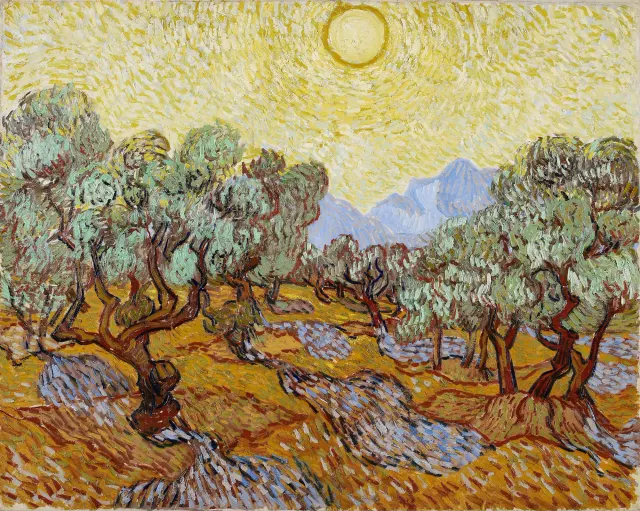
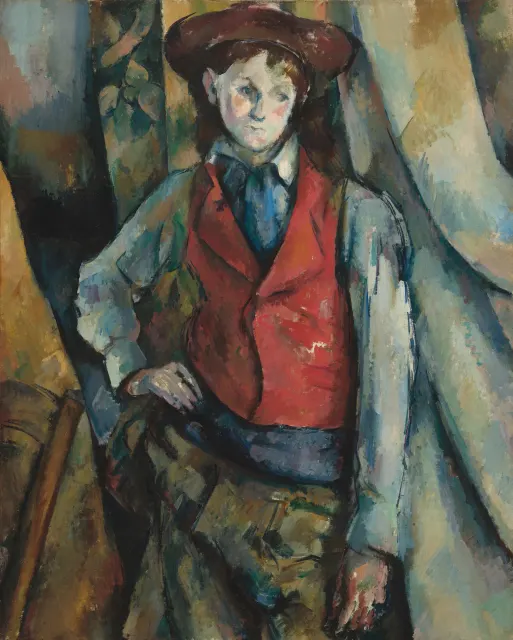
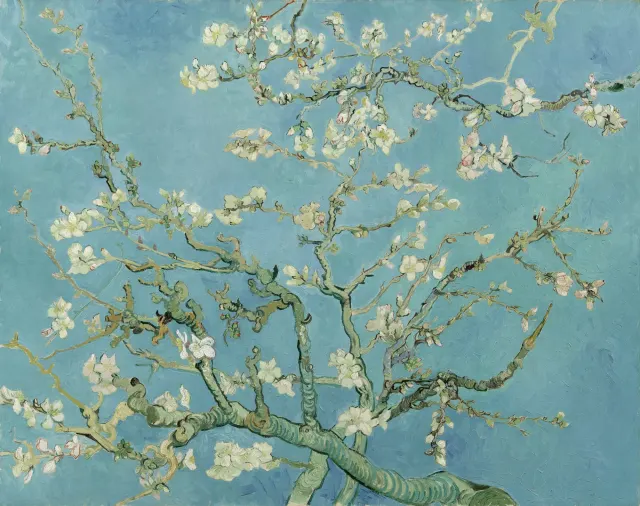
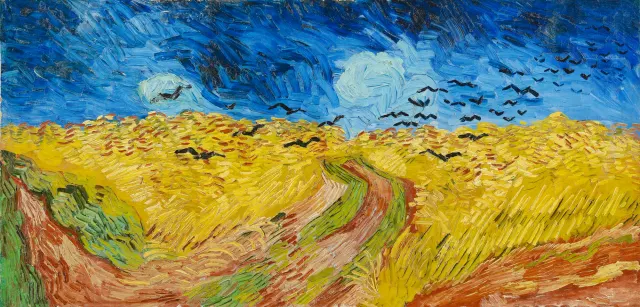
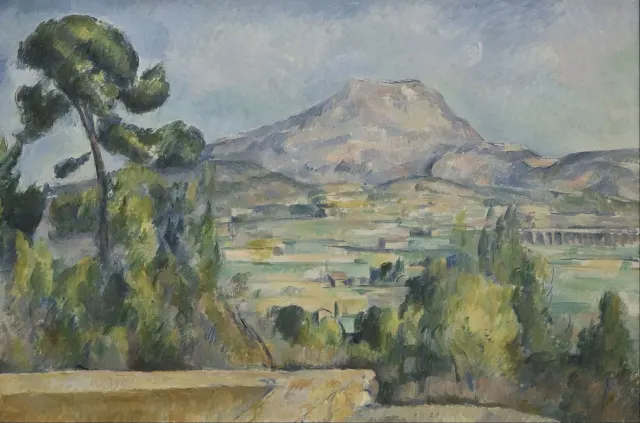
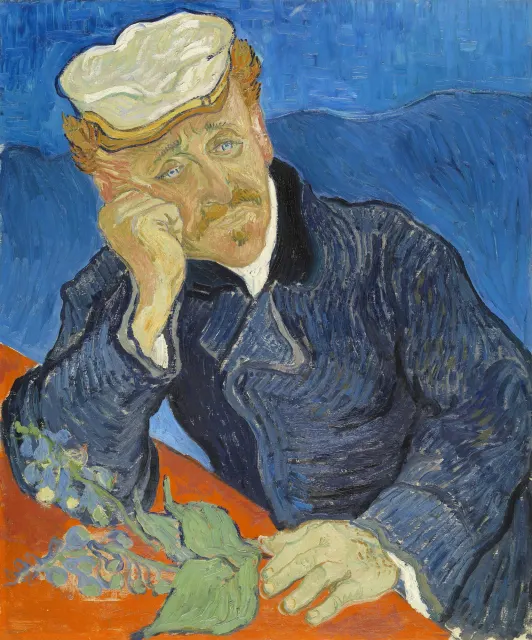
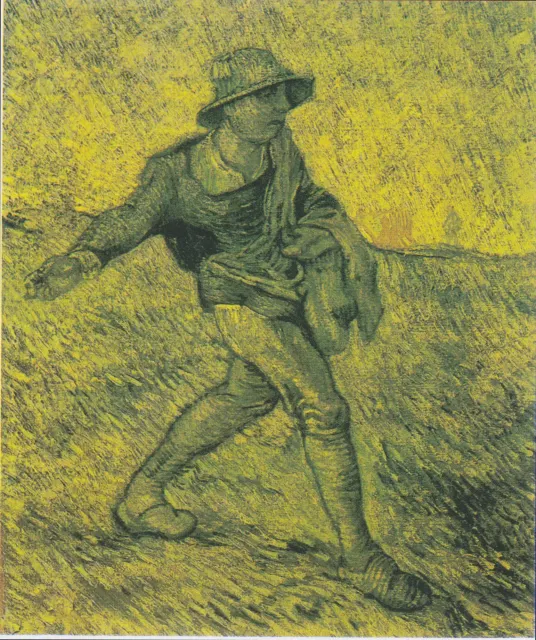
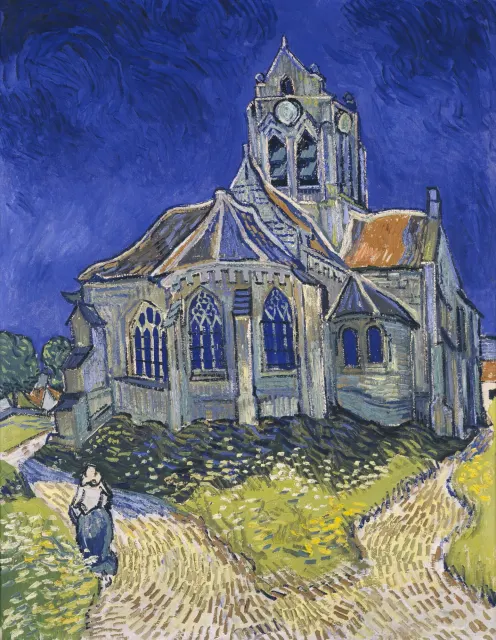
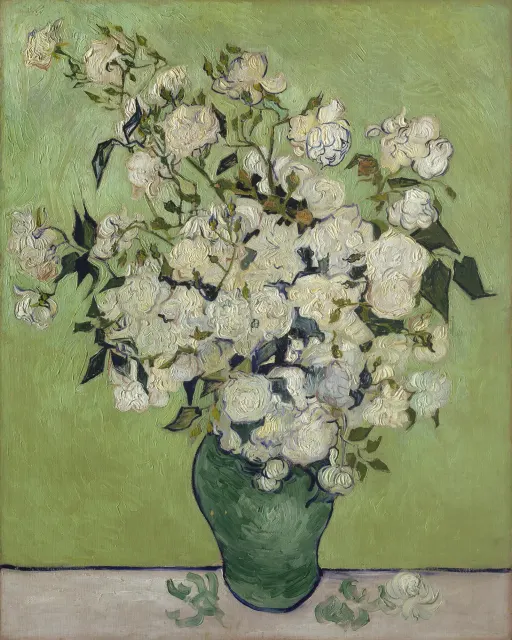
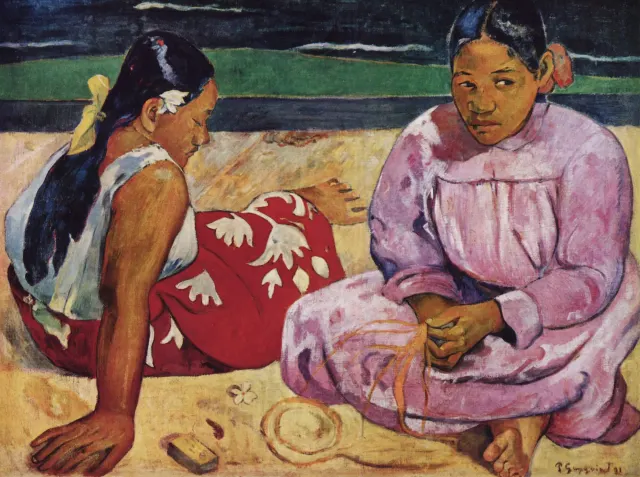
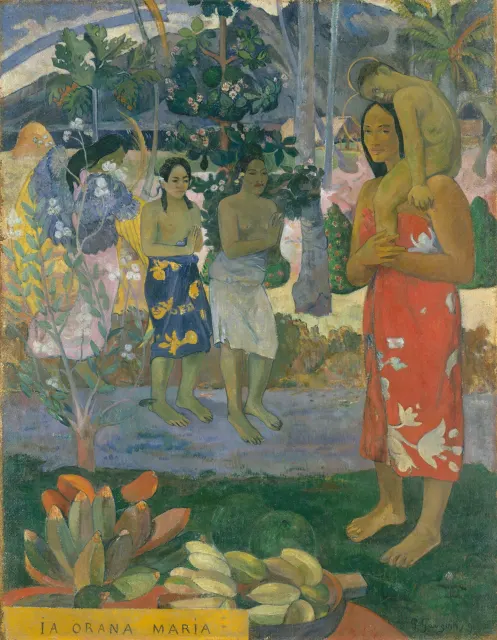
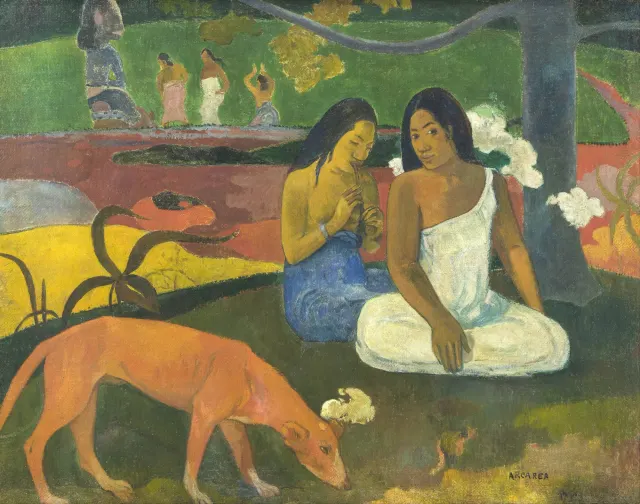
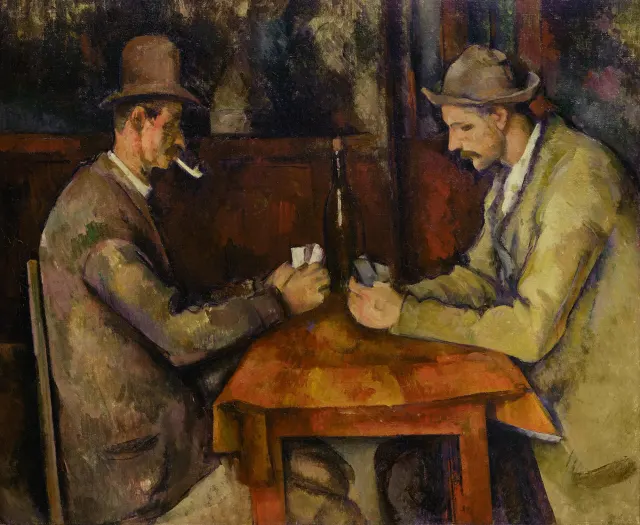
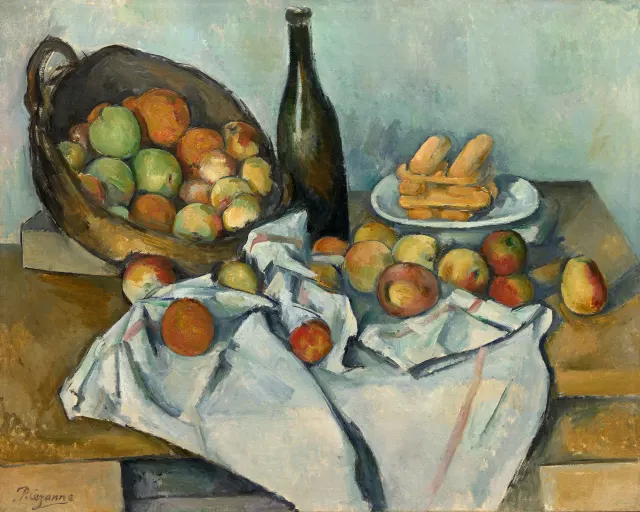
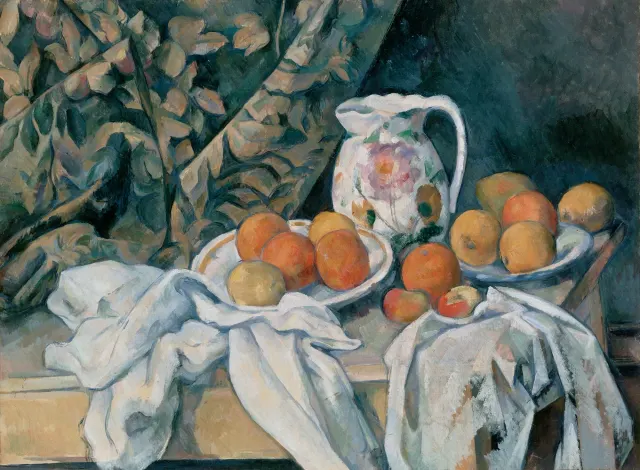
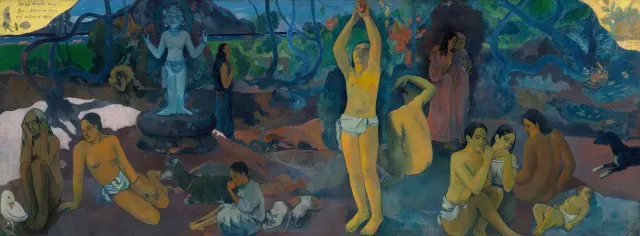
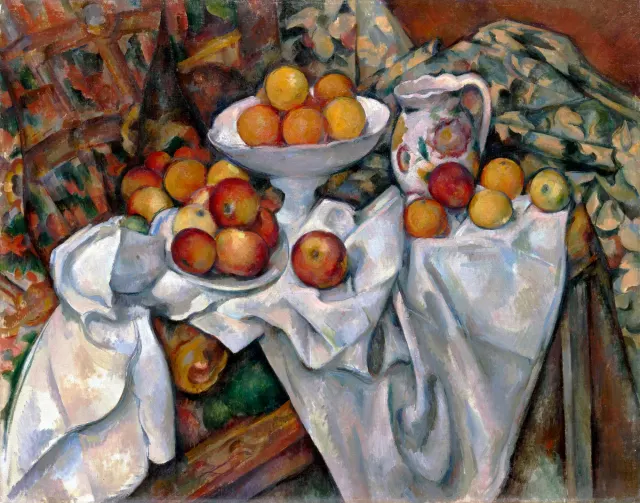
セザンヌは、自然を円筒・球・円錐のような形でとらえ、どっしりとした構造のある絵を目指しました。ゴッホは、うねる筆づかいと燃えるような色で、自分の心の動きを表しました。ゴーギャンは、当時フランスの植民地だった南の島タヒチへ渡り、平らな色面と自由な色で、自分が思い描いた「楽園」を描きました。
Cézanne saw nature in terms of shapes like cylinders, spheres and cones, and aimed for paintings with a solid structure. Van Gogh expressed his feelings with swirling brushstrokes and burning colors. Gauguin went to Tahiti, then a French colony, and used flat areas of bold color to paint his own dream of a 'paradise'.
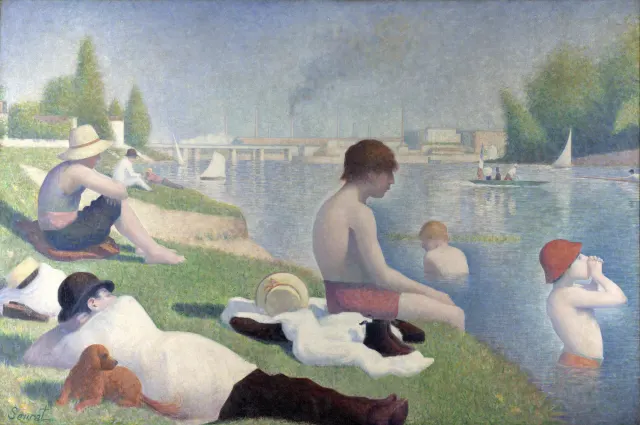
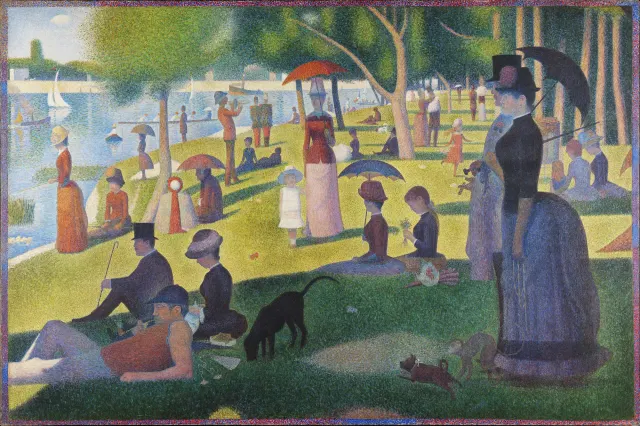
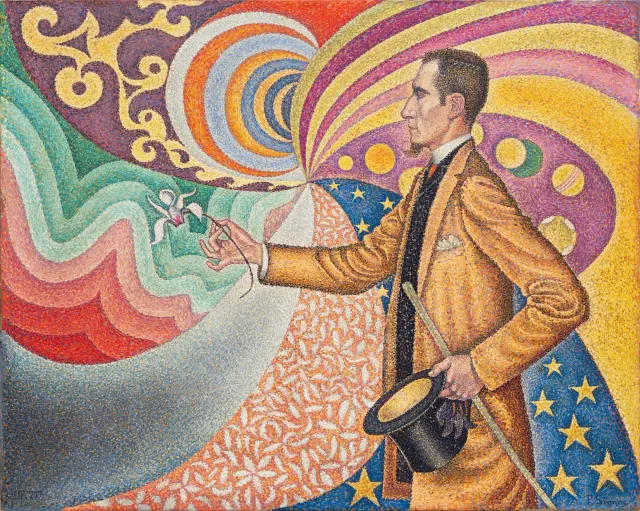
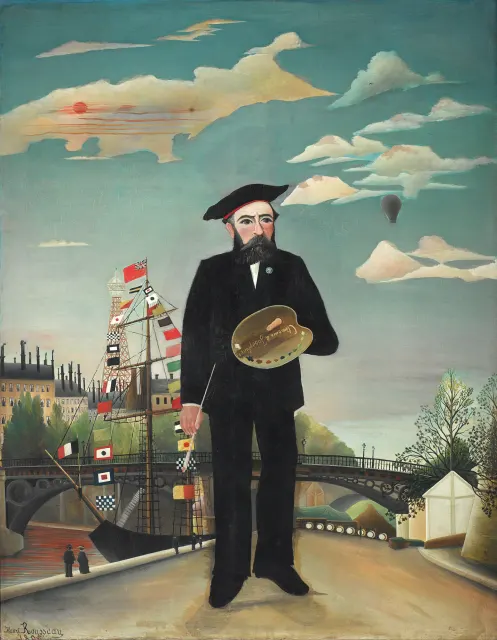
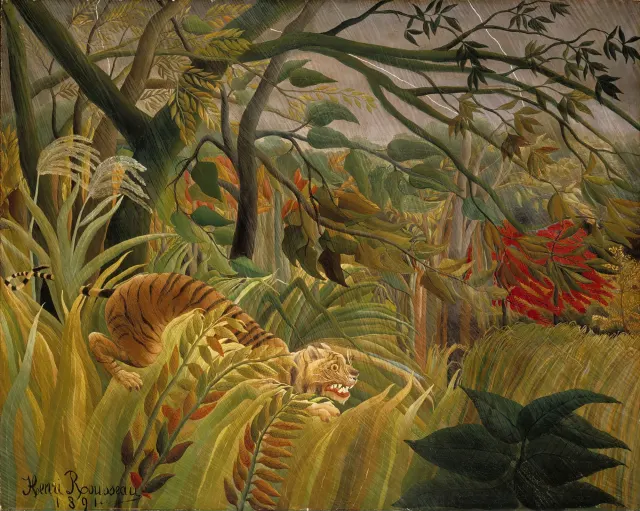
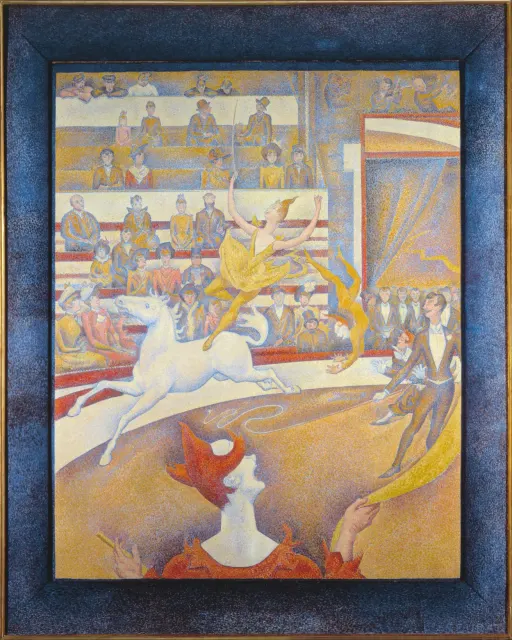
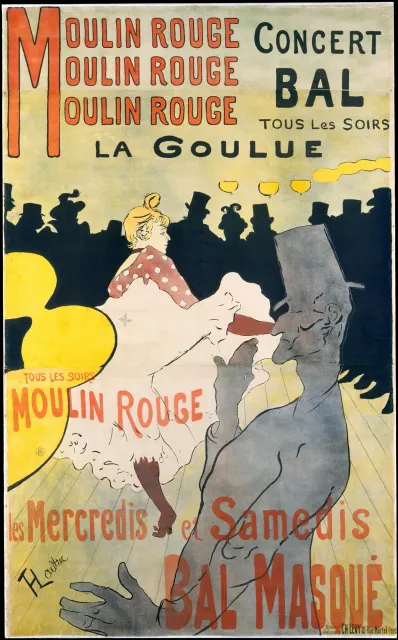
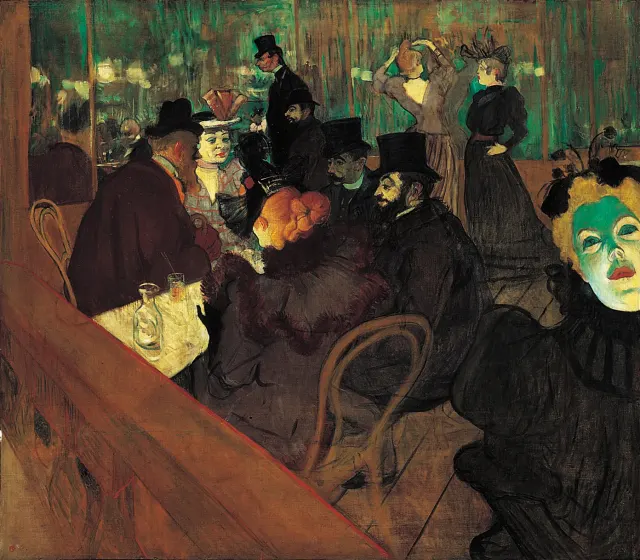
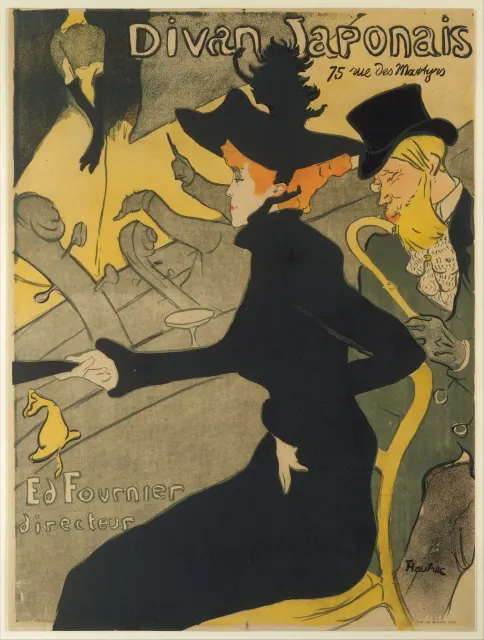
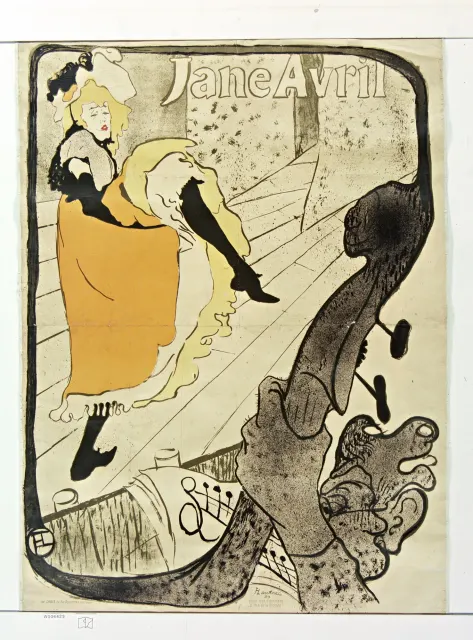
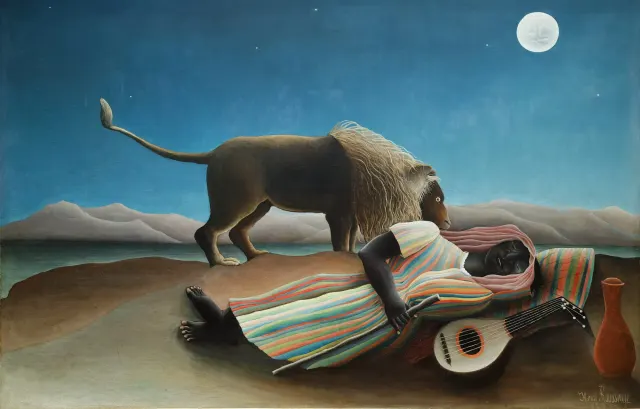
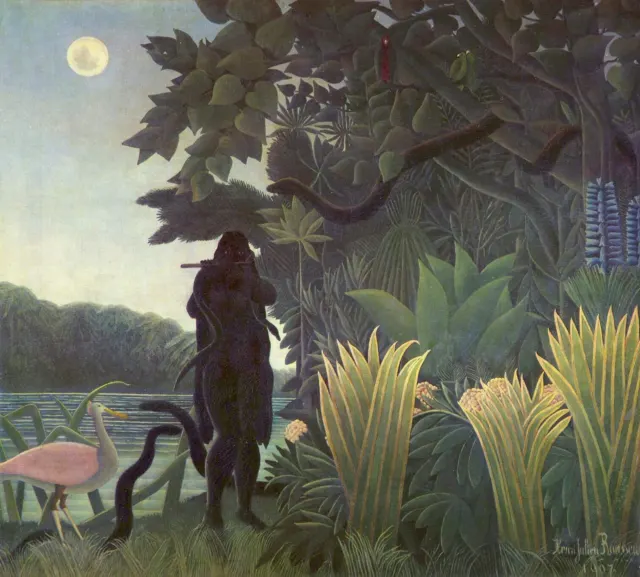
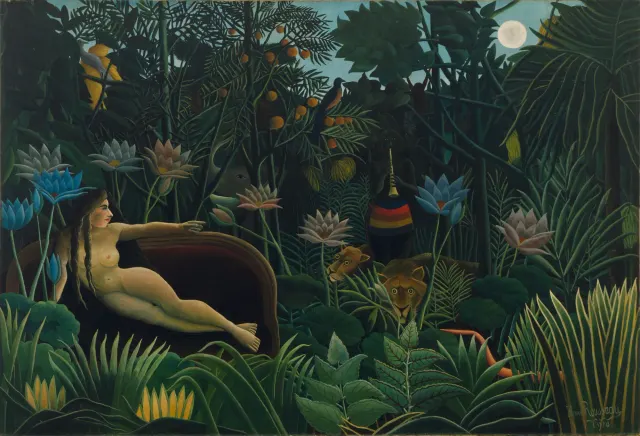
スーラは小さな色の点を並べる「点描」を考え出し、シニャックとともに「新印象派」とよばれました。ロートレックはパリの夜のキャバレーをポスターに描き、ゴーギャンに学んだ若者たちは「ナビ派」を名のりました。パリ市の入市税関(町に入る品物に税をかける役所)で働きながら独学で絵を始めたルソーは、見たこともないジャングルを描き、のちに「素朴派」とよばれます。
Seurat invented pointillism, building pictures from tiny dots of color, and with Signac he was called a Neo-Impressionist. Toulouse-Lautrec made posters of Paris cabarets at night, and young artists inspired by Gauguin called themselves the Nabis. Henri Rousseau, a self-taught painter who worked at a Paris city toll office, painted jungles he had never seen and was later called a 'naïve' painter.
