


 この展示室のワークシート
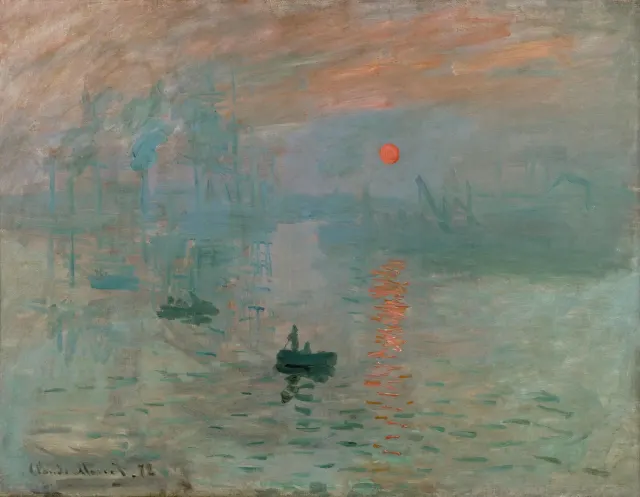
1874年、パリで若い画家たちが、国の展覧会「サロン」とは別に、自分たちだけの展覧会を開きました。出品されたモネの『印象・日の出』を見たある批評家は、「描きかけの壁紙のほうがまだ仕上がっている」とからかう記事を書き、彼らを「印象派」とよびました。この悪口が、そのまま流派の名前になったのです。
In 1874, a group of young painters in Paris held their own exhibition, separate from the official Salon. One critic saw Monet's Impression, Sunrise and mocked it, writing that even unfinished wallpaper looked more complete. He called the group 'Impressionists'. The insult became the name of the movement.
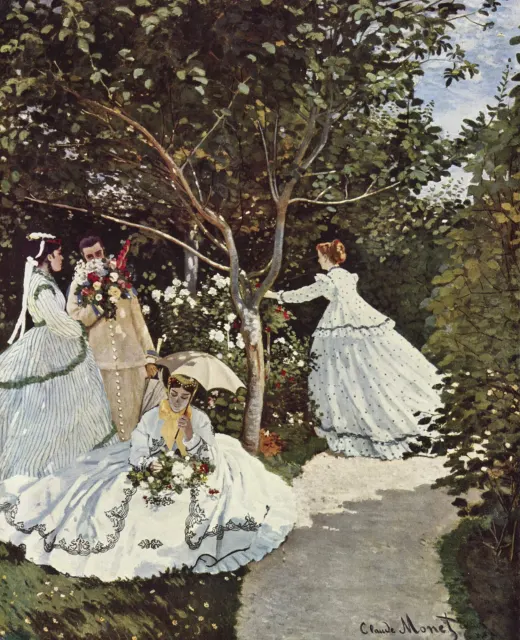
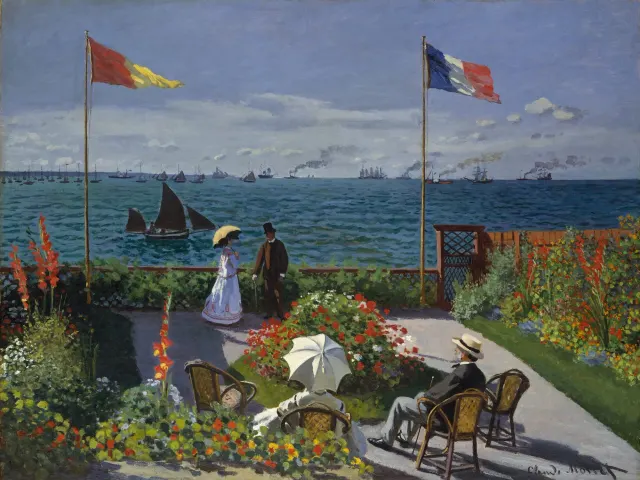
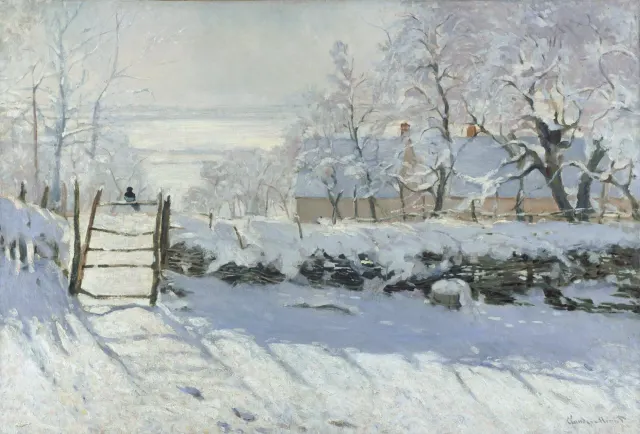
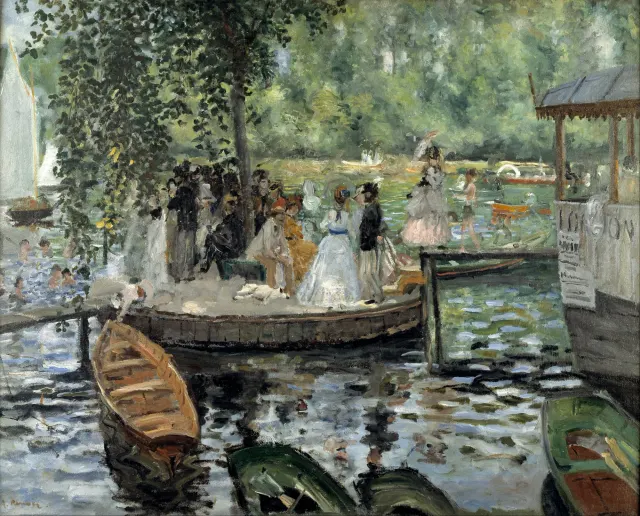
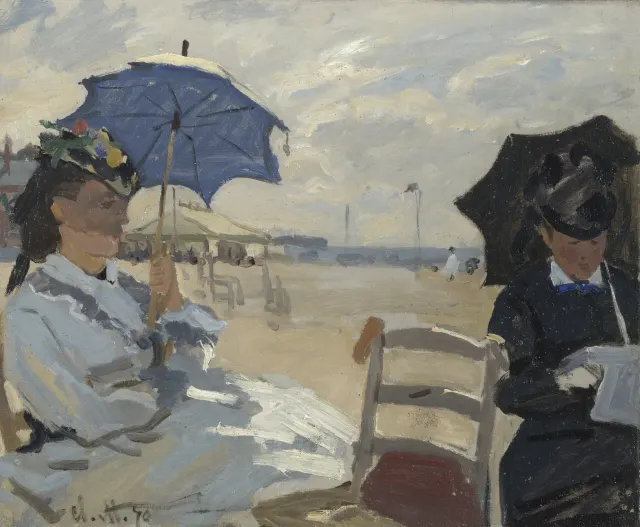
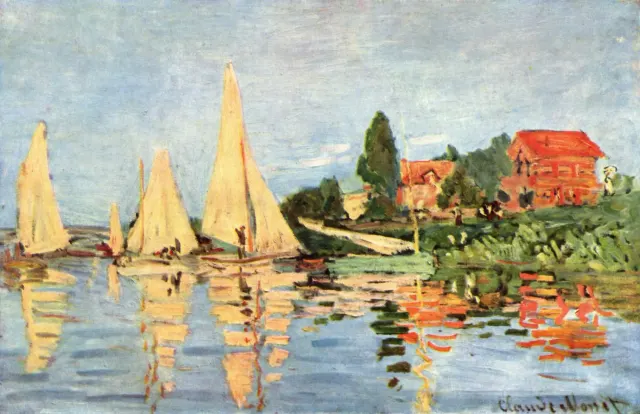
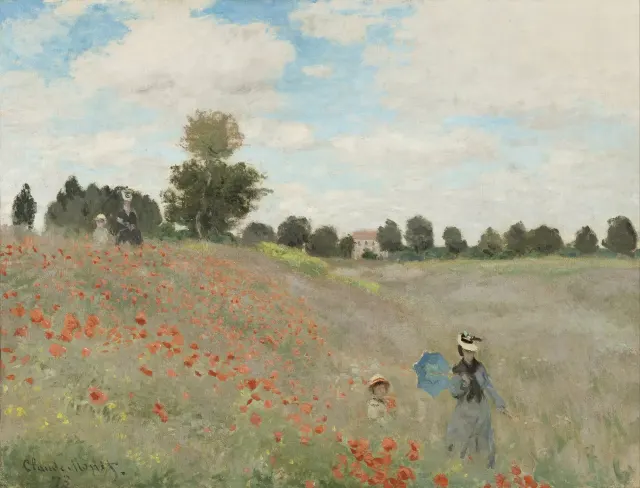
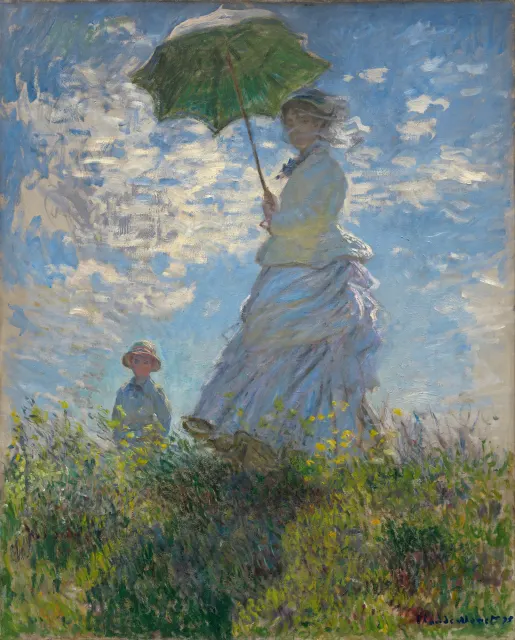
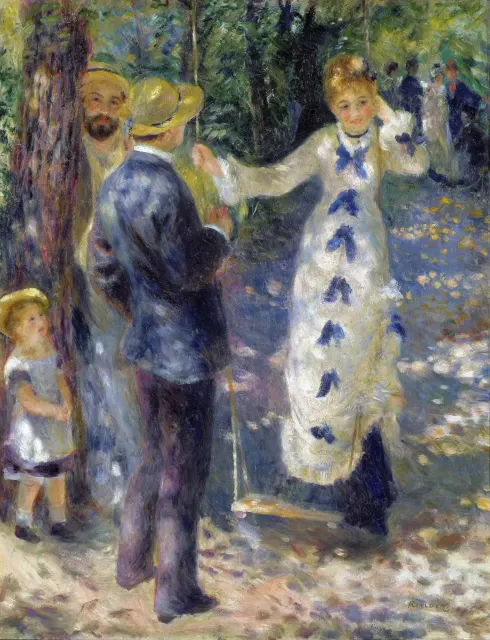
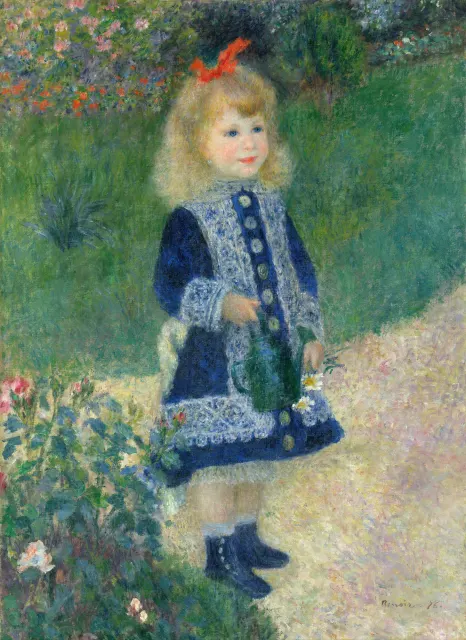
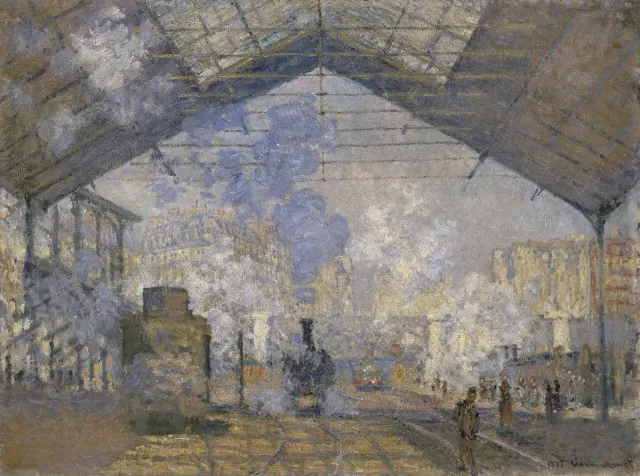
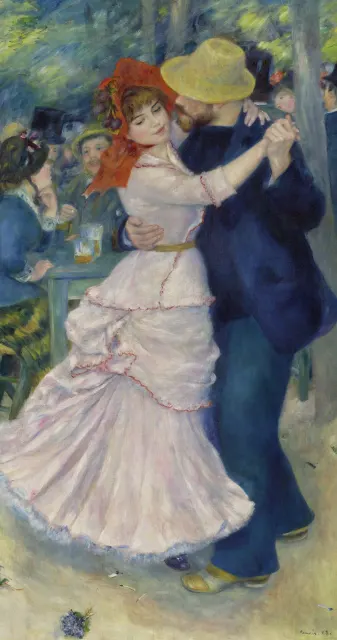
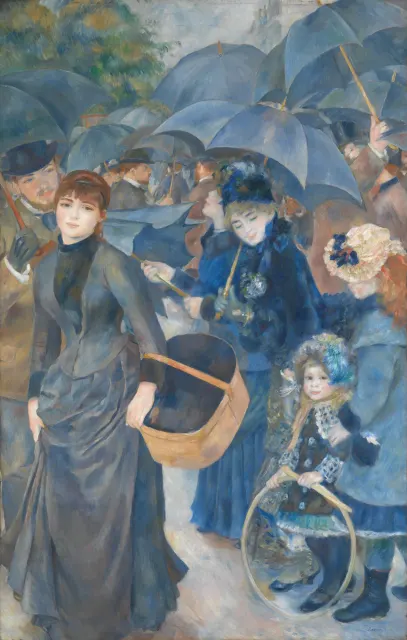
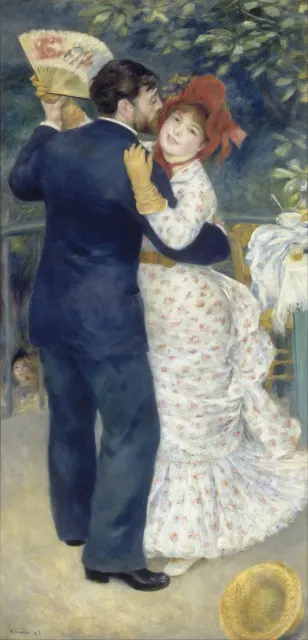
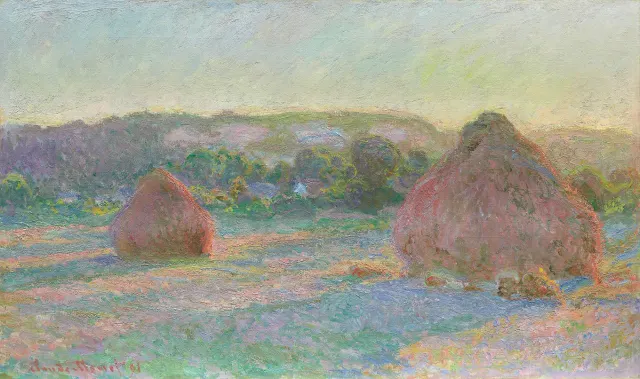
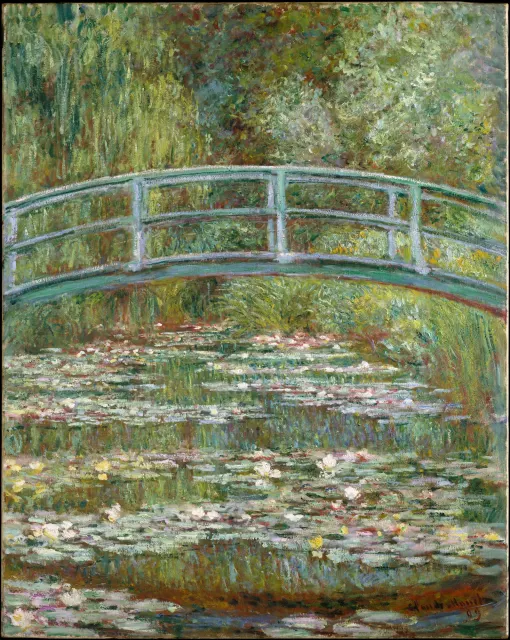
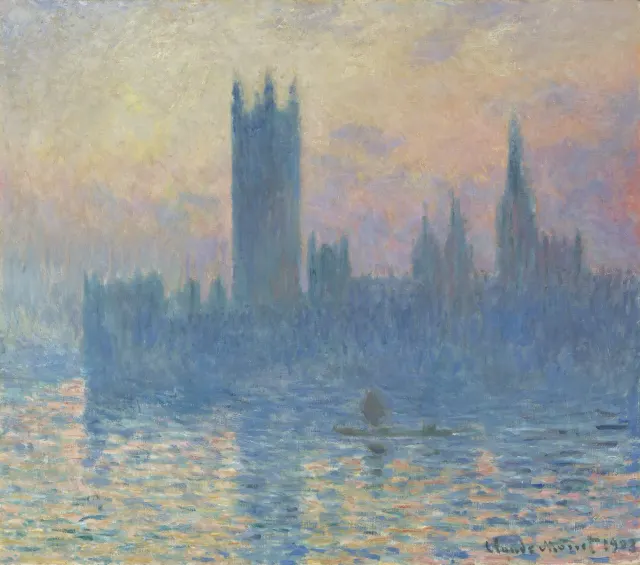
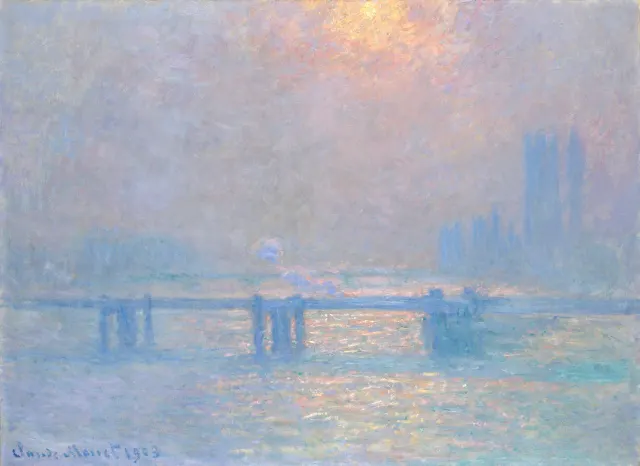
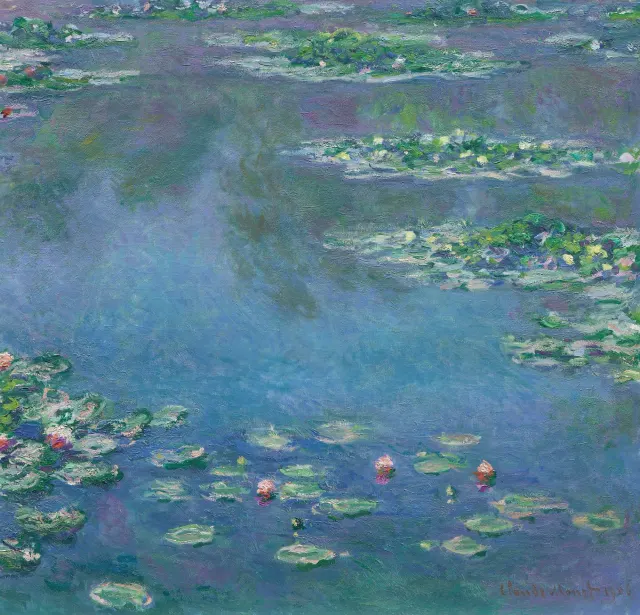
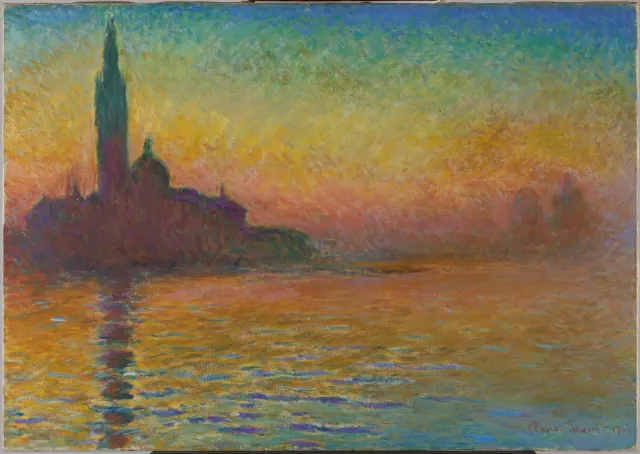
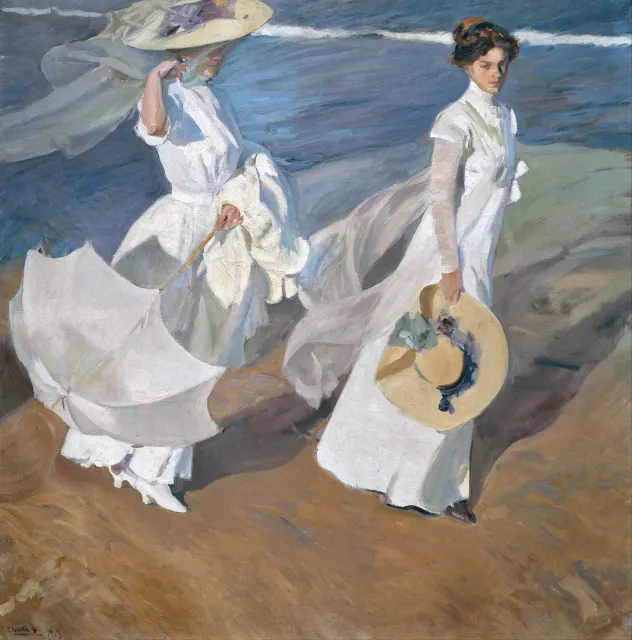
印象派の画家たちは、アトリエを出て外の光の中で描きました。チューブ入りの絵の具が広まって、持ち運びが楽になったことも追い風でした。うつろう光をすばやくとらえるため、色をあまり混ぜずに小さな筆のタッチを並べ、影にも黒ではなく青や紫を使いました。近くではバラバラの色が、離れると明るくかがやいて見えます。
The Impressionists left their studios to paint in the open air. New paint in tubes made it easy to carry their colors outside. To catch changing light quickly, they placed small strokes of mostly unmixed color side by side and used blue or purple, not black, for shadows. Up close the colors look separate, but from a distance they glow.
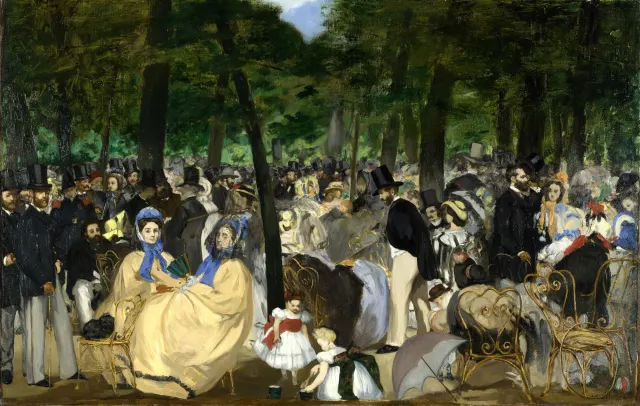
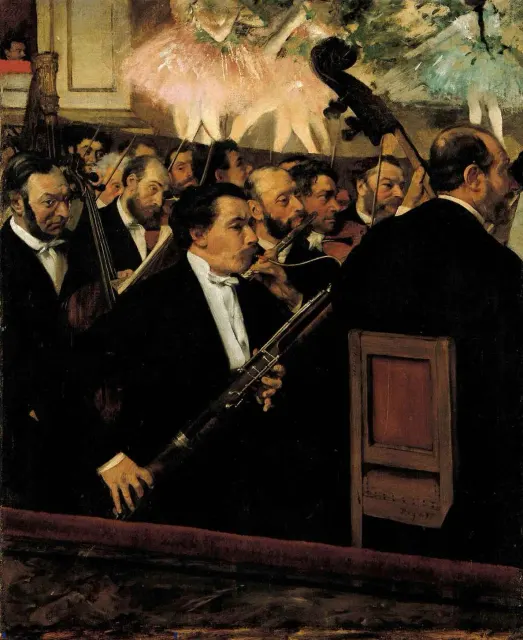
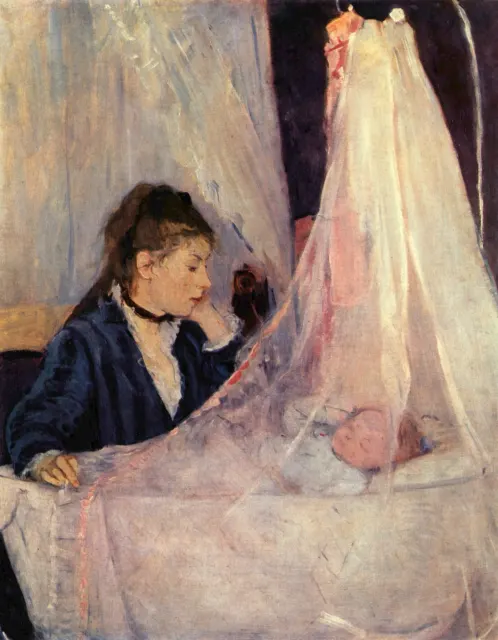
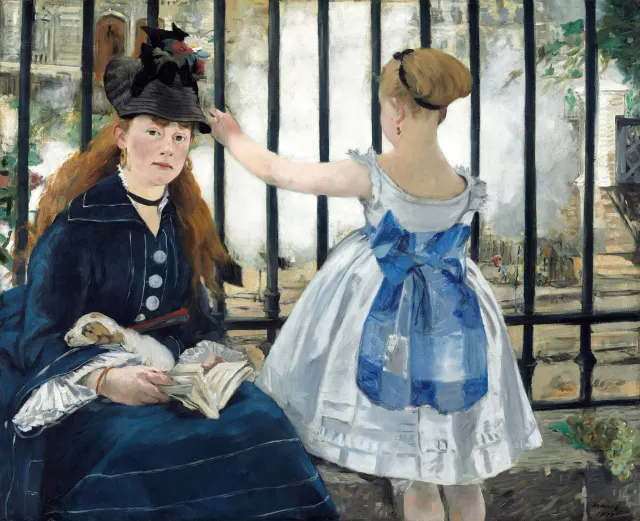
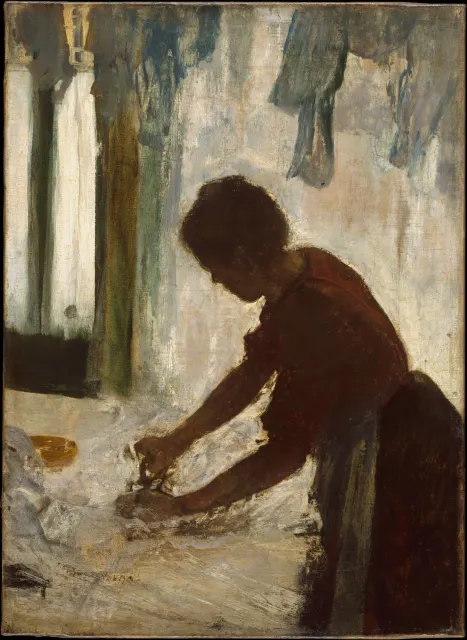
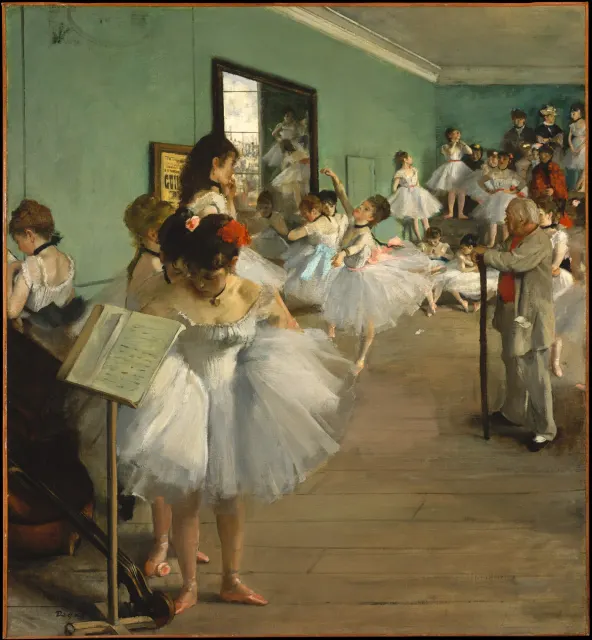
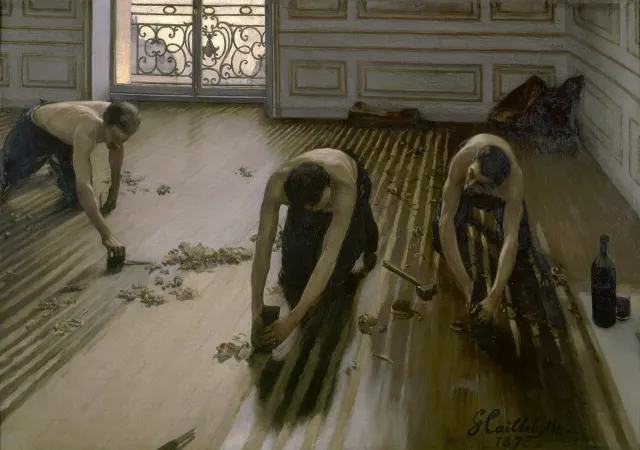
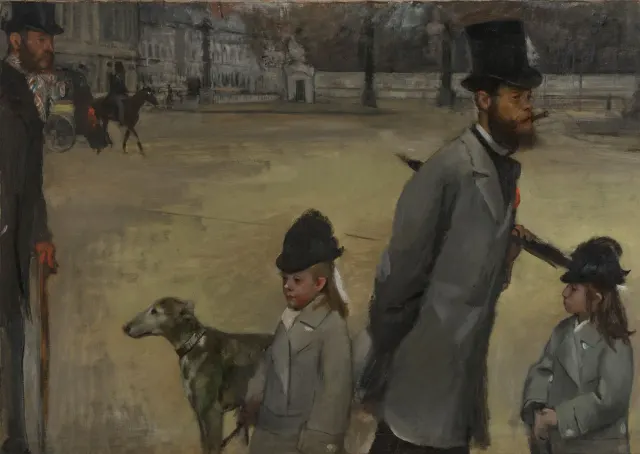
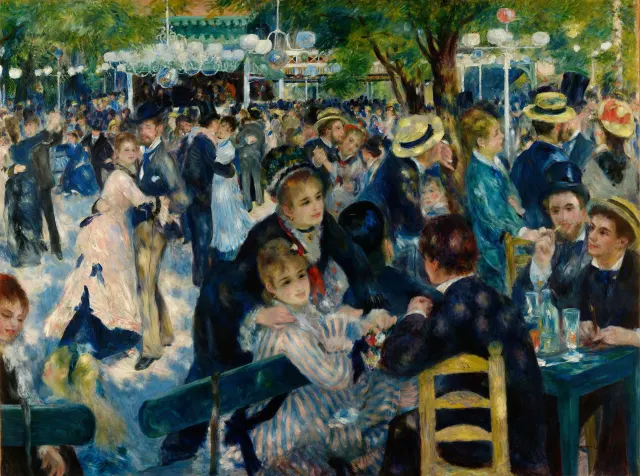
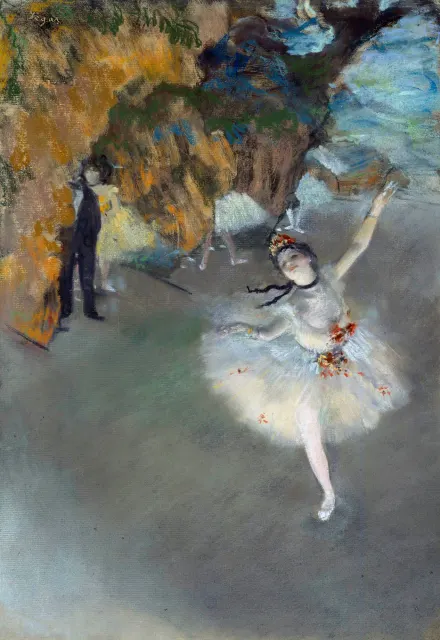
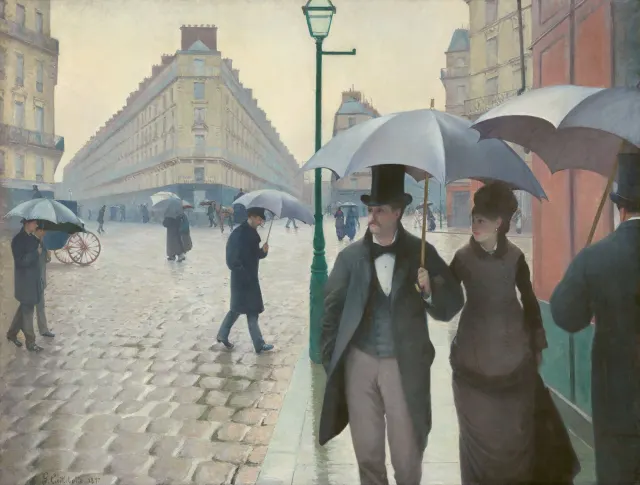
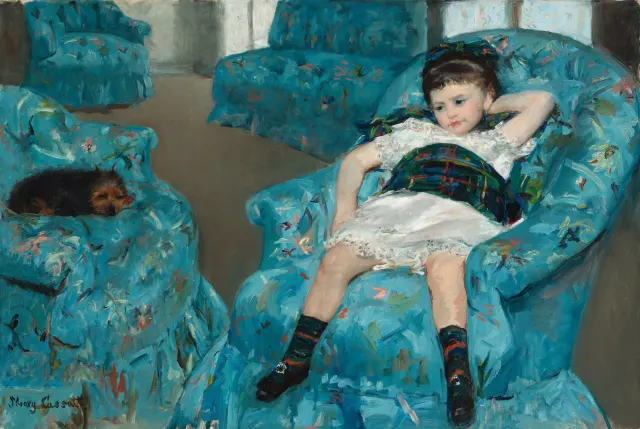
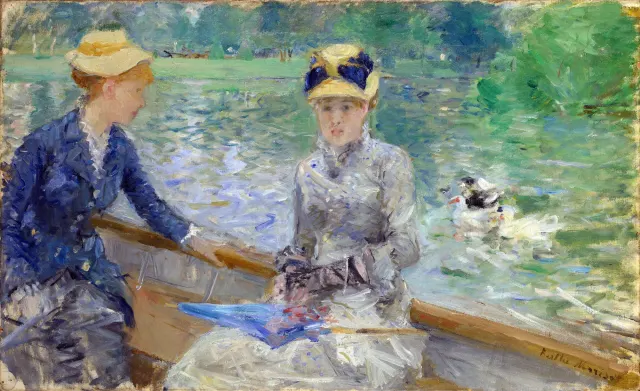
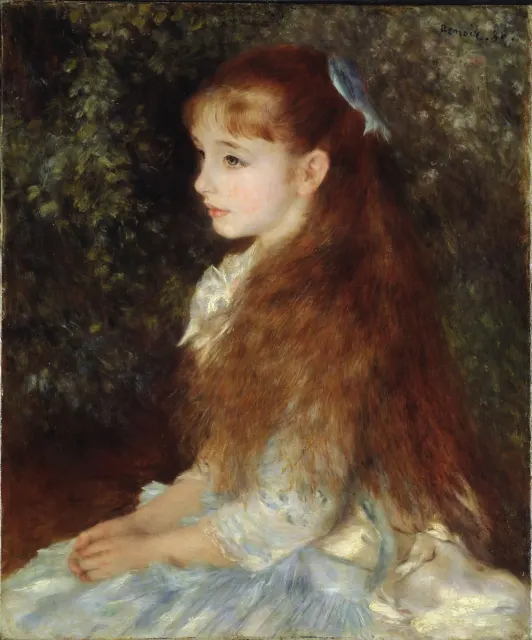
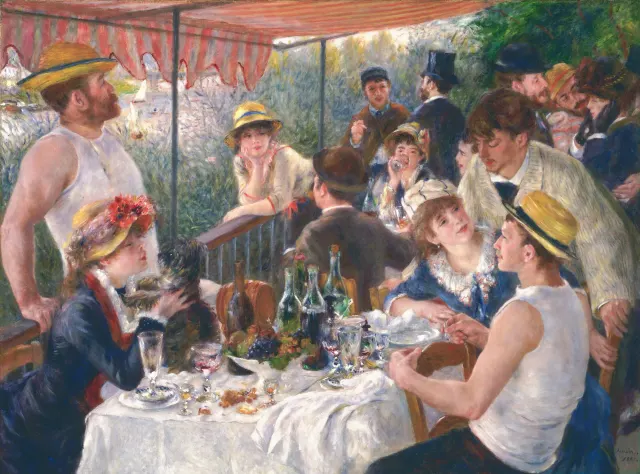
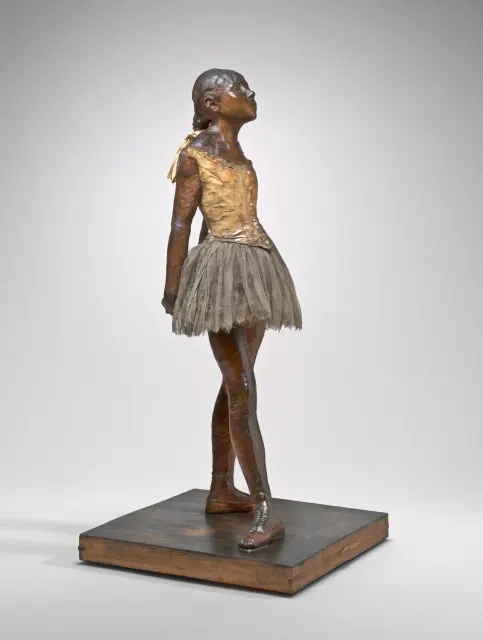
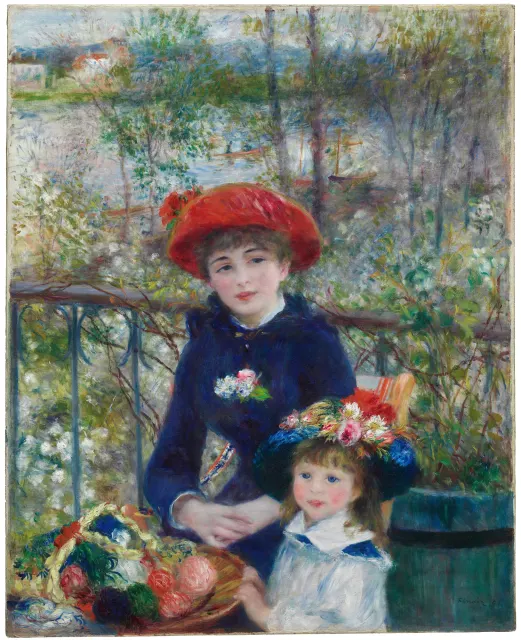
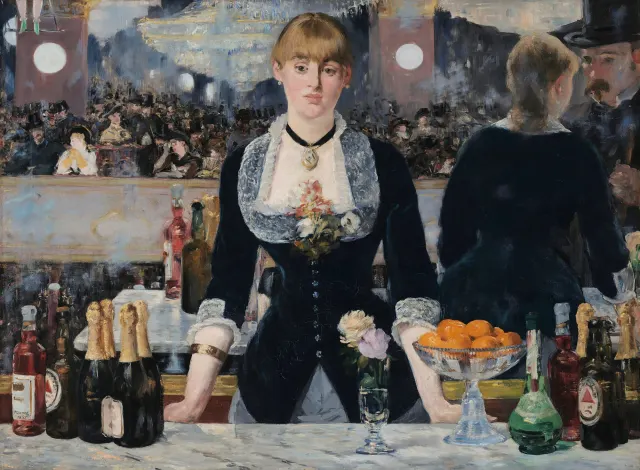
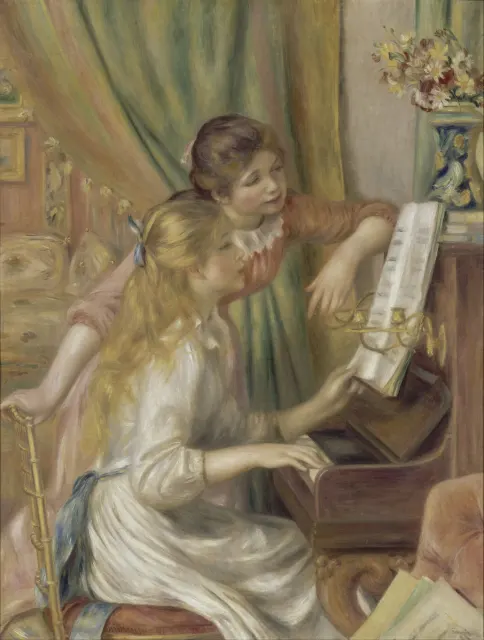
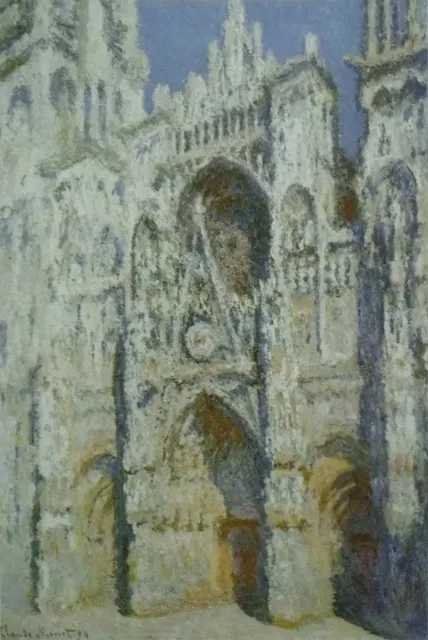
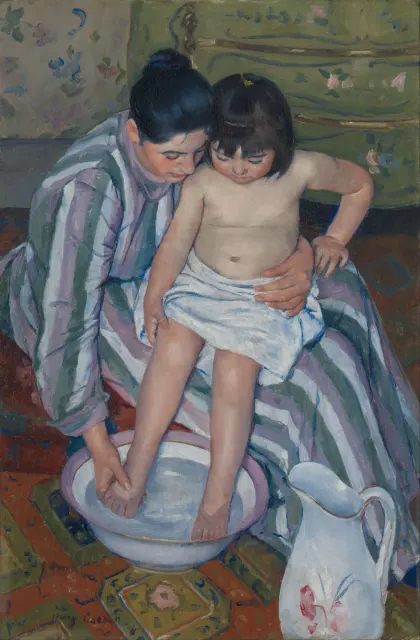
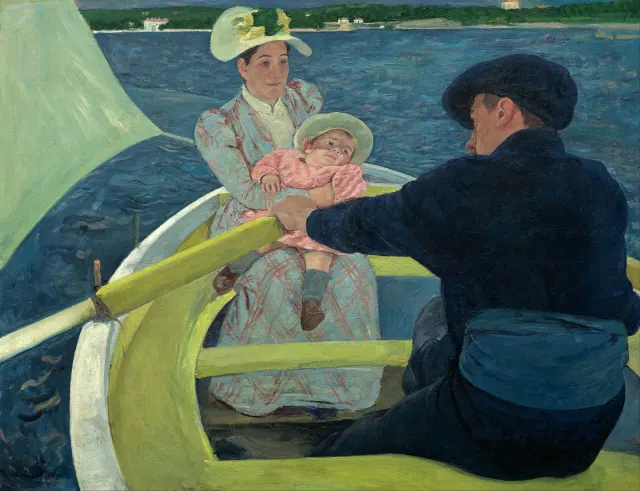
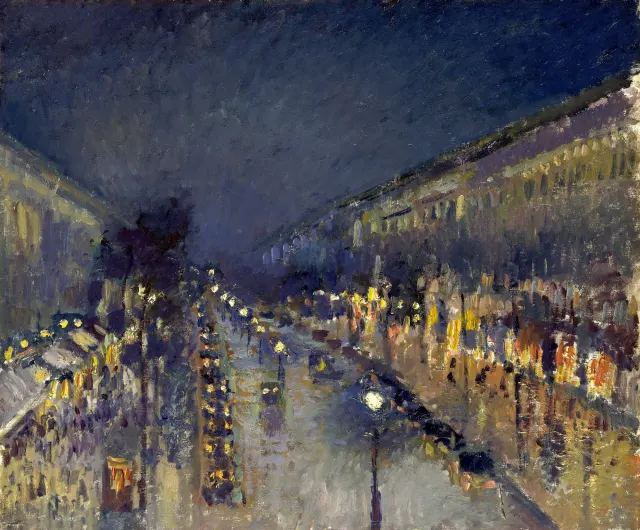
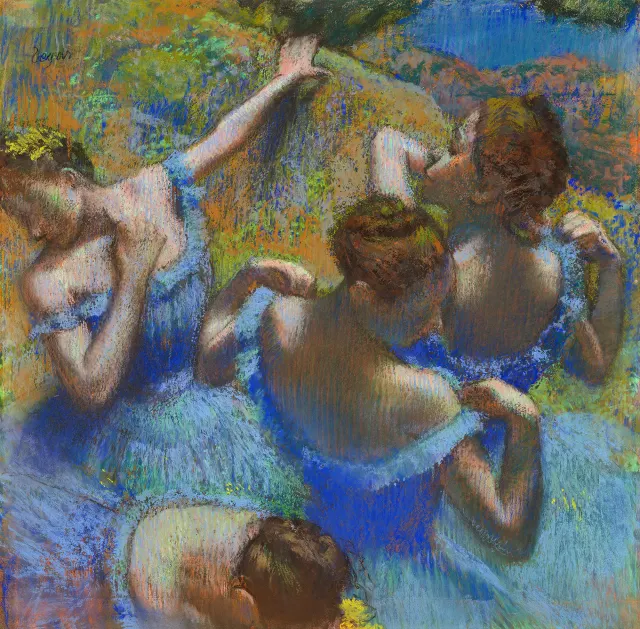
題材は、パリの大通り、駅、カフェ、ダンスホール、郊外の川遊びなど、「今」の楽しい暮らしでした。モネは同じ積みわらや大聖堂を、時間や天気を変えて何枚も描き、ルノワールは木もれ日の中の人々を、ドガは踊り子を、モリゾやカサットは女性や子どもの日常をやさしく描きました。8回開かれた印象派展は、近代絵画の出発点となりました。
They painted the pleasures of modern life: Paris boulevards, train stations, cafés, dance halls and boating trips. Monet painted the same haystacks or cathedral again and again in different light and weather. Renoir painted people in dappled sunlight, Degas painted dancers, and Morisot and Cassatt gently showed the daily lives of women and children. Their eight exhibitions marked the start of modern painting.
