




社会・人口|英検・入試の頻出テーマ

貧困・経済格差を英語で読むInequality

貧困や経済格差は、SDGsの「貧困をなくそう」「人や国の不平等をなくそう」にかかわるテーマで、社会問題を扱う長文の定番です。日本の子どもの貧困や、ベーシックインカム、教育の無償化などの政策について、自分の意見を理由とともに書かせる問いもよく出ます。

4本3,647語英検 3級・準2級・2級・準1級模範解答 2

このテーマの読み物 4本・やさしい順

Level 2=英検3級、Level 3=準2級、Level 4=2級、Level 5=準1級・難関大の長文が目安。「ちょっと簡単」から読むのがコツです。どれも全訳・語注・クイズつき。

まず押さえたい背景知識

  • 日本の子ども(17歳以下)の貧困率は2024年に11.0%で、およそ9人に1人にあたります(厚生労働省「2025年国民生活基礎調査」)。
  • 同じ2024年、子どもがいる現役世帯(世帯主が18〜64歳)の世帯員の貧困率は、大人が一人の世帯で44.7%となり、大人が二人以上の世帯の6.7%を大きく上回りました。
  • 相対的貧困とは、等価可処分所得(世帯の手取りの所得を世帯人数の平方根で割った額)が全体の中央値の半分(貧困線)に届かない状態のことで、2024年の日本の貧困線は年138万円でした。
  • 世界銀行は2025年6月に、極度の貧困の基準(国際貧困線)を、2021年の購買力平価で1人1日3ドルに改めました。この基準によると、2022年に極度の貧困状態にあった人は、世界で約8億3800万人と推計されています。
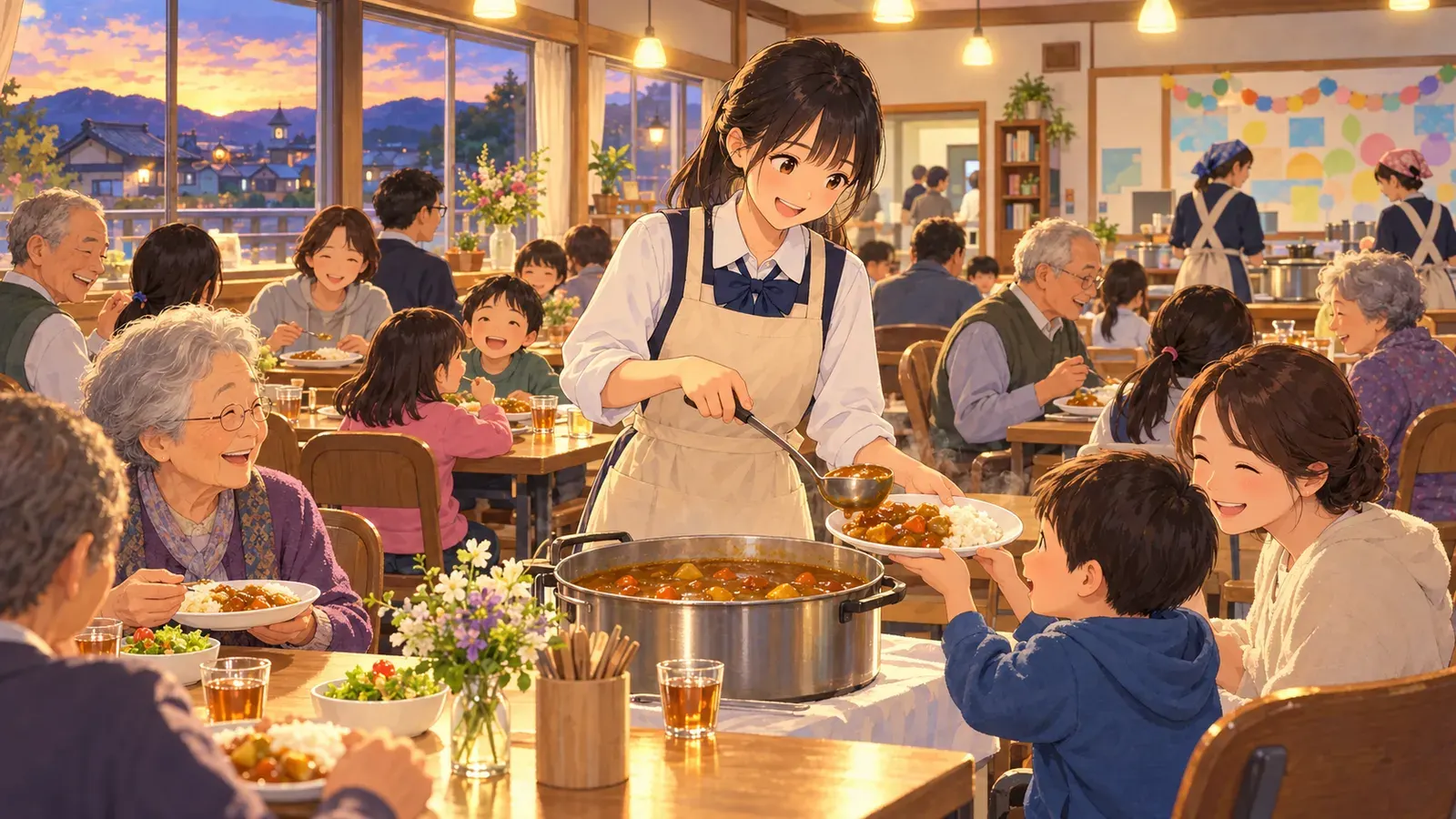
  • 全国のこども食堂は、2025年度の調査で1万2,602か所にのぼりました(NPO法人むすびえの調べ)。
  • 2006年、貧しい人に担保なしで少額のお金を貸すグラミン銀行と、創設者のムハマド・ユヌスがノーベル平和賞を受けました。

⚖️ 賛成・反対の論点

Should the government give more financial support to low-income families?政府は低所得世帯への経済的支援を増やすべきか

賛成の理由 For

  • Children should not lose chances to study or join activities just because their parents have low incomes, and support can protect their future.親の所得が低いというだけで、子どもが学んだり活動に参加したりする機会を失うべきではありません。支援によって、子どもの将来を守ることができます。
  • Helping poor children get a good education can break the cycle of poverty and give society more skilled workers and taxpayers in the future.貧しい子どもがよい教育を受けられるよう助ければ、貧困の連鎖を断ち切れます。将来、技術を持った働き手や税金を納める人も増え、社会のためにもなります。
  • Many single parents work hard in low-paid jobs, so extra support can give their families a basic level of security and reduce stress.多くのひとり親は、給料の低い仕事で懸命に働いています。支援を増やせば、その家族に最低限の安心を与え、ストレスを減らすことができます。

👎 反対の理由 Against

  • The government's budget is limited, and more spending on support could mean higher taxes or less money for other important services.政府の予算には限りがあります。支援にもっとお金を使えば、増税になったり、ほかの大切なサービスに回すお金が減ったりするおそれがあります。
  • Services such as free school lunches and study programs reach children directly, so they may be a better use of money than extra cash payments.無料の給食や学習支援のようなサービスは、子どもに直接届きます。そのため、現金の給付を増やすより、よいお金の使い方かもしれません。
  • Raising wages and helping parents find stable jobs may reduce poverty more lastingly than cash payments, because it increases families' long-term income.賃金を上げ、親が安定した仕事につけるよう助けるほうが、現金の給付より長く続く形で貧困を減らせるかもしれません。家庭の長期的な収入が増えるからです。

英作文:出そうな問いと模範解答

準2級Do you think more young people should volunteer at community cafeterias for children?もっと多くの若者が、子ども食堂のような地域の食堂でボランティアをするべきだと思いますか。

2級Do you think university education should be free for everyone in Japan?日本では、大学教育はすべての人にとって無料であるべきだと思いますか。

準1級Agree or disagree: The government should introduce a basic income for all citizens.賛成か反対か:政府はすべての国民にベーシックインカムを導入するべきである。

入試Some people say that the gap between the rich and the poor is a serious problem in Japan. What do you think should be done to reduce it?日本では貧富の差が深刻な問題だと言う人がいます。その差を縮めるために、何をするべきだと思いますか。

英検の形式(意見 → 理由2つ → まとめ)どおりの模範解答です。▶ で聞くと、読んでいる文が光ります。まずは型をそのまままねして、自分の理由に入れかえてみましょう。

2級93語

Do you think the government should give more financial support to low-income families?政府は低所得世帯への経済的支援を増やすべきだと思いますか。

I think the government should give more financial support to low-income families for two reasons. First, children should have equal opportunities regardless of their parents' income. Today, some children in Japan cannot go to cram school or join school trips because their families do not have enough money. Second, such support can help break the cycle of poverty. If these children can study hard and go to university, they will be more likely to find stable jobs in the future. For these reasons, I believe the government should do more for low-income families.

全訳を見る

政府は低所得世帯への経済的支援を増やすべきだと思います。理由は二つあります。第一に、子どもは親の所得に関係なく、平等な機会を持つべきだからです。今の日本には、家庭に十分なお金がないために、塾に通えなかったり、修学旅行に参加できなかったりする子どもがいます。第二に、そうした支援は貧困の連鎖を断ち切る助けになるからです。こうした子どもたちが一生懸命勉強して大学に進めれば、将来、安定した仕事につける可能性が高くなります。これらの理由から、政府は低所得の家庭のためにもっと力を尽くすべきだと考えます。

準1級136語

Agree or disagree: The government should introduce a basic income for all citizens.賛成か反対か:政府はすべての国民にベーシックインカムを導入するべきである。

I disagree that the government should introduce a basic income for all citizens, mainly for two reasons. First, the cost would be enormous. Paying even 70,000 yen a month to everyone in Japan would cost roughly 100 trillion yen a year, which is comparable to the national government's entire annual budget. This would require huge tax increases or deep cuts to services such as healthcare and education. Second, a basic income would give the same amount of money to wealthy people who do not need it, while it might not be enough for those with special needs, such as people with serious disabilities. Instead, the government should strengthen targeted support for low-income families and make it easier for people to apply for help. Such measures would protect those in need at a much lower cost.

全訳を見る

政府がすべての国民にベーシックインカムを導入するべきだという考えには反対です。おもな理由は二つあります。第一に、費用がとてつもなく大きくなるからです。日本の全員に月7万円ずつ払うだけでも、1年でおよそ100兆円かかり、これは国の1年間の予算全体に匹敵します。そのためには、大幅な増税か、医療や教育などのサービスの大きな削減が必要になるでしょう。第二に、ベーシックインカムは、お金を必要としない豊かな人にも同じ額を配る一方で、重い障害のある人など、特別な支援が必要な人には足りないかもしれないからです。そのかわりに政府は、低所得の家庭に対象をしぼった支援を強め、人々が支援を申請しやすくするべきです。そうした対策なら、はるかに少ない費用で、困っている人を守ることができます。

重要語・使える表現

そのまま使えるフレーズ

  • live in poverty貧困の中で暮らす
  • the gap between the rich and the poor貧富の差
  • break the cycle of poverty貧困の連鎖を断ち切る
  • provide financial support経済的な支援をする
  • have equal opportunities平等な機会を持つ
  • make ends meet家計をやりくりする
  • fall through the cracks制度のすき間からこぼれ落ちる
  • a social safety net社会のセーフティーネット(安全網)

単語をタップすると、姉妹サイト「時事英語ナビ」で意味・例文・入試での出方を調べられます。

もっと深く

🏙️ 社会・人口のほかのテーマ

ほかのテーマ

気候変動・脱炭素4 プラスチックごみ・海洋汚染4 生物多様性・絶滅危惧種4 再生可能エネルギー4 水不足・水資源3 SDGs・エシカル消費4 AI・生成AI5 SNS・スマホ・フェイクニュース4 デジタル社会・キャッシュレス4 プライバシー・個人データ4 宇宙開発4 働き方・リモートワーク5 グローバル化と貿易3 観光・オーバーツーリズム4 医療・感染症・公衆衛生4 メンタルヘルス・睡眠4 食料問題・フードロス5 学校生活・部活・制服7 教育格差・オンライン学習4 言語・異文化理解5