



 約9分
 6:19
 全訳つき
 お道具箱
 読書ラウンジ
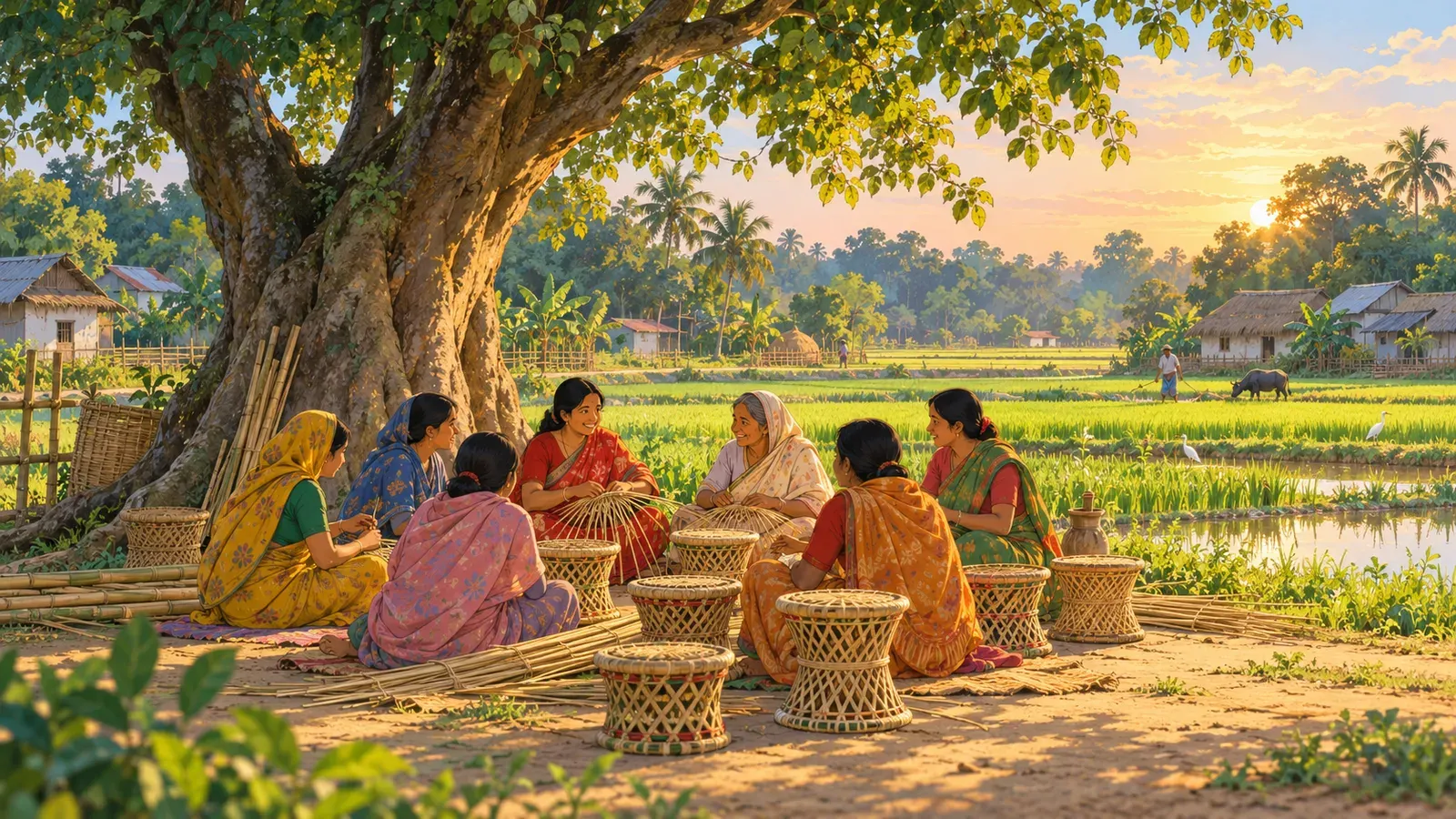
Imagine a woman in a poor village who makes stools from bamboo. She is skilled and works hard, but she has no money to buy bamboo. So every morning she borrows money from a trader, and every evening she must sell her stools back to the same trader at a price he decides. After a long day of work, she earns almost nothing. If she had just a few dollars of her own, her life could be very different.
貧しい村で、竹で腰かけを作っている女性を想像してみてください。腕がよく、よく働きますが、竹を買うお金がありません。そこで毎朝、商人からお金を借り、夕方には作った腰かけを、同じ商人に、相手の決めた値段で売らなければなりません。一日じゅう働いても、手もとにはほとんど何も残りません。もし自分のお金がほんの数ドルでもあれば、暮らしはまったく違ったものになるかもしれないのです。
This was the kind of situation that a young economist named Muhammad Yunus found in Bangladesh in the 1970s. Yunus had studied economics in the United States and had become a professor at Chittagong University. In 1974, a terrible famine hit Bangladesh, and many people died. Yunus began to feel that the economic theories he taught in class did little to help people who were starving. He decided to learn about poverty directly by visiting Jobra, a village near his university.
1970年代のバングラデシュで、ムハマド・ユヌスという若い経済学者が出会ったのは、まさにこのような状況でした。ユヌスはアメリカで経済学を学び、チッタゴン大学の教授になっていました。1974年、バングラデシュはひどい飢饉に襲われ、多くの人が亡くなりました。ユヌスは、自分が授業で教えている経済学の理論が、飢えに苦しむ人たちの役にはほとんど立っていないと感じるようになりました。そこで、大学の近くにあるジョブラ村をたずね、貧困について直接学ぶことにしたのです。
In the village, Yunus met women like the bamboo stool maker. He made a list of people who were trapped in the same way and found that 42 of them needed only about 27 dollars in total to buy their own materials. Yunus lent them the money from his own pocket. With it, they could sell their products at a fair price, and they paid him back.
村でユヌスは、あの竹の腰かけ作りの女性のような人たちに出会いました。同じように抜け出せなくなっている人たちを書き出してみると、42人が自分で材料を買うのに必要なお金は、合わせてわずか27ドルほどだと分かりました。ユヌスは、そのお金を自分のポケットから貸しました。そのおかげで、人々は自分の作ったものを正当な値段で売れるようになり、ユヌスにお金を返しました。
Yunus then asked banks to lend money to poor villagers, but the banks refused. The villagers had no land or other property to offer as a guarantee, which banks call collateral, and many of them could not read or write. Banks believed that such people would never repay. To prove them wrong, Yunus started his own project in 1976. In 1983, it became an official bank called Grameen Bank, which means "village bank" in Bengali.
次にユヌスは、貧しい村人にお金を貸してほしいと銀行に頼みましたが、銀行は断りました。村人には、保証として差し出せる土地などの財産がありません。銀行はこれを「担保」と呼びます。また、読み書きのできない人も多くいました。銀行は、そんな人たちがお金を返すはずがないと考えていたのです。それがまちがいだと証明するため、ユヌスは1976年に自分で事業を始め、1983年、この事業はグラミン銀行という正式な銀行になりました。グラミン銀行とは、ベンガル語で「村の銀行」という意味です。
Grameen Bank's system was very different from that of ordinary banks. It lent small amounts of money without asking for collateral. Borrowers joined small groups, usually of five people, and met regularly to repay a little at a time. Although the group members did not have to pay for each other's loans, they encouraged and supported one another, and no one wanted to let the group down.
グラミン銀行のしくみは、ふつうの銀行とは大きく違っていました。担保を求めずに、少額のお金を貸したのです。借り手はふつう5人ずつの小さなグループに入り、定期的に集まって、少しずつ返済しました。グループの仲間が互いの借金を肩代わりする義務はありませんでしたが、みんなで励まし合い、支え合いました。だれも、グループの仲間をがっかりさせたくはなかったのです。
Most of Grameen Bank's borrowers have been women. In 2022, about 97 percent of its roughly 9.5 million borrowers were women. Yunus believed that money lent to women was more likely to be used for the whole family, such as for children's food and education. Supporters also say that in a society where women often had little power, having their own income gave many of them more confidence and a stronger voice at home.
グラミン銀行の借り手は、ほとんどが女性です。2022年には、約950万人の借り手のうち、約97パーセントが女性でした。ユヌスは、女性に貸したお金のほうが、子どもの食べ物や教育など、家族全体のために使われやすいと考えていました。また支持する人たちは、女性の力が弱いことの多い社会で、自分の収入を持ったことで、多くの女性が自信をつけ、家庭の中で発言できるようになったと言います。
Borrowers used their loans in many creative ways. Some bought a cow and sold its milk, some raised chickens, and others opened small shops or made and sold clothes. In one well-known program, village women used loans to buy mobile phones and earned money by letting neighbors make calls. Each business was small, but for a family living on very little, even a small, steady income could make a real difference.
借り手たちは、借りたお金をさまざまな工夫をして使いました。牛を買って牛乳を売る人もいれば、鶏を育てる人もいました。小さな店を開いたり、服を作って売ったりする人もいました。よく知られたある取り組みでは、村の女性たちが借りたお金で携帯電話を買い、近所の人に電話を使わせてお金をかせぎました。どれも小さな商売でしたが、わずかなお金で暮らす家族にとっては、少しでも安定した収入があることが、大きな違いを生むこともあったのです。
The results seemed remarkable. Grameen Bank has reported that about 95 percent of its loans are repaid, which was far better than many people expected. The idea, now called microfinance or microcredit, spread quickly. Today, a large number of organizations around the world offer small loans, savings accounts, and insurance to people who are shut out of ordinary banks.
その成果は目をみはるものに見えました。グラミン銀行は、貸したお金の約95パーセントが返ってきていると発表しており、これは多くの人の予想をはるかに上回るものでした。この考え方は、今ではマイクロファイナンス、あるいはマイクロクレジットと呼ばれ、急速に広まりました。今では世界中の数多くの団体が、ふつうの銀行を利用できない人たちに、小口の貸付や預金口座、保険を提供しています。
In 2006, Yunus and Grameen Bank were jointly awarded the Nobel Peace Prize for their efforts to create economic and social development from below. It was unusual for an economist and a bank to win a peace prize. The Nobel Committee explained that lasting peace is not possible unless large groups of people find ways to escape poverty.
2006年、ユヌスとグラミン銀行は、下からの経済的・社会的発展を生み出そうとした努力が認められ、そろってノーベル平和賞を受けました。経済学者と銀行が平和賞を受けるのは、めずらしいことでした。ノーベル委員会は、多くの人々が貧困から抜け出す道を見つけないかぎり、長く続く平和は実現できない、と説明しました。
However, as microfinance grew, problems also appeared. Lending many small amounts is expensive for lenders, so microloans often carry interest rates much higher than those of ordinary bank loans. Some companies entered the market mainly to make a profit. In some areas, borrowers took out loans from several lenders at the same time, using one loan to repay another, until they fell deep into debt. Around 2010, in one state in India, many borrowers could not repay, and some lenders were strongly criticized for pressuring them too harshly.
しかし、マイクロファイナンスが広がるにつれて、問題も出てきました。少額の貸付をたくさん行うのは、貸す側にとってお金のかかることです。そのため、マイクロローンの金利は、ふつうの銀行ローンよりずっと高いことがよくあります。おもにもうけのために、この分野に参入する会社も現れました。地域によっては、借り手がいくつもの貸し手から同時にお金を借り、ある借金を別の借金で返すうちに、借金がふくらんでしまうこともありました。2010年ごろ、インドのある州では多くの借り手が返済できなくなり、厳しく返済を迫ったとして、一部の貸し手が強く批判されました。
Researchers also began to test how much microfinance really helps. In 2015, a group of economists published the results of six careful studies carried out in six countries on four continents. In these studies, people who were randomly given easier access to small loans were compared with similar people who were not. Overall, the researchers found modest positive effects. Some people started or expanded small businesses, but on average, the loans did not dramatically raise incomes or lift large numbers of people out of poverty.
研究者たちも、マイクロファイナンスが実際にどれほど役立つのかを確かめ始めました。2015年、経済学者のグループが、4つの大陸の6か国で行われた6つの綿密な研究の結果を発表しました。これらの研究では、無作為に選ばれて小口の貸付を受けやすくなった人たちを、そうでない同じような人たちと比べました。全体として見つかったのは、ささやかなプラスの効果でした。小さな商売を始めたり広げたりした人もいましたが、平均すると、貸付によって所得が大きく増えたり、たくさんの人が貧困から抜け出したりすることはありませんでした。
Supporters of microfinance accept that it is not a magic solution, but they argue that it still matters. Poor families often face sudden costs, such as a medical bill or a bad harvest. A small loan or a safe place to save money can help them get through such times without selling their animals or taking their children out of school. Today, many experts focus on "financial inclusion," which means giving everyone access to basic financial services, including savings and sending money by mobile phone.
マイクロファイナンスを支持する人たちも、それが魔法の解決策ではないことは認めています。それでも、意味はあると主張します。貧しい家庭は、医療費や不作など、急な出費に直面することがよくあります。少額の貸付や安心してお金を預けられる場所があれば、家畜を売ったり、子どもに学校をやめさせたりせずに、そうした時期を乗りこえられるかもしれません。今、多くの専門家は「金融包摂」に力を入れています。これは、預金や携帯電話での送金などの基本的な金融サービスを、だれもが使えるようにすることです。
Yunus himself has continued to promote the idea of "social business," a company whose main goal is to solve a social problem rather than to make as much profit as possible. His story shows that a small idea, tested in one village, can spread around the world. It also shows that even good ideas need to be carefully studied, because reality is often more complicated than the dream.
ユヌス自身は、その後も「ソーシャル・ビジネス」という考え方を広めてきました。これは、できるだけ多くの利益を上げることよりも、社会の問題を解決することをおもな目的とする事業です。ユヌスの物語は、一つの村で試された小さなアイデアが、世界中に広がりうることを教えてくれます。同時に、よいアイデアであっても、注意深く検証する必要があることも示しています。現実は、夢よりも複雑なことが多いからです。
What do you think? Some people say that microfinance is a powerful way to fight poverty, because it lets poor people use their own skills to build a better life. Others say that its effects are too small and its risks too great, because high interest rates can trap poor families in debt.
あなたはどう思いますか。マイクロファイナンスは貧困と戦う強力な方法だ、と言う人もいます。貧しい人たちが自分の技術を生かして、よりよい暮らしを築けるからです。一方、その効果は小さすぎ、危険は大きすぎる、と言う人もいます。高い金利のせいで、貧しい家庭が借金から抜け出せなくなることがあるからです。
 4段落目に「The villagers had no land or other property to offer as a guarantee」(村人には担保にできる土地などがなかった)とあります。

 原田英語の究極の英単語帳(CEFR-J 6,868語)

 聞くだけモードで、文字を見ずに内容がわかるか試す。
 1文リピートで音読・シャドーイングも。




 名作文学