


 この展示室のワークシート
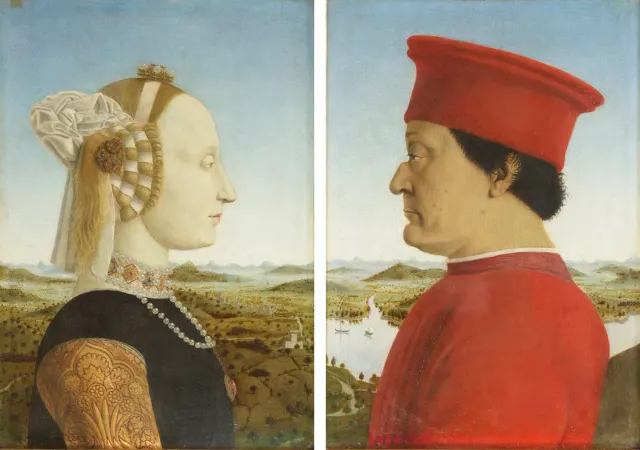
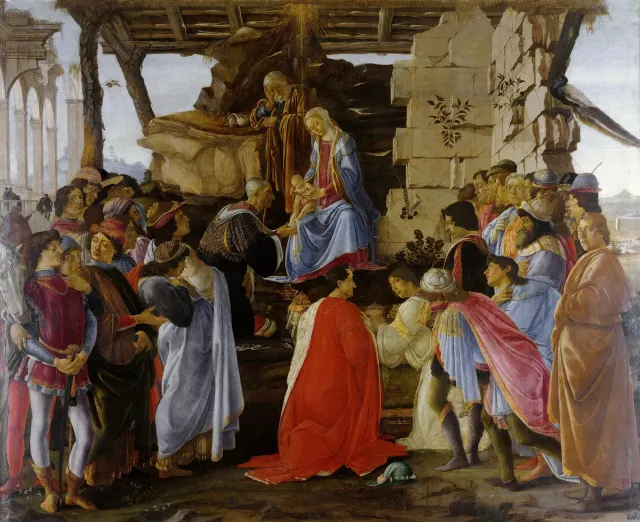
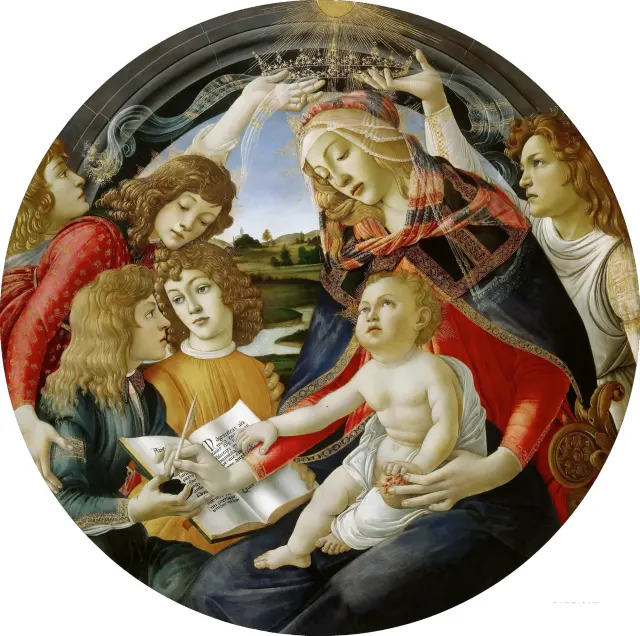
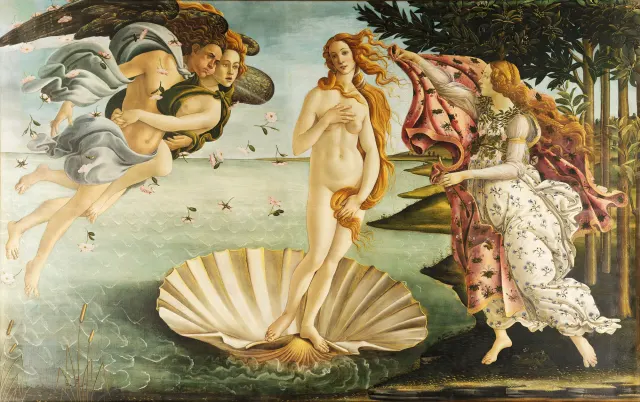
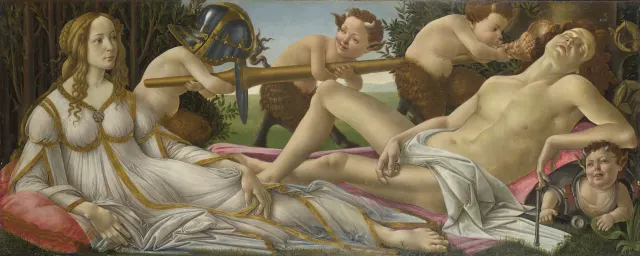
ルネサンスはフランス語で「再生」という意味です。15世紀のイタリア、とくにフィレンツェでは、古代ギリシャ・ローマの学問や芸術をもう一度よみがえらせようという動きが広がりました。メディチ家のような豊かな銀行家たちが芸術家を応援し、人間そのものの力や美しさに目が向けられるようになります。
Renaissance is a French word meaning 'rebirth'. In 15th-century Italy, especially in Florence, people tried to bring back the learning and art of ancient Greece and Rome. Rich banking families like the Medici supported artists, and people began to focus on the power and beauty of human beings.
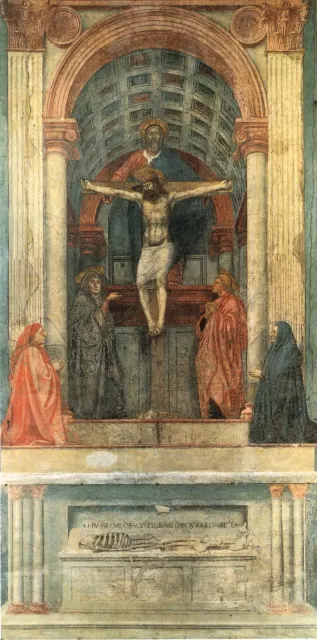
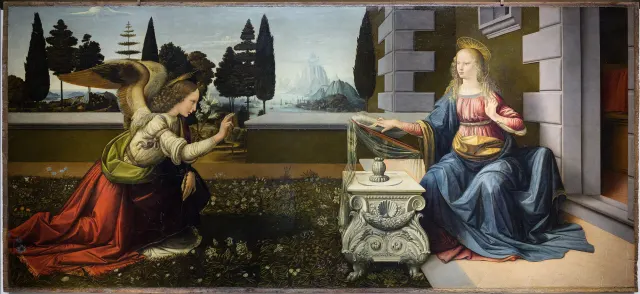
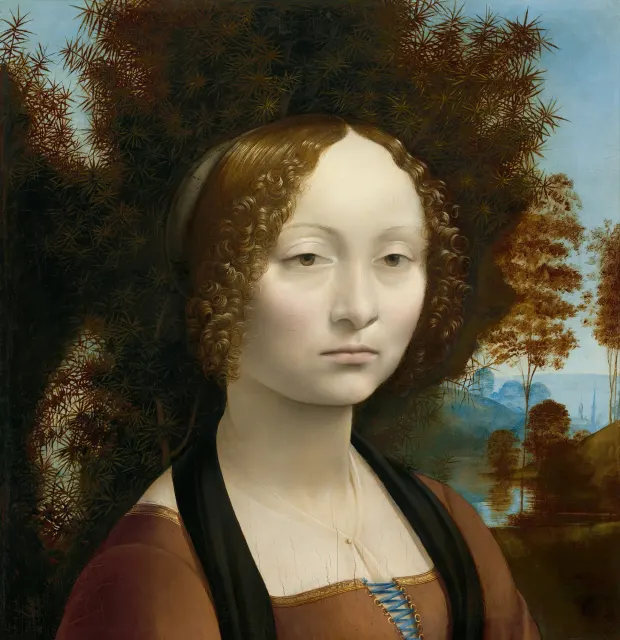
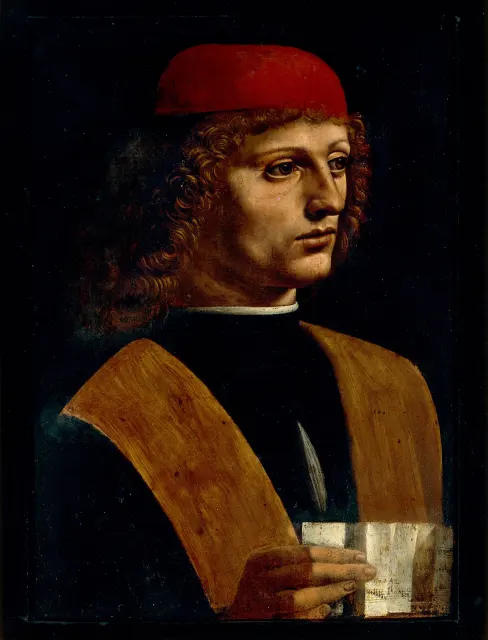
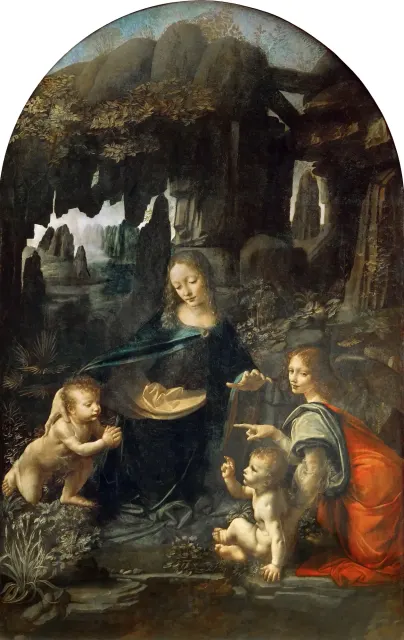
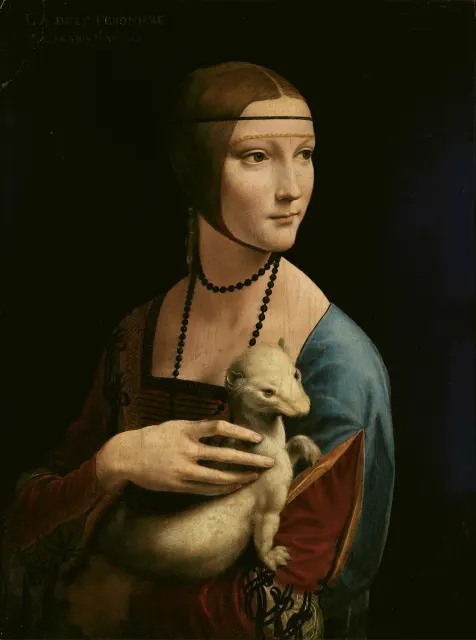
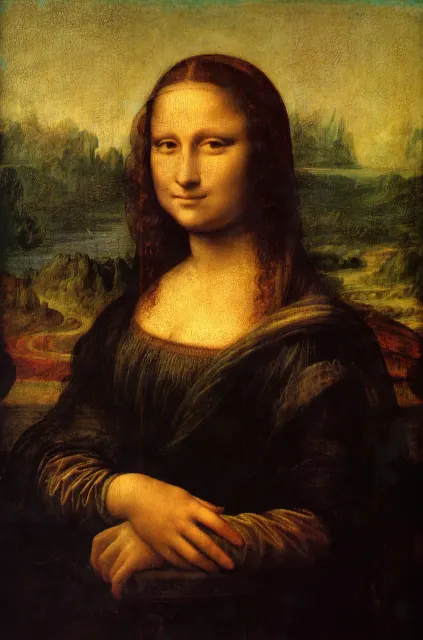
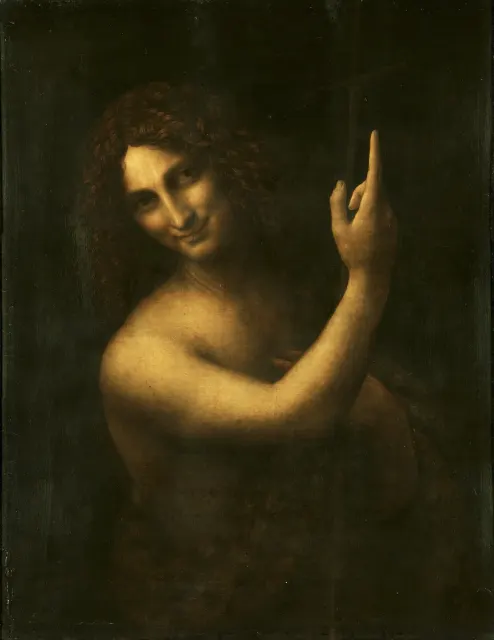
画家たちは、平らな板や壁の上に本物のような奥行きを作る方法を研究しました。建築家ブルネレスキが考えた「線遠近法」では、奥へ向かう平行な線が、一つの点(消失点)に集まるように描かれます。マザッチョの『三位一体』はその初期の例です。レオナルド・ダ・ヴィンチは、輪郭をけむりのようにぼかす「スフマート」で、『モナ・リザ』のなぞめいた微笑みを生み出しました。
Painters studied how to create real-looking depth on a flat panel or wall. In linear perspective, worked out by the architect Brunelleschi, parallel lines going back into the distance seem to meet at a single vanishing point. Masaccio's Holy Trinity is an early example. Leonardo da Vinci softened outlines like smoke, a method called sfumato, to create the mysterious smile of the Mona Lisa.
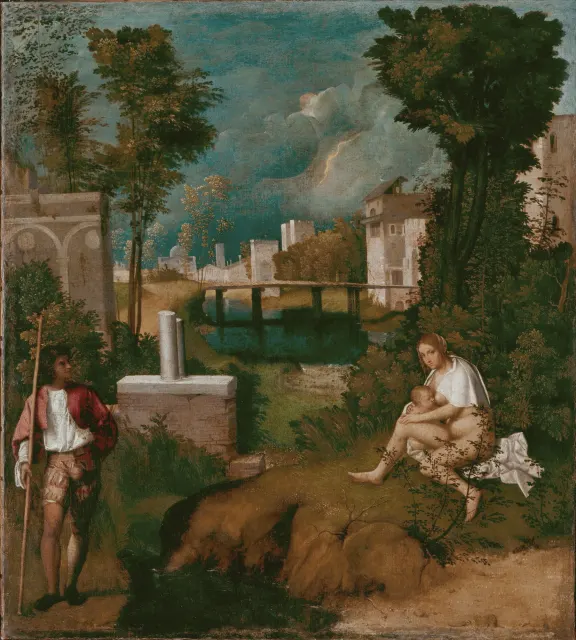
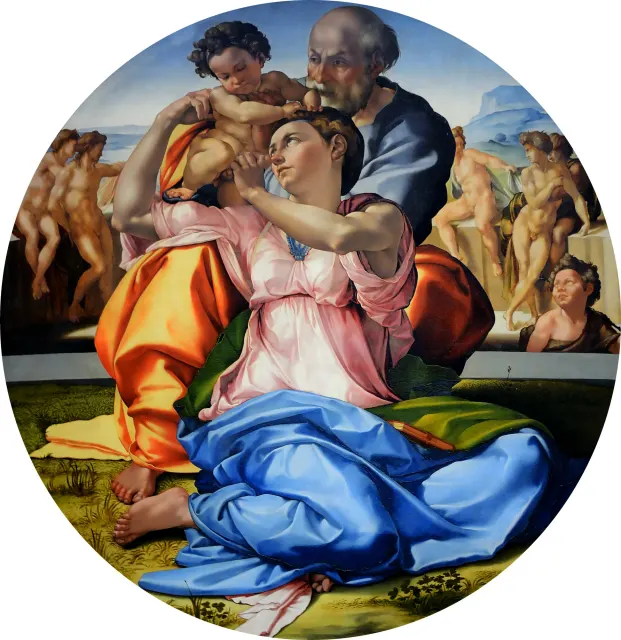
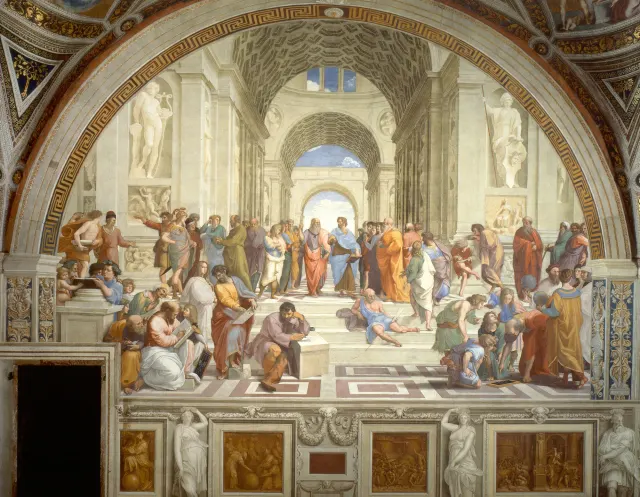
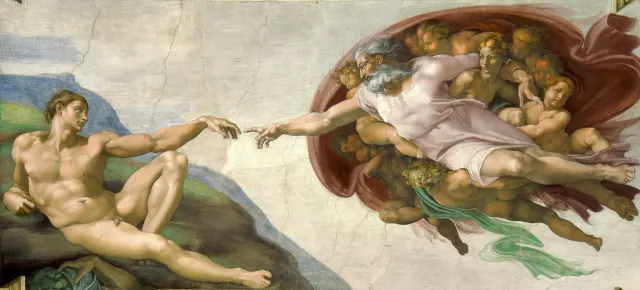
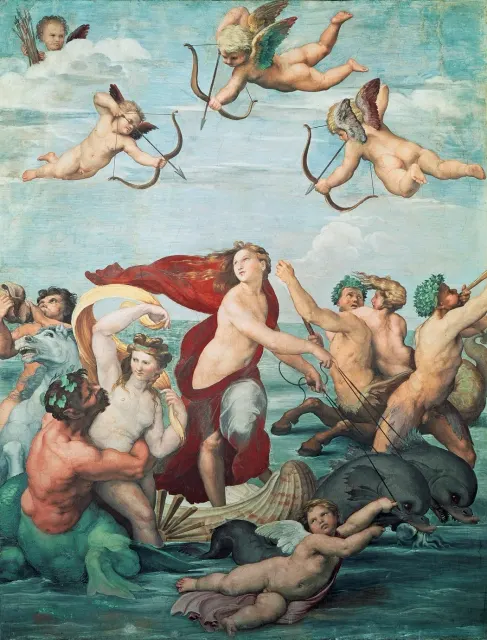
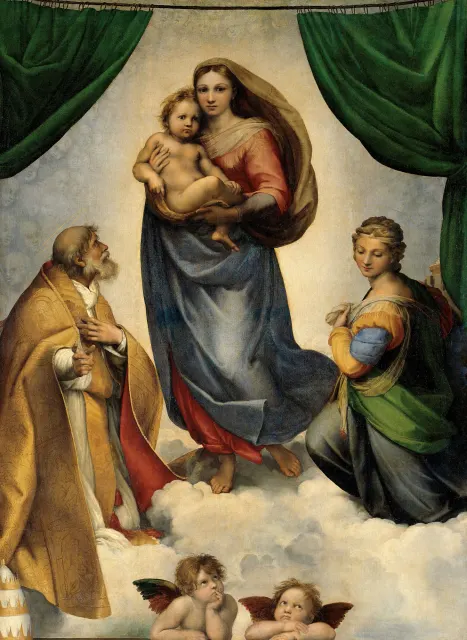
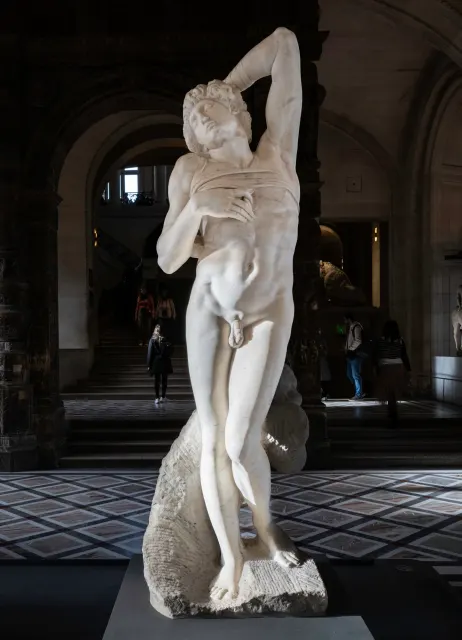
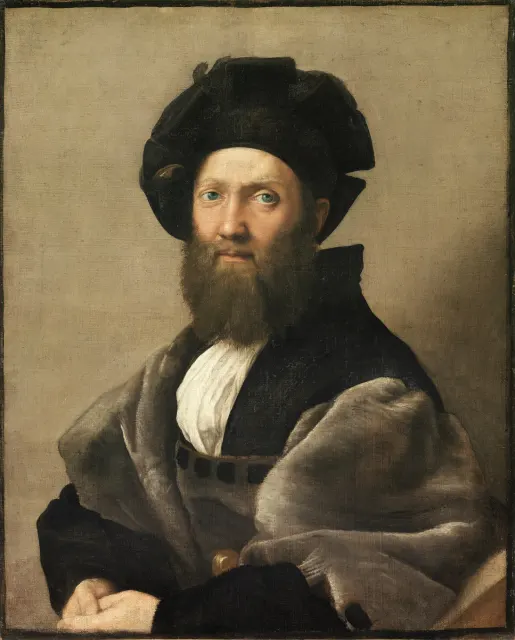
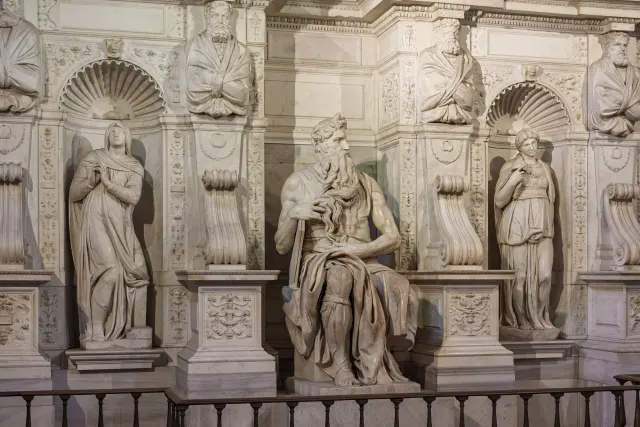
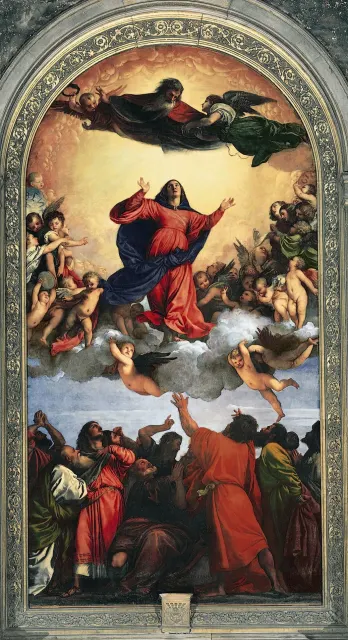
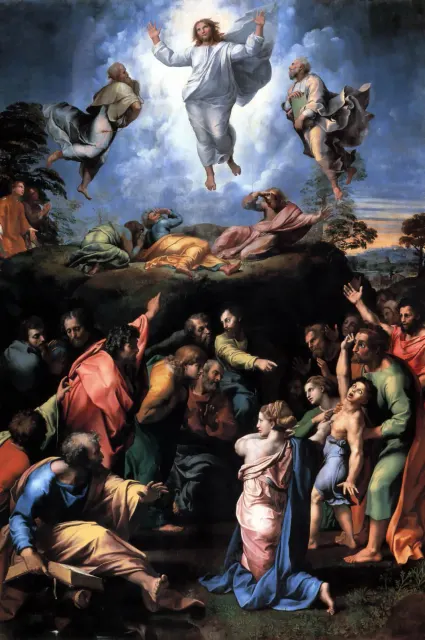
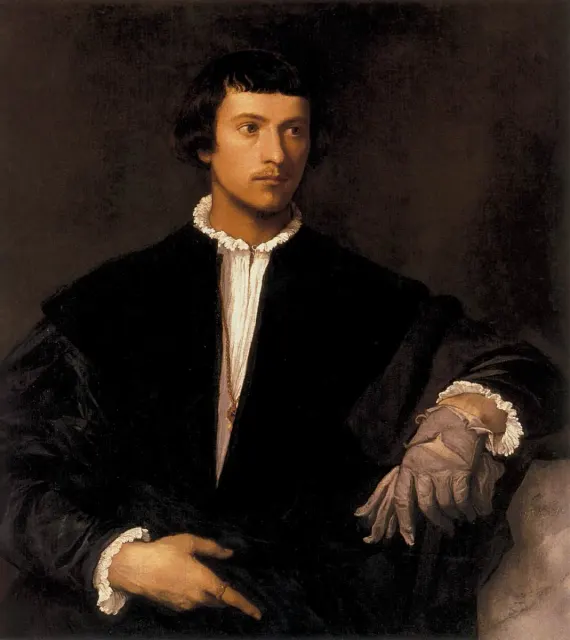
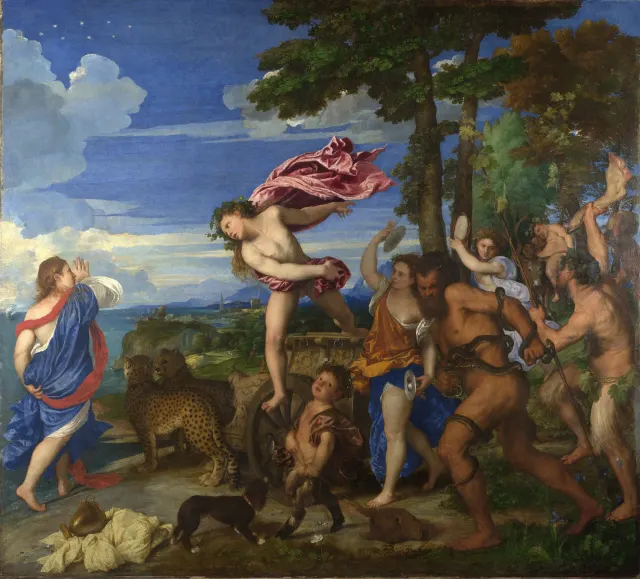
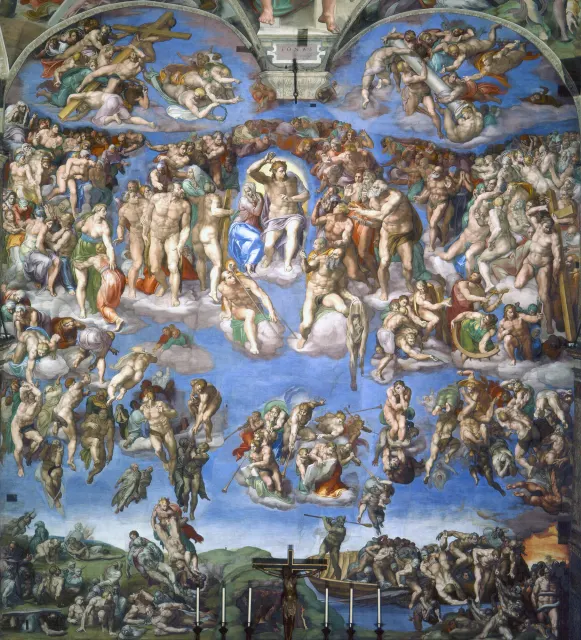
16世紀のはじめは「盛期ルネサンス」とよばれ、レオナルド、ミケランジェロ、ラファエロの3人が同じ時代に活躍しました。ミケランジェロはシスティーナ礼拝堂の天井画を約4年で描き上げ、ラファエロはバチカンの部屋に『アテネの学堂』を描きました。ヴェネツィアではティツィアーノたちが、線よりも色の美しさで勝負しました。
The early 16th century is called the High Renaissance. Leonardo, Michelangelo and Raphael were all working at the same time. Michelangelo painted the Sistine Chapel ceiling in about four years, and Raphael painted The School of Athens in a room in the Vatican. In Venice, Titian and others focused on the beauty of color rather than line.
