2026年11月4日(水)(バックナンバー)
今日の日本文化
ユネスコと刺しゅうと文化財の日
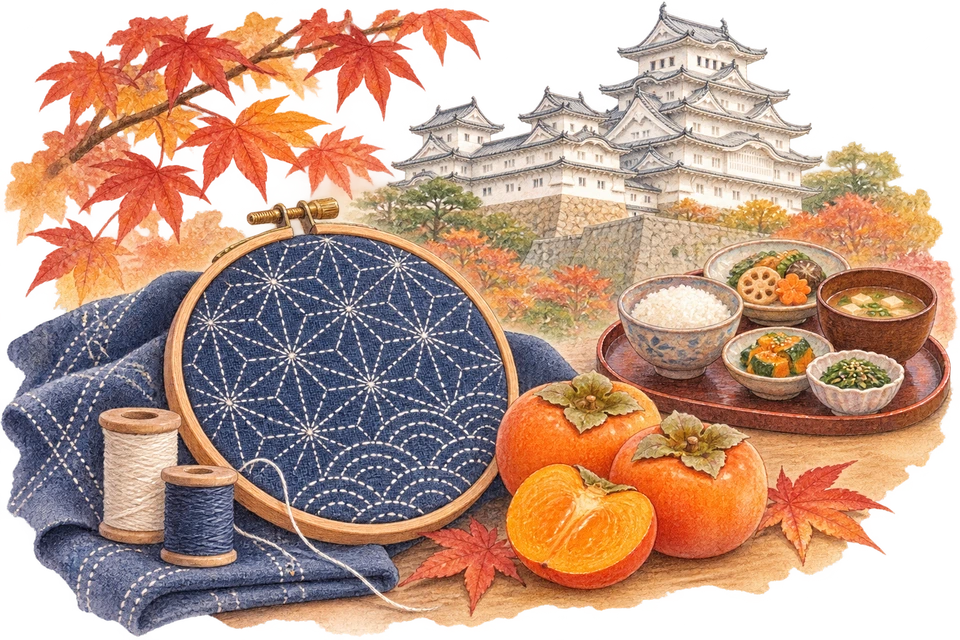
11月4日は、1946年にユネスコ憲章が発効したことにちなむ「ユネスコ憲章記念日」です。11月1日から7日までは文化財保護強調週間で、各地で文化財の公開や催しが開かれます。語呂合わせの「いい刺しゅうの日」もあり、受け継がれてきた文化と手しごとを話題にしやすい一日です。
今日は何の日
-
1946年発効ユネスコ憲章記念日UNESCO Constitution Day
UNESCO, the United Nations agency for education, science and culture, was born on November 4th, 1946, when its constitution came into force. Japan joined in 1951. In Japan, people mostly know UNESCO through its heritage lists. Places like Himeji Castle are World Heritage Sites, and washoku, or traditional Japanese food culture, was added to the intangible heritage list in 2013.
教育・科学・文化のための国連の機関ユネスコは、1946年11月4日、その憲章が発効して生まれました。日本は1951年に加盟しています。日本では、ユネスコといえば遺産の登録で知られています。姫路城などは世界遺産で、日本の伝統的な食文化である和食は、2013年に無形文化遺産に登録されました。
辞典でくわしく › -
文化財保護強調週間(11月1日〜7日)Cultural Properties Protection Week (November 1st–7th)
The first week of November is Cultural Properties Protection Week in Japan. It's part of a national week for education and culture, and the idea is to help people understand and care about old buildings, art and traditions. Around this time, some temples, shrines and old houses open rooms or treasures that are usually closed, so it's a good week to check local events.
11月の最初の1週間は、日本の文化財保護強調週間です。全国の教育・文化週間の一つで、古い建物や美術品、伝統への理解と関心を深めてもらうのがねらいです。このころには、ふだんは閉じている部屋や宝物を公開する寺や神社、古い家もあるので、地元の催しを調べてみるのにいい週です。
辞典でくわしく › -
いい刺しゅうの日Good Embroidery Day
November 4th is Good Embroidery Day in Japan, a pun on the numbers: 11 is ii, or good, and 4 is shi, the start of shishu, or embroidery. It was set by a national association of embroidery businesses. Japan has its own stitching traditions too, like sashiko, a running stitch that farm families once used to make work clothes stronger and warmer.
11月4日は「いい刺しゅうの日」です。数字の語呂合わせで、11は「いい」、4は「刺しゅう」の「し」です。全国の刺しゅう業者の組合が定めました。日本にも独自の針仕事があり、たとえば刺し子は、農家などが作業着を丈夫で暖かくするために使った、布を細かく縫い重ねる技法です。
辞典でくわしく ›
今日の三択クイズ
日本がユネスコに加盟したのは何年?
日本は1951年7月2日に加盟しました。ユネスコそのものは、1946年11月4日に憲章が発効して発足しています。1964年は東京オリンピックの年です。
外国人に聞かれたら
Is sushi on the UNESCO list?
寿司って、ユネスコに登録されているの?
Not sushi by itself. What UNESCO listed in 2013 is washoku, Japan's traditional food culture as a whole. That means things like eating with the seasons, using local ingredients, balanced meals, and sharing special food at New Year. So it's less about one famous dish and more about how people in Japan have eaten and celebrated together.
寿司だけが登録されているわけではありません。2013年にユネスコに登録されたのは、日本の伝統的な食文化全体としての「和食」です。季節に合わせて食べること、地元の食材を使うこと、栄養のバランスのとれた食事、正月に特別な料理をみんなで食べることなどです。つまり、有名な料理一つではなく、日本の人がどう食べ、どう一緒に祝ってきたかの話なのです。
今日のひとこと英語
This temple is only open to the public for a few days a year.
このお寺は、1年に数日だけ一般に公開されます。
「一般公開」は open to the public。「一般の人々」は the public で、the を付けます。open to the public が決まった言い方で、open for public のように the を落とさないよう注意。
今日の一文
November 4th is the day UNESCO was born in 1946, and this week Japan also celebrates its cultural properties. It's a good day to talk about what Japan has chosen to protect, from old temples to everyday food.
11月4日は、1946年にユネスコが生まれた日で、この週は日本の文化財の週でもあります。古い寺から毎日の食事まで、日本が何を守ろうとしてきたかを話すのにいい日です。
今日の読みもの
今日に関係する項目
- 食べもの必修 和食washokutraditional Japanese cuisine ユネスコ無形文化遺産に登録されたのは「料理」ではなく「食の習わし」だった。
- 工芸標準 刺し子sashikoJapanese running-stitch embroidery, first used to strengthen and warm work clothes 海外で人気の「刺し子」。もとは飾りではなく、布を丈夫にし、暖かくするための針仕事。
- 工芸標準 人間国宝ningen kokuhoa Living National Treasure, a state-certified master of a traditional art or craft 国が認定するのは「作品」ではなく「その人の技」。だから本人が亡くなれば認定も終わる。
- 食べもの標準 柿kakiJapanese persimmon 秋の庭先のオレンジ色。甘い柿と渋い柿の違い、英語で言える?
- 年中行事必修 おせち料理osechithe New Year food packed in stacked boxes 全部の料理に意味がある。しかも「作り置き」であることに理由がある。