2026年10月24日(土)(バックナンバー)
今日の日本文化
文鳥と民藝とルパン三世の日
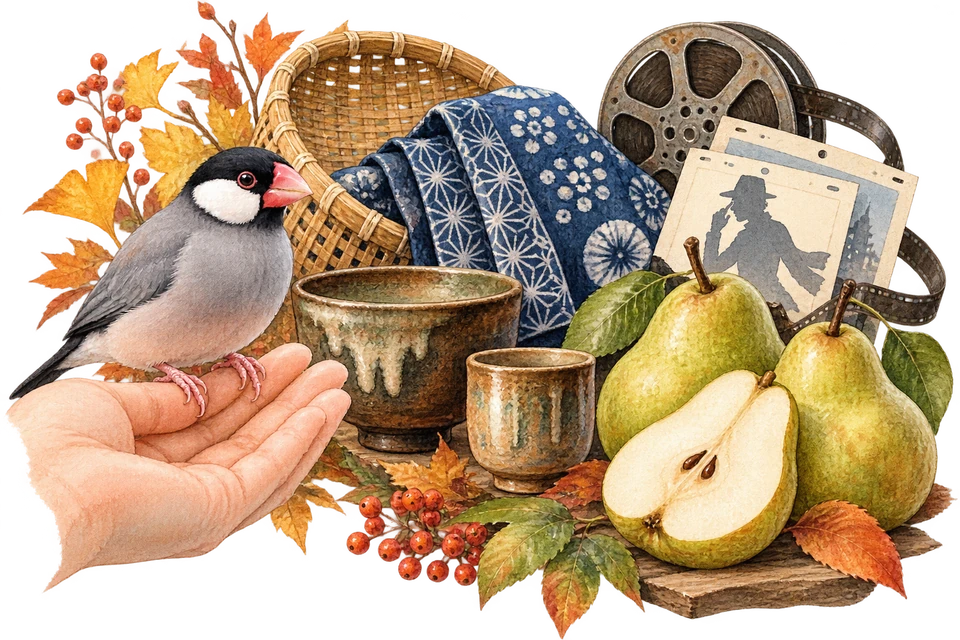
10月24日は、小さな鳥の文鳥を楽しむ「文鳥の日」です。1936年のこの日、東京・駒場に日本民藝館が開き、1971年のこの日にはテレビアニメ『ルパン三世』が始まりました。生きもの、ものづくり、アニメと、話の種がそろった一日です。
今日は何の日
-
文鳥の日Java Sparrow Day
The Java sparrow, or buncho, is a small bird with a red beak, and it has been kept as a pet in Japan since the Edo period. October 24th is Java Sparrow Day because 10-2-4 can be read as "te ni shiawase," or "happiness in your hand." It fits the season, too. Late October is when hand-raised chicks start to appear in pet shops.
文鳥は赤いくちばしの小さな鳥で、日本では江戸時代からペットとして飼われてきました。10月24日が文鳥の日なのは、10・2・4を「てにしあわせ(手に幸せ)」と読む語呂合わせからです。季節にも合っています。10月の終わりは、手乗りに育てるひなが店に出はじめるころなのです。
-
1936年日本民藝館が開館The Japan Folk Crafts Museum opens
On October 24th, 1936, the Japan Folk Crafts Museum opened in Komaba, Tokyo. Its first director was Yanagi Muneyoshi, who led the mingei, or folk craft, movement. He believed that plain bowls, baskets and cloth made by unknown craftspeople for daily use could be just as beautiful as famous works of art. The museum is still open today.
1936年10月24日、東京の駒場に日本民藝館が開館しました。初代館長は、民藝運動を率いた柳宗悦です。柳は、名もない職人が毎日使うために作った素朴な器やかご、布にも、有名な美術品に負けない美しさがあると考えました。民藝館は、いまも開いています。
辞典でくわしく › -
1971年テレビアニメ『ルパン三世』の放送開始Lupin the Third first airs on TV
On October 24th, 1971, the first Lupin the Third TV series started airing on Sunday evenings. It is based on a manga by Monkey Punch about a gentleman thief who is said to be the grandson of Arsene Lupin from French novels. It was made with adult viewers in mind, which was unusual for TV anime back then. The series is still loved more than fifty years later.
1971年10月24日、テレビアニメ『ルパン三世』の最初のシリーズが、日曜日の夜に始まりました。原作はモンキー・パンチの漫画で、フランスの小説の怪盗アルセーヌ・ルパンの孫とされる泥棒が主人公です。大人の視聴者を意識して作られていて、当時のテレビアニメとしては珍しいものでした。50年以上たったいまも愛されているシリーズです。
辞典でくわしく ›
今日の三択クイズ
1936年に東京・駒場に開いた日本民藝館で、初代館長を務めたのは誰?
正解は柳宗悦です。「民芸」は「民衆的工芸」を縮めた柳の造語で、陶芸家の浜田庄司や河井寛次郎とともに民藝運動を進めました。浜田庄司は仲間の一人ですが、初代館長ではありません。外国人に説明するときは、folk crafts(民衆の工芸)と言い添えると伝わりやすくなります。
外国人に聞かれたら
What's so special about mingei? They just look like ordinary bowls.
民藝の何が特別なの? ふつうのお茶わんにしか見えないけど。
That's actually the point. Mingei means folk crafts, things made by unknown craftspeople for everyday use. In the 1920s, Yanagi Muneyoshi and his friends argued that these plain, practical things have a quiet kind of beauty. You don't keep them in a glass case. You use them every day, and they look better the more you use them.
実は、そこが大事なところなんです。民藝は「民衆の工芸」という意味で、名もない職人が毎日使うために作ったもののことです。1920年代に柳宗悦と仲間たちが、素朴で実用的なものには静かな美しさがあると唱えました。ガラスケースにしまっておくのではなく、毎日使うもので、使えば使うほど味が出るんです。
今日のひとこと英語
These are everyday dishes. We use them every day.
これはふだん使いの食器です。毎日使っています。
everyday(1語)は「ふだんの、日常の」という形容詞で、名詞の前に置きます(everyday dishes)。「毎日」という副詞なら every day と2語に分けます(use them every day)。日本人がとてもよく間違えるところです。
今日の一文
October 24th is a day for small joys: a little bird that sits in your hand, a bowl made for everyday use, and a cartoon thief who has stayed popular for more than fifty years. Each one shows a different side of what people in Japan have loved.
10月24日は、小さな喜びの日です。手のひらに乗る小鳥、毎日使うために作られた器、そして50年以上も人気が続くアニメの泥棒。どれも、日本の人々が愛してきたものの、それぞれ違う一面を見せてくれます。
今日の読みもの
今日に関係する項目
- 工芸応用 民芸運動mingei undothe 1926 movement that found beauty in everyday objects made by unnamed craftspeople 名も無い職人の日用品にこそ美がある、と1926年に説いた運動。
- ポップカルチャー必修 アニメanimeJapanese animation 日本では「アニメ」は全部のアニメーションを指す。ディズニーもアニメ。
- ポップカルチャー必修 漫画mangaJapanese comics 右から左に読む。そして日本の出版物の売上の相当部分を占めている。
- 現代の暮らし標準 ウォシュレットwoshurettothe Japanese high-tech toilet 訪日客が驚くものとしてよく挙がる。ボタンの説明が要ることも多い。
- 現代の暮らし必修 ゴミの分別gomi bunbetsusorting your garbage ペットボトルは3つに分解して捨てる国。しかも自治体ごとにルールが違う。