侍さむらい
samurai
the warrior class of old Japan
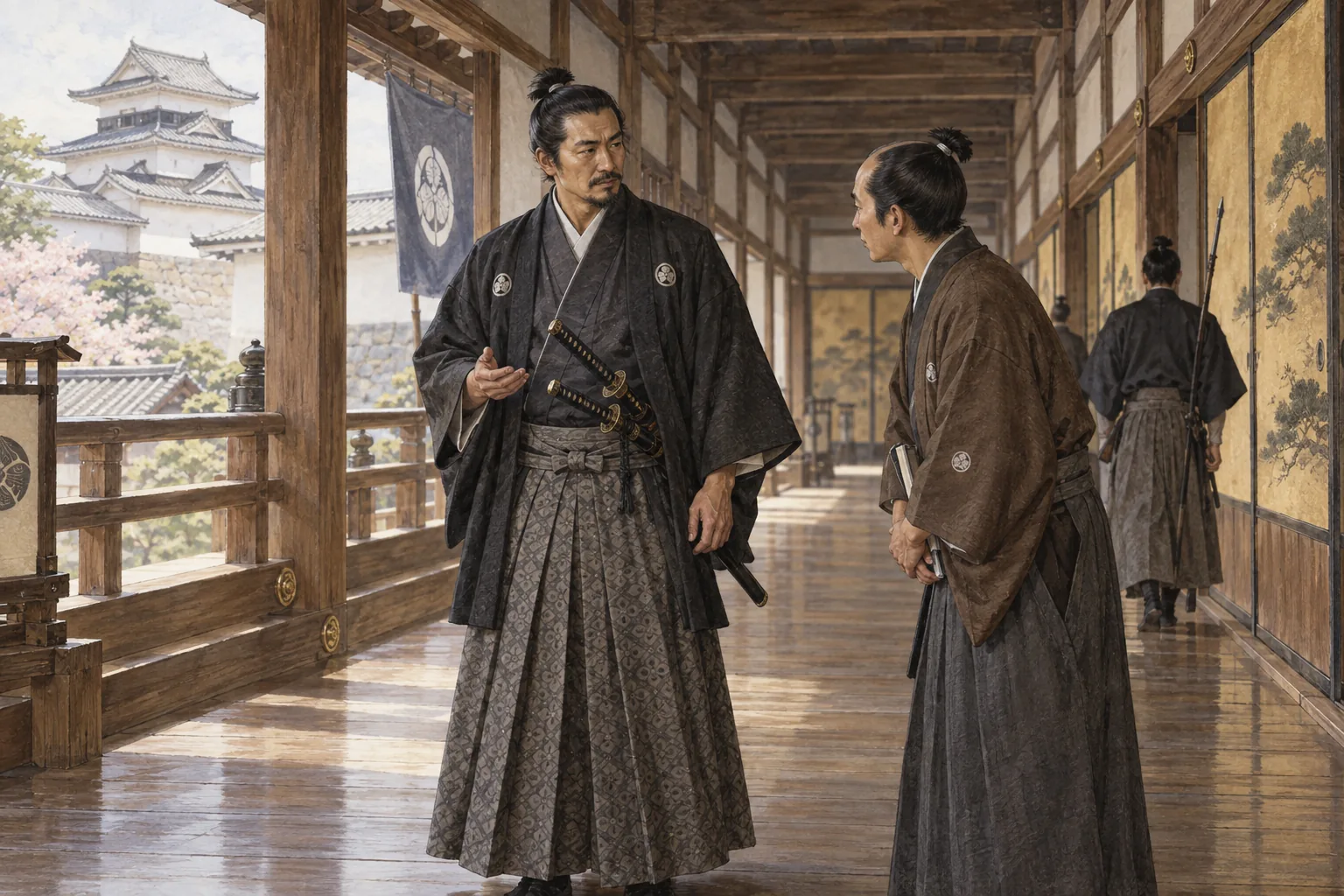
侍は「戦士」である前に「役人」だった。江戸時代の260年間、戦争はほぼ起きていない。
一言で言うと
これだけ覚えれば最低限伝わる一文
The samurai were Japan's hereditary warrior class, who spent most of their history as administrators rather than fighters.
侍は日本の世襲の武士階級で、その歴史の大半を、戦士ではなく行政官として過ごしました。
30秒で説明する
外国人に説明するときの標準サイズ
The samurai emerged around the tenth century as armed retainers and became the ruling class for nearly seven hundred years. During the Edo period, which lasted over two and a half centuries with almost no warfare, most samurai worked as bureaucrats, accountants and officials who happened to wear two swords. The class was abolished in the 1870s.
侍は10世紀ごろに武装した家臣として現れ、およそ700年にわたって支配階級となりました。260年以上続きほとんど戦争のなかった江戸時代には、多くの侍は官僚・会計係・役人として働き、刀を二本差していただけでした。この身分は1870年代に廃止されました。
スピーチ・英作文
通訳案内士の二次口述・大学入試の自由英作文に
The samurai are the most recognizable thing about old Japan abroad, and the image is usually of a warrior in armor. That is accurate for parts of the history and misleading for most of it. The samurai emerged around the tenth century as armed retainers of landowners, and by the twelfth century they had taken political power.
The centuries of civil war that people picture are real. But the Edo period, from 1603 to 1868, lasted over two hundred and sixty years with almost no internal warfare, and during that time the samurai were a hereditary class of administrators. They ran domain finances, kept records, managed rice stipends and were often in debt to merchants they legally outranked.
Many never fought. The class was abolished in the 1870s along with the right to carry swords, and within a generation former samurai were bankers, teachers and soldiers in a conscript army. So when someone asks what a samurai was, the honest answer is: a class, not a job.
海外で最もよく知られた古い日本の存在が侍で、思い浮かべられるのはたいてい甲冑の戦士です。それは歴史の一部としては正確ですが、大部分については誤解を招きます。侍は10世紀ごろ、土地を持つ者に仕える武装した家臣として現れ、12世紀には政治の実権を握りました。
人が思い描く内乱の世紀は実在します。しかし1603年から1868年までの江戸時代は260年以上続き、国内の戦はほとんどありませんでした。その間、侍は世襲の行政官の階級でした。藩の財政を回し、記録をつけ、米の俸禄を管理し、しばしば身分では下にあたる商人に借金をしていました。
一度も戦わなかった者も多くいます。この身分は1870年代に帯刀の権利とともに廃止され、一世代のうちに、元侍は銀行員や教師、徴兵制の軍の軍人になりました。侍とは何かと聞かれたときの正直な答えは、職業ではなく身分だった、ということです。
こう聞かれたら
外国人から実際にされる質問と、その答え方。
Were all samurai rich?
武士はみんな裕福だったのですか。
No. Rank within the class varied enormously, and low-ranking samurai in the Edo period were often poor, living on small rice stipends while merchants below them in status grew wealthy.
違います。階級の中の序列は非常に幅があり、江戸時代の下級武士は貧しいことが多く、わずかな俸禄で暮らす一方、身分が下の商人が富を築いていました。
Were there women samurai?
女性の武士はいたのですか。
Women of samurai families were trained in weapons, particularly the naginata, for defending the household, and some fought in recorded battles. They were not, however, a recognized category of retainer.
武家の女性は家を守るため、とくに薙刀の武芸を身につけ、記録に残る戦いで戦った例もあります。ただし家臣の身分として認められた分類ではありませんでした。
What happened to them?
その人たちはどうなったのですか。
The Meiji government abolished the class system in the 1870s, ended hereditary stipends and banned sword-carrying. Some rebelled, most adapted, and the former samurai became a large part of the new bureaucracy and officer corps.
明治政府は1870年代に身分制を廃し、世襲の禄を廃止し、帯刀を禁じました。反乱を起こした者もいますが、多くは適応し、元武士は新しい官僚機構と将校層の大きな部分になりました。
誤解されやすい
MYTHSamurai spent their lives fighting duels and battles.
侍は生涯を決闘と合戦に費やしたと思われがちです。
FACTFor the longest single stretch of their history, over 260 years, Japan was at peace internally and most samurai worked as officials. Many never drew a sword in combat.
その歴史で最も長く続いた260年以上のあいだ、国内は平和で、多くの侍は役人として働いていました。実戦で刀を抜いたことのない者も大勢います。
そのまま使えるフレーズ
- It was a class, not a job.職業ではなく、身分でした。
- For over 260 years there was almost no warfare.260年以上、ほとんど戦はありませんでした。
- Most of them worked as administrators.多くは行政の仕事をしていました。
- Low-ranking samurai were often poor.下級の武士はたいてい貧しかったです。
- The class was abolished in the 1870s.この身分は1870年代に廃止されました。
説明に使う語句
- warrior class武士階級
- retainer家臣
- hereditary世襲の
- stipend俸禄、扶持
- abolish廃止する
動画で見る
YouTube より豆知識
江戸時代の身分制は「士農工商」として教えられてきたが、近年の歴史学ではこの四文字が当時の実態を表す制度名ではなかったとされ、教科書の記述も見直されている。武士の禄は米で支給され、その米を換金する必要があったため、商人への依存と借金が構造的に生じた。1876年の廃刀令で帯刀が禁じられ、1873年の徴兵令で軍は国民皆兵に移行した。不満を持つ士族の反乱は各地で起き、1877年の西南戦争が最大かつ最後のものとなった。なお「侍」と「武士」は厳密には同義ではなく、「侍」はもともと貴人に仕える者を指す語だった。
