武士道ぶしどう
bushido
the way of the warrior
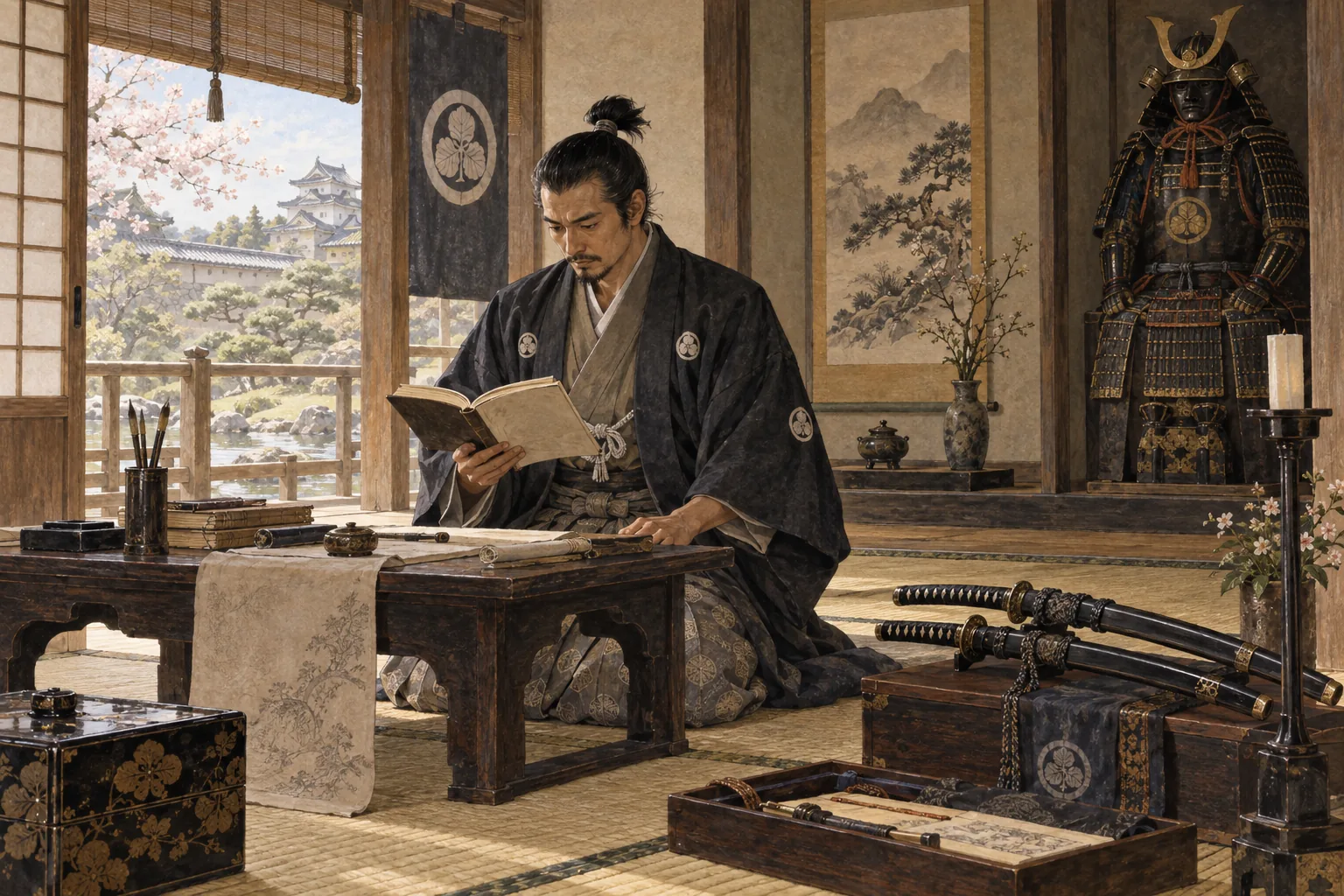
「武士道」が広く知られたのは明治以降。英語で書かれた一冊の本がきっかけの一つ。
一言で言うと
これだけ覚えれば最低限伝わる一文
Bushido is the code of the samurai, but it was written down as a system mainly after the samurai ceased to exist.
武士道は武士の道徳とされますが、体系としてまとめられたのは主に、武士がいなくなったあとです。
30秒で説明する
外国人に説明するときの標準サイズ
Bushido refers to the ethical code of the samurai: loyalty, honor, courage, self-discipline. There was no single agreed text during the samurai era. The version known worldwide comes largely from a book written in English in 1900 by Inazo Nitobe, for foreign readers, three decades after the samurai class was abolished.
武士道とは武士の道徳、すなわち忠義・名誉・勇気・克己を指します。武士がいた時代に、共通の一冊があったわけではありません。世界に知られる形は、武士という身分が廃止されて30年ほどたった1900年に、新渡戸稲造が外国の読者に向けて英語で書いた本に多くを負っています。
スピーチ・英作文
通訳案内士の二次口述・大学入試の自由英作文に
Bushido means the way of the warrior, and it is usually presented as the ancient moral code of the samurai. The reality is more interesting. During the centuries when samurai actually existed, there was no single agreed code.
Different domains and different writers said different things, and one of the most famous texts, the Hagakure, was dictated in the early eighteenth century by a retainer who never fought a battle. The version of bushido the world knows comes largely from a book called Bushido: The Soul of Japan, written in English in 1900 by Inazo Nitobe.
He wrote it for Western readers, constantly comparing samurai ideals with European chivalry and Christian ethics, at a time when Japan wanted to be understood as a civilized modern nation. So bushido is real in the sense that samurai ethics existed, and constructed in the sense that its systematic form was assembled late and partly for export. Both halves are true.
武士道は武士の道を意味し、たいてい侍の古い道徳律として紹介されます。実際はもっと興味深いものです。侍が実在した何世紀ものあいだ、共通の一つの規範はありませんでした。藩によって、書き手によって言うことが違い、最も有名な書のひとつである『葉隠』は、18世紀初めに、一度も戦を経験していない家臣が口述したものです。
世界が知っている武士道は、1900年に新渡戸稲造が英語で書いた『武士道』に多くを負っています。彼は西洋の読者に向け、ヨーロッパの騎士道やキリスト教の倫理と絶えず比べながら書きました。
日本が文明国として理解されたいと願っていた時代のことです。つまり武士道は、武士の倫理が存在したという意味では本物であり、その体系的な形が後から、一部は輸出のために組み立てられたという意味では作られたものです。その両方が真実です。
こう聞かれたら
外国人から実際にされる質問と、その答え方。
So was bushido invented?
では武士道は作られたものなのですか。
Not invented from nothing. Samurai ethical writing existed for centuries. What was assembled later is the idea of a single unified code, and the specific list of virtues most people can recite.
何もないところから作られたのではありません。武士の倫理を説く書は何世紀も前からあります。後から組み立てられたのは「一つの統一された規範」という考え方と、多くの人が挙げられる徳目の一覧です。
What is the Hagakure?
『葉隠』とは何ですか。
A collection of sayings dictated by Yamamoto Tsunetomo in the early eighteenth century, famous for the line that the way of the warrior is found in death. It was little known outside its own domain at the time, not a standard text.
18世紀初めに山本常朝が口述した言葉を集めたもので、「武士道と云うは死ぬ事と見付けたり」の一節で知られます。当時は藩の外ではほとんど知られておらず、標準的な書ではありませんでした。
Does it still influence Japan today?
いまの日本にも影響が残っていますか。
The vocabulary does. Words like loyalty, perseverance and doing your duty appear in sport and corporate language. Whether that is continuity or later borrowing is genuinely debated by historians.
語彙としては生きています。忠義・忍耐・務めを果たすといった言葉はスポーツや企業の言い回しに残ります。それが連続なのか、後からの借用なのかは、歴史学で実際に議論されています。
誤解されやすい
MYTHBushido was a fixed code that all samurai followed for centuries.
武士道は何世紀も全侍が従った定まった規範だと思われがちです。
FACTNo single agreed code existed during the samurai era. The unified version was largely formulated around 1900, partly for a foreign readership.
武士の時代に合意された一つの規範は存在しませんでした。統一された形が整えられたのは主に1900年ごろで、一部は外国の読者に向けてのことでした。
そのまま使えるフレーズ
- There was no single agreed code at the time.当時、共通の一つの規範はありませんでした。
- The famous book was written in English in 1900.有名な本は1900年に英語で書かれました。
- It was written for foreign readers.外国の読者に向けて書かれたものです。
- Loyalty, honor and self-discipline are the usual virtues listed.忠義・名誉・克己が、よく挙げられる徳目です。
- Both things are true: it's real and it was assembled late.本物でもあり、後から組み立てられたものでもあります。
説明に使う語句
- code of conduct行動規範
- loyalty忠義、忠誠
- honor名誉
- virtue徳
- construct (verb)(概念を)組み立てる
動画で見る
YouTube より豆知識
新渡戸稲造の『Bushido: The Soul of Japan』は1900年に米国で出版され、複数の言語に翻訳された。セオドア・ルーズベルト大統領が愛読したという逸話が知られる。新渡戸は札幌農学校でキリスト教に触れ、のちに国際連盟事務次長を務めた人物で、旧五千円札の肖像にもなった。『葉隠』は佐賀藩士・山本常朝の言葉を田代陣基が筆録したもので、江戸期には藩外にほとんど知られていなかったが、昭和期に広く読まれた。歴史学では、武士の倫理を説く文献は中世から存在するものの、「武士道」という語が体系的な道徳として定着したのは近代であるという整理が一般的である。
