定年と再雇用ていねんとさいこよう
teinen
mandatory retirement age and rehiring
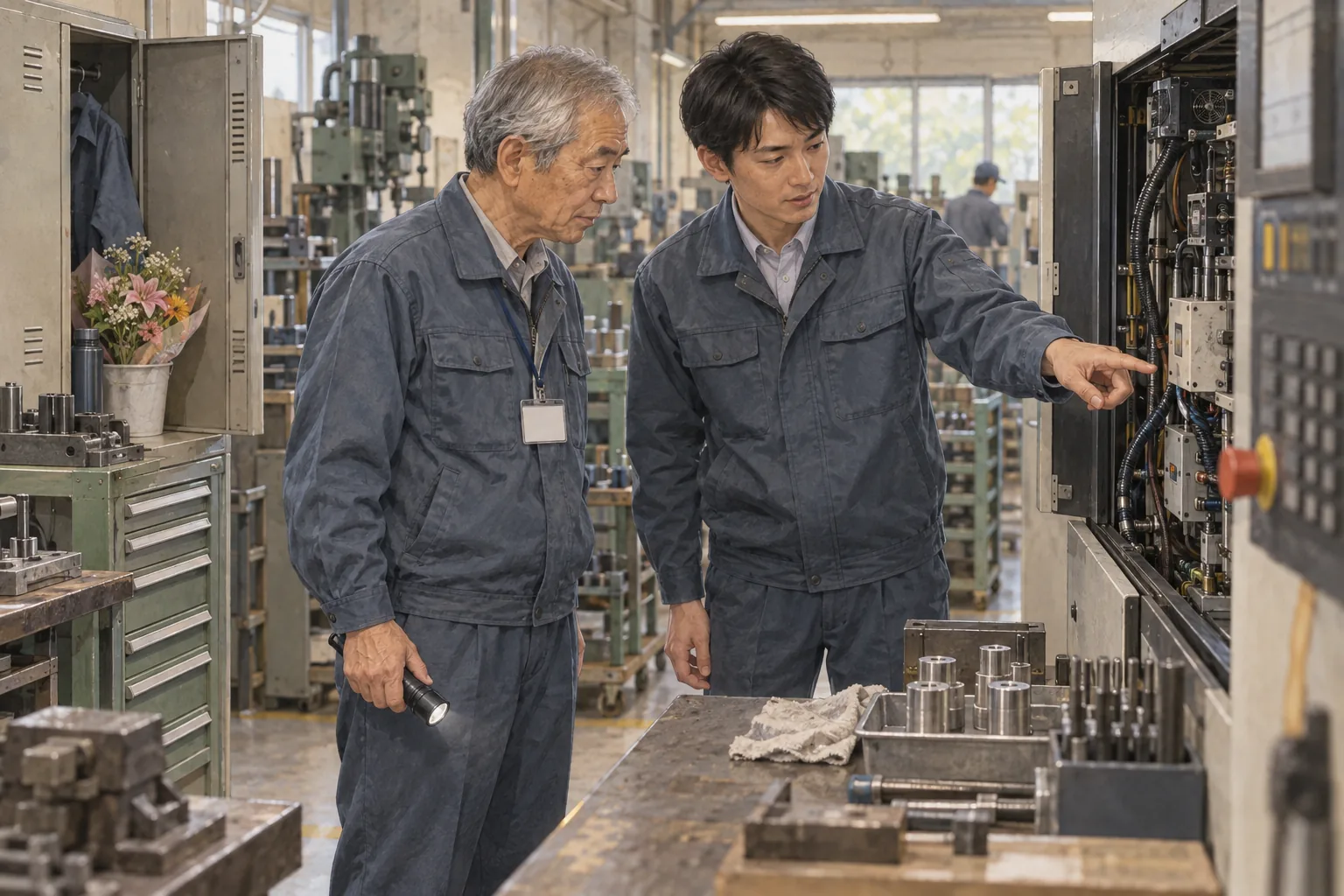
定年で一度辞めて、翌日から同じ職場に、安い給料で再雇用される。
一言で言うと
これだけ覚えれば最低限伝わる一文
Teinen is a fixed retirement age, after which many workers are rehired by the same company on worse terms.
定年とは決められた年齢での退職で、その後、多くの人が同じ会社に条件を下げて再雇用されます。
30秒で説明する
外国人に説明するときの標準サイズ
Japanese companies set a retirement age, commonly sixty. Employers must secure employment to sixty-five, usually by rehiring the person on a one-year contract at reduced pay, and since 2021 they have had a duty to make efforts to offer work opportunities up to seventy. The result is that many people keep doing the same job for less money.
日本の企業は定年を定めており、60歳とする例が一般的です。事業主には65歳までの雇用の確保が義務づけられていて、多くは一年ごとの契約で給与を下げて再雇用する形をとります。2021年からは70歳までの就業機会の確保が努力義務とされました。その結果、同じ仕事を安い給料で続ける人が多くいます。
スピーチ・英作文
通訳案内士の二次口述・大学入試の自由英作文に
Most Japanese companies still have a fixed retirement age, usually sixty, at which an employee formally leaves regardless of ability. Because people live long after that and pensions do not start immediately, the law requires employers to secure employment up to sixty-five, and the commonest way of doing it is continued employment: the person retires, receives their lump sum, and is rehired the next day, frequently on a one-year renewable contract doing much the same work for substantially less, sometimes half.
Since April 2021 employers have also had a duty to make efforts to provide work opportunities up to seventy, which can include raising the retirement age, abolishing it, continued employment, or contracting arrangements. The system is widely criticized from both directions: as a waste of experienced people, and as age-based treatment that would be unlawful in several other countries. It persists partly because seniority pay makes older workers expensive, so a reset at sixty is how firms reconcile the two.
日本の企業の多くは今も定年を定めていて、たいていは60歳です。そこで能力にかかわらず形式上は退職します。その後の人生は長く、年金もすぐには始まらないため、法律は事業主に65歳までの雇用の確保を義務づけています。最も多い方法は継続雇用です。
いったん退職して退職金を受け取り、翌日から再雇用され、多くは一年ごとに更新する契約で、ほぼ同じ仕事を、大幅に下がった給与で、ときに半分ほどで続けます。2021年4月からは、70歳までの就業機会の確保が努力義務とされました。定年の引き上げ、定年の廃止、継続雇用、業務委託などの形が認められています。
この仕組みは両方向から批判されています。経験のある人材の無駄だという批判と、年齢による扱いの差は他のいくつかの国では違法だという批判です。それでも続いているのは、ひとつには年功賃金のもとで年長の社員が高くつくためで、60歳での仕切り直しが、その二つを折り合わせる方法になっているからです。
こう聞かれたら
外国人から実際にされる質問と、その答え方。
Does the pay really drop that much?
収入は本当にそんなに下がるのですか。
Often substantially, and disputes have reached the courts over how large a gap is acceptable for the same work. The Supreme Court has ruled on cases about differences between regular and rehired staff, and the answer depends on which element of pay is at issue.
大きく下がることが多く、同じ仕事でどこまでの差が許されるかをめぐって裁判にもなっています。最高裁は正社員と再雇用の社員の待遇差について判断を示しており、賃金のどの項目が争点かによって結論が変わります。
Why not just abolish the retirement age?
定年をなくしてしまえばいいのではありませんか。
Some firms have, and the law lists abolition as one way to meet the duty. The obstacle is pay structure: under seniority-based wages a long-serving employee is expensive, and without the reset at sixty companies would have to redesign the whole curve.
廃止した企業もありますし、法律も廃止を義務を満たす方法の一つに挙げています。障害になっているのは賃金の組み立てです。年功型の賃金のもとでは長く勤めた社員は高くつき、60歳での仕切り直しがなければ、企業は賃金曲線そのものを作り直さなければなりません。
そのまま使えるフレーズ
- The retirement age is usually sixty.定年はたいてい60歳です。
- They're rehired the next day on a contract.翌日から契約で再雇用されます。
- The pay often drops sharply.給与は大きく下がることが多いです。
- Employers must secure work to sixty-five.65歳までの雇用確保が義務です。
説明に使う語句
- retirement age定年
- continued employment継続雇用
- retirement lump sum退職金
- fixed-term contract有期契約
動画で見る
YouTube より豆知識
高年齢者雇用安定法により、65歳までの雇用確保措置が義務づけられており、定年の引き上げ、定年の廃止、継続雇用制度のいずれかを講じる必要があります。2021年4月の改正で、70歳までの就業機会の確保が努力義務となり、業務委託契約や社会貢献事業への従事も選択肢に加わりました。継続雇用では嘱託社員として一年ごとに契約を更新する形が多く見られます。公的年金の受給開始年齢の引き上げと、この制度の整備は連動して進められてきました。
