社内失業しゃないしつぎょう
shanai shitsugyo
being kept on payroll with no real work to do
クビにはならないが、仕事も与えられない社員。
一言で言うと
これだけ覚えれば最低限伝わる一文
Japan's strong job protection can leave some employees paid but given no real work.
日本の強い雇用保護は、給与を払われながら仕事を与えられない社員を生むことがあります。
30秒で説明する
外国人に説明するときの標準サイズ
Japanese law makes firing a regular employee difficult, so a company that no longer needs someone's skills sometimes keeps them on payroll instead of dismissing them. The person may be shifted to a desk with little to do, nicknamed a window-side seat because such desks were often by the window, away from the busy center of the office. It is not dismissal, but it can work as a quiet, demoralizing push toward resigning, and deliberately giving someone no work at all is listed in government guidance as a form of power harassment.
日本では正社員を解雇することが法律上とても難しいため、必要のなくなった人を辞めさせる代わりに、給与を払ったまま働かせ続ける会社があります。窓際族と呼ばれるのは、そうした机が、忙しい部署から離れた窓際に置かれることが多かったからです。解雇ではありませんが、本人が自分から辞めるよう静かに追い込む働きになることがあり、わざと仕事を与えないことは、国の指針でパワハラの一つ(過小な要求)に挙げられています。
スピーチ・英作文
通訳案内士の二次口述・大学入試の自由英作文に
One of the least understood features of Japanese employment is what happens when a company cannot use an employee's skills but also cannot easily fire them. Dismissal of a regular employee requires an objectively reasonable and socially acceptable reason, and courts read that standard strictly, so many companies simply avoid it.
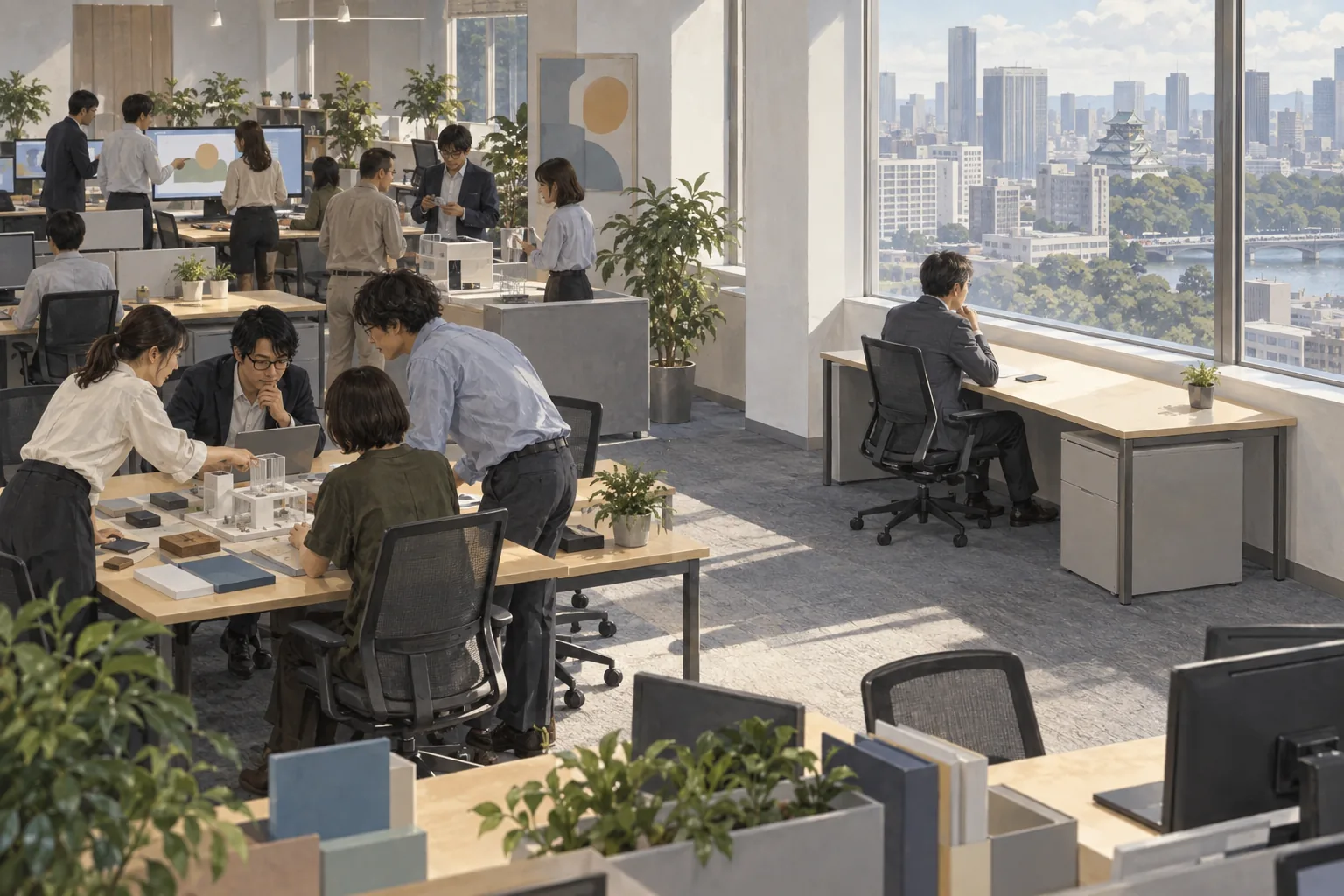
Instead, the person is moved sideways: transferred to a department with no real duties, given a desk by the window, and left there, sometimes for years. This is called madogiwa zoku, the window-side tribe, a phrase that captures both the physical seat and the social isolation.
It rarely leads to a lawsuit, because it is hard to prove, although deliberately giving someone no work at all is listed in government guidance as a form of power harassment. It is one reason Japanese lifetime employment looks secure from outside but can feel precarious from within.
日本の雇用でいちばん誤解されやすいことの一つが、会社が社員の能力を活かせなくなっても、簡単には解雇できないときに何が起きるか、ということです。正社員の解雇には客観的に合理的で社会通念上相当な理由が必要とされ、裁判所はこの基準を厳しく読むため、多くの会社は解雇そのものを避けます。
代わりに、その人は横へ動かされます。実質的な仕事のない部署に異動させられ、窓際の机を与えられ、そのまま何年も置かれることさえあります。これは窓際族と呼ばれ、物理的な座席と、社会的な孤立の両方を言い表した言葉です。
訴訟に至ることはめったにありません。立証が難しいからですが、わざと仕事を与えないことは、国の指針でパワハラの一つに挙げられています。日本の終身雇用が、外からは安定して見えても、内側からは不安定に感じられることがある理由の一つです。
こう聞かれたら
外国人から実際にされる質問と、その答え方。
Why doesn't the company just fire the person?
どうして会社はその人を解雇しないのですか。
Japanese courts require a strong, specific reason to dismiss a regular employee, and a mismatch of skills or a shrinking department usually is not enough on its own. Reassigning someone to light duties is far safer for the company legally.
日本の裁判所は、正社員を解雇するには強く具体的な理由を求めており、能力の不一致や部署の縮小だけでは通常十分ではありません。会社にとっては、軽い仕事に配置換えするほうが法的にずっと安全です。
Does this still happen today?
今でもこうしたことは起きているのですか。
Less than in the past, because labor shortages make companies reluctant to waste staff, and reskilling programs are more common now. It still appears in industries going through restructuring or at older, slower-growing firms.
以前より少なくはなっています。人手不足のため、会社が人材を無駄にすることをためらうようになり、学び直しの制度も増えたからです。それでも、再編中の業界や、成長の鈍い古い会社ではまだ見られます。
What does the person usually do?
その人は普段どんなことをして過ごすのですか。
Very little, by design: filing, simple data entry, or nothing at all. Some use the time to study for qualifications or plan a move to another company, since staying on the payroll gives them an income while they look.
意図的にほとんど仕事がありません。書類整理や単純な入力作業、あるいは何もしないこともあります。中には、その時間を資格の勉強や転職の準備に使う人もいます。給与を受け取りながら次を探せるからです。
そのまま使えるフレーズ
- He's basically been put on the shelf.彼は事実上、飼い殺しにされています。
- There's no real work in that department anymore.あの部署にはもう実質的な仕事がありません。
- They can't fire him, so they moved him instead.解雇できないので、代わりに異動させたのです。
- She spent two years at a window-side desk.彼女は二年間、窓際の机で過ごしました。
- It's a soft way of pushing someone out.それとなく辞めさせる、穏やかなやり方です。
説明に使う語句
- window-side tribe窓際族
- regular employee正社員
- abuse of the right to dismiss解雇権の濫用
- restructuringリストラ
- reskilling学び直し
動画で見る
YouTube より豆知識
解雇権濫用法理と呼ばれる判例上のルールにより、日本では正社員の解雇に客観的合理性と社会的相当性が求められます。この基準の厳しさが、能力の合わなくなった社員を解雇せず配置転換で処理する背景にあります。窓際族という言葉は1970年代から使われ始めたとされ、バブル崩壊後のリストラの時期にも広く使われました。近年は人手不足を背景に、社内で学び直しの機会を設けて配置転換する動きも増えています。
