


 この展示室のワークシート
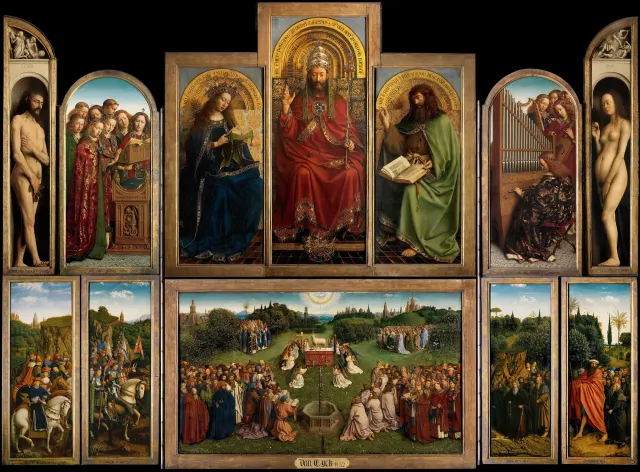
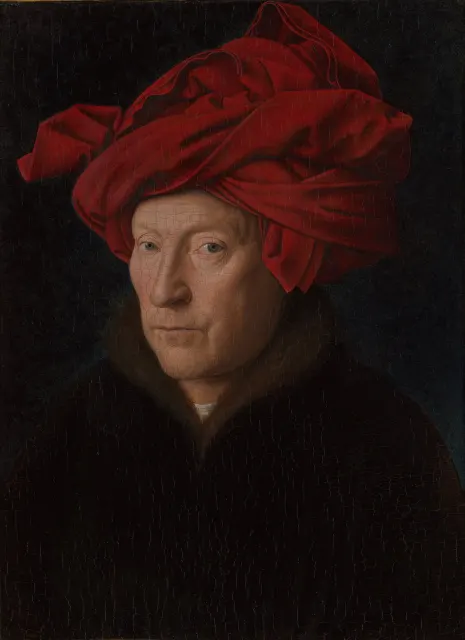
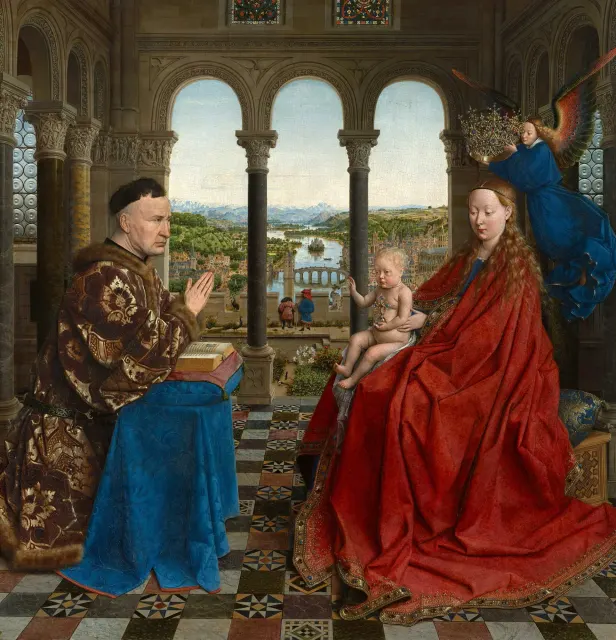
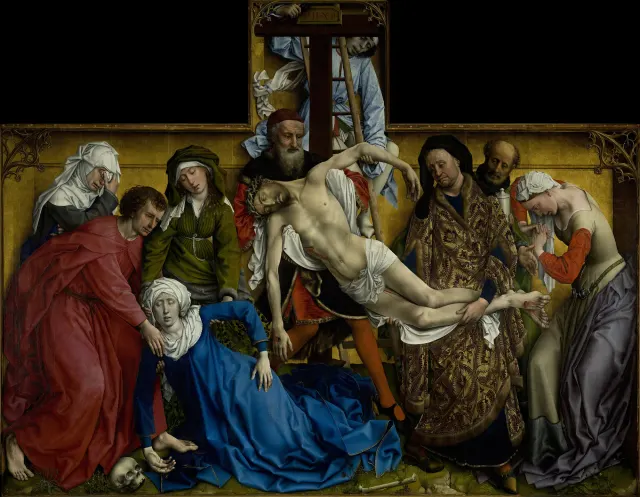
イタリアでルネサンスが花開いていたころ、アルプスの北、フランドル地方(今のベルギーやオランダのあたり)でも新しい絵画が生まれていました。ファン・エイクたちは油絵の具を使いこなし、うすい色を何度も重ねることで、宝石のきらめき、毛皮のやわらかさ、金属に映る光まで、信じられないほど細かく描きました。
While the Renaissance was blooming in Italy, a new kind of painting was born north of the Alps, in Flanders, around today's Belgium and the Netherlands. Jan van Eyck and others mastered oil paint. By building up many thin layers, they painted the sparkle of jewels, the softness of fur and light on metal in amazing detail.
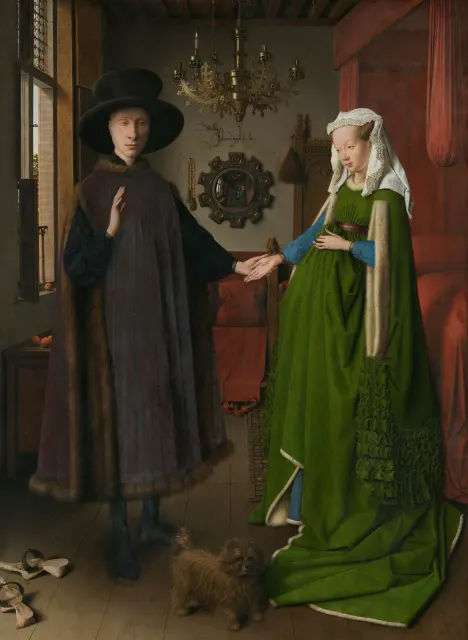
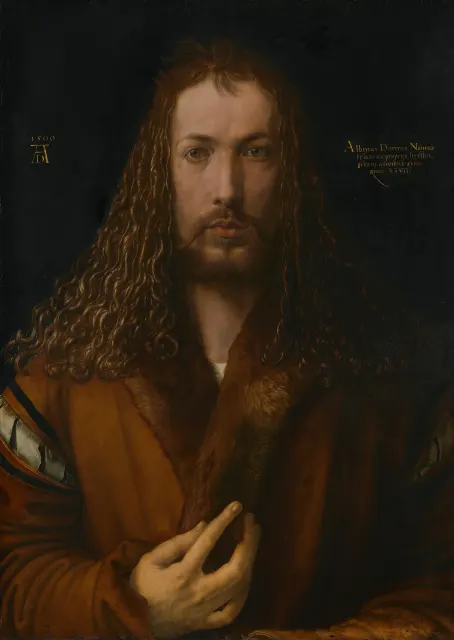
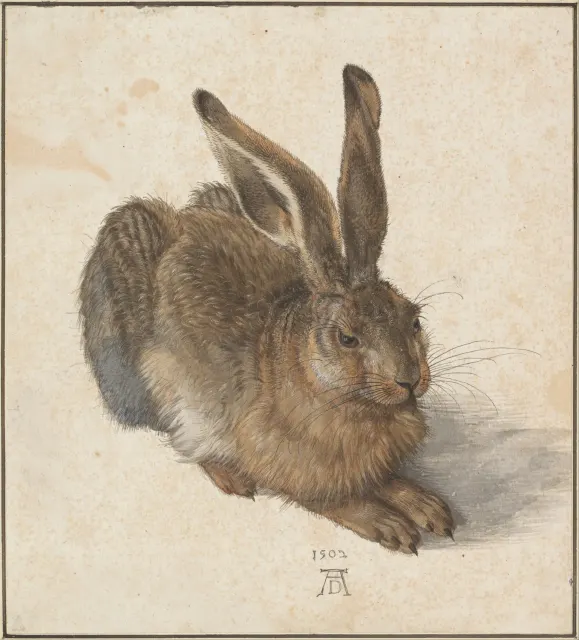
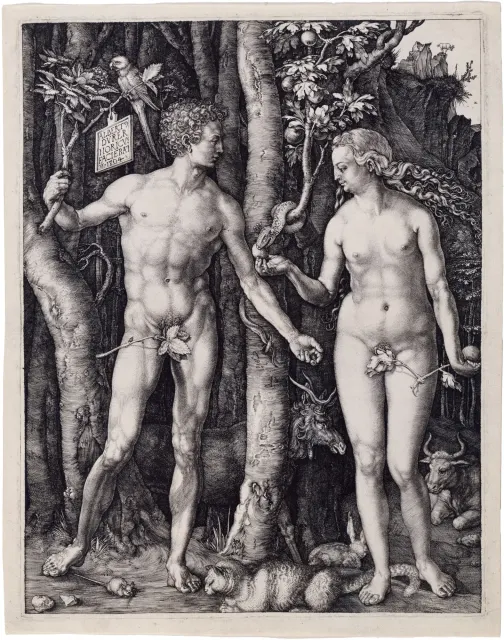
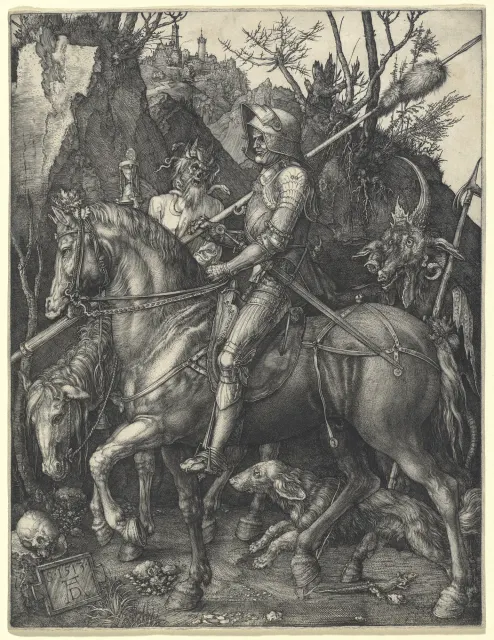
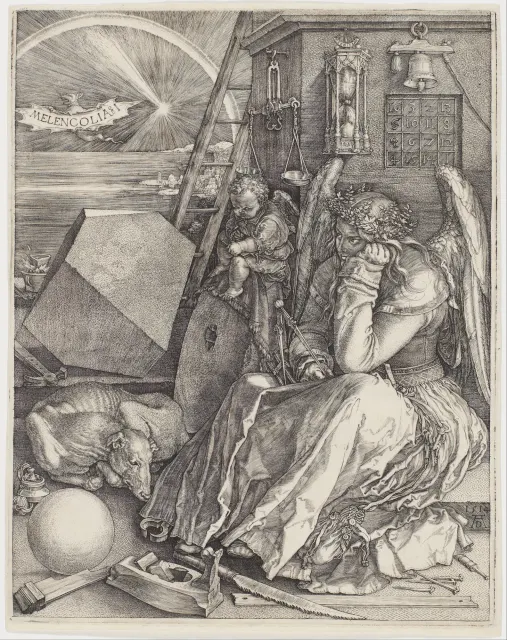
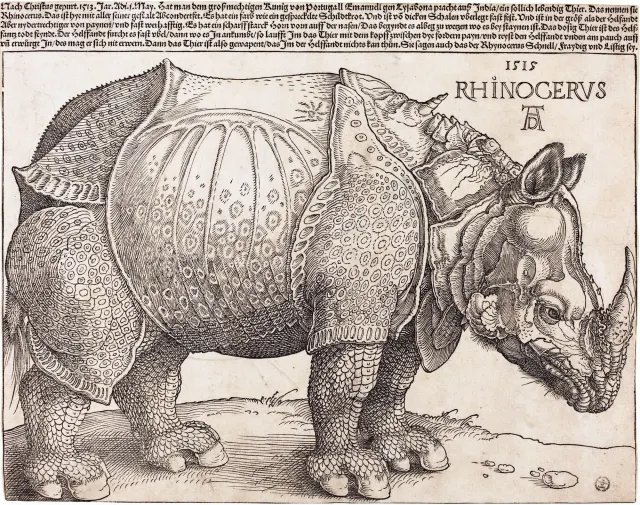
北の画家たちは、遠近法の理論よりも、目に見えるものを一つひとつ正確に写すことを大切にしました。『アルノルフィーニ夫妻の肖像』では、奥の小さな丸い鏡に部屋全体と人物が映っています。ドイツのデューラーは版画で名声をヨーロッパに広め、自分の顔を何度も描いた、画家としての誇りにあふれた人でした。
Northern painters cared less about the theory of perspective and more about copying every visible thing exactly. In The Arnolfini Portrait, a tiny round mirror at the back reflects the whole room. In Germany, Albrecht Dürer became famous across Europe through his prints. He painted his own face many times and was very proud of being an artist.
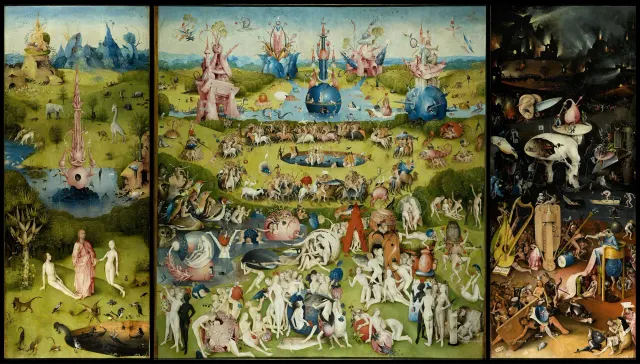
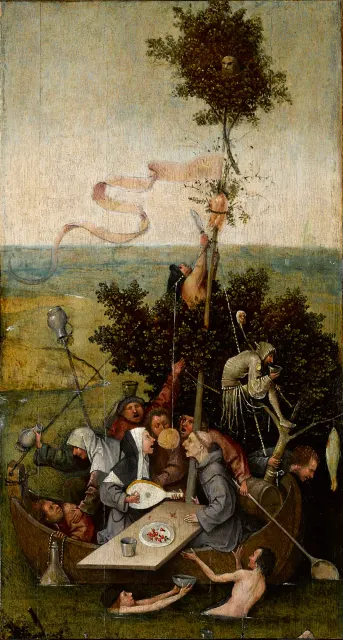
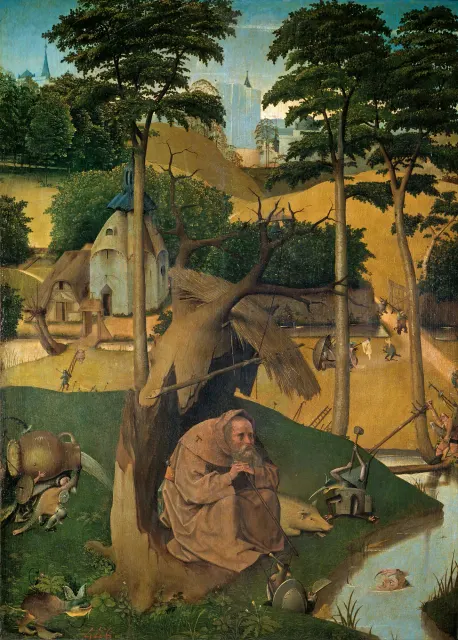
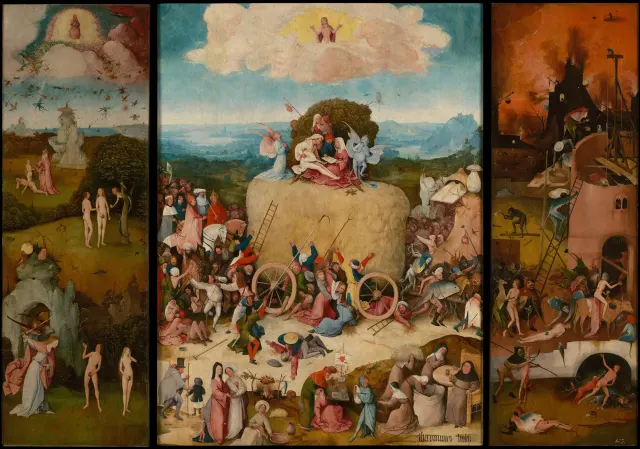
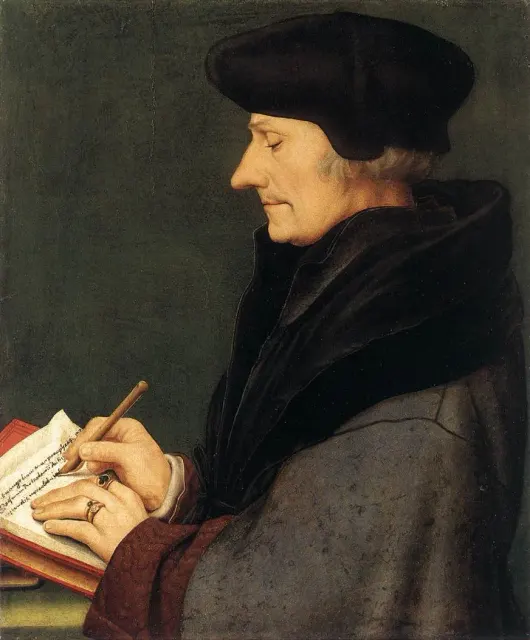
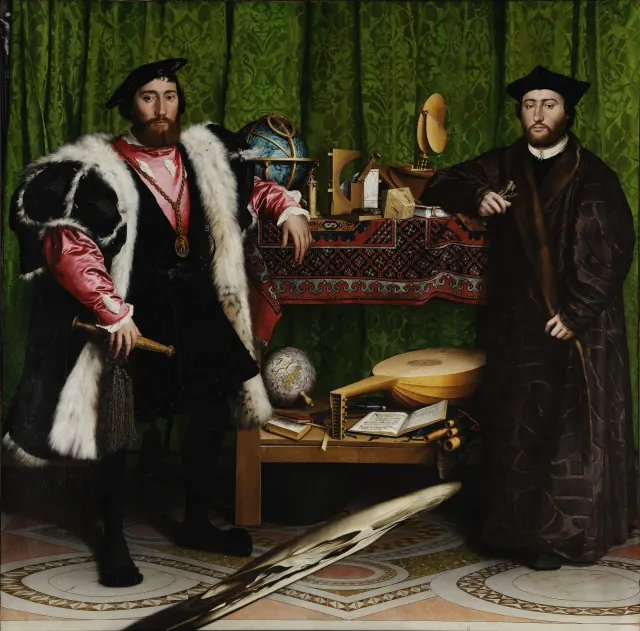
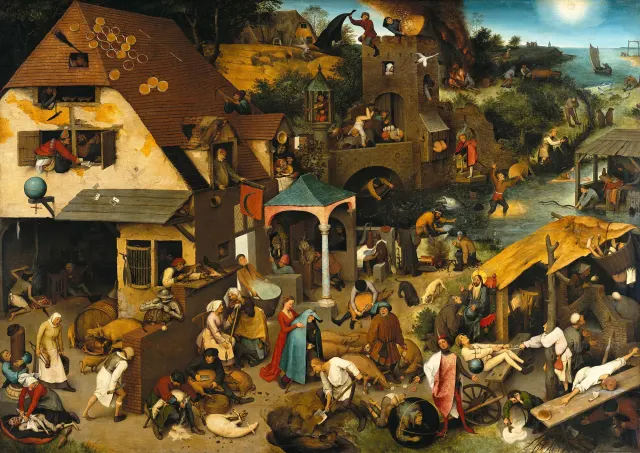
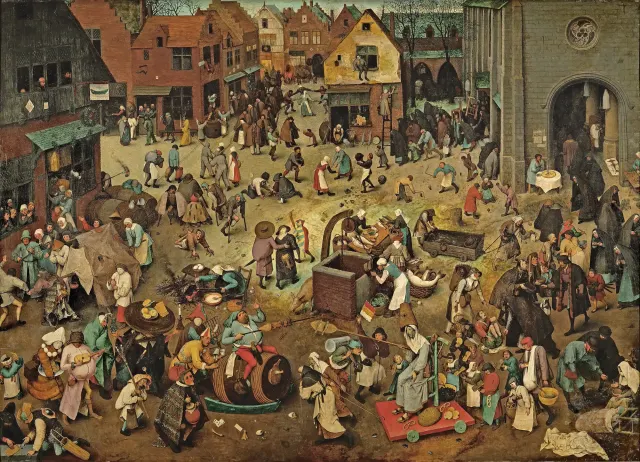
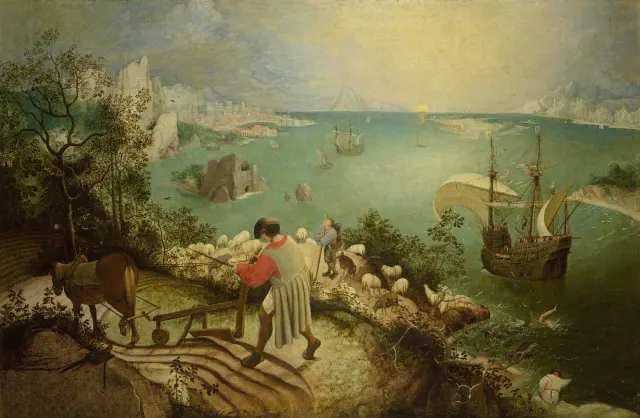
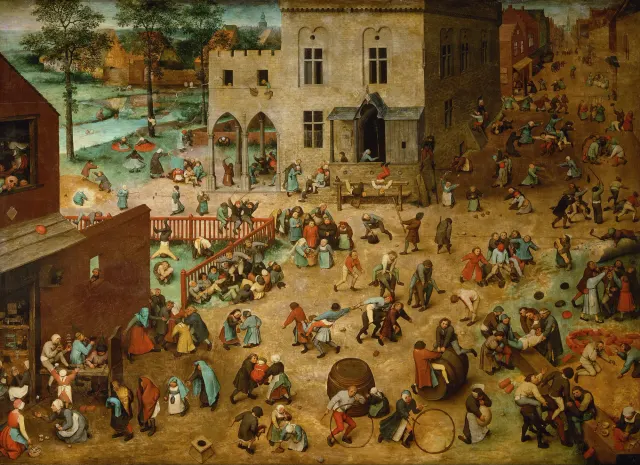
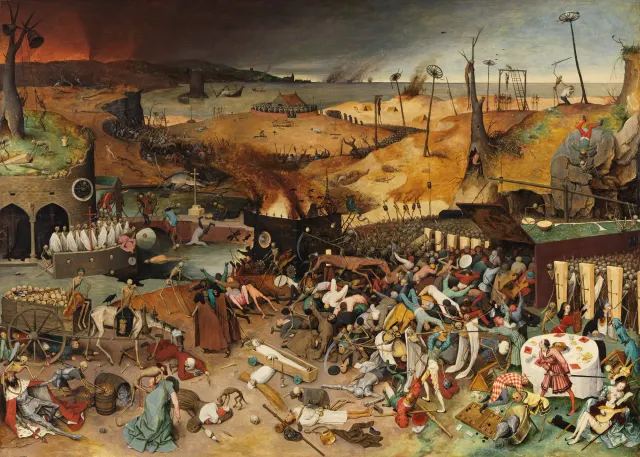
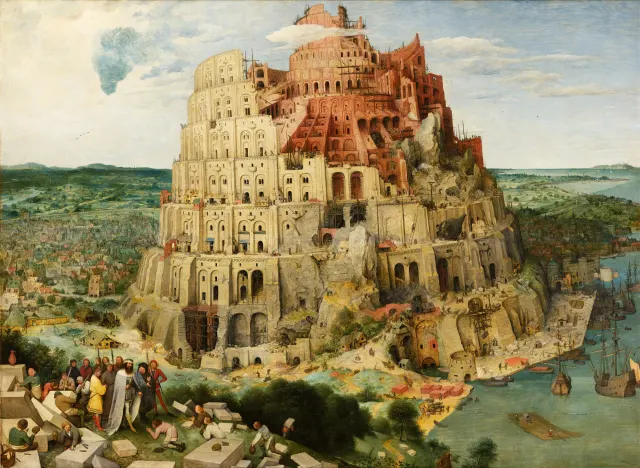
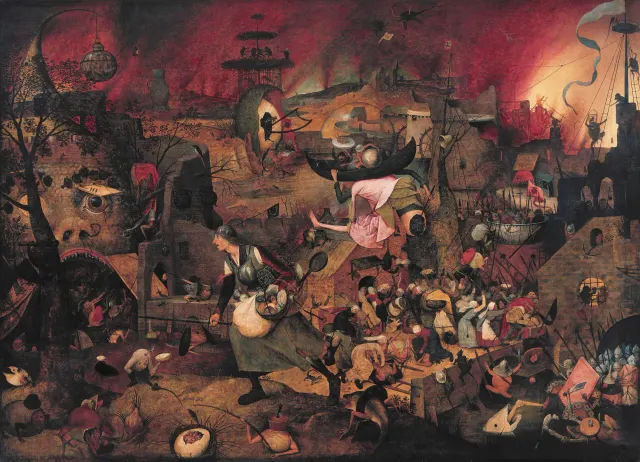
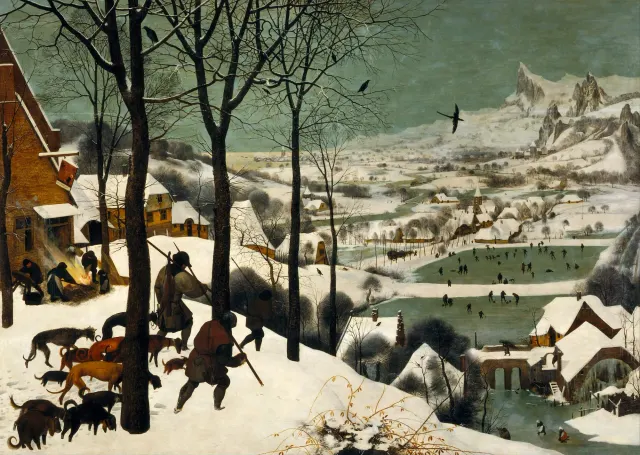
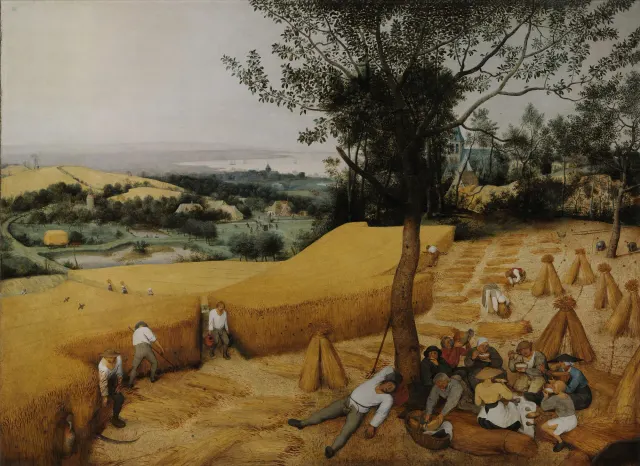
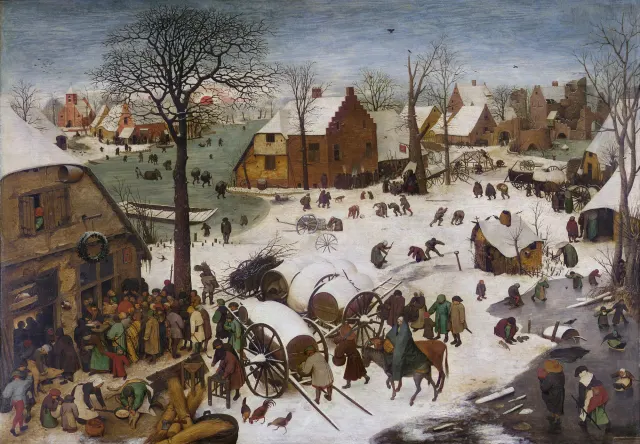
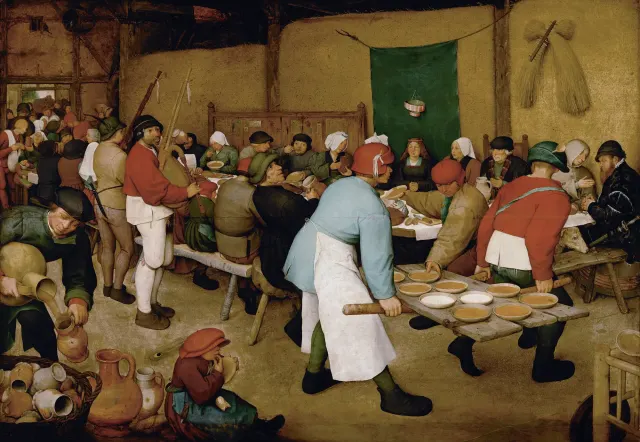
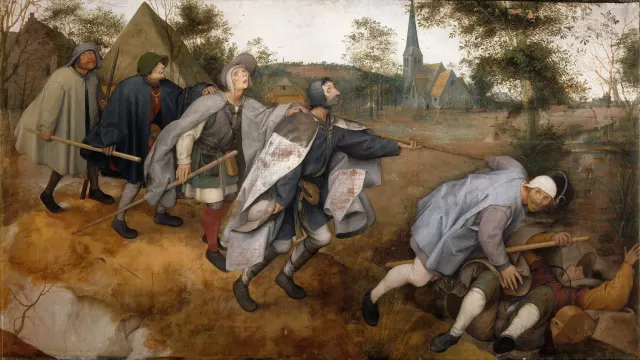
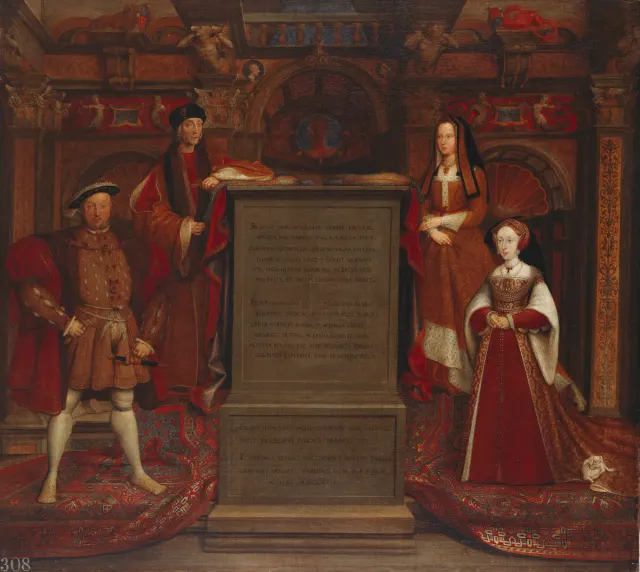
16世紀になると、ボスはふしぎな怪物があふれる想像の世界を、ブリューゲルは農民たちの暮らしや遊び、季節の風景を描きました。ブリューゲルの『子供の遊戯』には、80種類をこえる遊びが描かれているといわれます。イギリスの宮廷では、ドイツ出身のホルバインが、王や大使たちのリアルな肖像を残しました。
In the 16th century, Bosch painted imaginary worlds full of strange creatures, while Bruegel painted the lives, games and seasons of country people. His Children's Games is said to show more than 80 different games. At the English court, the German-born Hans Holbein painted lifelike portraits of the king and foreign ambassadors.
