2026年10月4日(日)(バックナンバー)
今日の日本文化
陶器といわしと古本の日
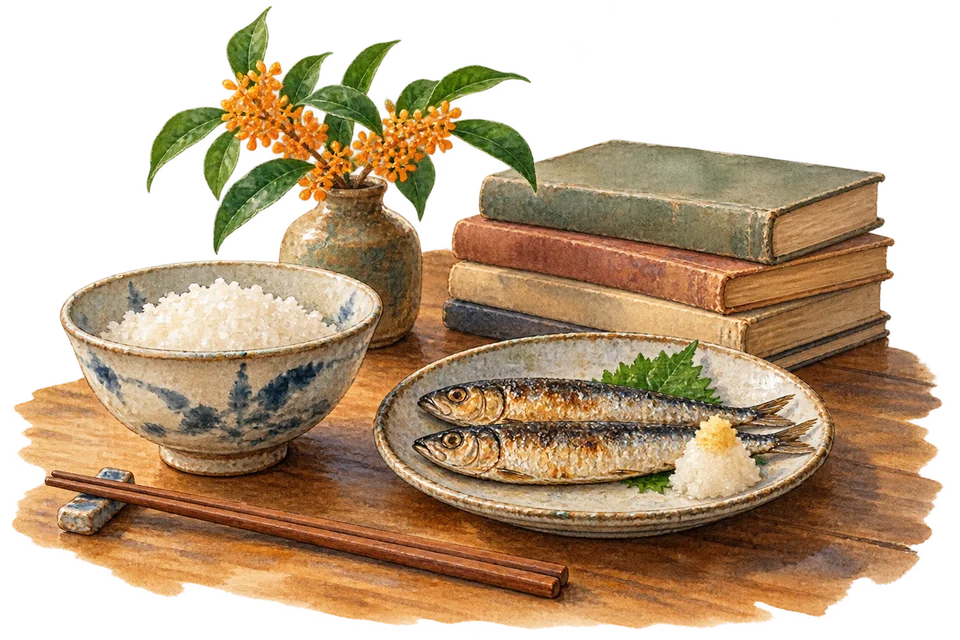
10月4日は、数字の語呂合わせで生まれた記念日が重なる日です。器の陶器、身近な魚のいわし、そして古本。どれも、一つの数字をいくつもの音で読める日本語ならではの記念日です。
今日は何の日
-
1984年制定陶器の日Pottery Day
A national group of pottery wholesalers chose October 4th as Pottery Day in 1984. The pun is a little tricky. Over a thousand years ago, glazed pottery was called toshi. The sound to can stand for 10, and shi for 4. Seto in Aichi, a town so famous for pottery that setomono can mean dishes in general, is said to have proposed it.
日本陶磁器卸商業協同組合連合会が、1984年に10月4日を「陶器の日」と定めました。語呂合わせは少し凝っています。千年以上前、釉薬(うわぐすり)をかけた焼き物は「陶瓷(とうし)」と呼ばれていました。「とう」を10、「し」を4に見立てたのです。提唱したのは、愛知県瀬戸市とされます。「瀬戸物」が器全般を指すことがあるほど、焼き物で知られた町です。
辞典でくわしく › -
1985年制定いわしの日Sardine Day
October 4th is also Sardine Day. Read the numbers 1, 0, 4 as i, wa, shi, and you get iwashi, the Japanese word for sardine. A group in Osaka set up the day in 1985 to promote the fish, which is cheap, tasty, and good for you. Grilled with salt or simmered with ginger, it's everyday home cooking.
10月4日は「いわしの日」でもあります。1、0、4を「い・わ・し」と読むと、「いわし」になります。1985年に大阪の団体が、安くておいしく、栄養も豊かなこの魚を広めようと定めました。塩焼きや、しょうがと一緒に煮る煮付けは、ふだんの家庭料理です。
-
2003年制定古書の日Used Book Day
The national association of secondhand booksellers made October 4th Used Book Day in 2003. Japan has a long tradition of used bookstores, and Jinbocho in Tokyo is famous for having many of them on a few streets. Autumn is often called the season for reading, so it's a good time to dig through old books.
全国古書籍商組合連合会が、2003年に10月4日を「古書の日」と定めました。日本には古本屋の長い伝統があり、東京の神保町は、数本の通りに古書店がたくさん並ぶことで知られています。秋は「読書の秋」とも言われるので、古い本を探すのにちょうどよい季節です。
今日の三択クイズ
10月4日の「陶器の日」。語呂合わせのもとになったとされる、昔の焼き物の呼び名は?
正解は「陶瓷(とうし)」です。奈良・平安時代には、釉薬をかけた焼き物をそう呼んでいたとされ、「陶」を十、「瓷」を四に見立てて10月4日にしたとされます。「瀬戸物」は、愛知県瀬戸市の焼き物から来た言葉で、いまは器全般を指して使われることもあります。
外国人に聞かれたら
Why does everyone in a Japanese family have their own rice bowl?
日本の家族は、どうしてひとりひとり自分のご飯茶碗を持っているの?
In many Japanese homes, each person has their own rice bowl and chopsticks, and nobody else uses them. Plates for side dishes are shared, but your bowl and chopsticks are yours, a bit like your own toothbrush. Kids often get a small bowl with a cartoon character, and adults pick one they like. Of course, it depends on the family, and some homes don't bother.
日本の多くの家では、ひとりひとりが自分専用のご飯茶碗と箸を持っていて、ほかの人は使いません。おかずの皿はみんなで使いますが、茶碗と箸は自分のもので、歯ブラシに少し似ています。子どもはキャラクターの付いた小さな茶碗を使うことが多く、大人は好きなものを選びます。もちろん家庭によって違い、特に決めていない家もあります。
今日のひとこと英語
This is my rice bowl. Could you use that one instead?
これは私の茶碗なんだ。そっちのを使ってもらえる?
「茶碗」を直訳して tea bowl と言うと、抹茶をたてる茶碗を思い浮かべられがちです。ご飯を盛る茶碗は rice bowl と言います。
今日の一文
October 4th in Japan is Pottery Day, Sardine Day, and Used Book Day, all thanks to puns on the date. It's also the time of year when the sweet smell of fragrant olive fills the streets.
日本の10月4日は、日付の語呂合わせから、陶器の日、いわしの日、古書の日です。金木犀の甘い香りが街にただよう季節でもあります。
今日の読みもの
今日に関係する項目
- 工芸標準 陶磁器tojikiJapanese pottery and porcelain 「陶器」と「磁器」は別物。日本の磁器づくりは、朝鮮半島出身の陶工に始まるとされる。
- 工芸標準 焼き物の産地yakimono no sanchithe pottery towns that each make a distinct kind of ware 「日本の陶器」という一つの様式はない。土が違えば、焼き上がりが違う。
- マナー必修 箸のタブーhashi no tabuthings you must never do with chopsticks ご飯に箸を立てる、箸から箸へ渡す。この2つだけは、本当にやってはいけない。
- 食べもの必修 焼き魚yakizakanagrilled fish with salt 塩をふって焼くだけ。日本の朝食の中心にある一皿。
- 工芸標準 備前焼bizen-yakiunglazed pottery from Bizen in Okayama 釉薬を一切かけず、炎と灰だけで色と模様が決まる焼き物。