分をわきまえるぶんをわきまえる
bun o wakimaeru
knowing and staying within your place
実力以上を望まず、自分の立場に合った振る舞いをする。
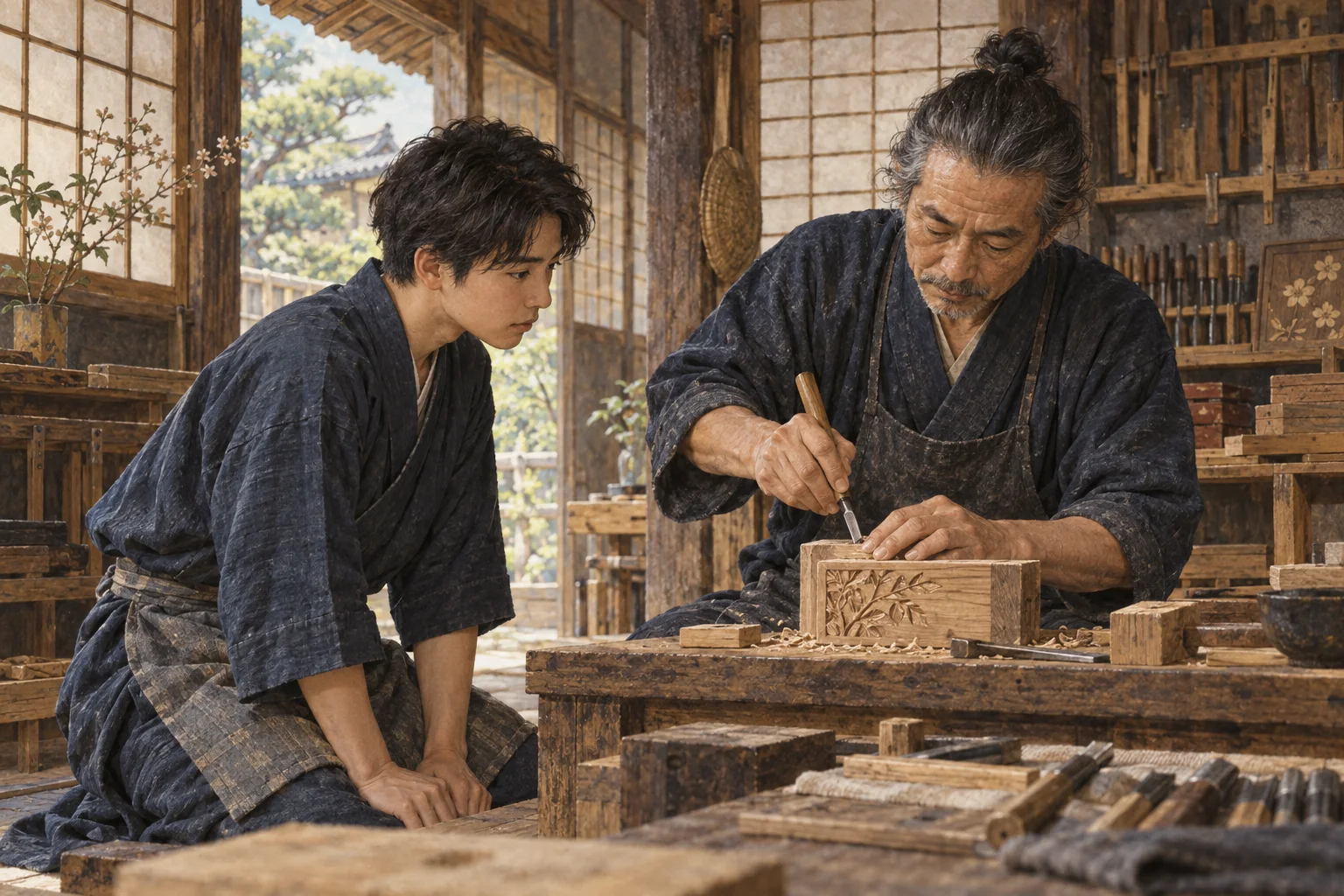
一言で言うと
これだけ覚えれば最低限伝わる一文
This phrase means understanding your position and acting within its proper limits.
この言葉は、自分の立場を理解し、その分に合った振る舞いをすることを意味します。
30秒で説明する
外国人に説明するときの標準サイズ
Bun wo wakimaeru means recognizing your role, rank or ability and behaving accordingly, rather than reaching for status or attention you have not earned. A junior employee who stays quiet in a meeting where only senior staff are expected to speak, or a newcomer who does not demand the best assignment, is often praised for this. The idea has a conservative edge, since it can be used to tell people, especially women or younger workers, to stop asking for more than tradition assigns them, which is why it draws real criticism alongside its praise.
分をわきまえるとは、自分の役割や立場、実力を理解し、まだ得ていない地位や注目を求めず、それにふさわしいふるまいをすることを意味します。年長者だけが発言することになっている会議で静かにしている若手社員や、いちばんよい仕事を要求しない新人は、この点でしばしば評価されます。この考え方には保守的な側面もあり、特に女性や若い働き手に対して、伝統が割り当てた以上を求めるのをやめさせるために使われることもあるため、称賛される一方で本当に批判もされています。
スピーチ・英作文
通訳案内士の二次口述・大学入試の自由英作文に
Bun wo wakimaeru is a phrase you will hear as praise in Japan, and understanding it requires holding two things in mind at once. On one hand, it describes a genuinely useful social skill: correctly reading your role in a given situation, whether that is deferring to someone more experienced in a meeting, not pushing a personal request ahead of the group's needs, or simply not overstepping what your position calls for.
Used this way, it is close to humility combined with situational awareness, and people who lack it are often seen as tone-deaf or self-important. On the other hand, the same phrase has often been aimed at people lower in a hierarchy, such as women, younger employees and newcomers, and critics say it discourages them from asking for promotions, raises, or a say in decisions. Some people now use the word with irony, arguing that telling someone to know their place keeps an unequal status quo in place, while others still use it simply as praise for good judgment.
分をわきまえるは、日本ではしばしば褒め言葉として使われる言い回しですが、これを理解するには、二つのことを同時に頭に置いておく必要があります。一方では、これは本当に役立つ社会的な技能を表しています。ある場面での自分の役割を正しく読み取ること、たとえば会議で経験のある人に一歩譲ること、集団の必要より自分の要望を先に押し出さないこと、自分の立場が求める以上に出しゃばらないことです。
この意味で使われるとき、それは謙虚さと状況を読む力を合わせたようなものに近く、これを欠く人は、空気の読めない人、あるいは自分を大きく見せたがる人と見なされがちです。もう一方で、同じ言葉は、女性や若い社員、新しく入った人など、階層の下にいる人々にしばしば向けられてきました。
そのため、昇進や昇給、決定への発言権を求めにくくさせているという批判もあります。いまではこの言葉を皮肉を込めて使い、分をわきまえろと言うことが不平等な現状を保つことにつながると主張する人がいる一方で、単に判断のよさを褒める言葉として使い続ける人もいます。
こう聞かれたら
外国人から実際にされる質問と、その答え方。
Is this always a compliment?
これは常にほめ言葉なのですか。
Not always. Said with warmth about reading a situation well, it is a compliment, but said sharply to someone who asked for a promotion or spoke up, it functions as a put-down meant to keep them from rising.
常にそうとは限りません。状況をよく読めていることを温かく評価する意味で言われれば褒め言葉ですが、昇進を求めたり発言したりした人に鋭く向けられれば、その人を上がらせないための当てこすりとして働きます。
Who tends to be told to wakimaeru?
誰が分をわきまえろと言われがちなのですか。
It is often said that women, younger employees, and people newer to a group hear it more often than senior men do, which is why the phrase has drawn criticism in discussions about workplace equality.
女性や若い社員、集団に新しく入った人のほうが、年長の男性よりこの言葉を向けられやすいと言われます。そのため、この言葉は職場の平等をめぐる議論の中で批判されることがあります。
How does this connect to seniority in Japanese companies?
これは日本の会社の年功序列とどう結びついているのですか。
Closely. In a seniority-based system, wakimaeru can be taken to mean accepting that your input and pay should be smaller than a senior colleague's regardless of your actual ability, which is one reason some younger, more mobile workers push back against it.
深く結びついています。年功序列の仕組みのもとでは、わきまえるとは、実際の実力にかかわらず、年上の同僚より自分の発言や給与が少なくて当然だと受け入れること、と受け取られることがあり、これが、より流動的な若い働き手の一部がこの考え方に反発する理由の一つです。
そのまま使えるフレーズ
- Know your place and don't push too hard.分をわきまえて、あまり出しゃばらないように。
- She's praised for knowing when to stay quiet.彼女は黙るべきときを心得ていると評価されています。
- Some people find that expression outdated now.この言い方を時代遅れだと感じる人もいます。
- He read the room and didn't say anything.彼は場の空気を読んで何も言いませんでした。
- That comment felt like an unfair put-down.あの一言は不当な当てこすりに感じられました。
説明に使う語句
- to know one's place分をわきまえる
- reading the situation空気を読む
- seniority system年功序列
- put-down当てこすり
- workplace equality職場の平等
動画で見る
YouTube より豆知識
分をわきまえるという言い回しは、儒教的な身分観に由来するとされ、年長者や上位者を立てる考え方と結びついてきました。近年は、女性の管理職登用や若手の待遇改善が議論になる中で、この言葉が現状維持を求める側の常套句として批判されることも増えています。一方で、状況にそぐわない自己主張を戒める言葉として、今も肯定的な文脈で使われ続けています。
