2026年11月16日(月)(バックナンバー)
今日の日本文化
幼稚園と世界遺産と自然薯の日
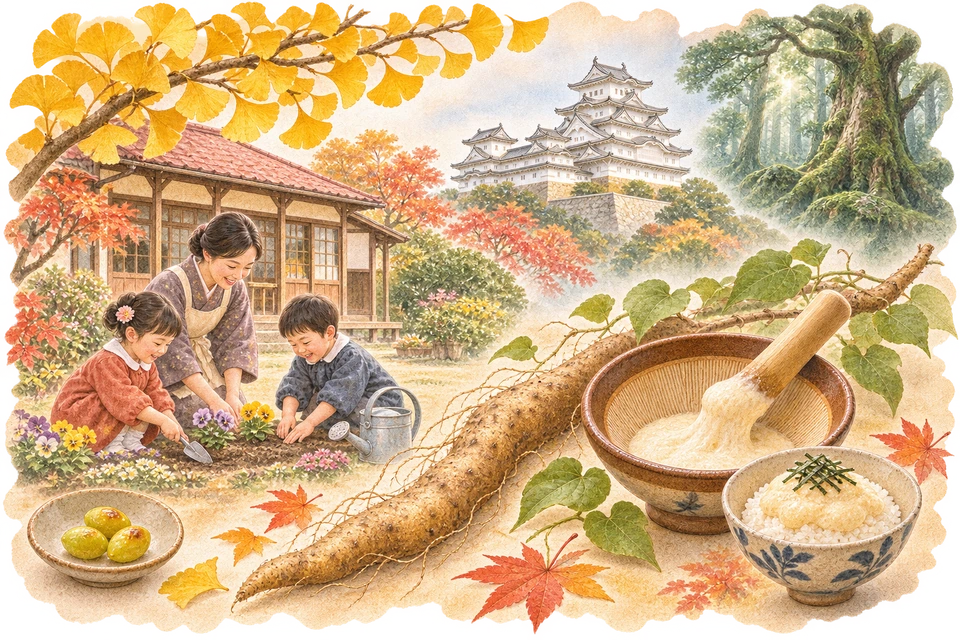
今日11月16日は、日本で最初の幼稚園が開かれた日で、2026年でちょうど150年になります。世界遺産条約がユネスコで採択された日でもあり、山の幸の自然薯(じねんじょ)の記念日でもあります。小さな子どもから世界の宝、秋の味覚まで、話題の幅が広い一日です。
今日は何の日
-
1876年幼稚園記念日Kindergarten Day
On November 16th, 1876, Japan's first kindergarten opened in Tokyo, attached to a teachers' school for women. It still exists today as the kindergarten of Ochanomizu University, and it turns 150 today. Japanese kindergarten is a bit different from the American kind. Kids start at three and stay for up to three years before elementary school.
1876年11月16日、日本で最初の幼稚園が、女性の教員を育てる学校の附属として東京に開かれました。この幼稚園はいまもお茶の水女子大学附属幼稚園として続いていて、今日で150年を迎えます。日本の幼稚園は、アメリカの kindergarten とは少し違います。子どもは3歳から通い、小学校に上がるまで最長3年間通います。
辞典でくわしく › -
1972年世界遺産条約の採択The World Heritage Convention is adopted
The World Heritage Convention was adopted at UNESCO's General Conference in Paris on November 16th, 1972. Japan joined twenty years later, in 1992. As of 2026, Japan has 27 World Heritage Sites: 22 cultural and 5 natural. They range from Himeji Castle and the temples of Kyoto to the Shiretoko Peninsula and Yakushima Island.
世界遺産条約は、1972年11月16日にパリで開かれたユネスコの総会で採択されました。日本が条約を結んだのは、その20年後の1992年です。2026年の時点で、日本の世界遺産は27件で、文化遺産が22件、自然遺産が5件です。姫路城や京都の寺社から、知床や屋久島まで、さまざまなものがあります。
-
自然薯の日Jinenjo Day
Jinenjo is a wild yam that grows in Japan's mountains and fields. A restaurant in Shizuoka that specializes in jinenjo dishes created this day. The date is a pun: 11 and 16 can be read as ii imo, or "good yam." Late fall is also when the season for digging up jinenjo begins. It's grated into tororo, a very sticky paste often eaten over rice.
自然薯は、日本の山野に自生する芋です。静岡県の自然薯料理の店がこの日を定めました。日付は語呂合わせで、11と16を「いい芋」と読みます。晩秋は、自然薯の掘り出しの季節が始まる時期でもあります。すりおろして、ご飯にかけることの多い、とても粘りの強い「とろろ」にして食べます。
今日の三択クイズ
1876年11月16日に東京で開かれた、日本で最初の幼稚園。いまはどこの附属幼稚園として続いているでしょう?
正解はお茶の水女子大学です。開園したときの名前は東京女子師範学校附属幼稚園で、女性の先生を育てる学校に付いた幼稚園でした。2026年11月で創立150年を迎えます。日本の幼稚園はいまも、法律の上では「学校」の一つです。
外国人に聞かれたら
Is a Japanese yochien the same as a kindergarten?
日本の幼稚園って、kindergarten と同じもの?
Not exactly. In the US, kindergarten is usually one year at an elementary school, for five-year-olds. A Japanese yochien takes kids from age three, so it's closer to what you'd call preschool. It's legally a school, and kids usually go home in the early afternoon. Families where the parents work often use hoikuen, or daycare, instead.
ちょっと違うんだ。アメリカの kindergarten は、たいてい小学校の中にある5歳児の1年間のクラスだよね。日本の幼稚園は3歳から通うから、そっちで言う preschool に近いかな。法律の上では学校で、子どもはたいてい昼過ぎに帰るんだ。親が働いている家庭は、かわりに保育園に預けることが多いよ。
今日のひとこと英語
My daughter goes to preschool. It's called yochien in Japanese.
娘は幼稚園に通っています。日本語では「ようちえん」と言います。
幼稚園を kindergarten と訳すと、アメリカでは「小学校の中にある5歳児の1年間のクラス」と受け取られやすく、3歳や4歳の子だと話がかみ合いません。preschool と言うほうが誤解がありません。「通っている」は go to で十分で、attend はやや改まった言い方です。
今日の一文
Japan's first kindergarten opened on November 16th, 1876, exactly 150 years ago today. It's also the day UNESCO adopted the World Heritage Convention, and a day to enjoy jinenjo, a sticky wild yam.
日本で最初の幼稚園が開かれたのは1876年11月16日で、今日でちょうど150年です。ユネスコが世界遺産条約を採択した日でもあり、粘りの強い山の芋、自然薯を味わう日でもあります。
今日の読みもの
今日に関係する項目
- 学校生活必修 幼稚園と保育園yochien to hoikuenkindergarten (preschool) and daycare: two separate systems for young children 幼稚園は「学校」、保育園は「福祉」。同じ4歳でも通う場所が分かれる。
- 現代の暮らし応用 待機児童taiki jidochildren on the waiting list for daycare 保育園に入れず、母親が仕事に戻れない。この十年で数は大きく減った。
- 学校生活標準 学童保育gakudo hoikuafter-school care for elementary school children 「学童」は学校の授業ではなく、放課後の預け先。共働きの家の、もう一つの居場所。
- 伝統芸能標準 書道shodoJapanese calligraphy 小学校で必ず習う。一度書いたら直せない、という一点がすべてを決める。
- 歴史標準 国宝と重要文化財kokuho to juyo bunkazaihow Japan designates what it protects 国宝は重要文化財の中から選ばれる。別々の等級ではない。