古風なメヌエット
Menuet antique
ラヴェル・1895
20歳のラヴェルの第一歩。むかしの踊りに、新しい響き。
古風なメヌエットのページへLate Romantic & Modern · 1875–1937
「オーケストラの魔術師」The wizard of the orchestra
 シブール(バスク地方、フランス)
 パリ(フランス)14 曲を収録
『ボレロ』の作曲者。時計職人のように精密な音楽を作った「オーケストラの魔術師」。The man behind Boléro, who built music with a watchmaker's precision.
 ラヴェルの名曲を聴く
ラヴェル・1895
20歳のラヴェルの第一歩。むかしの踊りに、新しい響き。
古風なメヌエットのページへラヴェル・1899
悲しげな題名は、じつは「言葉のひびき」で選ばれた。
亡き王女のためのパヴァーヌのページへラヴェル・1901
ピアノで噴水をえがいた!光る水しぶきの音楽。
水の戯れのページへラヴェル・1902–1903
「1音も変えるな」とドビュッシーが言ったとされる、若き傑作。
弦楽四重奏曲 ヘ長調のページへラヴェル・1903–1905
賞金100フランの雑誌コンクールから生まれた、小さな宝石。
ソナチネ 嬰ヘ短調のページへラヴェル・1904–1905
ピアノでギターをかき鳴らす!スペインの道化師が朝に歌う歌。
道化師の朝の歌のページへラヴェル・1904–1905
ピアノの上に広がる大海原。波にゆられる小さな舟を音で描く。
海原の小舟のページへラヴェル・1907–1908
夜の静けさからお祭りの大さわぎへ。スペインを旅する4つの絵。
スペイン狂詩曲のページへラヴェル・1908–1910
眠れる森の美女に親指小僧。おとぎ話が音の絵本になった!
マ・メール・ロワ(マザー・グース)のページへラヴェル・1911
作曲者名をかくした演奏会で、みんなが作曲者当てをまちがえた曲。
高雅で感傷的なワルツのページへラヴェル・1909–1912
小川のささやき、鳥のさえずり、わき上がる合唱。音楽史に残る夜明け。
バレエ「ダフニスとクロエ」より「夜明け」のページへラヴェル・1914–1917
戦争で散った友へ。悲しみを、明るい舞曲にかえた6つの曲。
クープランの墓のページへラヴェル・1919–1920
優雅なワルツが、だんだん狂ったように回り出す…!最後は大爆発。
ラ・ヴァルスのページへラヴェル・1928
同じリズムが最後までずっと!じわじわ盛り上がる魔法の曲。
ボレロのページへ
ホー!『ボレロ』では、最初から最後まで小太鼓が同じリズムをくり返すんだよ。
 生涯 Life Story
モーリス・ラヴェルは1875年、スペインとの国境に近いバスク地方の町シブールで生まれました。お父さんはスイス生まれの技術者で発明家、お母さんはバスクの人です。生まれて3か月ほどで一家はパリへ移りました。7歳でピアノを習い始め、1889年にパリ音楽院に入学し、のちに作曲家フォーレに作曲を学びました。Maurice Ravel was born in 1875 in Ciboure, a town in the Basque Country near the Spanish border. His father was a Swiss-born engineer and inventor, and his mother was Basque. When he was about three months old, the family moved to Paris. He began piano lessons at seven, entered the Paris Conservatoire in 1889, and later studied composition with Gabriel Fauré.
20代のころから『亡き王女のためのパヴァーヌ』(1899年)、『水の戯れ』(1901年)、弦楽四重奏曲などで注目されました。ところが若い作曲家の登竜門ローマ大賞には5回挑戦して、一度も大賞をとれませんでした。1905年、すでに有名だった彼が予選で落とされたことは大問題となり、音楽院の院長が辞めるさわぎになりました。In his twenties he won attention with Pavane for a Dead Princess (1899), Jeux d'eau (1901) and his String Quartet. Yet he tried for the Prix de Rome, the gateway prize for young composers, five times and never won the top award. In 1905, when he was already well known, he was knocked out in the first round. The scandal was so big that the head of the Conservatoire resigned.
1912年にはロシア・バレエ団のためのバレエ『ダフニスとクロエ』が初演されます。第一次世界大戦では飛行士を希望しましたがかなわず、軍のトラックの運転手として前線に向かいました。戦争で亡くなった友人たちを思って書いたのがピアノ組曲『クープランの墓』です。1922年にはムソルグスキーの『展覧会の絵』をオーケストラ用に編曲し、大成功をおさめました。His ballet Daphnis et Chloé, written for the Ballets Russes, premiered in 1912. In the First World War he hoped to become a pilot but was turned down, so he went to the front as a military truck driver. His piano suite Le Tombeau de Couperin honours friends killed in the war. In 1922 he orchestrated Mussorgsky's Pictures at an Exhibition, with enormous success.
1928年の『ボレロ』は世界的な大ヒットになりました。同じ年にはアメリカ演奏旅行も成功させ、以前からもっていたジャズへの興味をさらに深めました。左手だけでひくピアノ協奏曲なども書きましたが、1930年代に入ると脳の病気が進み、文字を書いたり作曲したりすることが難しくなりました。1937年12月、手術を受けたあとパリで亡くなりました。62歳でした。Boléro (1928) became a worldwide hit. The same year he made a successful concert tour of the United States and deepened his existing interest in jazz. He went on to write works such as the Piano Concerto for the Left Hand, but in the 1930s a brain illness made it harder and harder for him to write words or music. He died in Paris in December 1937 after an operation, at the age of 62.
Maurice Ravel was a French composer. He wrote music with great care. 'Boléro' is his most famous piece. The same rhythm goes on and on in it. He loved cats and toys!モーリス・ラヴェルはフランスの作曲家です。とても注意深く曲を書きました。『ボレロ』はいちばん有名な曲です。その中では同じリズムがずっと続きます。彼は猫とおもちゃが大好きでした!
 これだけは!鉄板情報 Must-Know Facts
 あっと驚くネタ Surprising Stories
 タップすると答えが開きます
ラヴェルはローマ大賞に5回挑戦しましたが、大賞はとれませんでした。1905年、すでに有名だった彼が予選で落とされると「審査がおかしい」と大さわぎになり、パリ音楽院の院長が辞めて、ラヴェルの先生フォーレが新しい院長になりました。
Ravel tried for the Prix de Rome five times but never won the top prize. In 1905, when the already famous composer was eliminated in the first round, there was a public outcry. The director of the Conservatoire resigned, and Ravel's own teacher, Fauré, took over.
第一次世界大戦中、ラヴェルは軍のトラックの運転手として、激戦地ヴェルダンの近くでも働きました。彼は自分が運転するトラックに「アデライード」という名前をつけていたと伝えられています。
During the First World War, Ravel served as a military truck driver, including near the battlefields of Verdun. He is said to have named the truck he drove 'Adélaïde'.
1920年、フランス政府はラヴェルに国の最高の勲章、レジオン・ドヌール勲章をおくろうとしましたが、ラヴェルはこれをことわりました。理由ははっきり語られておらず、いろいろな説があります。
In 1920 the French government tried to award Ravel the Legion of Honour, but he refused it. He never clearly explained why, and there are various theories.
戦争で右腕を失ったピアニスト、パウル・ウィトゲンシュタインのために、ラヴェルは左手だけでひくピアノ協奏曲を書きました。パウルの弟は、有名な哲学者ルートヴィヒ・ウィトゲンシュタインです。
Ravel wrote a piano concerto for the left hand alone for Paul Wittgenstein, a pianist who had lost his right arm in the war. Paul's younger brother was the famous philosopher Ludwig Wittgenstein.
ラヴェルは小さなからくり人形や機械じかけのおもちゃを集めるのが大好きで、パリ郊外モンフォール=ラモーリーの家に飾っていました。シャム猫もかわいがっていました。精密な機械への愛は、時計のように正確な彼の音楽にも通じています。
Ravel loved collecting little mechanical toys and clockwork figures, which he displayed in his house at Montfort-l'Amaury outside Paris. He also adored his Siamese cats. His love of precise machines matches the clockwork precision of his music.
ジャズの作曲家ガーシュウィンに弟子入りをたのまれたラヴェルが、「一流のガーシュウィンが、なぜ二流のラヴェルになる必要があるのですか」と答えたという有名な話があります。ただし、本当にこう言ったかははっきりしません。
There is a famous story that when George Gershwin asked to study with him, Ravel replied, 'Why become a second-rate Ravel when you are already a first-rate Gershwin?' Whether he really said this is uncertain.
 肖像画・写真・自筆譜 Gallery (Public Domain)
Wikimedia Commons でパブリックドメイン(または CC0)と確認した画像です。クリックで拡大。
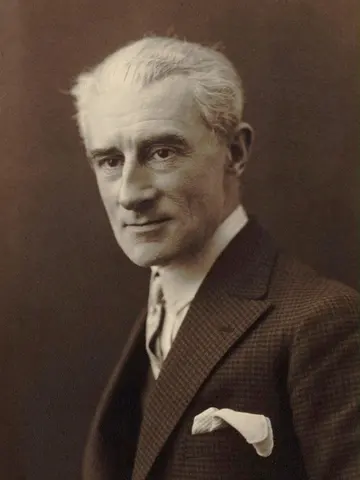
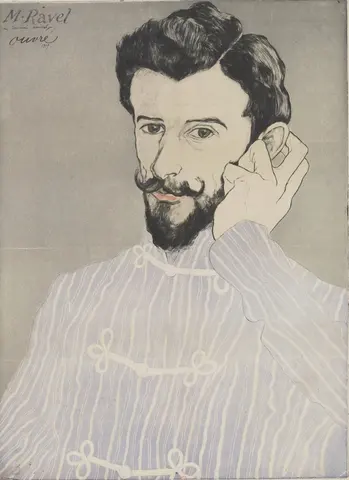
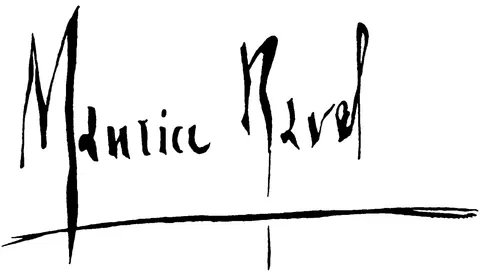
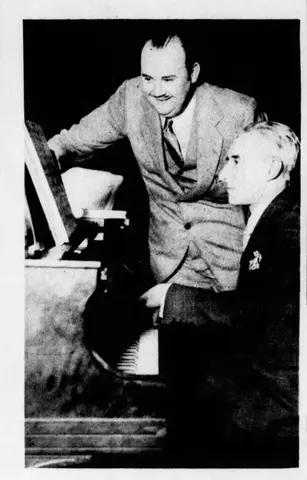
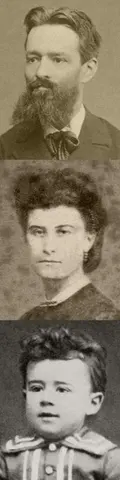
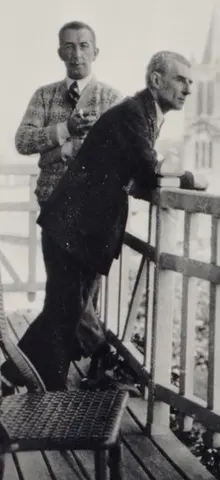
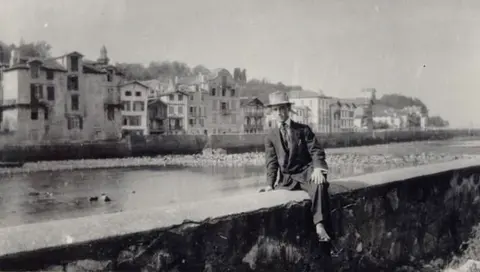
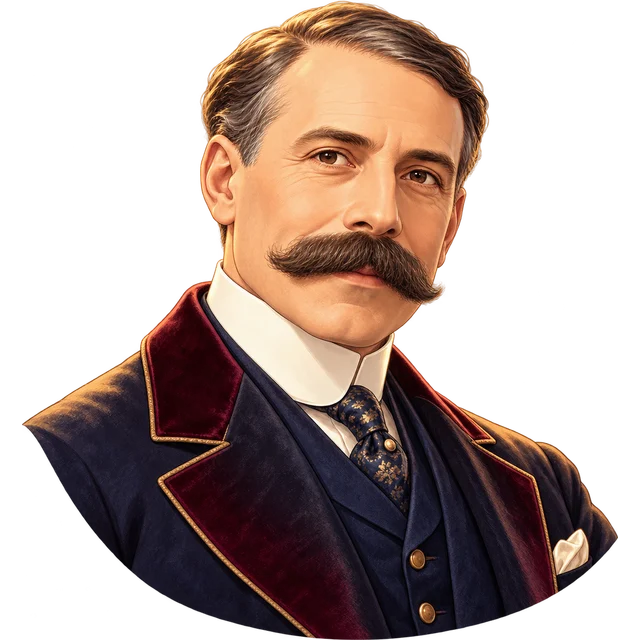
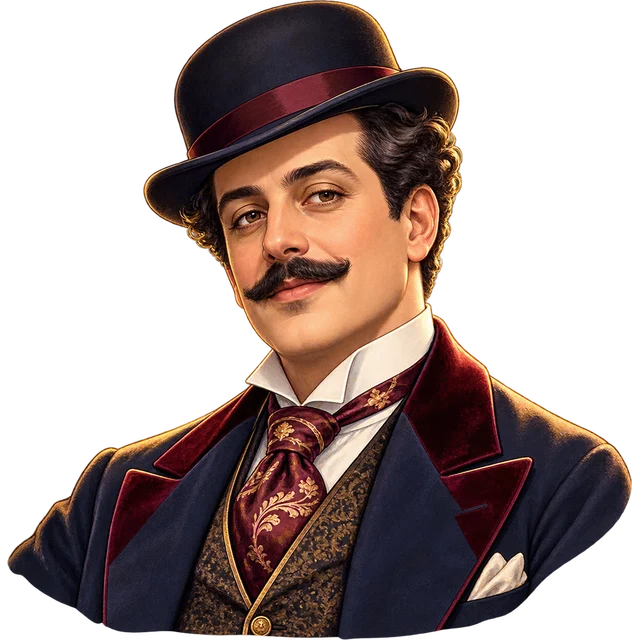
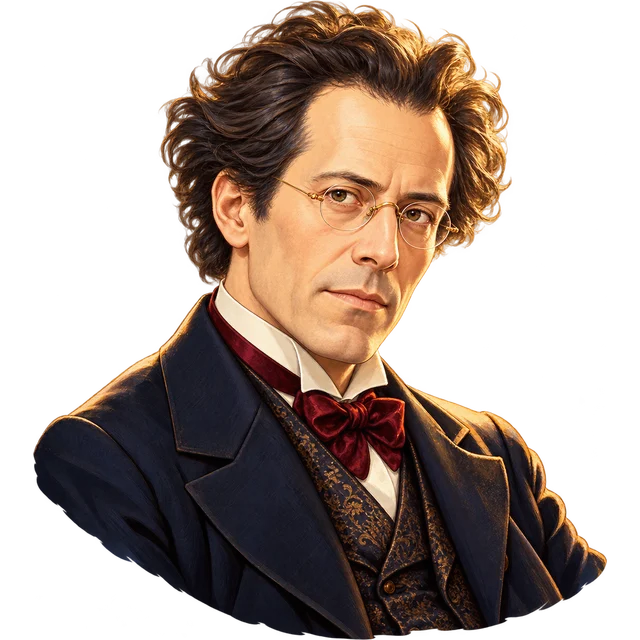
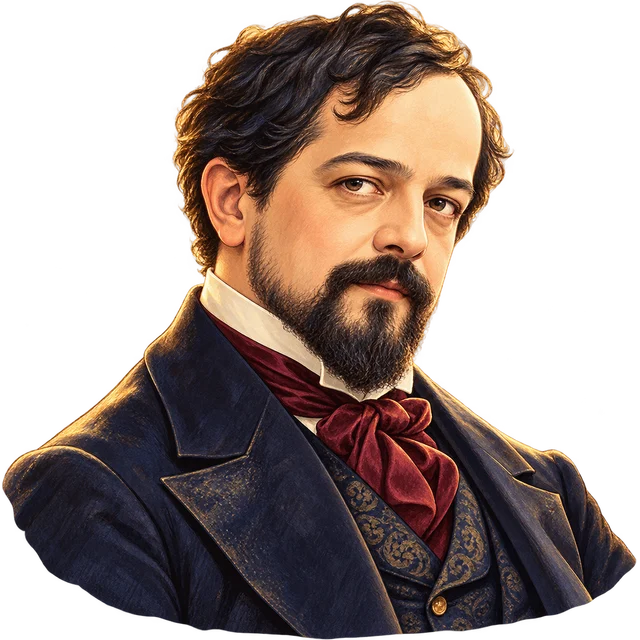
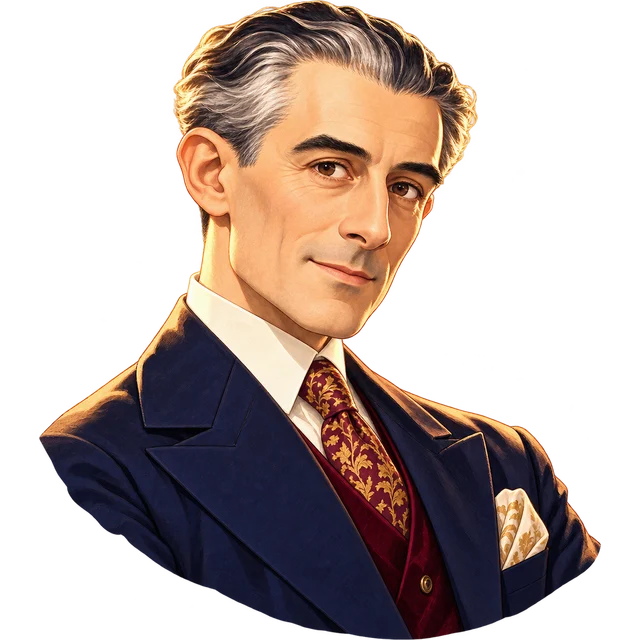
ページ上のイラストは、本物の肖像画をもとにこのサイトのために描いたものです。
 年表 Timeline
 ラヴェルで覚える英単語 Words
 クイズに挑戦 Quiz
MORE COMPOSERS

 MP3