
ダイドーの嘆き
Dido's Lament
パーセル・by 1689
「わたしを覚えていて」。くり返す低音にのせた、胸をうつ別れの歌。
歌劇「ダイドーとエネアス」より「ダイドーの嘆き」のページへ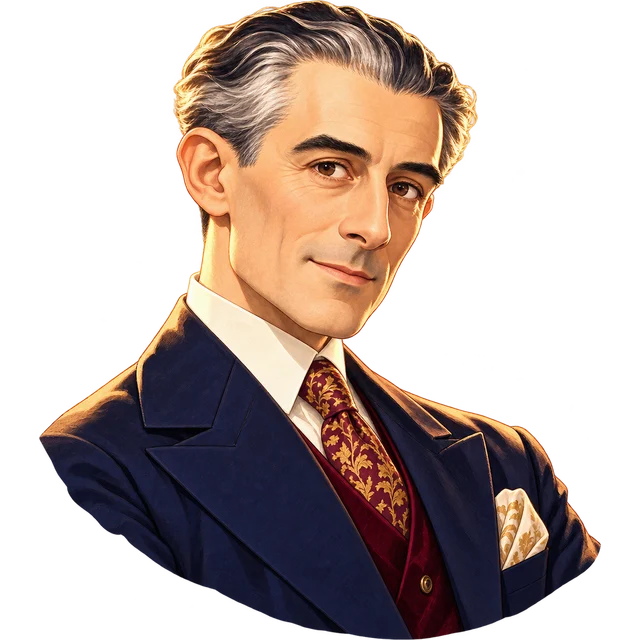
Ballet · M. 57 · 1909–1912
モーリス・ラヴェル(1875–1937)
小川のささやき、鳥のさえずり、わき上がる合唱。音楽史に残る夜明け。Murmuring streams, singing birds and a rising choir: a dawn to remember.
PUBLIC DOMAIN RECORDING
PD / CC0 無料でダウンロードOKWATCH ON YOUTUBE
 Ravel: Daphnis et Chloé – 2. Suite ∙ hr-Sinfonieorchester ∙ Alain Altinoglu
hr-Sinfonieorchester – Frankfurt Radio Symphony(YouTube) YouTube で開く ↗
Daphnis et Chloé, M. 57, Pt. 3: X. Lever du jour "Daybreak"
Berliner Philharmoniker - Topic(YouTube) YouTube で開く ↗
左の音源は権利が切れた録音なのでダウンロードできます。右の動画は YouTube の公式の埋め込みで見るもので、ダウンロードはできません(動画の権利は各チャンネルにあります)。

ホー!この曲の合唱には歌詞がないんだ。「アー」という声だけで朝の光を表すよ。
 この曲のおはなし The Story
「ダフニスとクロエ」は、ラヴェルがロシアのバレエ団「バレエ・リュス」のために書いた、大きなバレエ音楽です。古代ギリシャの、ヤギ飼いの若者ダフニスと羊飼いの少女クロエの恋の物語。ラヴェルはこれを「舞踊交響曲」と呼びました。中でも第3部の始まりの「夜明け」は、あまりの美しさで、とくに有名な場面です。Daphnis et Chloé is a large-scale ballet score that Ravel wrote for the Russian ballet company, the Ballets Russes. It tells the love story of Daphnis, a young goatherd, and Chloé, a shepherdess, in ancient Greece. Ravel called it a 'choreographic symphony'. Its most famous scene is 'Daybreak', which opens the third part and is breathtakingly beautiful.
依頼したのは、バレエ・リュスの主宰者ディアギレフ。物語は、2〜3世紀ごろのギリシャの作家ロンゴスの小説がもとです。ラヴェルは完成までに何年もかけ、歌詞のない合唱まで加えて、大きな絵巻物のような音楽を作りました。のちにラヴェルは、むかしのギリシャそのものより「自分が夢見たギリシャ」を描きたかった、と語っています。The ballet was commissioned by Sergei Diaghilev, head of the Ballets Russes. The story comes from a novel by Longus, a Greek writer of around the 2nd or 3rd century. Ravel spent years on it and even added a wordless choir, creating music like a huge painted scroll. He later said he wanted to show not ancient Greece itself, but 'the Greece of my dreams'.
初演は1912年6月、パリのシャトレ座。指揮はピエール・モントゥー、振付はフォーキン、主役はニジンスキーとカルサヴィナという豪華な顔ぶれでした。ラヴェルはバレエから2つの組曲を作り、「夜明け」から始まる第2組曲(1913年)は、今ではオーケストラの演奏会で大人気の曲です。The ballet was first performed at the Théâtre du Châtelet in Paris in June 1912. It had an all-star team: Pierre Monteux conducted, Michel Fokine choreographed the ballet, and Vaslav Nijinsky and Tamara Karsavina danced the leading roles. Ravel made two concert suites from the music, and Suite No. 2 (1913), which begins with 'Daybreak', is now a concert favorite.
This music is from a ballet about a boy and a girl in old Greece. In this scene, the sun comes up. You can hear water and birds. Many people sing, but there are no words! The music grows bigger and brighter, like the morning sun.この音楽は、むかしのギリシャの少年と少女のバレエから来ています。この場面では、太陽がのぼります。水の音や鳥の声が聞こえます。たくさんの人が歌いますが、歌詞はありません!音楽は朝の太陽のように、だんだん大きく明るくなっていきます。
 聴きどころ Listening Guide
 えっ!?ネタ Surprising Facts
 タップすると答えが開きます
最後の「全員の踊り」は5拍子で書かれていて、ダンサーたちはリズムをとるのにとても苦労しました。そこで、主宰者の名前を「セル・ゲ・ディア・ギ・レフ」と5つに区切って唱えながら数えた、という話が伝わっています。本当かどうかはわかりませんが、有名なエピソードです。
The final 'General Dance' is written in five beats, and the dancers had a hard time counting it. There is a story that they counted by chanting the boss's name in five parts: 'Ser-ge-Dia-ghi-lev'. Nobody knows if it's true, but it's a famous tale.
このバレエでは、舞台のかげで大きな合唱団が歌いますが、歌詞はありません。「アー」などの声だけを、まるで楽器の1つのように使っているのです。「夜明け」で合唱がわき上がる瞬間には、太陽の光があふれ出すような感動があります。
In this ballet, a large choir sings offstage, but they have no words. Ravel uses their voices, singing 'ah' and other sounds, just like another instrument. When the choir swells up in 'Daybreak', it feels like sunlight pouring out.
「夜明け」の始まりでは、フルートやクラリネット、ハープ、弦楽器が細かく波打つ音で、岩からしたたるしずくや小川のせせらぎを表します。そのあと、ピッコロやヴァイオリンのソロが鳥のさえずりを歌い、遠くからは羊飼いの笛も聞こえてきます。
At the start of 'Daybreak', flutes, clarinets, harps and strings ripple softly to show dew dripping from the rocks and murmuring streams. Then piccolos and solo violins sing like birds, and a shepherd's pipe is heard far away.
作曲家ストラヴィンスキーは、この作品を「フランス音楽の中でもっとも美しいものの1つ」とたたえたと言われています。同じバレエ・リュスのために「火の鳥」や「春の祭典」を書いた作曲家からの、最高のほめ言葉でした。
Igor Stravinsky is said to have called this work one of the most beautiful products of all French music. That was high praise from the composer who wrote The Firebird and The Rite of Spring for the same ballet company.
ENGLISH × MASTERPIECE
 crack は「割れ目」。夜の闇が割れて光がさす瞬間のイメージ。「朝早く」の意味でよく使います。
 この曲で覚える英単語 Words
 クイズに挑戦 Quiz
 この録音について(著作権・出典) Credits
MORE MASTERPIECES
パーセル・by 1689
「わたしを覚えていて」。くり返す低音にのせた、胸をうつ別れの歌。
歌劇「ダイドーとエネアス」より「ダイドーの嘆き」のページへ
パッヘルベル・c. 1680–1706
同じ8つの音が28回!なのに聴くたび胸がいっぱいになる曲。
カノンとジーグ ニ長調 より「カノン」のページへパッヘルベル・c. 1680–1706
あの「カノン」には、はずむ相棒がいた!知られざる後半戦。
カノンとジーグ ニ長調 より「ジーグ」のページへシャルパンティエ・c. 1688–1698
パンパカパーン!ヨーロッパのテレビの幕開けを飾ってきた、ごうかな前奏曲。
テ・デウム ニ長調のページへパーセル・1695
ブリテンが「オーケストラ入門」のテーマに選んだ、かっこいいメロディー。
劇音楽「アブデラザール」より ロンドのページへクラーク・c. 1700
結婚式の大定番。でも作曲者は長いあいだ取りちがえられていた!
トランペット・ヴォランタリー(デンマーク王子の行進)のページへ
バッハ・c. 1704 (?)
タラリ〜!一度聴いたら忘れない、オルガンの大迫力の幕開け。
トッカータとフーガ ニ短調のページへバッハ・c. 1706–1713
足が弾く低いテーマが21回!重くて壮大な、オルガンの大建築。
パッサカリアとフーガ ハ短調のページへ
 MP3