ああ、愛らしい乙女よ
O soave fanciulla
プッチーニ・1896
出会って数分で恋に落ちる、オペラ史に残る愛の二重唱。
歌劇「ラ・ボエーム」より 「ああ、愛らしい乙女よ」のページへLate Romantic & Modern · 1858–1924
「イタリア・オペラ最後の巨匠」The last great master of Italian opera
 ルッカ(イタリア)
 ブリュッセル(ベルギー)5 曲を収録
『蝶々夫人』『トゥーランドット』の作曲者。メロディーで世界中を泣かせたオペラの名人。The man behind Madama Butterfly and Turandot, whose melodies move the whole world to tears.
 プッチーニの名曲を聴く
プッチーニ・1896
出会って数分で恋に落ちる、オペラ史に残る愛の二重唱。
歌劇「ラ・ボエーム」より 「ああ、愛らしい乙女よ」のページへプッチーニ・1896
暗やみで手がふれた瞬間、テノールの名アリアが始まる。
歌劇「ラ・ボエーム」より 「冷たい手を」のページへプッチーニ・1904
ことばのない歌声が、ひと晩じゅう続く「待つ」時間をつつむ。
歌劇「蝶々夫人」より ハミング・コーラスのページへプッチーニ・1918
「お願い、お父さん!」娘のおねだりが世界一美しい歌に。
歌劇「ジャンニ・スキッキ」より「私のお父さん」のページへプッチーニ・1920–1926
「夜明けに私は勝つ!」世界中で親しまれるテノールの名曲。
歌劇「トゥーランドット」より「誰も寝てはならぬ」のページへ
ホー!『蝶々夫人』には「さくらさくら」や「君が代」のメロディーが入っているんだ。
 生涯 Life Story
ジャコモ・プッチーニは1858年、イタリア中部のルッカで生まれました。家は何代にもわたって、町の教会の音楽家をつとめてきた音楽一家です。5歳のときにお父さんが亡くなり、家族の期待を背負って育ちます。10代のころ、ヴェルディのオペラ『アイーダ』を見るためにピサまで歩いて行き、オペラ作曲家になると決心したと言われています。Giacomo Puccini was born in 1858 in Lucca, in central Italy, into a family that had served the town's churches as musicians for generations. His father died when he was five, and the family pinned their hopes on him. As a teenager, the story goes, he walked all the way to Pisa to see Verdi's opera Aida and decided there and then to become an opera composer.
ミラノ音楽院で学び、のちにオペラ『カヴァレリア・ルスティカーナ』を書くマスカーニとは部屋を分け合う仲でした。1893年の『マノン・レスコー』で成功し、1896年の『ラ・ボエーム』、1900年の『トスカ』、1904年の『蝶々夫人』と、今も世界中で上演される名作を次々と生み出しました。『ラ・ボエーム』の初演は若き日のトスカニーニが指揮しています。He studied at the Milan Conservatory, where he shared lodgings with Pietro Mascagni, the future composer of Cavalleria rusticana. Success came with Manon Lescaut in 1893, followed by La bohème (1896), Tosca (1900) and Madama Butterfly (1904), all still performed around the world. The premiere of La bohème was conducted by the young Arturo Toscanini.
『蝶々夫人』は長崎を舞台に、日本の女性とアメリカ海軍士官の悲しい恋を描いたオペラです。1904年、ミラノのスカラ座での初演は大失敗に終わりましたが、プッチーニは書き直し、同じ年のブレシアでの再演で大成功しました。私生活では車やモーターボート、狩りが大好きで、1903年には自動車事故で足を骨折したこともあります。Madama Butterfly is set in Nagasaki and tells the sad love story of a Japanese woman and an American naval officer. Its 1904 premiere at La Scala in Milan was a disaster, but Puccini revised it, and a new staging in Brescia later that year was a triumph. In private life he loved cars, motorboats and hunting, and in 1903 he broke his leg in a car accident.
1910年にはニューヨークで『西部の娘』を初演するなど、国際的な大スターになりました。最後のオペラ『トゥーランドット』を書いている途中、のどのがんの治療を受けていたベルギーのブリュッセルで、1924年に亡くなりました。オペラは作曲家アルファーノが完成させ、1926年にトスカニーニの指揮で初演されました。By the time La fanciulla del West premiered in New York in 1910, he was an international star. While working on his last opera, Turandot, he was treated for throat cancer in Brussels, Belgium, where he died in 1924. The opera was completed by the composer Franco Alfano and premiered in 1926 under Toscanini.
Giacomo Puccini was an Italian composer. He wrote many famous operas. 'Madama Butterfly' is a story about a woman in Japan. He used Japanese songs in it! He also loved fast cars and boats.ジャコモ・プッチーニはイタリアの作曲家です。たくさんの有名なオペラを書きました。『蝶々夫人』は日本の女性の物語です。その中で日本の歌を使いました!彼は速い車やボートも大好きでした。
 これだけは!鉄板情報 Must-Know Facts
 あっと驚くネタ Surprising Stories
 タップすると答えが開きます
『蝶々夫人』を書くにあたり、プッチーニは日本の音楽を熱心に調べました。イタリアにいた日本の公使の夫人・大山久子から日本の歌を聞いたりしたと言われています。オペラには「さくらさくら」「宮さん宮さん」「お江戸日本橋」「君が代」などのメロディーが登場します。
While writing Madama Butterfly, Puccini studied Japanese music closely. He is said to have heard Japanese songs from Hisako Ōyama, the wife of Japan's envoy to Italy. Melodies such as 'Sakura Sakura', 'Miya-san Miya-san', 'Oedo Nihonbashi' and 'Kimigayo' appear in the opera.
1904年、スカラ座での『蝶々夫人』の初演は、客席からやじや笑い声が飛ぶ大失敗でした。プッチーニはすぐに楽譜を書き直し、長すぎた第2幕を2つに分けるなどして、約3か月後のブレシアでの公演で大成功をおさめました。
The 1904 premiere of Madama Butterfly at La Scala was a fiasco, with jeers and laughter from the audience. Puccini quickly revised the score, splitting the long second act into two parts, and about three months later the opera was a great success in Brescia.
プッチーニは新しい物が好きで、自動車やモーターボートが大好きでした。1903年には車の事故で足を骨折し、長いあいだ療養することになりました。湖のほとりの家では、カモ猟も楽しんでいました。
Puccini loved new gadgets, especially cars and motorboats. In 1903 he broke his leg in a car crash and needed a long time to recover. At his lakeside home he also enjoyed duck hunting.
1926年の『トゥーランドット』の初演で、指揮者トスカニーニはプッチーニが書き終えたところで演奏を止め、客席に向かって「ここで作曲者は亡くなりました」という意味の言葉を語ったと伝えられています。言葉の中身は、伝える人によって少しちがいます。
At the 1926 premiere of Turandot, Toscanini is said to have stopped the performance at the point where Puccini's own music ended and told the audience, in words to the effect of, 'Here the composer died.' Accounts of his exact words vary.
ミラノ音楽院の学生時代、プッチーニは、のちにオペラ『カヴァレリア・ルスティカーナ』で有名になるマスカーニと部屋をシェアしていました。二人ともお金がなく、苦しい暮らしだったと言われています。
As a student in Milan, Puccini shared rooms with Pietro Mascagni, who would later become famous for Cavalleria rusticana. Both were short of money, and life is said to have been hard.
2006年のトリノ・オリンピックで、フィギュアスケートの荒川静香選手は『トゥーランドット』の音楽を使ったフリー演技で金メダルを獲得しました。これで「誰も寝てはならぬ」のメロディーは日本でも一気に有名になりました。
At the 2006 Turin Winter Olympics, Japanese figure skater Shizuka Arakawa won gold with a free skate set to music from Turandot. The melody of 'Nessun dorma' instantly became famous across Japan.
 肖像画・写真・自筆譜 Gallery (Public Domain)
Wikimedia Commons でパブリックドメイン(または CC0)と確認した画像です。クリックで拡大。
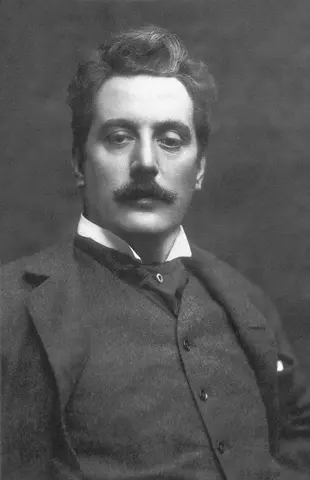
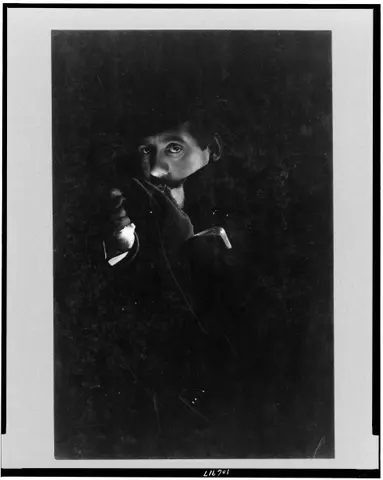
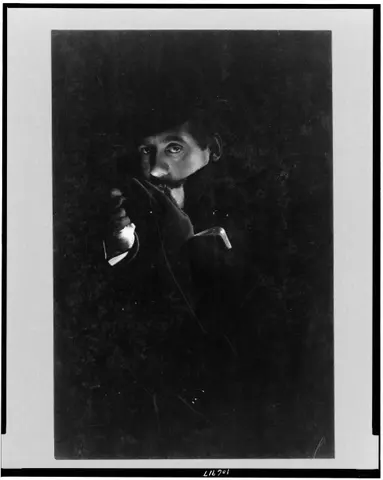
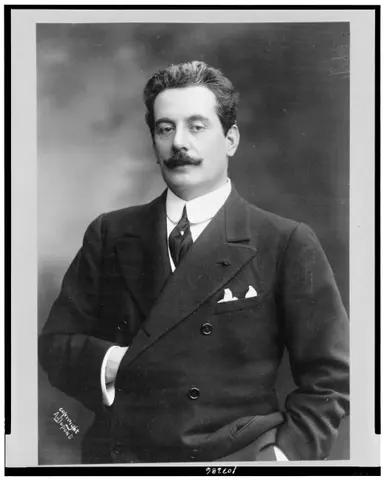
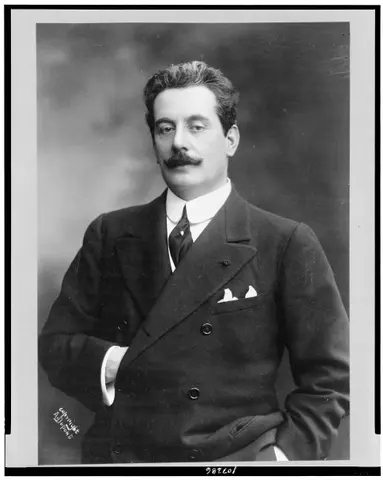
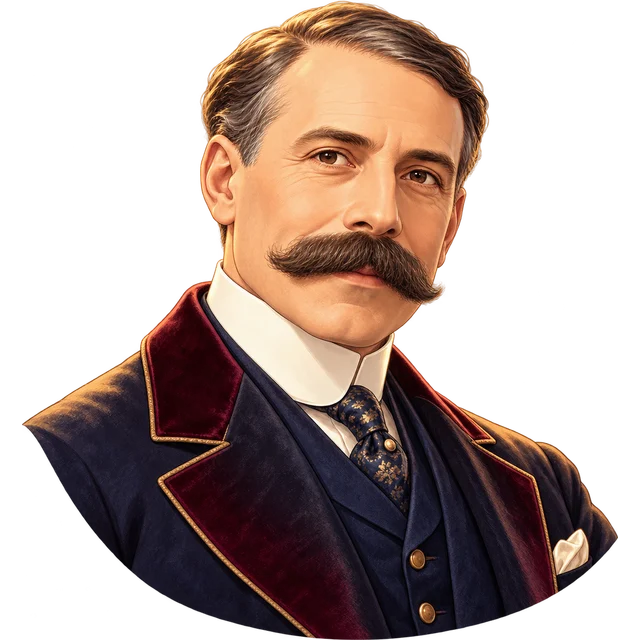
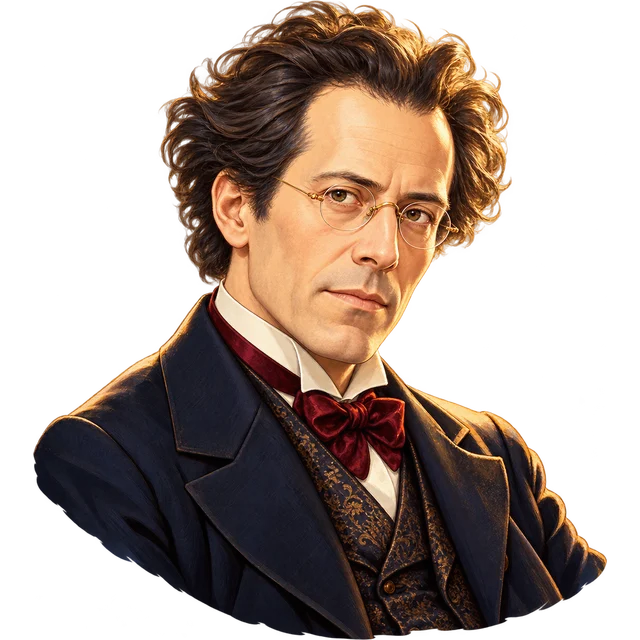
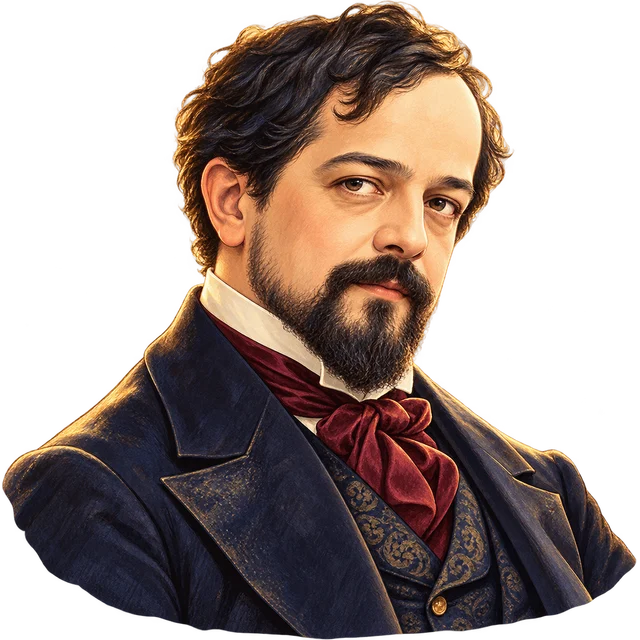
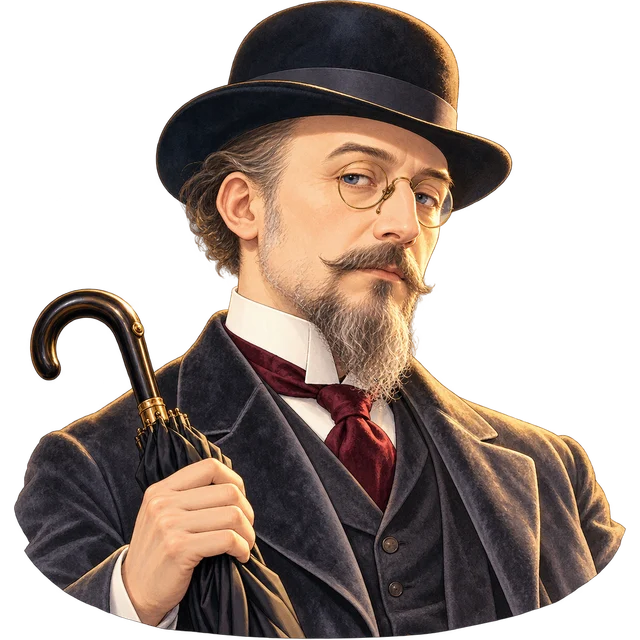
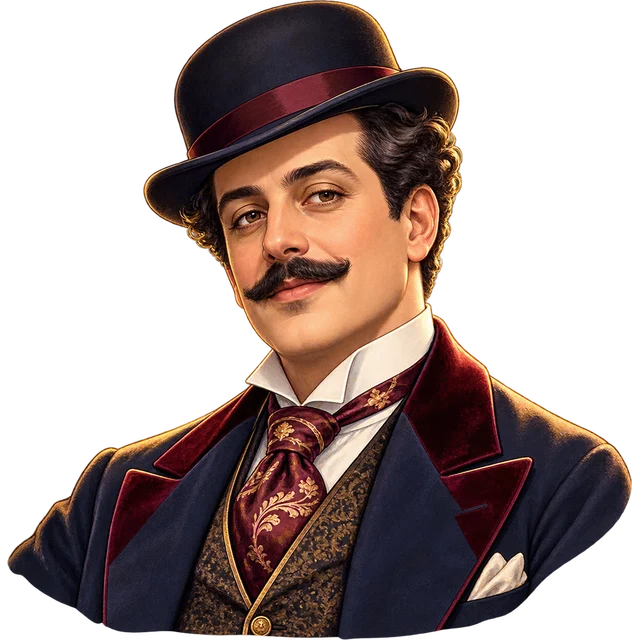
ページ上のイラストは、本物の肖像画をもとにこのサイトのために描いたものです。
 年表 Timeline
 プッチーニで覚える英単語 Words
 クイズに挑戦 Quiz
MORE COMPOSERS

 MP3