
ダイドーの嘆き
Dido's Lament
パーセル・by 1689
「わたしを覚えていて」。くり返す低音にのせた、胸をうつ別れの歌。
歌劇「ダイドーとエネアス」より「ダイドーの嘆き」のページへ
Opera · · 1918
ジャコモ・プッチーニ(1858–1924)
「お願い、お父さん!」娘のおねだりが世界一美しい歌に。'Please, Daddy!' A daughter's plea becomes a perfect melody.
PUBLIC DOMAIN RECORDING
PD / CC0 無料でダウンロードOK 別の演奏で聴く 1:Djblack!
ANOTHER RECORDING 1
CC BY 3.0WATCH ON YOUTUBE
 André Rieu & Amira - O Mio Babbino Caro
André Rieu(YouTube) YouTube で開く ↗
Maria Callas - Puccini - O mio babbino caro
medici.tv(YouTube) YouTube で開く ↗
左の音源は権利が切れた録音なのでダウンロードできます。右の動画は YouTube の公式の埋め込みで見るもので、ダウンロードはできません(動画の権利は各チャンネルにあります)。
 もっと名演を観る YouTube で何百万回も再生された人気の演奏
Puccini: “O mio babbino caro” / Fleming - Marin - Berliner Philharmoniker
Berliner Philharmoniker(YouTube) YouTube で開く ↗
Maria Callas – Puccini: Gianni Schicchi: “O mio babbino caro”
Warner Classics(YouTube) YouTube で開く ↗
Aida Garifullina - O Mio Babbino Caro (Gianni Schicchi by Giacomo Puccini)
Aida Garifullina(YouTube) YouTube で開く ↗
Puccini - O Mio Babbino Caro
TSOM(YouTube) YouTube で開く ↗

ホー!こんなに美しい歌なのに、じつは笑える喜劇オペラの中の一曲なんだよ。
 この曲のおはなし The Story
「私のお父さん(オ・ミオ・バッビーノ・カーロ)」は、プッチーニの1幕もののオペラ「ジャンニ・スキッキ」の中で、ソプラノが歌うアリアです。娘のラウレッタが、父のジャンニ・スキッキに「好きな人と結婚させて」とお願いする歌で、短いながらもプッチーニらしい、とろけるように美しいメロディーで有名です。O mio babbino caro ('Oh my dear daddy') is a soprano aria from Gianni Schicchi, a one-act opera by Puccini. A young woman named Lauretta begs her father, Gianni Schicchi, to let her marry the man she loves. It is short, but famous for its meltingly beautiful melody, so typical of Puccini.
物語の舞台は1299年のフィレンツェ。お金持ちのブオーゾが亡くなり、遺産をすべて修道院にゆずるという遺言が見つかります。あわてた親せきたちは、知恵者スキッキに助けを求めますが、スキッキは協力をしぶります。そこで、親せきの青年リヌッチョと恋仲のラウレッタが、このアリアで父を説得するのです。話のもとはダンテの『神曲』です。The story is set in Florence in 1299. A rich man named Buoso has died, and his will leaves all his money to a monastery. His shocked relatives ask the clever Schicchi for help, but he does not want to get involved. So Lauretta, who loves Rinuccio, one of the relatives, sings this aria to persuade her father. The story comes from Dante's Divine Comedy.
「ジャンニ・スキッキ」は、3つの1幕オペラをセットにした「三部作」の最後の作品で、1918年にニューヨークのメトロポリタン歌劇場で初演されました。このアリアは、1985年のイギリス映画『眺めのいい部屋』で使われてさらに広く知られるようになり、今ではコンサートの定番曲になっています。Gianni Schicchi is the last of three one-act operas that Puccini grouped together as Il trittico ('The Triptych'). It was first performed at the Metropolitan Opera in New York in 1918. The aria became even more widely known after it was used in the 1985 British film A Room with a View, and today it is a concert favorite.
This is a short and beautiful song. A girl sings it to her father. She loves a young man and wants to marry him. She says, 'Please, Daddy, say yes!' The opera is a funny story, not a sad one.これは短くて美しい歌です。ひとりの娘が父に向かって歌います。彼女はある青年を愛していて、結婚したいのです。「お願い、お父さん、いいと言って!」と言います。このオペラは悲しい話ではなく、楽しい話です。
 聴きどころ Listening Guide
 えっ!?ネタ Surprising Facts
 タップすると答えが開きます
ジャンニ・スキッキは、13世紀のフィレンツェに実在した人物と言われています。ダンテの『神曲』地獄篇では、他人になりすました罪で地獄に落とされた人として、ほんの少しだけ登場します。プッチーニのオペラは、その短い場面から生まれた喜劇です。
Gianni Schicchi is said to have been a real person in 13th-century Florence. In the Inferno of Dante's Divine Comedy, he appears very briefly as a man punished in Hell for pretending to be someone else. Puccini's comic opera grew out of that short scene.
1918年12月の初演はニューヨークで行われましたが、プッチーニ本人は出席しませんでした。第一次世界大戦が終わったばかりで、大西洋を渡る長い旅がむずかしかったためと言われています。イタリアでの初演は翌1919年、ローマで行われました。
The premiere took place in New York in December 1918, but Puccini himself did not attend. It is said that, with the First World War just over, the long journey across the Atlantic was too difficult. The Italian premiere followed in Rome in 1919.
「バッビーノ」は、イタリアのトスカーナ地方で父を呼ぶ言葉「バッボ」に、かわいらしさを表す形をつけたものです。日本語なら「パパ」や「お父ちゃん」に近い感じ。甘えておねだりする娘の気持ちが、この一語にこめられています。
'Babbino' comes from 'babbo', the Tuscan word for father, with an ending that makes it sweet and affectionate. It is close to 'daddy'. This one word shows a daughter sweetly asking her father for something.
ラウレッタは歌の中で「結婚を許してくれないなら、ポンテ・ヴェッキオ(橋)からアルノ川に飛びこむ!」と言います。喜劇のこの場面では、父の心を動かすための大げさなおどしとしてひびきます。美しいメロディーと、ちゃっかりした中身のギャップも楽しみどころです。
In the song, Lauretta says that if she cannot marry, she will throw herself from the Ponte Vecchio into the Arno River! In this comic scene, it sounds like an exaggerated threat meant to move her father. The gap between the lovely melody and her clever words is part of the fun.
ENGLISH × MASTERPIECE
 小指に巻きつけるほど意のままに、ということ。甘え上手な子と親によく使います。
 この曲で覚える英単語 Words
 クイズに挑戦 Quiz
 この録音について(著作権・出典) Credits
MORE MASTERPIECES
パーセル・by 1689
「わたしを覚えていて」。くり返す低音にのせた、胸をうつ別れの歌。
歌劇「ダイドーとエネアス」より「ダイドーの嘆き」のページへ
パッヘルベル・c. 1680–1706
同じ8つの音が28回!なのに聴くたび胸がいっぱいになる曲。
カノンとジーグ ニ長調 より「カノン」のページへパーセル・1695
ブリテンが「オーケストラ入門」のテーマに選んだ、かっこいいメロディー。
劇音楽「アブデラザール」より ロンドのページへ
バッハ・c. 1704 (?)
タラリ〜!一度聴いたら忘れない、オルガンの大迫力の幕開け。
トッカータとフーガ ニ短調のページへ
ヘンデル・1711
「泣かせてください」と歌う、深い悲しみに満ちた名アリア。
私を泣かせてください(歌劇『リナルド』より)のページへバッハ・1713
2本のリコーダーがやさしく鳴る、のどかな牧場の歌。
カンタータ第208番より「羊は安らかに草を食み」のページへ
コレッリ・published 1714
聖なる夜のために。最後に羊飼いの笛のようなパストラーレが流れます。
合奏協奏曲 ト短調「クリスマス協奏曲」のページへ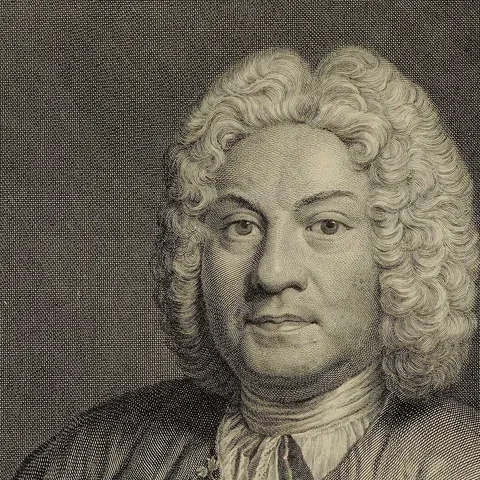
クープラン・published 1717
題名の意味はだれも知らない!やわらかく波打つ、なぞの名曲。
神秘的なバリケードのページへ
 MP3