
ダイドーの嘆き
Dido's Lament
パーセル・by 1689
「わたしを覚えていて」。くり返す低音にのせた、胸をうつ別れの歌。
歌劇「ダイドーとエネアス」より「ダイドーの嘆き」のページへ
Opera · HWV 7 · 1711
ゲオルク・フリードリヒ・ヘンデル(1685–1759)
「泣かせてください」と歌う、深い悲しみに満ちた名アリア。'Let me weep': a famous aria filled with deep sorrow.
WATCH ON YOUTUBE
この曲は、権利の切れた高音質の録音がまだ見つからないため、YouTube の公式チャンネルなどの名演でお楽しみください(ダウンロードはできません)。YouTube でほかの演奏もさがす ↗
 Lascia ch'io pianga (Händel's opera Rinaldo); Voices of Music with Kirsten Blaise, soprano
Voices of Music(YouTube) YouTube で開く ↗
Fatma Said sings Handel: Lascia ch'io pianga
Warner Classics(YouTube) YouTube で開く ↗
[Masterpiece Series] Handel Lascia ch’io pianga - 4 Variations Songs of Solace
WilliamPoeticSolace | 시적인위로(YouTube) YouTube で開く ↗
Handel - Lascia ch'io pianga [BEST VERSION EVER]
farinelli1(YouTube) YouTube で開く ↗
Lascia ch'io pianga (Handel) | boy soprano Aksel Rykkvin (14y), Rolf Lislevand, Knut Erik Sundquist
Aksel Rykkvin(YouTube) YouTube で開く ↗
G. F. Händel, Lascia Chio pianga. Soprano; Julia Lezhneva
Tor Melgalvis(YouTube) YouTube で開く ↗

ホー!このメロディー、もとはヘンデルが20歳のころに書いた踊りの曲なんだよ。
 この曲のおはなし The Story
「私を泣かせてください(ラッシャ・キオ・ピアンガ)」は、ヘンデルのオペラ『リナルド』の第2幕で歌われるアリア(独唱の歌)です。十字軍の時代を舞台に、騎士リナルドの恋人アルミレーナが、魔女アルミーダにさらわれ、とらわれの身で「つらい運命に泣かせてください、自由を求めてため息をつかせてください」と歌います。ゆっくりした3拍子の、悲しみに満ちた歌です。'Lascia ch'io pianga' (Let me weep) is an aria, or solo song, from Act 2 of Handel's opera Rinaldo. The story is set at the time of the Crusades. Almirena, who loves the knight Rinaldo, has been carried off by the sorceress Armida, and as a prisoner she sings, 'Let me weep over my cruel fate, and let me sigh for freedom.' It is a slow, sorrowful song with three beats in each bar.
じつはこのメロディーには、前の歴史があります。最初は1705年のオペラ『アルミーラ』の中の踊りの曲(サラバンド)として登場し、次に1707年、ローマで書いたオラトリオ『時と悟りの勝利』の中で「とげは捨てて、バラをつみなさい」という歌になりました。ヘンデルは、気に入ったメロディーを場面を変えて何度も生かす名人でした。In fact, this melody had a life before Rinaldo. It first appeared as a dance, a sarabande, in the 1705 opera Almira. Then, in 1707, in the oratorio Il trionfo del Tempo e del Disinganno, written in Rome, it became the song 'Lascia la spina' (Leave the thorn, take the rose). Handel was a master at reusing favorite tunes in new scenes.
『リナルド』は1711年2月、ロンドンのクイーンズ劇場で初演されました。ヘンデルがロンドンのために書いた最初のイタリア語オペラで、大成功をおさめます。その後オペラ自体は長く忘れられましたが、このアリアは歌い継がれ、今では多くの歌手の大切なレパートリーです。1994年の映画『カストラート』でも印象的に使われました。Rinaldo was first performed in February 1711 at the Queen's Theatre in London. It was Handel's first Italian opera written for London, and it was a great success. Later the opera itself was forgotten for a long time, but this aria kept being sung, and today it is an important piece for many singers. It is also used memorably in the 1994 film Farinelli.
This is a very sad song from an opera. A young woman is a prisoner. She sings, 'Let me cry.' The song is slow and quiet. Handel used this melody three times in his life!これはオペラの中の、とても悲しい歌です。若い女の人がとらわれています。彼女は「泣かせてください」と歌います。歌はゆっくりで静かです。ヘンデルは一生のうちに、このメロディーを3回も使いました!
 聴きどころ Listening Guide
 えっ!?ネタ Surprising Facts
 タップすると答えが開きます
このメロディーは、1705年の踊りの曲→1707年の歌「とげは捨てて」→1711年の「私を泣かせてください」と、3回も使われています。当時は自分の曲の使い回しはふつうのことでした。いいメロディーは場面を変えて生かす、ヘンデルはリサイクルの達人だったのです。
This melody was used three times: as a dance in 1705, as the song 'Lascia la spina' in 1707, and as 'Lascia ch'io pianga' in 1711. Reusing your own music was normal at the time. Handel was a master of recycling, giving good tunes new lives in new scenes.
『リナルド』の初演では、鳥のさえずる庭の場面で、本物のスズメを舞台に放ちました。作家ジョゼフ・アディソンは雑誌『スペクテイター』で、この演出をからかう記事を書いています。豪華な舞台の仕掛けも、ロンドンの話題をさらったのです。
In the first production of Rinaldo, real sparrows were let loose on stage in a garden scene full of birdsong. The writer Joseph Addison made fun of this in his magazine The Spectator. The fancy stage effects were the talk of London.
18世紀の伝説的なカストラート歌手ファリネッリをえがいた1994年の映画では、このアリアが歌われる場面が見どころのひとつです。主人公の歌声は、男性歌手と女性歌手の声をコンピューターで合成して作られたことでも話題になりました。
In the 1994 film about Farinelli, the legendary 18th-century castrato singer, the scene with this aria is one of the highlights. The hero's singing voice made news because it was created by blending a male singer's voice and a female singer's voice on a computer.
『リナルド』は、ヘンデルがロンドンのために書いた最初のイタリア語オペラです。わずか2週間ほどで書き上げたと伝えられ、大ヒットしました。この成功がきっかけで、ヘンデルはやがてロンドンに住みつき、ついにはイギリス国籍をとることになります。
Rinaldo was the first Italian opera Handel wrote for London. It is said that he wrote it in only about two weeks, and it was a big hit. This success led him to settle in London, and in the end he even became a British subject.
ENGLISH × MASTERPIECE
 直訳は「目が外に出るほど泣く」。大げさな言い方で、「ひどく泣く、号泣する」という意味です。
 この曲で覚える英単語 Words
 クイズに挑戦 Quiz
 著作権について Credits
MORE MASTERPIECES
パーセル・by 1689
「わたしを覚えていて」。くり返す低音にのせた、胸をうつ別れの歌。
歌劇「ダイドーとエネアス」より「ダイドーの嘆き」のページへ
パッヘルベル・c. 1680–1706
同じ8つの音が28回!なのに聴くたび胸がいっぱいになる曲。
カノンとジーグ ニ長調 より「カノン」のページへ
バッハ・1713
2本のリコーダーがやさしく鳴る、のどかな牧場の歌。
カンタータ第208番より「羊は安らかに草を食み」のページへ
コレッリ・published 1714
聖なる夜のために。最後に羊飼いの笛のようなパストラーレが流れます。
合奏協奏曲 ト短調「クリスマス協奏曲」のページへヘンデル・1717
テムズ川の船の上で国王のために!夏の夜の水上コンサート。
水上の音楽のページへ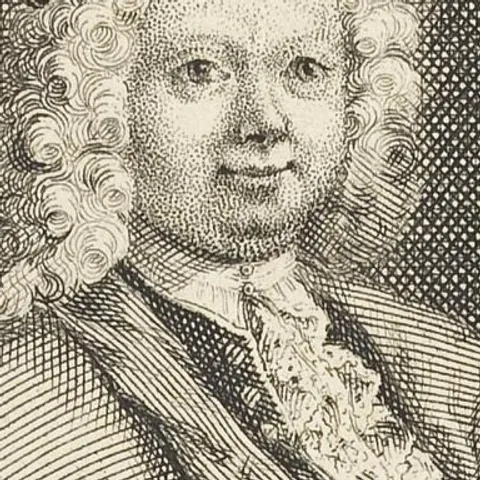
マルチェッロ・published c. 1717
胸にしみるアダージョ!バッハも編曲したオーボエの名曲。
オーボエ協奏曲 ニ短調のページへバッハ・c. 1720
ヴァイオリン1本で、宇宙のように大きな世界を描く傑作。
無伴奏ヴァイオリン・パルティータ第2番 ニ短調より「シャコンヌ」のページへヘンデル・published 1720
カーン、カーン?鍛冶屋の伝説がついた、やさしい変奏曲。
調子のよい鍛冶屋(組曲第5番 ホ長調より エアと変奏)のページへ
 MP3