
ダイドーの嘆き
Dido's Lament
パーセル・by 1689
「わたしを覚えていて」。くり返す低音にのせた、胸をうつ別れの歌。
歌劇「ダイドーとエネアス」より「ダイドーの嘆き」のページへ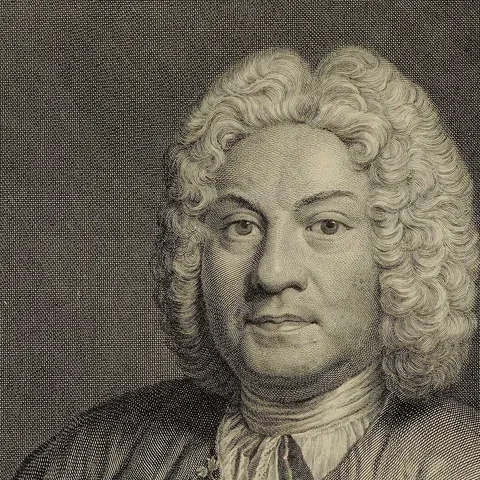
Piano · · published 1717
フランソワ・クープラン(1668–1733)
題名の意味はだれも知らない!やわらかく波打つ、なぞの名曲。Nobody knows what the title means: a softly rippling mystery.
WATCH ON YOUTUBE
この曲は、権利の切れた高音質の録音がまだ見つからないため、YouTube の公式チャンネルなどの名演でお楽しみください(ダウンロードはできません)。YouTube でほかの演奏もさがす ↗
 Les Barricades Mystérieuses
Khatia Buniatishvili - Topic(YouTube) YouTube で開く ↗
Couperin: Les Barricades Mystérieuses, Hanneke van Proosdij, harpsichord (Baricades Mistérieuses)
Voices of Music(YouTube) YouTube で開く ↗
Raphaël Feuillâtre – Couperin: V. Les barricades mysterieuses (Arr. Antoine Fougeray for Guitar)
Deutsche Grammophon - DG(YouTube) YouTube で開く ↗
Couperin: Second livre de pièces de clavecin / Sixième ordre - V. Les barricades mystérieuses...
Raphaël Feuillâtre - Topic(YouTube) YouTube で開く ↗

ホー!「バリケード」が何を指すのか、300年たっても答えが出ていないんだ。
 この曲のおはなし The Story
「神秘的なバリケード」は、フランスの作曲家フランソワ・クープランのチェンバロ曲です。1717年に出版された『クラヴサン曲集 第2巻』の「第6オルドル(組曲のようなまとまり)」の5番目の曲で、変ロ長調。同じメロディーが何度ももどってくるロンドーという形で、たえまなく続く音のさざ波が、ふしぎで美しい響きをつくります。'Les Barricades mystérieuses' is a harpsichord piece by the French composer François Couperin. It is the fifth piece in the Sixth Ordre (a suite-like group of pieces) of his Second Book of harpsichord pieces, published in 1717, and it is in B-flat major. It is a rondeau, in which the same melody keeps coming back, and its endless ripples of notes create a strange and beautiful sound.
この曲は、リュートの弾き方をまねた「スティル・ブリゼ(くずした書き方)」の代表例です。いくつもの声部がかみ合い、音をのばしてつないだり、拍からずらしたりするので、和音が重なり合ってにじむように聞こえます。題名の「バリケード」が何を意味するのかは、クープランが説明を残していないため、ぶどう踏み、仮面、和音の「ずれ」を表す音楽のしゃれなど、たくさんの説があります。This piece is a famous example of the 'style brisé' (broken style), a way of writing influenced by lute playing. Its interlocking parts, tied notes and offbeat accents make the harmonies overlap and blur together. Couperin never explained what the 'barricades' are, so there are many theories, from grape-treading and masks to a musical joke about delayed chords.
クープランは多くのオルガン奏者を出した音楽一家の出身で、親せきと区別するため「大クープラン」とよばれます。1716年にはチェンバロの弾き方の教科書『クラヴサン奏法』も出しました。この曲は20世紀に改めて人気が出て、映画『マリー・アントワネット』(2006年)や『ツリー・オブ・ライフ』(2011年)でも使われ、たくさんの編曲が生まれています。Couperin came from a musical family with many organists, and he is called 'Couperin le Grand' to tell him apart from his relatives. In 1716 he also published a harpsichord method book, L'art de toucher le clavecin. The piece became popular again in the 20th century. It is used in the films Marie Antoinette (2006) and The Tree of Life (2011), and many arrangements have been made.
This is a soft and flowing piece for the harpsichord. The notes move like little waves. Its name is 'The Mysterious Barricades.' But what are the barricades? Nobody knows! The composer never told us.これはチェンバロのための、やわらかく流れる曲です。音が小さな波のように動きます。題名は「神秘的なバリケード」。でも、バリケードって何でしょう?だれも知りません!作曲家は教えてくれなかったのです。
 聴きどころ Listening Guide
 えっ!?ネタ Surprising Facts
 タップすると答えが開きます
「バリケード」の正体については、ワイン作りのぶどう踏み、1714年の舞台で使われた仮面、人と人をへだてる壁、生と死の境目、さらには和音が少し遅れて落ち着くしかけを「障害物」とよんだ音楽のしゃれ、などの説があります。決定的な答えはまだありません。
There are many ideas about what the 'barricades' are: treading grapes to make wine, masks used in a 1714 stage show, walls between people, the border between life and death, or even a musical joke calling delayed chords 'obstacles'. There is still no final answer.
1717年の楽譜の題名は「Les Baricades Mistérieuses」と、今とつづりが少しちがっていました。今は r を2つ、i を y にした書き方が一般的です。300年の間に、題名の見た目まで少し変わったのです。
In the 1717 score, the title was spelled 'Les Baricades Mistérieuses', a little differently from today. Now it is usually written with a double 'r' and a 'y'. Over 300 years, even the look of the title has changed.
クープランの音楽はドイツでも知られていました。バッハの妻アンナ・マクダレーナのための楽譜帳(1725年)には、クープランの「羊飼いたち(レ・ベルジュリー)」が書き写されています。この曲は「神秘的なバリケード」と同じ第6オルドルに入っている曲です。
Couperin's music was known in Germany too. In the 1725 notebook for Bach's wife, Anna Magdalena, there is a copy of Couperin's 'Les Bergeries' (The Sheepfolds). That piece is in the same Sixth Ordre as 'Les Barricades mystérieuses'.
この曲は編曲の人気者です。1971年にはルース・ホワイトがモーグ・シンセサイザー版を作り、ギタリストのジョン・ウィリアムズや、作曲家トーマス・アデスも編曲しました。300年前のチェンバロ曲が、電子音でもギターでも美しく生まれ変わるのです。
This piece is a favorite for arrangements. In 1971 Ruth White made a version for the Moog synthesizer, and the guitarist John Williams and the composer Thomas Adès have also arranged it. A 300-year-old harpsichord piece is reborn beautifully on electronic instruments and on the guitar.
ENGLISH × MASTERPIECE
 頭のための食べ物、ということ。じっくり考える価値のある話や意見に使います。
 この曲で覚える英単語 Words
 クイズに挑戦 Quiz
 著作権について Credits
MORE MASTERPIECES
パーセル・by 1689
「わたしを覚えていて」。くり返す低音にのせた、胸をうつ別れの歌。
歌劇「ダイドーとエネアス」より「ダイドーの嘆き」のページへ
パッヘルベル・c. 1680–1706
同じ8つの音が28回!なのに聴くたび胸がいっぱいになる曲。
カノンとジーグ ニ長調 より「カノン」のページへパーセル・1695
ブリテンが「オーケストラ入門」のテーマに選んだ、かっこいいメロディー。
劇音楽「アブデラザール」より ロンドのページへ
バッハ・c. 1704 (?)
タラリ〜!一度聴いたら忘れない、オルガンの大迫力の幕開け。
トッカータとフーガ ニ短調のページへバッハ・c. 1703–1707 (?)
音楽の授業でおなじみ!4つの声が同じテーマで追いかけっこ。
小フーガ ト短調のページへ
ヴィヴァルディ・published 1711
2本のヴァイオリンが火花を散らす!バッハも編曲した熱い協奏曲。
協奏曲集『調和の霊感』第8番 イ短調(2つのヴァイオリンのための協奏曲)のページへバッハ・1713
2本のリコーダーがやさしく鳴る、のどかな牧場の歌。
カンタータ第208番より「羊は安らかに草を食み」のページへ
コレッリ・published 1714
聖なる夜のために。最後に羊飼いの笛のようなパストラーレが流れます。
合奏協奏曲 ト短調「クリスマス協奏曲」のページへ
 MP3