神秘的なバリケード
Mysterious Barricades
クープラン・published 1717
題名の意味はだれも知らない!やわらかく波打つ、なぞの名曲。
神秘的なバリケードのページへBaroque · 1668–1733
「大クープラン」Couperin le Grand
 パリ(フランス)
 パリ(フランス)1 曲を収録
「神秘的なバリケード」に「チクタクショック」。ふしぎな題名のチェンバロ名人。'The Mysterious Barricades', 'Tic-Toc-Choc' — the harpsichord master of curious titles.
 クープランの名曲を聴く
クープラン・published 1717
題名の意味はだれも知らない!やわらかく波打つ、なぞの名曲。
神秘的なバリケードのページへ
ホー!クープランは「弾くときに顔をしかめないよう、鏡を置いて練習しなさい」と本に書いているよ。
 生涯 Life Story
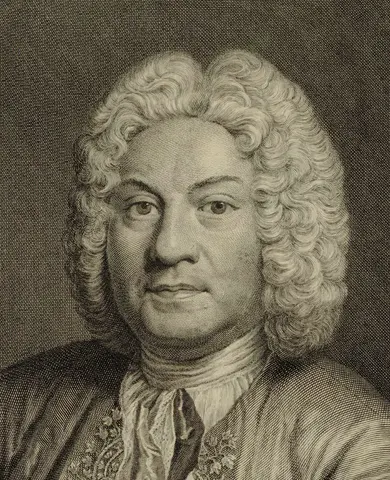
フランソワ・クープランは1668年11月10日、パリに生まれました。クープラン家は音楽一家で、パリのサン・ジェルヴェ教会のオルガン奏者を代々つとめていました。おじのルイ・クープランも有名な鍵盤楽器の名人です。父シャルルはフランソワが10歳ほどのときに亡くなりましたが、教会のオルガン奏者の地位は、大人になったらフランソワがつぐことが約束されました。François Couperin was born in Paris on 10 November 1668. The Couperins were a family of musicians who served for generations as organists of the church of Saint-Gervais in Paris. His uncle Louis Couperin was also a famous keyboard player. His father Charles died when François was about ten, but it was arranged that François would take over the organist's post when he grew up.
少年フランソワは、王の宮廷のオルガン奏者トムランに学びました。トムランは「第二の父」のような存在だったと伝えられています。1690年にはオルガン曲集を発表し、1693年には、トムランが亡くなったあとの試験に合格し、ルイ14世の王室礼拝堂の4人のオルガン奏者の1人になりました。王の子どもや貴族に鍵盤楽器を教え、ヴェルサイユの宮廷で室内楽も演奏しました。親せきと区別するため「大クープラン」と呼ばれます。As a boy, François studied with Thomelin, an organist at the royal court, who is said to have been like a second father to him. In 1690 he published a book of organ music, and in 1693, after Thomelin's death, he won a competition to become one of the four organists of Louis XIV's Royal Chapel. He taught keyboard to royal children and nobles and played chamber music at Versailles. He is called 'Couperin le Grand' to distinguish him from his relatives.
クープランの名を高めたのは、1713年から1730年にかけて出版した4巻のチェンバロ曲集です。200曲以上が27の「オルドル」(組)にまとめられ、「神秘的なバリケード」「恋のうぐいす」「チクタクショック」など、ふしぎで楽しい題名がついています。1716年には「クラヴサン奏法」という教則本を出し、指使いや装飾音(音のかざり)の弾き方を細かく説明しました。Couperin's fame rests above all on his four books of harpsichord pieces, published between 1713 and 1730. More than 200 pieces are grouped into 27 'ordres', or suites, with curious and charming titles such as 'Les Barricades mystérieuses', 'Le Rossignol en amour' ('The Nightingale in Love') and 'Le Tic-Toc-Choc'. In 1716 he published The Art of Playing the Harpsichord, explaining fingering and ornaments in detail.
クープランはイタリアの音楽も大好きで、コレッリをたたえる「コレッリ礼賛」と、フランスのリュリをたたえる「リュリ礼賛」を書き、2つの国の音楽をまぜ合わせようとしました。1720年代には体が弱り、1730年には娘マルグリット=アントワネットが宮廷のチェンバロ奏者の仕事を受けつぎます。1733年9月11日、パリで64歳で亡くなりました。のちにラヴェルが「クープランの墓」を作曲して、彼とフランスの音楽をたたえています。Couperin also loved Italian music. He wrote The Apotheosis of Corelli to honour the Italian master and The Apotheosis of Lully to honour the French one, trying to unite the two styles. His health declined in the 1720s, and in 1730 his daughter Marguerite-Antoinette took over his post as court harpsichordist. He died in Paris on 11 September 1733, aged 64. Much later, Ravel paid tribute to him and French music in Le Tombeau de Couperin.
François Couperin was born in Paris in 1668. He came from a family of musicians. He played the organ for King Louis XIV. He wrote many pieces for the harpsichord. They have funny and mysterious names. One is called 'Tic-Toc-Choc'!フランソワ・クープランは1668年にパリで生まれました。彼は音楽家の一族に生まれました。彼は国王ルイ14世のためにオルガンを弾きました。彼はチェンバロのための曲をたくさん書きました。それらには、おもしろくてふしぎな名前がついています。そのひとつは「チクタクショック」という名前です!
 これだけは!鉄板情報 Must-Know Facts
 あっと驚くネタ Surprising Stories
 タップすると答えが開きます
クープランは教則本「クラヴサン奏法」の中で、弾くときに顔をしかめたり、変な表情をしたりしないよう注意しています。そのために、譜面台に鏡を置いて自分の顔を見ながら練習するとよい、とすすめています。演奏は見た目の美しさも大切、というフランスの宮廷らしい考え方です。
In The Art of Playing the Harpsichord, Couperin warns players not to pull faces or grimace while playing. He suggests placing a mirror on the music stand so you can watch your face as you practise. It reflects the elegant French court idea that a performance should also look beautiful.
チェンバロ曲「神秘的なバリケード」は、ゆれるような和音がつづく美しい曲です。ところが、何が「バリケード」なのかクープランは説明しておらず、今も研究者や演奏家がいろいろな説を出しています。答えのないなぞが、この曲の人気をいっそう高めています。
'Les Barricades mystérieuses' is a beautiful piece full of gently overlapping chords. But Couperin never explained what the 'barricades' are, and scholars and performers still offer many different theories. This unsolved mystery only adds to the piece's popularity.
当時は、演奏する人が楽譜の音のかざりを変えたり、自分で足したりすることがよくありました。けれどもクープランは装飾音をこまかく楽譜に書きこみ、曲集の序文で「わたしが記したとおりに弾いてほしい」とはっきり求めました。作曲家がここまで演奏に注文をつけるのは、めずらしいことでした。
In those days, performers often changed the ornaments in the score or added their own. Couperin, however, wrote his ornaments into the score in detail, and in the preface to one of his books he clearly asked players to perform his pieces exactly as he had marked them. It was unusual for a composer to be so precise.
バッハの家族のための曲集「アンナ・マクダレーナ・バッハのための音楽帳」には、クープランのチェンバロ曲「牧歌(レ・ベルジュリー)」が書き写されています。バッハがクープランの曲を知っていたことがわかります。2人が手紙をやりとりしたという話も伝わっていますが、その手紙は残っておらず、本当かどうかは確かめられません。
Couperin's harpsichord piece 'Les Bergeries' was copied into a music book for Bach's family, the Notebook for Anna Magdalena Bach. This shows that Bach knew Couperin's music. There is also a story that the two exchanged letters, but no letters survive, so it cannot be confirmed.
クープランの音楽は、のちの大作曲家たちにも愛されました。ドイツのブラームスはクープランのチェンバロ曲の楽譜の編集にかかわり、リヒャルト・シュトラウスは彼の曲をオーケストラ用に編曲しました。そしてラヴェルは「クープランの墓」で、フランス・バロックへの敬意をあらわしています。
Couperin's music was loved by many later masters. Brahms helped edit an edition of his harpsichord pieces, and Richard Strauss arranged some of them for orchestra. Ravel, in Le Tombeau de Couperin, expressed his respect for the French Baroque.
クープランの娘マルグリット=アントワネットは、すぐれたチェンバロ奏者でした。体が弱った父にかわって、1730年に宮廷のチェンバロ奏者の仕事を受けつぎます。王の宮廷でこの役目を女性がつとめるのは、とてもめずらしいことでした。
Couperin's daughter Marguerite-Antoinette was an excellent harpsichordist. In 1730 she took over her ailing father's post as harpsichordist at the royal court. It was very unusual for a woman to hold this position at court.
FAMOUS WORDS
“I declare in all good faith that I am more pleased with what moves me than with what surprises me.”正直に言いますが、わたしはおどろかされるものより、心を動かされるもののほうがずっと好きです。
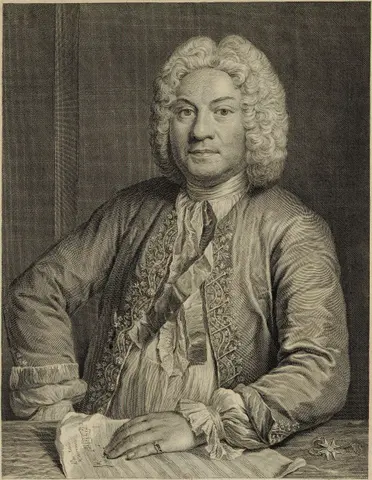
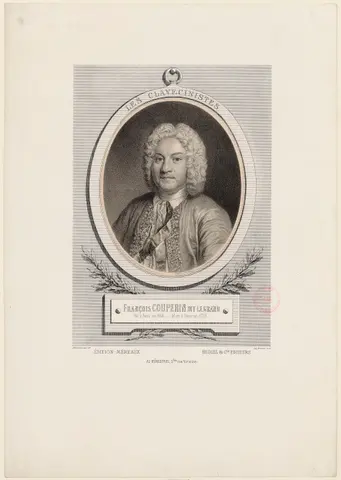
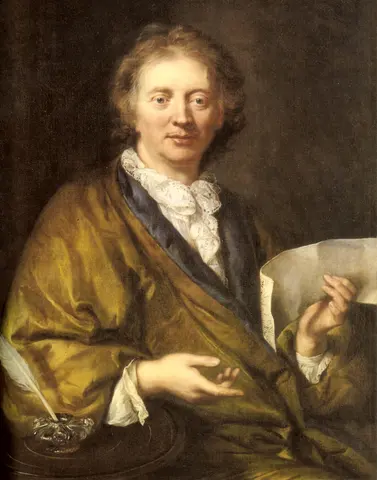
— François Couperin(「クラヴサン曲集 第1巻」(1713年)の序文) 肖像画・写真・自筆譜 Gallery (Public Domain)
Wikimedia Commons でパブリックドメイン(または CC0)と確認した画像です。クリックで拡大。
 年表 Timeline
 クープランで覚える英単語 Words
 クイズに挑戦 Quiz
MORE COMPOSERS







 MP3