
調和の霊感 第8番
L'estro armonico No. 8
ヴィヴァルディ・published 1711
2本のヴァイオリンが火花を散らす!バッハも編曲した熱い協奏曲。
協奏曲集『調和の霊感』第8番 イ短調(2つのヴァイオリンのための協奏曲)のページへBaroque · 1678–1741
「赤毛の司祭」The Red Priest
 ヴェネツィア(イタリア)
 ウィーン(オーストリア)8 曲を収録
「四季」で春夏秋冬を音にした、水の都の赤毛の司祭。The red-haired priest of Venice who turned the four seasons into music.
 ヴィヴァルディの名曲を聴く
ヴィヴァルディ・published 1711
2本のヴァイオリンが火花を散らす!バッハも編曲した熱い協奏曲。
協奏曲集『調和の霊感』第8番 イ短調(2つのヴァイオリンのための協奏曲)のページへヴィヴァルディ・c. 1715
オクターブがぴょんぴょん跳ねる!喜びがはじける合唱の名曲。
グローリア ニ長調のページへヴィヴァルディ・1725
小鳥が歌い、小川がささやく。音で描いた春の風景画。
協奏曲集『四季』より「春」のページへヴィヴァルディ・1725
うだる暑さ、そして大嵐!ヴァイオリンが雷を鳴らす夏。
協奏曲集『四季』より「夏」のページへヴィヴァルディ・1725
収穫を祝って歌っておどる!にぎやかな村の秋祭り。
協奏曲集『四季』より「秋」のページへヴィヴァルディ・1725
歯がガチガチ、足ぶみドンドン!音で感じる真冬の寒さ。
協奏曲集『四季』より「冬」のページへヴィヴァルディ・1720s (?)
ポロロン、チャカチャカ!小さなマンドリンが主役のごきげんな協奏曲。
マンドリン協奏曲 ハ長調のページへヴィヴァルディ・c. 1730–1731
ギターでも大人気!ラルゴの静かな歌に、思わず心がほどける。
リュート協奏曲 ニ長調のページへ
ホー!ヴィヴァルディは協奏曲を500曲以上も書いたと言われているよ。
 生涯 Life Story
ヴィヴァルディは1678年、水の都ヴェネツィアで生まれました。生まれてすぐ、家で急いで洗礼を受けています。体が弱かったためか、その日に起きた地震のためと考えられていますが、はっきりしません。父はサン・マルコ大聖堂のヴァイオリン奏者で、息子に楽器を教えました。父も赤い髪だったと言われ、ヴィヴァルディの赤い髪は、のちに彼のあだ名になります。Vivaldi was born in Venice in 1678. He was baptized at home right after birth, perhaps because he was weak, or perhaps because an earthquake shook the city that day. No one knows for sure. His father, a violinist at St. Mark's Basilica, taught him the violin. His father is also said to have had red hair, and Vivaldi's own red hair later gave him his nickname.
ヴィヴァルディは司祭(神父)になりましたが、胸の病気(ぜんそくと考えられています)を理由に、まもなくミサをあげるのをやめました。かわりに、身寄りのない女の子たちが暮らす「ピエタ養育院」でヴァイオリンを教え、少女たちのオーケストラのために次々と曲を書きます。その演奏は、外国から旅行者が聴きに来るほど評判でした。Vivaldi became a priest, but he soon stopped saying Mass because of a chest illness, probably asthma. Instead, he taught violin at the Ospedale della Pietà, a home for orphaned and abandoned girls. He wrote piece after piece for its all-girl orchestra. Their concerts were so famous that travelers from other countries came to hear them.
1725年には、「四季」を含む協奏曲集を出版します。春の小鳥、夏の嵐、秋の収穫祭、冬の寒さを、短い詩とともに音で描いたものです。オペラでも大活躍し、イタリア各地の劇場で働いたほか、中央ヨーロッパにも出かけました。一方で、いつも共演していた歌手アンナ・ジローとの関係がうわさになり、司祭なのにミサをしないことも批判されました。In 1725 he published a set of concertos that included The Four Seasons. These pieces paint spring birds, summer storms, autumn harvest parties, and winter cold, each with a short poem. He was also a busy opera composer, working in several Italian cities and traveling into central Europe for his music. But people gossiped about his close friendship with the singer Anna Girò, and some criticized him for being a priest who did not say Mass.
晩年、ヴェネツィアでの人気が落ちると、ヴィヴァルディは神聖ローマ皇帝カール6世をたよってウィーンへ向かいます。ところが皇帝はまもなく亡くなり、ヴィヴァルディも1741年、ウィーンで貧しく亡くなりました。その後、作品の多くはほとんど演奏されなくなりましたが、まったく忘れられたわけではありません。1920年代に大量の楽譜が見つかって研究と演奏が進み、今では世界中で愛される人気作曲家です。Late in life, when his popularity in Venice faded, Vivaldi went to Vienna, hoping for support from Emperor Charles VI. But the emperor died soon after, and Vivaldi died poor in Vienna in 1741. After that, most of his music was rarely played, although it was not completely forgotten. Then, in the 1920s, a huge collection of his manuscripts was found, and scholars and performers began to bring it back. Today he is one of the most loved composers in the world.
Vivaldi was born in Venice, Italy. He had red hair. He was a priest and a violin teacher. He taught girls at a big home in Venice. He wrote The Four Seasons. His music was rarely played for a long time, but it became popular again in the 1900s.ヴィヴァルディはイタリアのヴェネツィアで生まれました。髪は赤色でした。彼は司祭で、ヴァイオリンの先生でもありました。ヴェネツィアの大きな施設で女の子たちに教えました。「四季」を書きました。彼の音楽は長いあいだあまり演奏されませんでしたが、1900年代にまた人気になりました。
 これだけは!鉄板情報 Must-Know Facts
 あっと驚くネタ Surprising Stories
 タップすると答えが開きます
1739年にヴェネツィアを訪れたフランス人ド・ブロスは、手紙にこう書いています。ヴィヴァルディは「写譜屋が書き写すより速く、協奏曲を1曲作曲できる」と自慢していた、と。ものすごい早書きだったのはたしかなようです。
A French visitor, Charles de Brosses, wrote in 1739 that Vivaldi boasted he could compose a whole concerto faster than a copyist could copy it out. He was clearly a very fast composer.
協奏曲で有名なヴィヴァルディですが、本人は1739年の手紙で「オペラを94曲書いた」と言っています。今わかっているのは約50曲ほど。ちょっと話を盛ったのか、楽譜がなくなったのかは、わかっていません。
Vivaldi is famous for concertos, but in a letter of 1739 he said he had written 94 operas. Only about 50 are known today. Nobody knows if he exaggerated or if many scores were lost.
死後のヴィヴァルディの作品は、ほとんど演奏されなくなっていました。ところが1926年、北イタリアの修道院で、彼の手書きの楽譜がどっさり見つかります。調べていくと、研究者もそれまで知らなかった協奏曲やオペラが大量に入っていて、大ニュースになりました。
After his death, Vivaldi's music was hardly ever played. Then in 1926, a large pile of his handwritten scores was found in a monastery in northern Italy. It contained many concertos and operas that modern scholars had never known, and it became big news.
ヴィヴァルディの協奏曲は、ドイツでも大人気でした。若いころのバッハはその楽譜を研究し、チェンバロやオルガン用に何曲も編曲しています。4台のチェンバロのための協奏曲も、元はヴィヴァルディの曲です。
Vivaldi's concertos were popular in Germany too. The young Bach studied them and arranged several for harpsichord and organ. His concerto for four harpsichords is based on a piece by Vivaldi.
「四季」の楽譜には、季節のようすを描いた短い詩がついていて、楽譜のどの部分が「鳥の声」や「犬の鳴き声」なのかまでわかるようになっています。作者の名前は書かれていませんが、ヴィヴァルディ本人が書いたという説もあります。
The score of The Four Seasons comes with short poems, and it even shows which notes are birds singing or a dog barking. The poet's name is not given, but some people think Vivaldi wrote the poems himself.
20世紀には「ヴィヴァルディは同じ協奏曲を何百回も書いただけだ」という皮肉が広まりました。作曲家ストラヴィンスキーの言葉としてよく紹介されますが、本当にだれが言ったのかははっきりしません。もちろん、今では1曲1曲の工夫が高く評価されています。
In the 20th century, a joke spread that Vivaldi wrote the same concerto hundreds of times. It is often said to come from Stravinsky, but no one is sure who really said it. Today, of course, each of his concertos is admired for its own ideas.
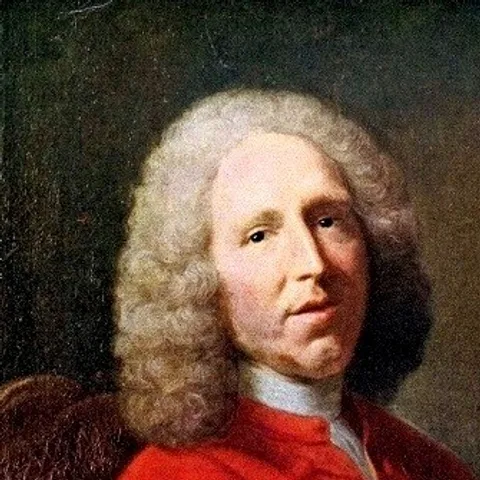
 肖像画・写真・自筆譜 Gallery (Public Domain)
Wikimedia Commons でパブリックドメイン(または CC0)と確認した画像です。クリックで拡大。
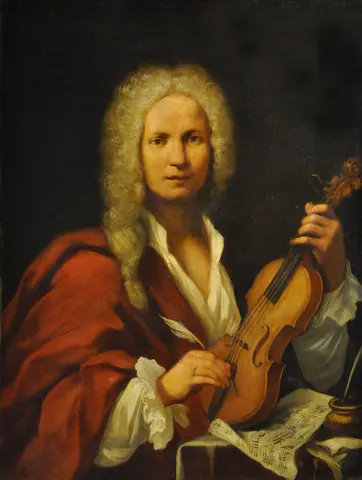
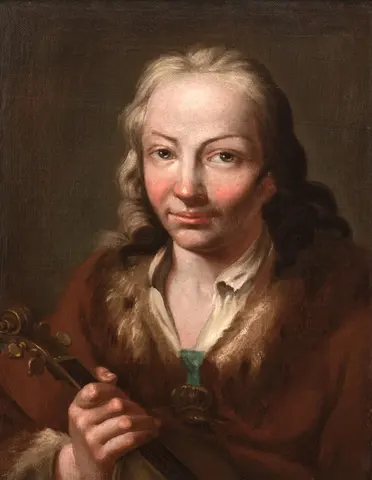
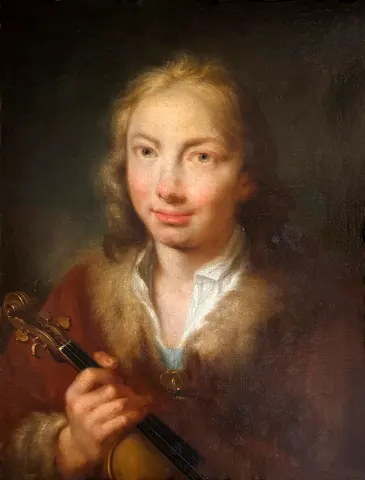
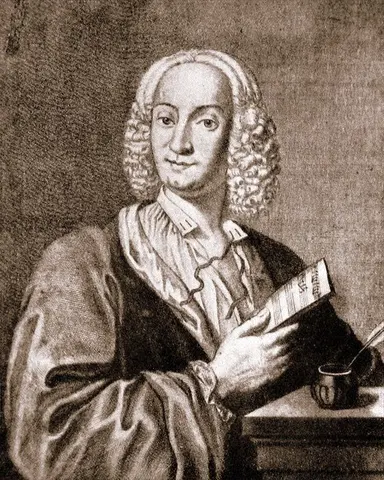
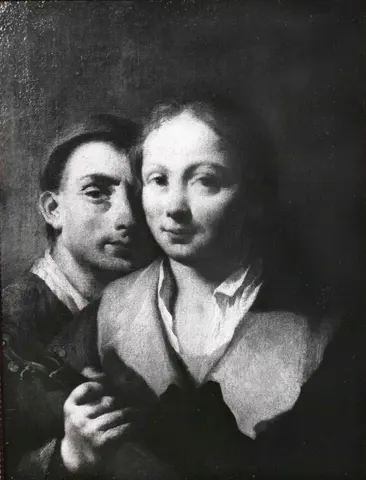
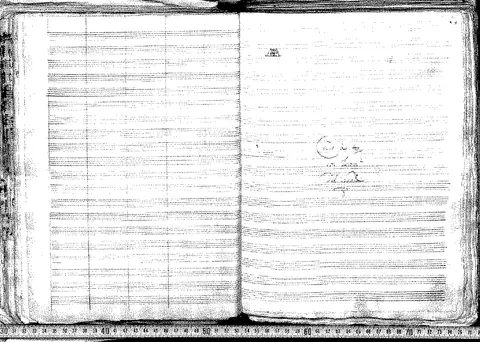
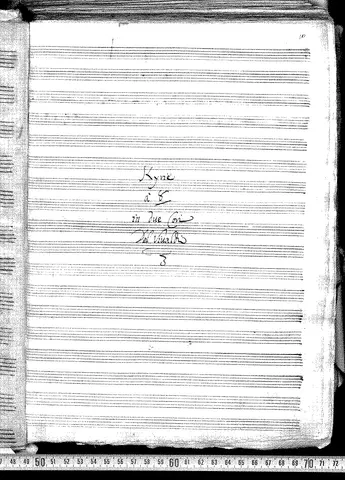
ページ上のイラストは、本物の肖像画をもとにこのサイトのために描いたものです。
 年表 Timeline
 ヴィヴァルディで覚える英単語 Words
 クイズに挑戦 Quiz
MORE COMPOSERS







 MP3