
クリスマス協奏曲
Christmas Concerto
コレッリ・published 1714
聖なる夜のために。最後に羊飼いの笛のようなパストラーレが流れます。
合奏協奏曲 ト短調「クリスマス協奏曲」のページへBaroque · 1653–1713
「バイオリン音楽の父」The father of violin music
 フジニャーノ(イタリア)
 ローマ(イタリア)1 曲を収録
曲集はたった6冊。それでもヨーロッパ中に影響をあたえたバイオリンの名人。Only six collections bear his name — yet they influenced musicians all over Europe.
 コレッリの名曲を聴く
コレッリ・published 1714
聖なる夜のために。最後に羊飼いの笛のようなパストラーレが流れます。
合奏協奏曲 ト短調「クリスマス協奏曲」のページへ
ホー!コレッリの6冊の曲集は、どれもきっちり12曲ずつ入っているんだよ。
 生涯 Life Story
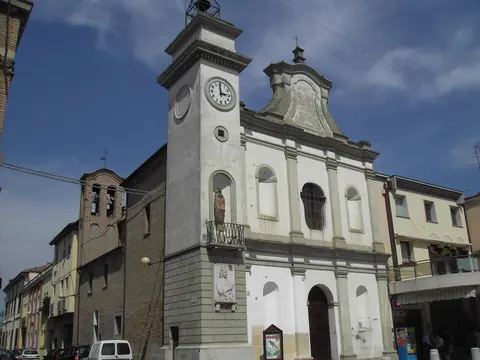
アルカンジェロ・コレッリは1653年2月17日、イタリア北部の小さな町フジニャーノに生まれました。家は土地を持つゆたかな家でしたが、父親はコレッリが生まれる前に亡くなっていました。少年時代に音楽の町ボローニャでバイオリンを学び、1670年、まだ17歳ほどでボローニャの名高い音楽家の団体「アカデミア・フィラルモニカ」の会員にえらばれました。Arcangelo Corelli was born on 17 February 1653 in Fusignano, a small town in northern Italy. His family were well-off landowners, but his father died before he was born. As a boy he studied the violin in Bologna, a city famous for music. In 1670, at about seventeen, he was accepted into Bologna's respected Accademia Filarmonica, a society of musicians.
やがてローマに出たコレッリは、バイオリンの名人として大人気になりました。スウェーデンの元女王クリスティーナや、オットボーニ枢機卿(カトリックの位の高い聖職者)がパトロン(応援してお金を出す人)になり、彼は枢機卿の宮殿に住んで演奏会を取りしきりました。1681年の作品1から、1700年のバイオリン・ソナタ集・作品5まで、出版した曲集はどれも大評判になりました。Corelli moved to Rome, where he became hugely popular as a violinist. His patrons included the former Queen Christina of Sweden and Cardinal Pietro Ottoboni, a powerful churchman. Corelli lived in the cardinal's palace and directed his concerts. Every collection he published, from his Op. 1 in 1681 to his violin sonatas Op. 5 in 1700, was a great success.
コレッリは、たくさん書いて次々に出すタイプではありませんでした。何度も手直しして、自分が満足したものだけを世に出したのです。そのため曲集は作品1から作品6までのたった6冊です(作品6は亡くなった翌年に出版)。それでもその美しく整った書き方は、バイオリンを学ぶ人や作曲家たちのお手本になりました。弟子のジェミニアーニも名人として活やくし、ロカテッリもコレッリから強い影響を受けました。Corelli was not the kind of composer who wrote quickly and published a lot. He revised his music again and again and only released what fully satisfied him. As a result, there are just six collections, Op. 1 to Op. 6 (Op. 6 came out the year after his death). Yet their clear, balanced style became a model for violinists and composers. His pupil Geminiani became a famous player, and Locatelli was also strongly influenced by Corelli.
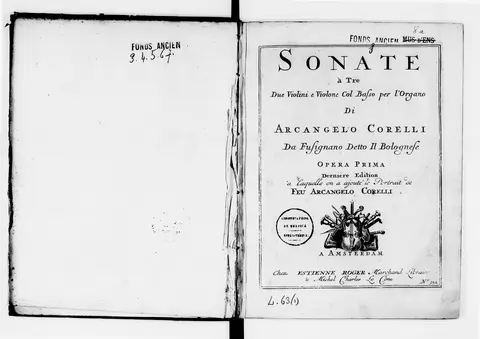
コレッリは1713年1月8日、ローマで59歳で亡くなり、古代の神殿パンテオンにほうむられました。翌1714年、合奏協奏曲集・作品6がアムステルダムで出版されます。その第8番は「クリスマス協奏曲」として今も愛されています。コレッリのスタイルは、ヴィヴァルディやヘンデル、バッハにも大きな影響をあたえ、イタリアの協奏曲の土台になりました。Corelli died in Rome on 8 January 1713, aged 59, and was buried in the Pantheon, the ancient Roman temple. In 1714 his Concerti Grossi Op. 6 were published in Amsterdam. No. 8 is still loved today as the 'Christmas Concerto'. His style had a strong influence on Vivaldi, Handel and Bach, and it became the foundation of the Italian concerto.
Arcangelo Corelli was born in Italy in 1653. He was a great violin player. He lived in Rome and played for rich people. He did not publish a lot of music. But every piece was very beautiful. His Christmas Concerto is famous today.アルカンジェロ・コレッリは1653年にイタリアで生まれました。彼はすばらしいバイオリン奏者でした。彼はローマに住み、お金持ちの人たちのために演奏しました。彼はたくさんの曲を出版しませんでした。でも、どの曲もとても美しかったのです。彼の「クリスマス協奏曲」は今も有名です。
 これだけは!鉄板情報 Must-Know Facts
 あっと驚くネタ Surprising Stories
 タップすると答えが開きます
1707年ごろ、若いヘンデルがローマに来て、コレッリが彼の曲を演奏しました。ヘンデルは弾き方が気に入らず、コレッリの手からバイオリンを取って弾いてみせたと、ヘンデルの最初の伝記に書かれています。コレッリは「これはフランス風の音楽で、わたしにはよくわかりません」とおだやかに答えたそうです。
Around 1707, the young Handel came to Rome, and Corelli led a performance of his music. According to Handel's first biography, Handel did not like the way it was played and took the violin out of Corelli's hands to show him. Corelli is said to have replied gently that this music was in the French style, which he did not understand.
コレッリのお墓は、ローマの有名な古代の建物パンテオンの中にあります。ここには画家ラファエロもほうむられています。ローマの人々がコレッリをどれほど大切に思っていたかがわかります。亡くなったあとも、命日にはしばらくのあいだ記念の演奏が行われたと伝えられています。
Corelli's tomb is inside the Pantheon, one of Rome's most famous ancient buildings, where the painter Raphael is also buried. It shows how much the people of Rome loved him. It is said that for some years after his death, music was performed in his memory on the anniversary of his death.
コレッリは絵が大好きで、たくさんの絵画を集めていました。亡くなるときには、そのコレクションと財産を、長年の応援者オットボーニ枢機卿にゆずると遺言しました。枢機卿は絵だけを受け取り、お金はコレッリの家族にゆずったと伝えられています。
Corelli loved art and built up a large collection of paintings. In his will he left his collection and his money to his long-time patron, Cardinal Ottoboni. The cardinal is said to have kept only the paintings and passed the money on to Corelli's family.
作品6の第8番の楽譜には「クリスマスの夜のために作られた」と書かれています。最後には「パストラーレ」という、羊飼いたちがイエスの誕生をお祝いする場面を思わせる、ゆったりした楽章が置かれています。クリスマスの時期になると、今も世界中で演奏されます。
The score of Op. 6 No. 8 says that it was 'made for Christmas night'. It ends with a gentle Pastorale, a movement that suggests shepherds celebrating the birth of Jesus. Every Christmas season it is still performed all over the world.
作品5の最後の曲は、スペインやポルトガルで広まった古い音楽の型「フォリア」をもとにした変奏曲です。同じ低音の上で、バイオリンがどんどん形を変えていきます。この曲はとても人気になり、のちの多くの作曲家もフォリアを使った曲を書きました。
The last piece of Op. 5 is a set of variations on 'La Folia', an old musical pattern that spread from the Iberian Peninsula. Over the same repeating bass, the violin keeps changing the music in new ways. It became so popular that many later composers also wrote their own Folia pieces.
コレッリは、ローマの文化人が集まる「アルカディア・アカデミー」の会員でした。会員はギリシャ風のあだ名をもらうきまりで、コレッリの名前は「アルコメロ・エリマンテオ」。「アルコ」は弓、「メロ」は歌を思わせる、バイオリンの名人にぴったりの名前です。
Corelli was a member of the Arcadian Academy, a society of artists and writers in Rome. Each member received a Greek-style name, and Corelli's was 'Arcomelo Erimanteo'. 'Arco' suggests a bow and 'melo' suggests song — a perfect name for a violinist.
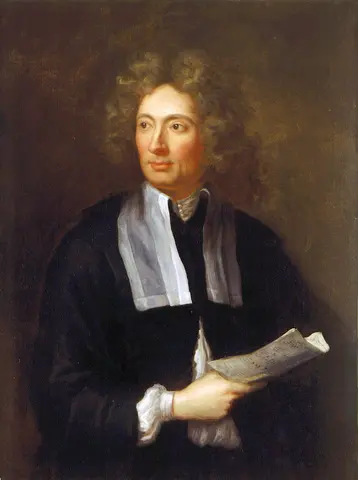
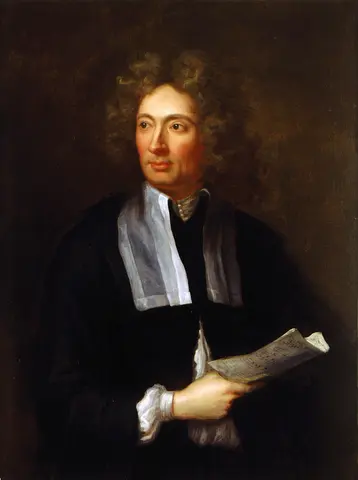
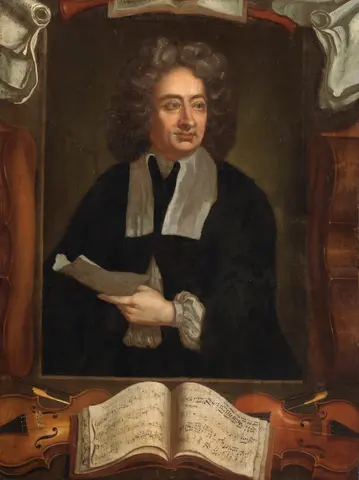
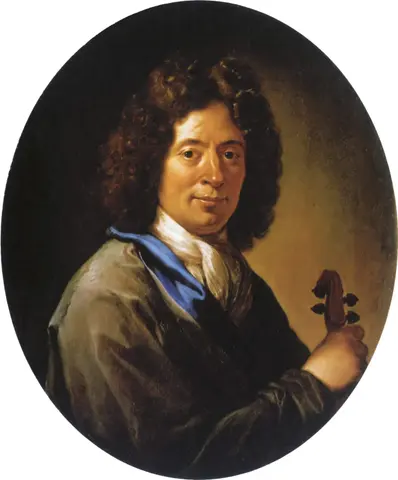
 肖像画・写真・自筆譜 Gallery (Public Domain)
Wikimedia Commons でパブリックドメイン(または CC0)と確認した画像です。クリックで拡大。
 年表 Timeline
 コレッリで覚える英単語 Words
 クイズに挑戦 Quiz
MORE COMPOSERS







 MP3