タンブラン
Tambourin
ラモー・published 1724
ドンドン鳴る太鼓と笛をチェンバロで!南フランスの元気な踊り。
タンブラン(クラヴサン曲集 ホ短調組曲より)のページへBaroque · 1683–1764
「和声学の父」The father of harmonic theory
 ディジョン(フランス)
 パリ(フランス)2 曲を収録
50歳でオペラデビュー!音楽の理論もぬりかえた遅咲きの大天才。He wrote his first opera at fifty — and rewrote the rules of harmony too.
 ラモーの名曲を聴く
ラモー・published 1724
ドンドン鳴る太鼓と笛をチェンバロで!南フランスの元気な踊り。
タンブラン(クラヴサン曲集 ホ短調組曲より)のページへラモー・published 1724
チチチ、ピピピ!チェンバロの上で鳥たちがおしゃべり。
鳥のさえずり(クラヴサン曲集 ホ短調組曲より)のページへ
ホー!ラモーが最初のオペラを発表したのは、なんと50歳のときなんだよ。
 生涯 Life Story
ジャン=フィリップ・ラモーは1683年9月、フランス東部のディジョンに生まれました。父は教会のオルガン奏者で、ラモーは字を読むより先に楽譜が読めたと言われています。父は息子を法律家にしたかったのですが、ラモーは音楽の道へ進みました。18歳ごろにイタリアへ短い旅をしたあと、フランス各地の教会でオルガン奏者として働きました。Jean-Philippe Rameau was born in September 1683 in Dijon, in eastern France. His father was a church organist, and it is said that Rameau could read music before he could read words. His father wanted him to become a lawyer, but Rameau chose music. After a short trip to Italy at about eighteen, he worked as an organist in churches around France.
1722年、ラモーは「和声論」という本を出版しました。和音(いくつかの音を同時に鳴らした響き)がどんなきまりで並ぶのかを、科学のように説明した本です。この本で彼はまず「音楽の理論家」として有名になりました。同じころパリに移り、チェンバロ(ピアノのご先祖の鍵盤楽器)の曲集を出版します。その中には「タンブラン」や、にわとりの鳴き声をまねた「めんどり」があります。In 1722 Rameau published his Treatise on Harmony. It explained, almost like science, the rules for how chords — several notes sounding together — follow one another. The book first made him famous as a music theorist. Around the same time he moved to Paris and published collections of harpsichord pieces, including 'Tambourin' and 'La Poule' ('The Hen'), which imitates a clucking chicken.
1733年、50歳のラモーは初めてのオペラ「イポリートとアリシ」を発表しました。それまでのリュリ風のオペラに慣れた人々は、こみいった和音と派手なオーケストラにおどろき、「リュリ派」と「ラモー派」の大論争が起きます。それでもラモーは「優雅なインドの国々」(1735年)、「カストールとポリュックス」(1737年)などを次々に成功させ、フランス・オペラの第一人者になりました。In 1733, at the age of fifty, Rameau presented his first opera, Hippolyte et Aricie. Audiences used to the operas of Lully were shocked by its complex harmonies and colourful orchestra, and a fierce debate broke out between 'Lullistes' and 'Rameauneurs'. Yet Rameau went on to triumph with Les Indes galantes (1735), Castor et Pollux (1737) and more, and became the leading opera composer in France.
1752年、イタリアの軽い喜劇オペラがパリで大人気になり、思想家ルソーたちは「フランスのオペラは古くさい」とラモーを批判しました(「ブフォン論争」)。それでもラモーは晩年まで作曲と理論の研究を続け、1764年9月12日、80歳でパリで亡くなりました。彼の和声の考え方は、のちの人たちに手直しされながらも、今の和音の理論の土台のひとつになりました。In 1752 light Italian comic opera became the rage in Paris, and the philosopher Rousseau and others attacked Rameau's French opera as old-fashioned. This was called the 'Querelle des Bouffons'. Even so, Rameau kept composing and writing theory until old age. He died in Paris on 12 September 1764, aged 80. His ideas about harmony, though later revised, helped lay the foundations of the chord theory taught today.
Jean-Philippe Rameau was born in France in 1683. He played the organ in churches. He wrote a famous book about chords. He wrote his first opera at age fifty! People were very surprised by his new sounds. He became the top opera composer in France.ジャン=フィリップ・ラモーは1683年にフランスで生まれました。彼は教会でオルガンを弾きました。彼は和音についての有名な本を書きました。彼は50歳で初めてのオペラを書きました!人々は彼の新しい響きにとてもおどろきました。彼はフランスでいちばんのオペラ作曲家になりました。
 これだけは!鉄板情報 Must-Know Facts
 あっと驚くネタ Surprising Stories
 タップすると答えが開きます
クレルモンの大聖堂でオルガン奏者をしていたころ、ラモーはパリへ行くために契約をやめたいと考えました。ところが許してもらえなかったため、礼拝でわざとひどい不協和音を鳴らし、ついに辞めさせてもらったという言い伝えがあります。本当かどうかは、はっきりしていません。
While working as organist at the cathedral in Clermont, Rameau wanted to leave his contract and go to Paris. There is a story that, when he was not allowed to go, he played horribly clashing chords during services until they finally let him leave. Whether it really happened is not certain.
死の床にあったラモーのもとに神父が来て、祈りの歌をとなえました。するとラモーは「神父さま、なぜわたしに歌など歌うのですか。音がはずれていますよ」と文句を言ったという話が伝わっています。最後まで音にきびしい人だったことを示す、有名なエピソードです。
When Rameau lay dying, a priest came and chanted prayers for him. According to a famous story, Rameau complained, 'Why on earth are you singing to me, Father? You are out of tune!' Whether or not it is true, the tale shows how strict he was about sound to the very end.
今では大作曲家のラモーですが、50歳ごろまでは、おもに音楽理論の本と、いくつかのチェンバロ曲集で知られる人でした。1733年、50歳で初演した初めてのオペラ「イポリートとアリシ」は聴く人の意見を真っ二つに分け、彼は一気に、フランスでいちばん注目され、いちばん議論される作曲家になりました。
Today Rameau is seen as a great composer, but until about fifty he was known mainly for his books on music theory and a few collections of harpsichord pieces. His first opera, Hippolyte et Aricie, premiered in 1733 when he was fifty. It sharply divided listeners and quickly made him France's most talked-about — and most argued-about — composer.
フランスの思想家ディドロは、ラモーのおいジャン=フランソワをモデルにした対話の本「ラモーの甥」を書きました。この本の中では、おじの大作曲家ラモーも、きびしくて人づきあいの悪い人物として話題にされています。この本はのちに、ドイツの文豪ゲーテがドイツ語に訳しました。
The French philosopher Diderot wrote a dialogue called Rameau's Nephew, based on Rameau's real nephew, Jean-François. In the book, the great composer uncle is also discussed as a hard and unfriendly man. The book was later translated into German by the great writer Goethe.
チェンバロ曲「めんどり」は、にわとりが「コッコッコッコッコケー」と鳴くようすを、くり返す音で生き生きとまねた曲です。楽譜には鳴き声を表す「ココ・ココ・ココデ」という言葉まで書きこまれています。むずかしい理論家のラモーの、ユーモアたっぷりの一面がわかります。
The harpsichord piece 'La Poule' ('The Hen') cleverly imitates a clucking hen with repeated notes. The score even includes the words 'co-co-co-co-co-dai' to show the hen's cry. It reveals the humorous side of the serious theorist Rameau.
1726年、42歳のラモーは19歳の歌手マリー=ルイーズ・マンゴと結婚しました。年はずいぶん離れていましたが、2人のあいだには4人の子どもが生まれ、妻はラモーの作品の上演でも歌いました。気むずかしいと言われたラモーですが、家庭は落ちついていたようです。
In 1726, the 42-year-old Rameau married Marie-Louise Mangot, a 19-year-old singer. Despite the big age gap, they had four children, and his wife sang in performances of his music. Rameau was said to be difficult, but his family life seems to have been steady.
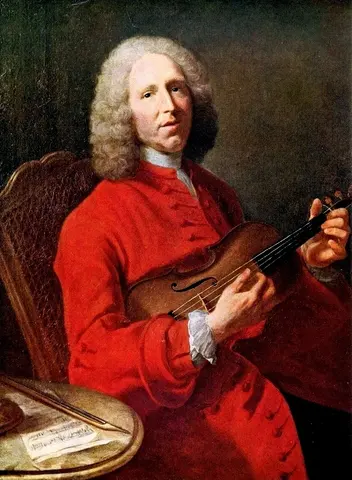
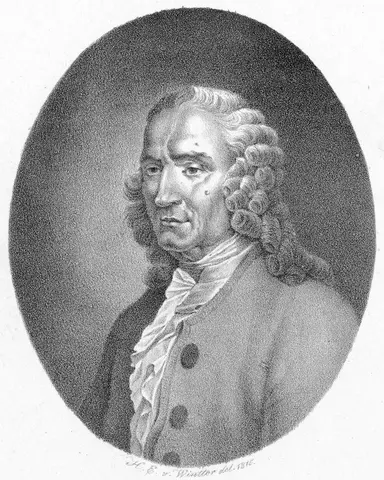
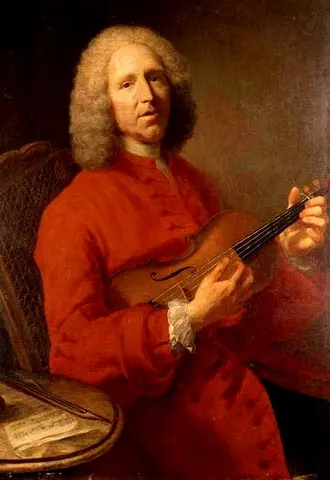
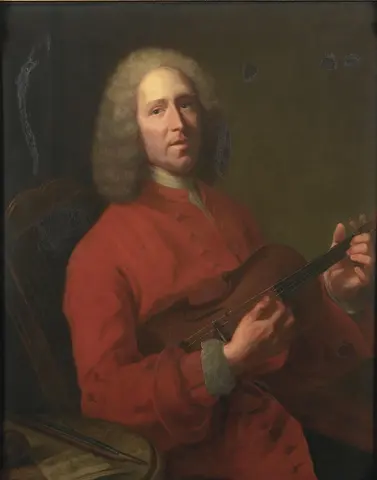
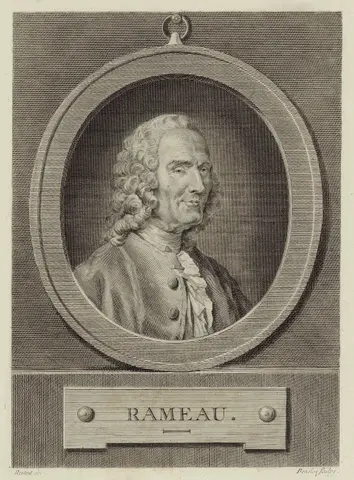
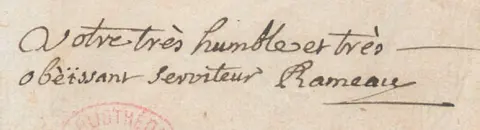
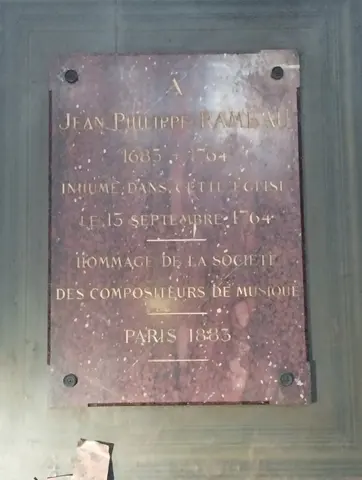
 肖像画・写真・自筆譜 Gallery (Public Domain)
Wikimedia Commons でパブリックドメイン(または CC0)と確認した画像です。クリックで拡大。
 年表 Timeline
 ラモーで覚える英単語 Words
 クイズに挑戦 Quiz
MORE COMPOSERS








 MP3