
パッヘルベルのジーグ
Pachelbel's Gigue
パッヘルベル・c. 1680–1706
あの「カノン」には、はずむ相棒がいた!知られざる後半戦。
カノンとジーグ ニ長調 より「ジーグ」のページへ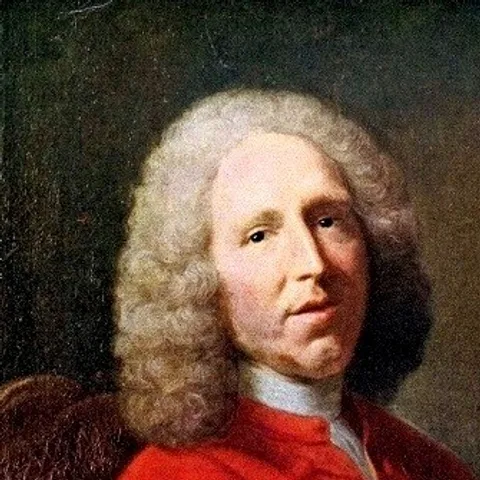
Piano · RCT 2 · published 1724
ジャン=フィリップ・ラモー(1683–1764)
ドンドン鳴る太鼓と笛をチェンバロで!南フランスの元気な踊り。Pipe and drum on a harpsichord: a lively dance from southern France.
PUBLIC DOMAIN RECORDING
PD / CC0 無料でダウンロードOK 別の演奏で聴く 1:Richard D Siegel
ANOTHER RECORDING 1
CC BY-SA 4.0 別の演奏で聴く 2:Mi-Young Park / Park SistersANOTHER RECORDING 2
CC BY 4.0WATCH ON YOUTUBE
 Rameau - Pièces de clavecin en concert N° 3 (Tambourin) / Il Giardino Armonico
protestant7 (baroque music)(YouTube) YouTube で開く ↗
J.P. Rameau - Tambourin [Alberto Chines]
Alberto Chines(YouTube) YouTube で開く ↗
左の音源は権利が切れた録音なのでダウンロードできます。右の動画は YouTube の公式の埋め込みで見るもので、ダウンロードはできません(動画の権利は各チャンネルにあります)。
 もっと名演を観る YouTube で何百万回も再生された人気の演奏
08. J.P.Rameau - Tambourin - Pièces de Clavecin (Scott Ross)
jsba1987(YouTube) YouTube で開く ↗

ホー!ラモーが初めてオペラを書いたのは、なんと50歳のときなんだ。
 この曲のおはなし The Story
「タンブラン」は、ラモーが1724年に出版した『クラヴサン曲集』の、ホ短調の組曲の中の1曲です。タンブランは南フランスのプロヴァンス地方の踊りで、ひとりの奏者が片手で小さな笛を吹き、もう片方の手で細長い太鼓をたたいて伴奏したものでした。ラモーはその音を、チェンバロ1台で表しています。'Tambourin' is a piece from the Suite in E minor in Rameau's harpsichord collection published in 1724. The tambourin is a dance from Provence in southern France. It was accompanied by one player who blew a small pipe with one hand and beat a long drum with the other. Rameau recreates that sound on a single harpsichord.
左手は同じ低い音をくり返して、ドン、ドンと鳴る太鼓をまねます。その上で右手は、笛のように軽やかで速いメロディーを弾きます。元気なメロディーが何度ももどってくるので、聴いているうちに自然と体が動いてしまいます。短くて覚えやすく、ピアノの発表会などでも親しまれている曲です。The left hand repeats the same low notes, copying the 'boom, boom' of the drum. Above it, the right hand plays a light, quick melody like a pipe. The cheerful tune keeps coming back, so your body starts moving as you listen. It is short and easy to remember, and it is also a favorite at piano recitals.
ラモーは、もともと音楽理論の学者として有名でした。1722年に『和声論』という本を書き、和音のしくみを体系的に説明しました。オペラ作曲家としてデビューしたのは1733年、50歳の時の『イポリートとアリシー』。そのあと次々とオペラを書き、フランスを代表する作曲家になります。オペラの中にも「タンブラン」という踊りをたくさん入れています。Rameau was first famous as a music theorist. In 1722 he wrote the Treatise on Harmony, a book that explained how chords work in a systematic way. He made his debut as an opera composer in 1733, at the age of 50, with Hippolyte et Aricie. After that he wrote one opera after another and became France's leading composer. His operas also include many tambourin dances.
This is a short and happy dance. In France, one person played a small pipe and a drum together for this dance. Rameau put that sound into a keyboard piece. The left hand sounds like a drum. The right hand sounds like a pipe.これは短くて楽しい踊りの曲です。フランスでは、ひとりの人が小さな笛と太鼓をいっしょに演奏して、この踊りの伴奏をしました。ラモーはその音を鍵盤の曲にしました。左手は太鼓のように聞こえます。右手は笛のように聞こえます。
 聴きどころ Listening Guide
 えっ!?ネタ Surprising Facts
 タップすると答えが開きます
ラモーが初めてのオペラ『イポリートとアリシー』を発表したのは1733年、50歳の時。それまでは主に理論家・オルガン奏者として知られていました。遅いデビューでしたが、そこから30年ほどでたくさんのオペラを書き、フランスオペラの頂点に立ちました。
Rameau presented his first opera, Hippolyte et Aricie, in 1733 at the age of 50. Before that, he was known mainly as a theorist and organist. It was a late start, but over the next 30 years or so he wrote many operas and rose to the top of French opera.
プロヴァンスのタンブランでは、ガルーベという3つ穴の小さな縦笛を片手で吹き、もう一方の手で肩からさげた細長い太鼓をたたきます。ひとりで2つの楽器を同時に!ラモーの左手のくり返す低音は、この太鼓のリズムを写したものです。
In the Provençal tambourin, one player blows a small three-hole pipe called a galoubet with one hand and beats a long drum hanging from the shoulder with the other. Two instruments at once, by one person! The repeated low notes in Rameau's left hand copy the rhythm of that drum.
フルートの名曲としてよく知られる「タンブラン」は、ラモーではなくゴセックの曲で、オペラ『ロジーヌ』の音楽をフルートとピアノ用に編曲したものです。どちらも南フランスの同じ踊りがもとになっていて、軽快な笛と太鼓のイメージは共通しています。
The 'Tambourin' that flutists often play is by Gossec, not Rameau, and the familiar flute-and-piano version is an arrangement of music from his opera Rosine. But both are based on the same dance from southern France, and both share the light feeling of pipe and drum.
ラモーは1764年に亡くなりますが、最期のとき、そばで歌う神父に「音程がはずれている」と文句を言った、という逸話が伝わっています。本当かどうかはわかりませんが、それほど耳にきびしい人だと思われていたのでしょう。
Rameau died in 1764. There is a story that on his deathbed he complained to a priest who was singing nearby that his singing was out of tune. Nobody knows if it is true, but people clearly thought he had very strict ears.
ENGLISH × MASTERPIECE
 toe(つま先)で tap(トントン)する、から。ノリのいい音楽をほめる時に使います。
 この曲で覚える英単語 Words
 クイズに挑戦 Quiz
 この録音について(著作権・出典) Credits
MORE MASTERPIECES
パッヘルベル・c. 1680–1706
あの「カノン」には、はずむ相棒がいた!知られざる後半戦。
カノンとジーグ ニ長調 より「ジーグ」のページへシャルパンティエ・c. 1688–1698
パンパカパーン!ヨーロッパのテレビの幕開けを飾ってきた、ごうかな前奏曲。
テ・デウム ニ長調のページへ
パーセル・1695
ブリテンが「オーケストラ入門」のテーマに選んだ、かっこいいメロディー。
劇音楽「アブデラザール」より ロンドのページへクラーク・c. 1700
結婚式の大定番。でも作曲者は長いあいだ取りちがえられていた!
トランペット・ヴォランタリー(デンマーク王子の行進)のページへ
バッハ・c. 1707–1710 (?)
キラキラの駆け上がりで幕開け!若きバッハのはなやかな鍵盤ショー。
トッカータ ニ長調のページへ
ヴィヴァルディ・published 1711
2本のヴァイオリンが火花を散らす!バッハも編曲した熱い協奏曲。
協奏曲集『調和の霊感』第8番 イ短調(2つのヴァイオリンのための協奏曲)のページへヴィヴァルディ・c. 1715
オクターブがぴょんぴょん跳ねる!喜びがはじける合唱の名曲。
グローリア ニ長調のページへ
テレマン・c. 1710–1720 (?)
バルブのないラッパで高音をきらり!バロックのトランペットの晴れ舞台。
トランペット協奏曲 ニ長調のページへ
 MP3