
カノン
Canon in D
パッヘルベル・c. 1680–1706
同じ8つの音が28回!なのに聴くたび胸がいっぱいになる曲。
カノンとジーグ ニ長調 より「カノン」のページへ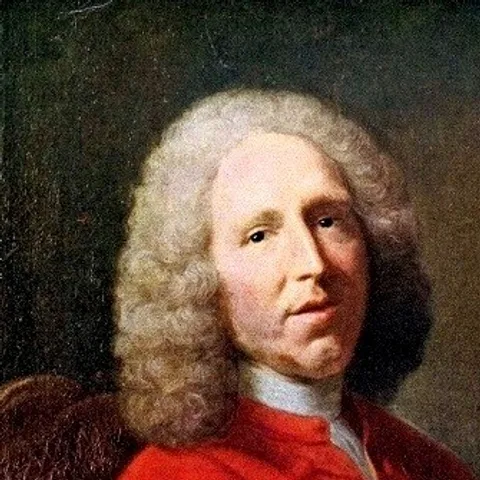
Piano · RCT 2 · published 1724
ジャン=フィリップ・ラモー(1683–1764)
チチチ、ピピピ!チェンバロの上で鳥たちがおしゃべり。Tweet, tweet! Birds chat back and forth on the harpsichord.
WATCH ON YOUTUBE
この曲は、権利の切れた高音質の録音がまだ見つからないため、YouTube の公式チャンネルなどの名演でお楽しみください(ダウンロードはできません)。YouTube でほかの演奏もさがす ↗
 Rameau: Le Rappel des oiseaux
Víkingur Ólafsson - Topic(YouTube) YouTube で開く ↗
Víkingur Ólafsson – Rameau: Le Rappel des Oiseaux
Deutsche Grammophon - DG(YouTube) YouTube で開く ↗
David Fray - Rameau: Deuxième livre de pièces de clavecin, Le rappel des oiseaux
Warner Classics(YouTube) YouTube で開く ↗

ホー!ラモーは、別の曲でニワトリの鳴き声もチェンバロでまねしているよ。
 この曲のおはなし The Story
「鳥のさえずり」(原題 Le Rappel des Oiseaux=鳥たちのよびかわし)は、ラモーが1724年に出版した『クラヴサン曲集』の、ホ短調の組曲に入っている曲です。飾りの音やくり返す音、答え合うようなフレーズが、鳥たちがあっちでチチッ、こっちでピピッと呼びかわすようすを思わせます。同じ組曲には、元気な「タンブラン」も入っています。'Le Rappel des Oiseaux' (The Call of the Birds) is a piece from the Suite in E minor in Rameau's harpsichord collection published in 1724. Its ornaments, repeated notes and answering phrases suggest birds calling to one another, tweeting here and chirping there. The same suite also includes the lively 'Tambourin'.
当時のフランスのチェンバロ曲には、鳥や人物、気分などを描いた「題名つき」の曲がたくさんありました。クープランにも「恋のうぐいす(ナイチンゲール)」という曲があります。ラモーは短い音の飾りや、すばやいくり返しの音を使って鳥のさえずりを表し、高い音と低い音が鳥のようにこたえ合う場面も作りました。French harpsichord music of that time had many pieces with titles that pictured birds, people or moods. Couperin, for example, wrote 'The Nightingale in Love'. Rameau used short ornaments and quick repeated notes to show birdsong, and he wrote passages where high and low notes answer each other like birds.
ラモーはそのあとに出した『新クラヴサン組曲集』でも、ニワトリの鳴き声をまねた「めんどり」という曲を書いています。自然の音を音楽に写す楽しさは、のちのフランスの作曲家にも受けつがれました。今ではチェンバロだけでなく、ピアノで弾かれることも多く、たくさんのピアニストが録音しています。In his later collection, the Nouvelles suites de pièces de clavecin, Rameau also wrote 'La Poule' (The Hen), which copies a chicken's clucking. The joy of turning the sounds of nature into music was passed on to later French composers. Today the piece is often played on the piano as well as the harpsichord, and many pianists have recorded it.
This piece sounds like birds calling to each other. The music has many short, quick notes. They sound like little birds singing. Rameau also wrote a piece about a chicken!この曲は、鳥たちがおたがいに呼びかけ合っているように聞こえます。音楽には、短くてすばやい音がたくさんあります。小さな鳥が歌っているように聞こえます。ラモーは、ニワトリの曲も書きました!
 聴きどころ Listening Guide
 えっ!?ネタ Surprising Facts
 タップすると答えが開きます
ラモーの「めんどり(La Poule)」では、コッコッコッ、コケッという鳴き声を、同じ音のすばやいくり返しで表しています。楽譜には鳴き声を表す言葉まで書きこまれています。鳥の声を音にするのが大好きな作曲家だったのかもしれませんね。
In Rameau's 'La Poule' (The Hen), the clucking of a hen is shown with quick repeated notes. The score even has the hen's sounds written in as words. Maybe he was a composer who loved turning birdsong into music.
ラモーは和音のしくみを研究した理論家として有名で、「むずかしい学者」のイメージもありました。でもこの曲を聴くと、自然の音を楽しげに写す、遊び心のある作曲家だとわかります。理屈と遊び心の両方をもっていたのです。
Rameau was famous as a theorist who studied how chords work, so some people saw him as a serious scholar. But this piece shows he was also a playful composer who loved copying the sounds of nature. He had both a logical mind and a sense of fun.
鳥の声を写した曲はラモーのころにもたくさんあり、ダカンのチェンバロ曲「かっこう」も有名です。20世紀には、フランスの作曲家メシアンが、世界中の鳥の声を楽譜に書きとって作品にしました。フランス音楽には、鳥を描く長い伝統があるのです。
Many pieces in Rameau's time copied birdsong, and Daquin's harpsichord piece 'The Cuckoo' is also famous. In the 20th century, the French composer Messiaen wrote down the songs of birds from around the world and used them in his music. French music has a long tradition of birds.
チェンバロは弦を小さな爪ではじくので、音がすぐ消えてキラキラ響きます。ピアノはハンマーで弦をたたくので、音が長くのび、強弱もつけやすい楽器です。同じ曲でも楽器によって鳥の声がちがって聞こえるので、聴きくらべてみると楽しいですよ。
The harpsichord plucks its strings with small quills, so the sound fades quickly and sparkles. The piano strikes its strings with hammers, so the sound lasts longer and can be louder or softer more easily. The birds sound different on each instrument, so try comparing them.
ENGLISH × MASTERPIECE
 情報源をぼかして「うわさで聞いた」と言う時の決まり文句です。
 この曲で覚える英単語 Words
 クイズに挑戦 Quiz
 著作権について Credits
MORE MASTERPIECES
パッヘルベル・c. 1680–1706
同じ8つの音が28回!なのに聴くたび胸がいっぱいになる曲。
カノンとジーグ ニ長調 より「カノン」のページへパッヘルベル・c. 1680–1706
あの「カノン」には、はずむ相棒がいた!知られざる後半戦。
カノンとジーグ ニ長調 より「ジーグ」のページへシャルパンティエ・c. 1688–1698
パンパカパーン!ヨーロッパのテレビの幕開けを飾ってきた、ごうかな前奏曲。
テ・デウム ニ長調のページへ
パーセル・1695
ブリテンが「オーケストラ入門」のテーマに選んだ、かっこいいメロディー。
劇音楽「アブデラザール」より ロンドのページへクラーク・c. 1700
結婚式の大定番。でも作曲者は長いあいだ取りちがえられていた!
トランペット・ヴォランタリー(デンマーク王子の行進)のページへ
バッハ・c. 1707–1710 (?)
キラキラの駆け上がりで幕開け!若きバッハのはなやかな鍵盤ショー。
トッカータ ニ長調のページへバッハ・1713
2本のリコーダーがやさしく鳴る、のどかな牧場の歌。
カンタータ第208番より「羊は安らかに草を食み」のページへ
コレッリ・published 1714
聖なる夜のために。最後に羊飼いの笛のようなパストラーレが流れます。
合奏協奏曲 ト短調「クリスマス協奏曲」のページへ
 MP3