

本文へ
はじめに
← 企画展の一覧
SPECIAL EXHIBITION

こわい名画展 夜に見ちゃダメ…!?

Scary Masterpieces: Don't Look at Night...!?

叫び、悪夢、骸骨、おばけ。ゾクッとする名作だらけ

ホー…夜の見回りでいちばん会いたくないのは、あの骸骨さんだよ。

表示 ワークシート
4ムンク《叫び》の絵とパステル画(版画は別)painted and pastel versions of Munch's The Scream (not counting prints)
14ゴヤが家の壁に描いた「黒い絵」'Black Paintings' Goya painted on the walls of his house
5ベックリン《死の島》のバージョンversions of Böcklin's Isle of the Dead
3枚国芳の巨大骸骨の絵をつないだ枚数sheets joined for Kuniyoshi's giant skeleton

ごあいさつ

Introduction

夕焼けの中で耳をふさぐ人、眠る人の上にすわる小鬼、画面いっぱいの巨大な骸骨。名画の中には、思わず「ひゃっ」と声が出てしまうような、こわい絵もたくさんあります。でも画家たちは、ただ人をおどかしたくて描いたわけではありません。そこには、ちゃんと理由があるのです。

A figure covering its ears under a red sunset, a little demon sitting on a sleeping woman, a giant skeleton filling the picture. Some masterpieces are scary enough to make you gasp. But the painters did not just want to frighten us. There is a reason behind every one.

不安や悲しみ、死への思い、むかし話の世界。こわい絵には、人の心の深いところが描かれています。だからこそ何百年たっても、人々の目をくぎづけにするのです。夜の美術館で、絵の中の怪物たちがそっと目を覚ますかも……。勇気のある人だけ、どうぞお入りください。

Fear, sadness, thoughts about death and the world of old legends: scary paintings show the deepest parts of the human heart. That is why they still hold our eyes after hundreds of years. In the museum at night, the monsters in the pictures may quietly wake up... Only the brave may enter!
出品作品 31点

Works
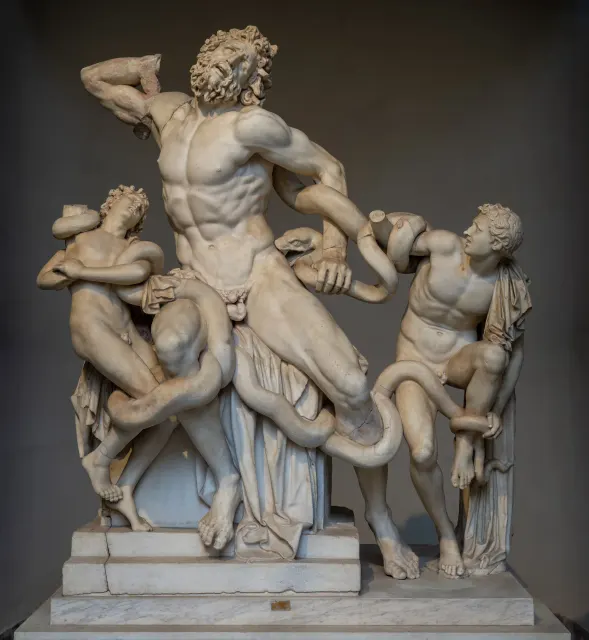
ラオコーン
ラオコーンLaocoön and His Sonsアゲサンドロス、アテノドロス、ポリュドロス(ロドス島の彫刻家)・c. 1st century BC – 1st century AD
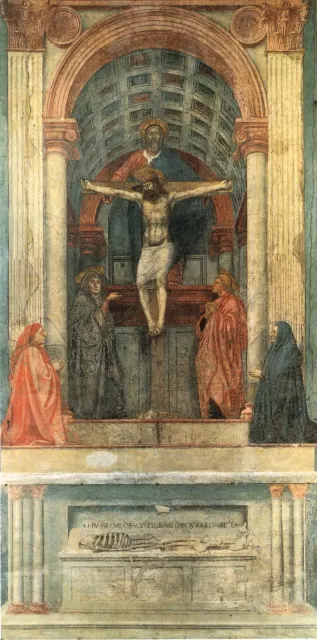
聖三位一体
聖三位一体The Holy Trinityマザッチョ・c. 1425–1427
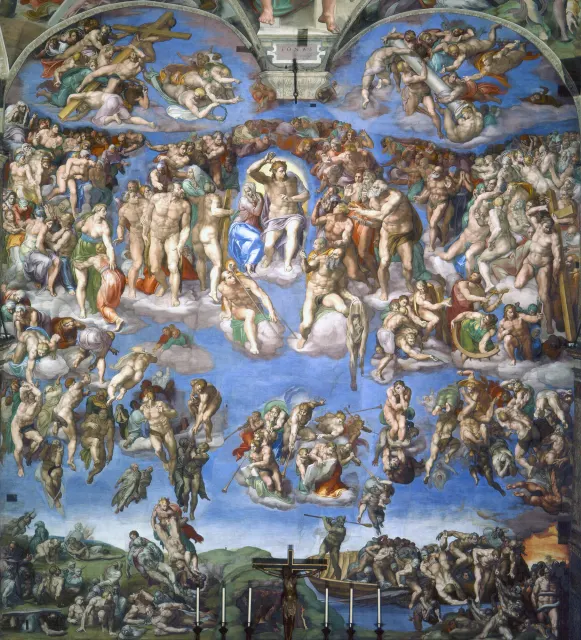
最後の審判
最後の審判The Last Judgmentミケランジェロ・ブオナローティ・1536–1541
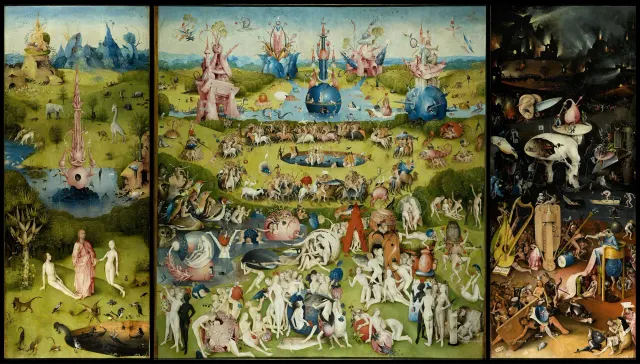
快楽の園
快楽の園The Garden of Earthly Delightsヒエロニムス・ボス・c. 1490–1500
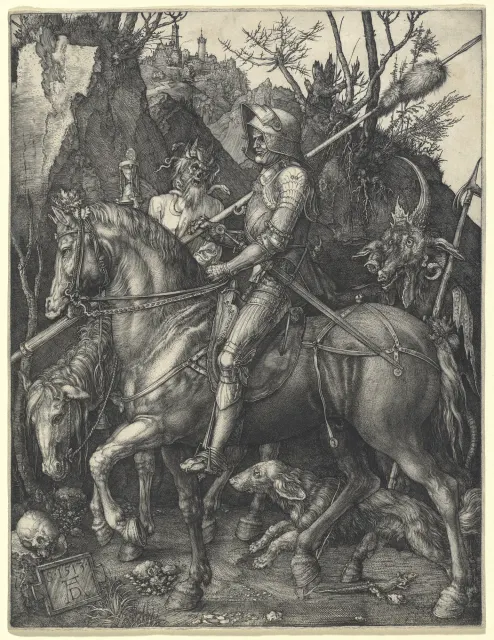
騎士と死と悪魔
騎士と死と悪魔Knight, Death and the Devilアルブレヒト・デューラー・1513
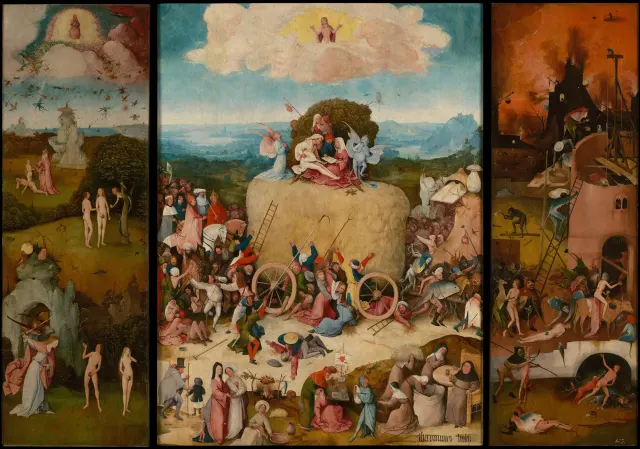
干し草車
干し草車The Haywain Triptychヒエロニムス・ボス・c. 1512–1515
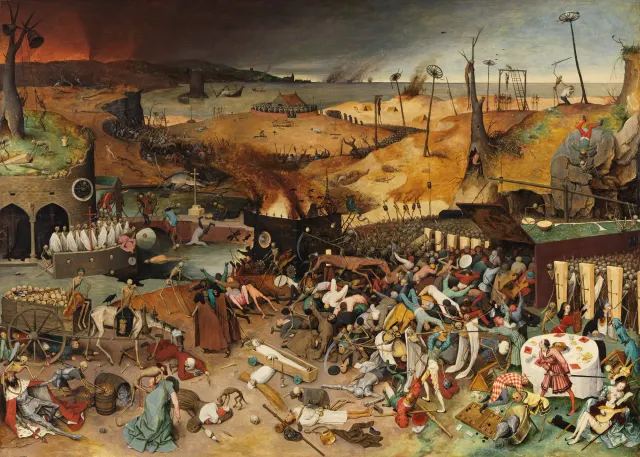
死の勝利
死の勝利The Triumph of Deathピーテル・ブリューゲル(父)・1562–1563
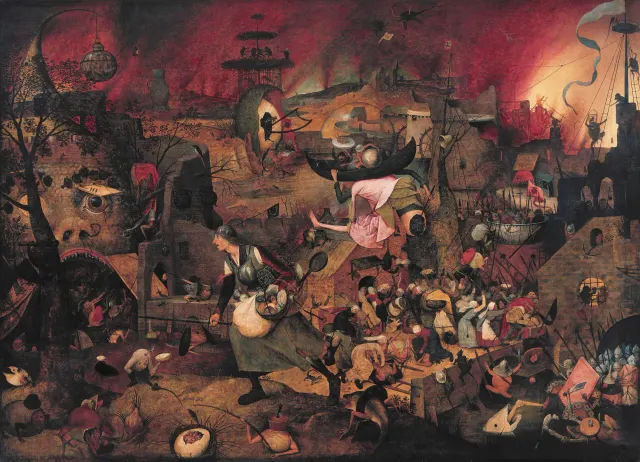
悪女フリート
悪女フリートDulle Grietピーテル・ブリューゲル(父)・1563
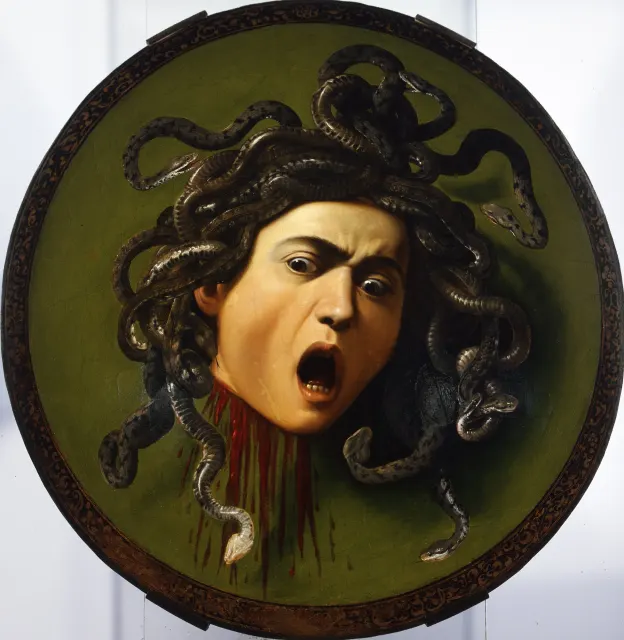
メドゥーサ
メドゥーサMedusaカラヴァッジョ・c. 1597–1598
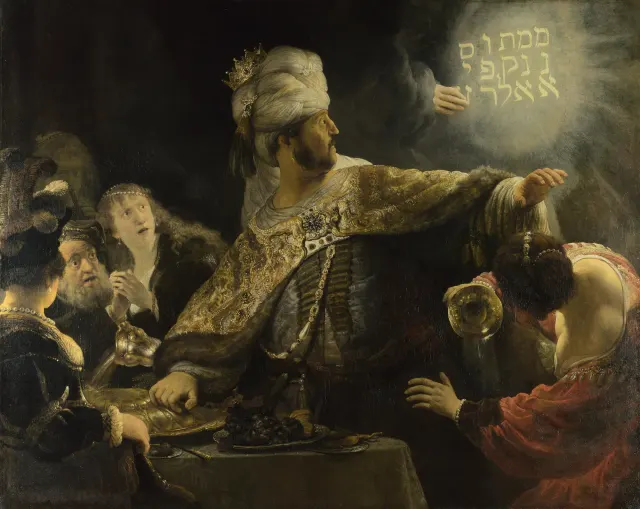
ベルシャザルの饗宴
ベルシャザルの饗宴Belshazzar's Feastレンブラント・ファン・レイン・c. 1636–1638
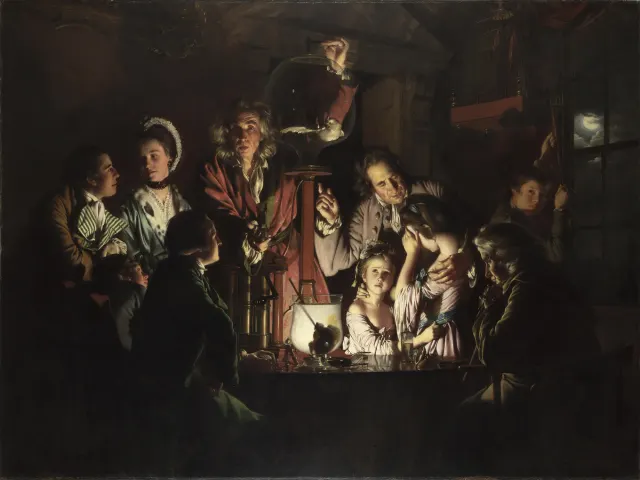
空気ポンプの実験
空気ポンプの実験An Experiment on a Bird in the Air Pumpジョゼフ・ライト・オブ・ダービー・1768
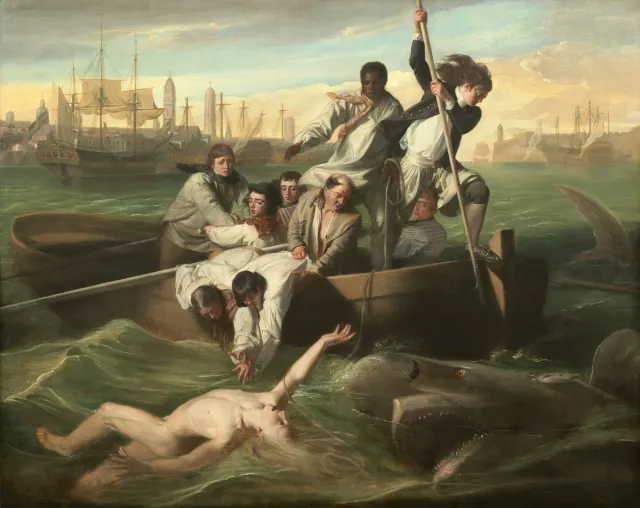
ワトソンと鮫
ワトソンと鮫Watson and the Sharkジョン・シングルトン・コプリー・1778
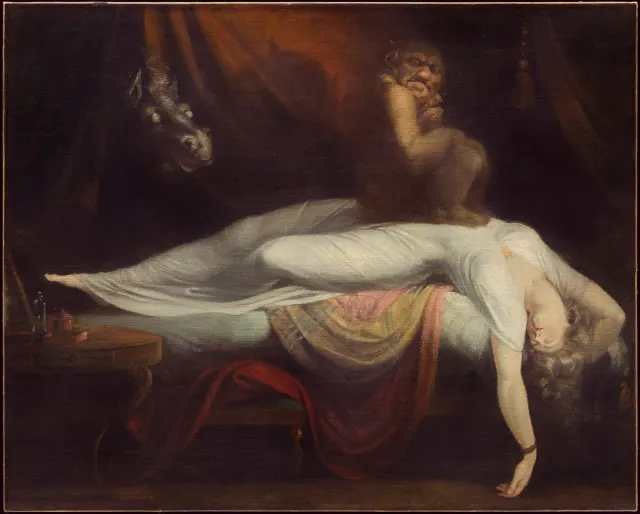
夢魔
夢魔The Nightmareヨハン・ハインリヒ・フュースリ(ヘンリー・フューズリ)・1781
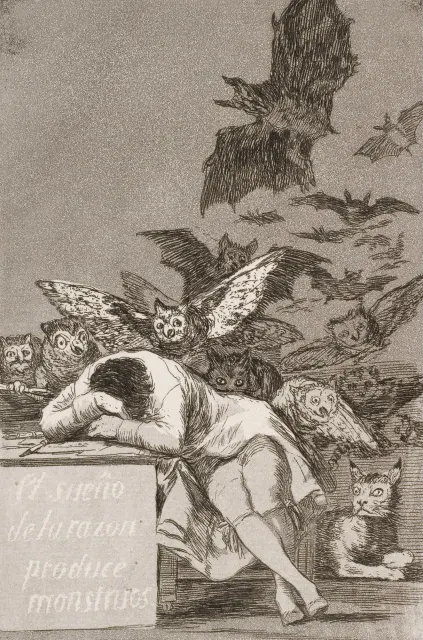
理性の眠りは怪物を生む
理性の眠りは怪物を生むThe Sleep of Reason Produces Monstersフランシスコ・デ・ゴヤ・1799
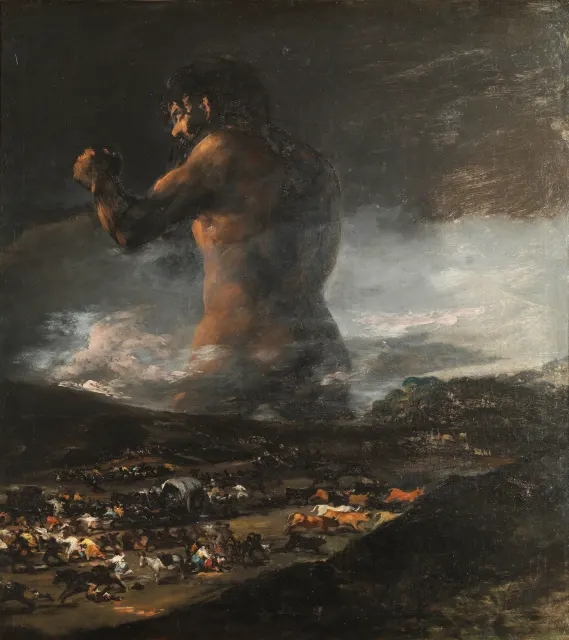
巨人
巨人The Colossusフランシスコ・デ・ゴヤ(とされる)・after 1808
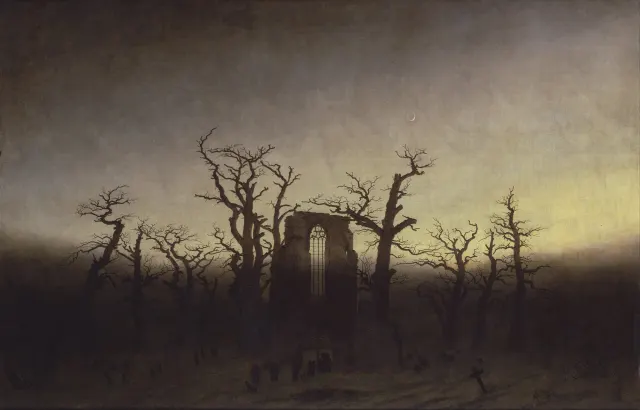
樫の森の中の修道院
樫の森の中の修道院The Abbey in the Oakwoodカスパー・ダーヴィト・フリードリヒ・1809–1810
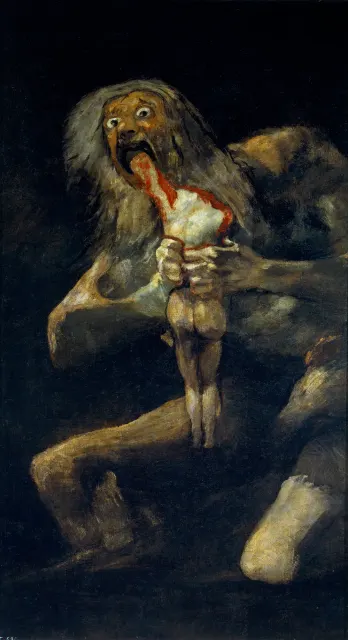
我が子を食らうサトゥルヌス
我が子を食らうサトゥルヌスSaturn Devouring His Sonフランシスコ・デ・ゴヤ・c. 1820–1823
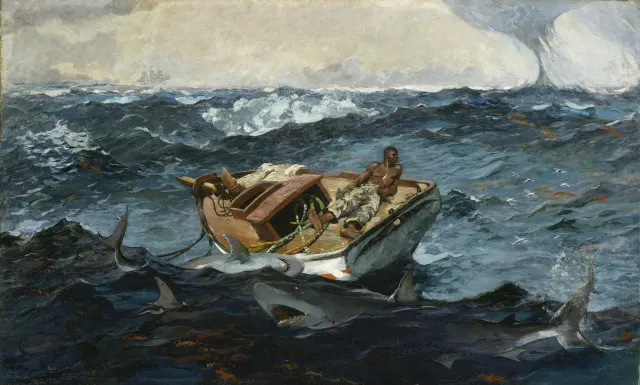
メキシコ湾流
メキシコ湾流The Gulf Streamウィンスロー・ホーマー・1899, reworked by 1906
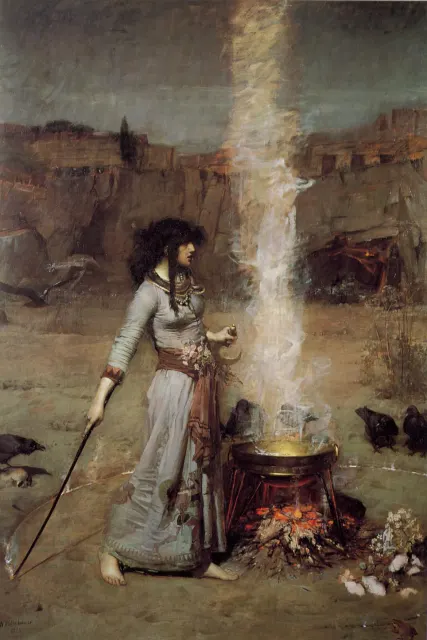
魔法の円
魔法の円The Magic Circleジョン・ウィリアム・ウォーターハウス・1886
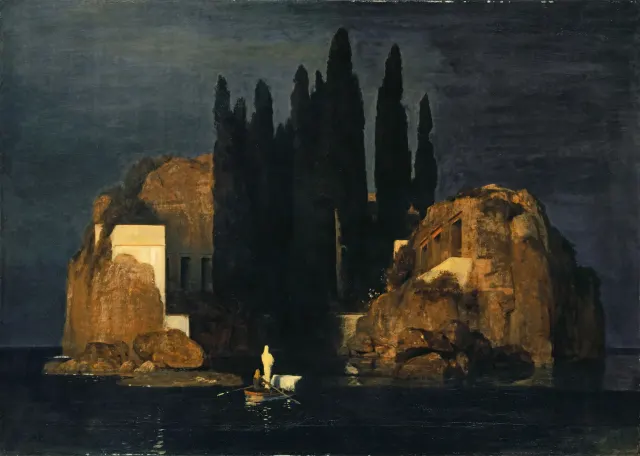
死の島
死の島Isle of the Deadアルノルト・ベックリン・1880
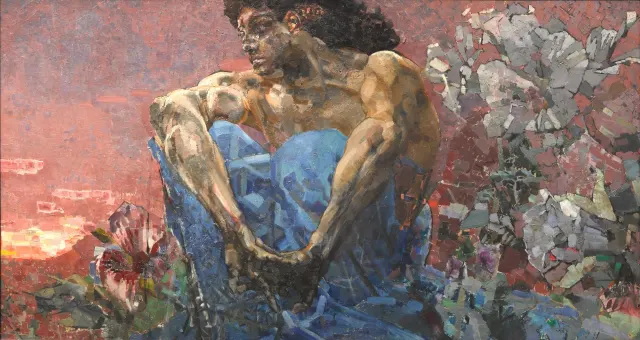
座せるデーモン
座せるデーモンThe Demon Seatedミハイル・ヴルーベリ・1890
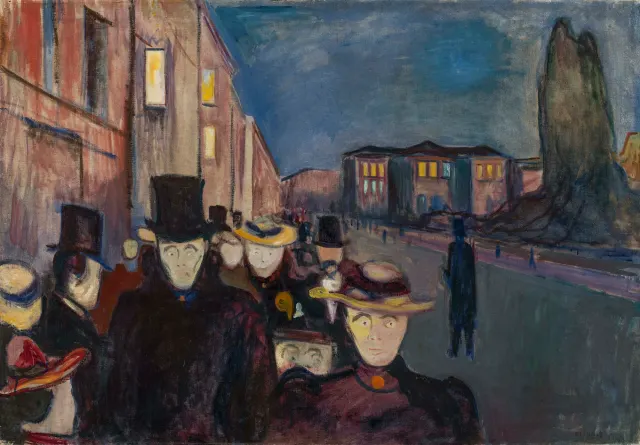
カール・ヨハン通りの夕べ
カール・ヨハン通りの夕べEvening on Karl Johanエドヴァルド・ムンク・1892
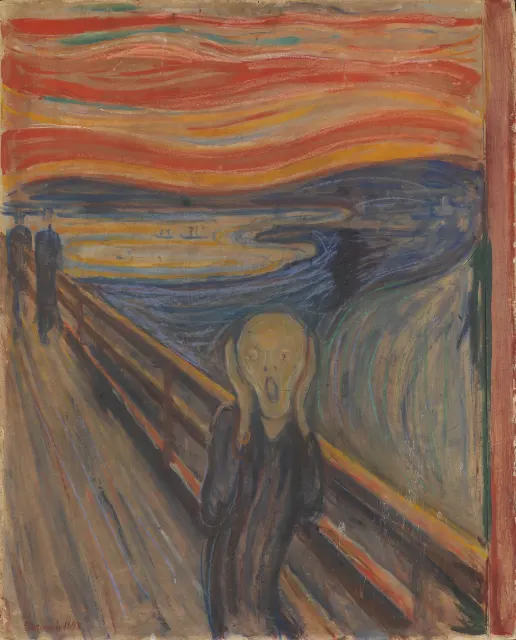
叫び
叫びThe Screamエドヴァルド・ムンク・1893
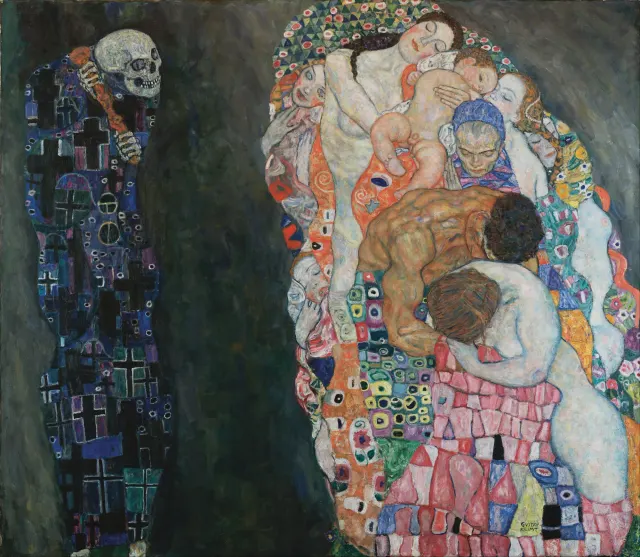
死と生
死と生Death and Lifeグスタフ・クリムト・1910/11, reworked 1912/13 and 1915/16
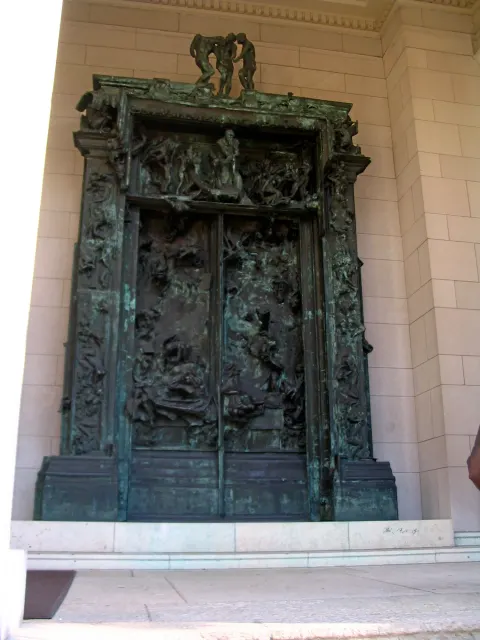
地獄の門
地獄の門The Gates of Hellオーギュスト・ロダン・modeled 1880–1917, cast 1926–28
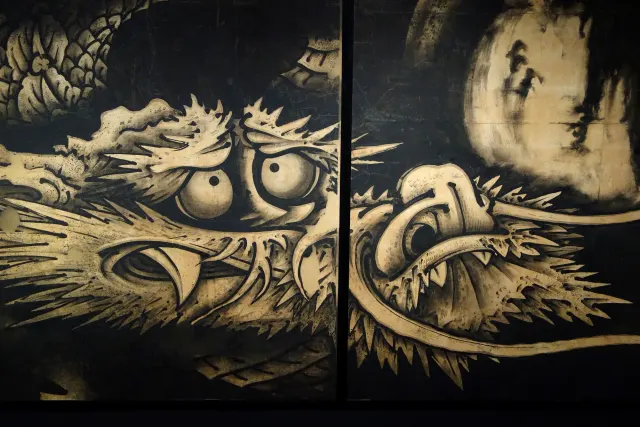
雲龍図
雲龍図Dragon and Clouds曾我蕭白・1763
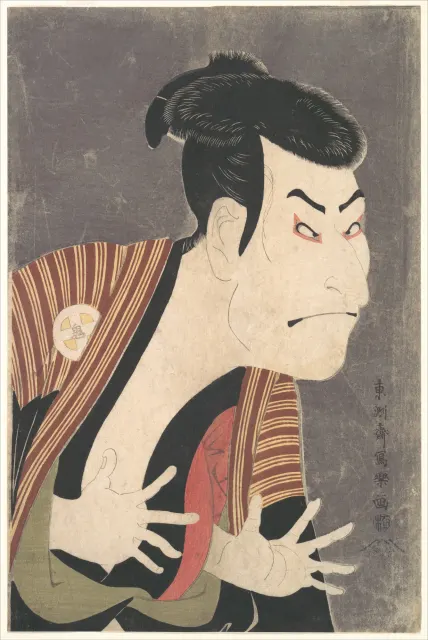
三代目大谷鬼次の江戸兵衛
三代目大谷鬼次の江戸兵衛Kabuki Actor Ōtani Oniji III as Yakko Edobei東洲斎写楽・1794
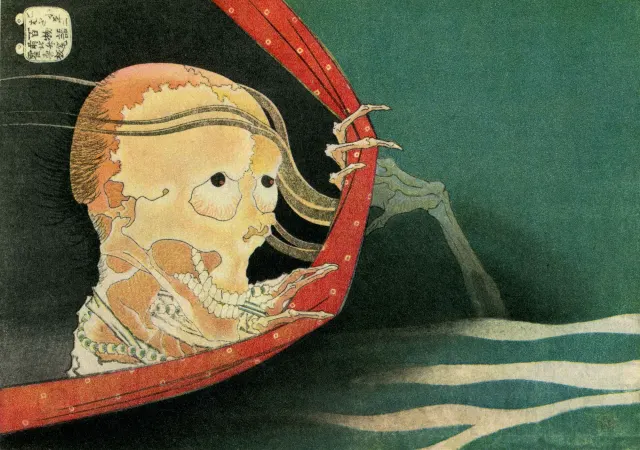
百物語 こはだ小平二
百物語 こはだ小平二The Ghost of Kohada Koheiji, from One Hundred Ghost Stories葛飾北斎・c. 1831–32
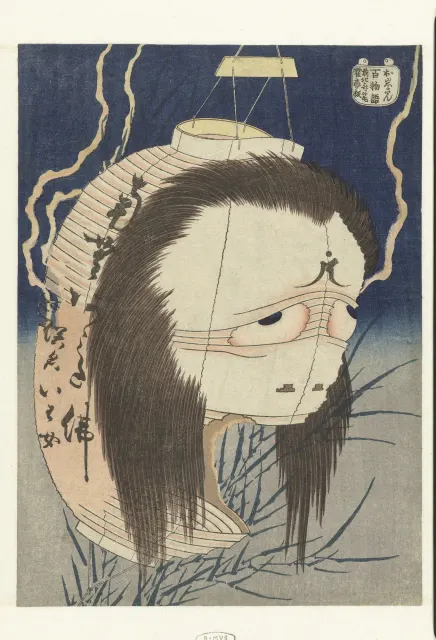
百物語 お岩さん
百物語 お岩さんThe Ghost of Oiwa, from One Hundred Ghost Stories葛飾北斎・c. 1830–32
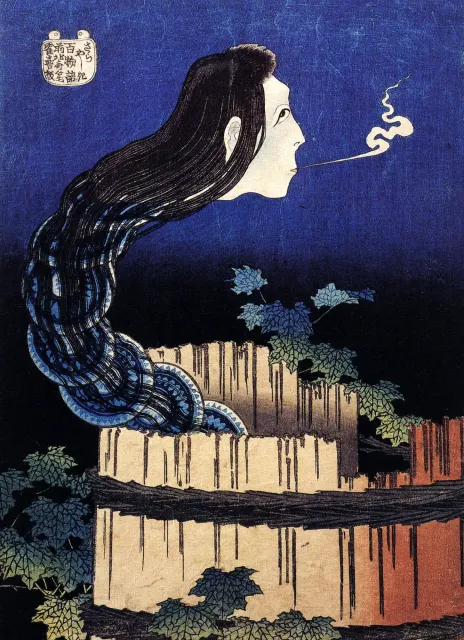
百物語 さらやしき
百物語 さらやしきThe Ghost of Okiku at Sarayashiki, from One Hundred Ghost Stories葛飾北斎・c. 1831–32
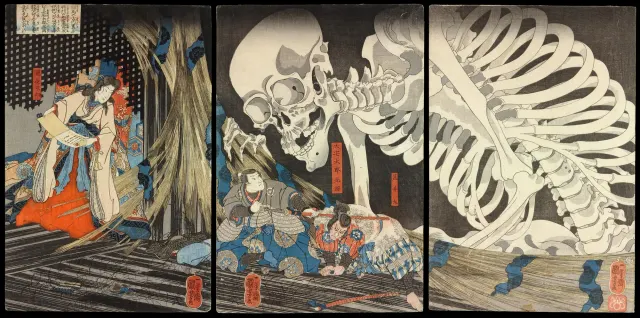
相馬の古内裏
相馬の古内裏The Old Palace at Sōma歌川国芳・c. 1844

ここが見どころ!

Highlights
1

叫んでいるのは、じつは…!?Who is really screaming!?

《叫び》の人物は、叫んでいるのではなく、自然をつらぬく「叫び」を聞いて耳をふさいでいる、とムンク自身が説明しています。夕焼けの空を見たときの不安な気持ちがもとになっています。

Munch explained that the figure in The Scream is not screaming. It is covering its ears against a scream passing through nature. The picture comes from the anxious feeling he had watching a red sunset.

2

見たら石になる!?メドゥーサの盾Look and turn to stone!? Medusa's shield

ギリシャ神話のメドゥーサは、見た人を石に変えてしまう怪物です。カラヴァッジョは、そのメドゥーサの顔を、本物の丸い盾の上に描きました。盾の丸みで、顔が飛び出して見えます。

In Greek myth, Medusa was a monster who turned anyone who looked at her into stone. Caravaggio painted her face on a real round shield. The curve of the shield makes her face seem to jump out.

3

《夢魔》は200年以上パロディにされたThe Nightmare: parodied for over 200 years

眠る女性の上に小鬼がすわり、カーテンから馬がのぞくフュースリの《夢魔》。発表されるとすぐに有名になり、風刺画などで数えきれないほどまねされました。今も映画などに影響を与えています。

In Fuseli's The Nightmare, a little demon sits on a sleeping woman while a horse peeks through the curtains. It became famous at once and was copied in countless cartoons and parodies. It still influences films today.

4

《死の島》は音楽にもなったIsle of the Dead became music

ベックリンの《死の島》は、白い人を乗せた小舟が、糸杉のしげる静かな島へ向かう絵です。人気が高く、画家は5つのバージョンを描きました。作曲家ラフマニノフは、この絵から同じ名の曲をつくりました。

Böcklin's Isle of the Dead shows a small boat carrying a white figure toward a silent island of cypress trees. It was so popular that he painted five versions. The composer Rachmaninoff wrote a piece of music with the same name.

5

日本のこわい絵は「物語」つきJapanese scary pictures tell stories

国芳の巨大骸骨は、妖術使いの滝夜叉姫がよび出した怪物という物語の場面です。日本のおばけの絵の多くは、むかし話や歌舞伎のお話と結びついていて、話を知るともっとゾクゾクします。

Kuniyoshi's giant skeleton is a monster called up by the sorceress Takiyasha in an old tale. Many Japanese ghost pictures are linked to legends or kabuki plays. Knowing the story makes them even spookier.

年表

Timeline
  1. 1500このころボスが《快楽の園》を描くAround this time, Bosch paints The Garden of Earthly Delights
  2. 1562このころブリューゲルが《死の勝利》を描くAround this time, Bruegel paints The Triumph of Death
  3. 1597このころカラヴァッジョが盾に《メドゥーサ》を描くAround this time, Caravaggio paints Medusa on a shield
  4. 1782フュースリが前の年に描いた《夢魔》をロイヤル・アカデミーの展覧会で発表し、大評判にFuseli shows his 1781 painting The Nightmare at the Royal Academy, causing a sensation
  5. 1819ゴヤが家の壁に「黒い絵」を描きはじめる(1823年ごろまで)Goya begins the Black Paintings on the walls of his house (until about 1823)
  6. 1844このころ国芳が巨大骸骨の3枚続を描くAround this time, Kuniyoshi makes his giant skeleton triptych
  7. 1880ベックリンが《死の島》の最初の1枚を描くBöcklin paints the first Isle of the Dead
  8. 1893ムンクが《叫び》を描くMunch paints The Scream
  9. 1909ラフマニノフが《死の島》をもとに同じ名の曲をつくるRachmaninoff writes a piece of music inspired by Isle of the Dead

この展覧会の英単語

Words
scream
叫び・叫ぶ

The figure hears a scream in nature.

その人物は自然の叫びを聞いている。

nightmare
悪夢

A little demon sits on the sleeping woman in The Nightmare.

《夢魔》では小鬼が眠る女性の上にすわっている。

monster
怪物

Medusa was a monster with snakes for hair.

メドゥーサは髪がヘビの怪物だった。

ghost
幽霊・おばけ

Many Japanese prints show ghosts.

多くの浮世絵におばけが描かれている。

afraid
こわがって

Don't be afraid. It's only a painting!

こわがらないで。ただの絵だよ!

展覧会クイズ

Quiz

Q1. ムンクによると、《叫び》の人物は何をしている?According to Munch, what is the figure in The Scream doing?

Q2. カラヴァッジョが《メドゥーサ》を描いたものは?What did Caravaggio paint his Medusa on?

Q3. ベックリンの《死の島》から曲をつくった作曲家は?Which composer wrote music inspired by Böcklin's Isle of the Dead?