弦楽セレナーデ ホ長調
Dvořák Serenade for Strings
ドヴォルザーク・1875
たった12日ほどで完成!弦楽器だけで歌う、幸せいっぱいのセレナーデ。
弦楽セレナーデ ホ長調のページへRomantic · 1841–1904
「チェコ国民楽派の巨匠」The great master of Czech music
 ネラホゼヴェス(チェコ)
 プラハ(チェコ)13 曲を収録
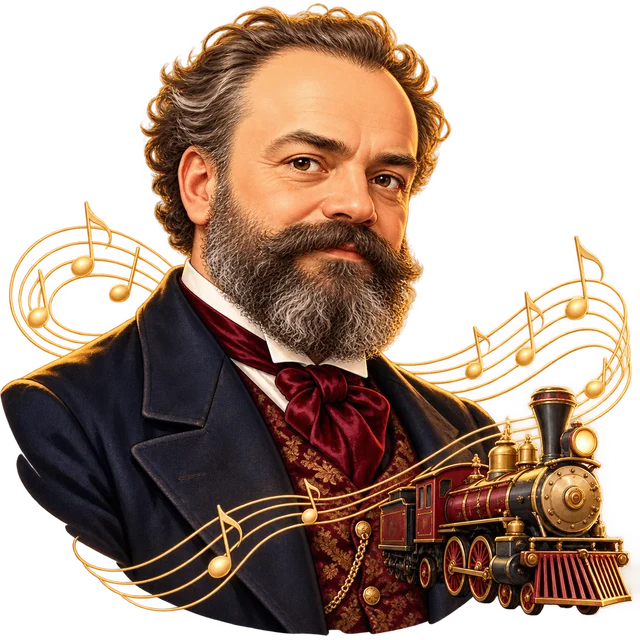
『新世界より』で下校の音楽『家路』を生んだ、鉄道大好き作曲家。The train-loving composer behind the New World Symphony.
 ドヴォルザークの名曲を聴く
ドヴォルザーク・1875
たった12日ほどで完成!弦楽器だけで歌う、幸せいっぱいのセレナーデ。
弦楽セレナーデ ホ長調のページへドヴォルザーク・1878 / 1886
ブラームスの後押しで大ヒット!ドヴォルザークを世界に広めた踊り。
スラヴ舞曲集のページへドヴォルザーク・1878–1879
「スラヴ風の曲を!」と頼まれて書いた、踊りと歌の四重奏曲。
弦楽四重奏曲第10番 変ホ長調のページへドヴォルザーク・1880
母から子へ、そしてまたその子へ。涙とともに受けつがれる歌。
母が教えてくれた歌(「ジプシーの歌」より)のページへドヴォルザーク・1884–1885
世界を揺り動かす作品を目指し、ロンドンのために書いた熱く重厚な交響曲。
交響曲第7番 ニ短調のページへドヴォルザーク・1887
ピアノと弦楽器4人の5人組!泣いて笑って踊る、室内楽の大名曲。
ピアノ五重奏曲第2番 イ長調のページへドヴォルザーク・1889
鳥が歌い、トランペットが踊りに誘う!ボヘミアの自然いっぱいの交響曲。
交響曲第8番 ト長調のページへドヴォルザーク・1891
タンブリンがシャンシャン!お祭り騒ぎが一気に始まる序曲。
序曲「謝肉祭」のページへドヴォルザーク・1893
下校の音楽「家路」はこの曲!アメリカで生まれた交響曲。
交響曲第9番 ホ短調「新世界より」のページへドヴォルザーク・1893
アメリカの小さな村で、あっという間に書かれた明るい四重奏曲。
弦楽四重奏曲第12番 ヘ長調「アメリカ」のページへドヴォルザーク・1894
スキップするような軽いリズム。世界中で愛される小さな名曲。
ユーモレスク 第7番 変ト長調のページへドヴォルザーク・1894–1895
チェロ協奏曲の王様。秘めた想いを歌い上げる名作。
チェロ協奏曲 ロ短調のページへドヴォルザーク・1900
水の精が月にささやく恋心。チェコ語で歌われる名アリア。
歌劇「ルサルカ」より 月に寄せる歌のページへ
ホー!ドヴォルザークは汽車が大好きで、駅に通って眺めていたと言われているよ。
 生涯 Life Story
ドヴォルザークは1841年、プラハの北にある村ネラホゼヴェスで、9人きょうだいの長男として生まれました。父は宿屋と肉屋を営み、ツィター(弦をはじく民族楽器)なども弾く音楽好きでした。村の先生にバイオリンを習い、12歳ごろからは別の町でドイツ語やオルガン、音楽の理論を学びます。子どものころ村に鉄道の駅ができたことが、一生続く鉄道好きのきっかけになったと言われています。Dvořák was born in 1841 in Nelahozeves, a village north of Prague, the eldest of nine children. His father ran an inn and a butcher's shop and was also a keen amateur musician who played the zither, a plucked folk instrument. Antonín learned the violin from the village teacher, and from about the age of twelve he studied German, organ and music theory in another town. A railway station was built in his village when he was a boy, and this is said to have sparked his lifelong love of trains.
プラハのオルガン学校を出たあと、1862年から仮劇場のオーケストラでヴィオラを弾き、スメタナの指揮でも演奏しました。暮らしは苦しかったものの、作曲で国の奨学金を何度も受け、審査員だったブラームスに認められます。ブラームスの紹介でドイツの出版社ジムロックから出した『スラヴ舞曲集』(1878)が大当たりし、一気にヨーロッパ中で有名になりました。After finishing organ school in Prague, he played viola from 1862 in the orchestra of the Provisional Theatre, sometimes under Smetana's baton. Money was tight, but he won an Austrian state grant for composers several times, and Brahms, who sat on the jury, noticed his talent. Brahms recommended him to the German publisher Simrock, and the Slavonic Dances (1878) became a huge hit that made him famous all over Europe.
1873年にアンナと結婚しましたが、じつははじめ姉のヨゼフィーナに恋をしていました。その後、幼い子どもたちを相次いで亡くす悲しみを経験し、その思いは宗教曲『スターバト・マーテル』に込められたと言われます。1892年にはアメリカに招かれ、ニューヨークのナショナル音楽院の院長に。そこで交響曲第9番『新世界より』や弦楽四重奏曲『アメリカ』を書きました。In 1873 he married Anna Čermáková, although at first he had been in love with her older sister, Josefína. Later the couple lost three young children within a short time, and his grief is said to have gone into his sacred work Stabat Mater. In 1892 he was invited to America to direct the National Conservatory of Music in New York. There he wrote his Ninth Symphony, From the New World, and the American String Quartet.
1895年に故郷へ戻り、チェロ協奏曲を仕上げ、オペラ『ルサルカ』(1901)を発表しました。プラハ音楽院の院長も務めています。1904年5月1日、病気のため62歳でプラハで亡くなり、ヴィシェフラド墓地に眠っています。『新世界より』第2楽章のメロディーは、日本では『家路』『遠き山に日は落ちて』として歌われ、夕方や下校の音楽としておなじみです。He returned home in 1895 and completed his Cello Concerto, and his opera Rusalka was first performed in 1901. He also served as director of the Prague Conservatory. He died of illness in Prague on 1 May 1904, aged 62, and is buried in Vyšehrad Cemetery. In Japan, the slow melody from the second movement of the New World Symphony is sung as Ieji (Going Home) and is a familiar sound in the evening and at the end of the school day.
Dvořák was born in a small village in 1841. Today the village is in the Czech Republic. He loved trains very much. He went to America and lived in New York. There, he wrote the New World Symphony. In Japan, its slow melody is often played after school.ドヴォルザークは1841年、小さな村で生まれました。その村はいまチェコにあります。彼は汽車が大好きでした。アメリカに渡り、ニューヨークに住みました。そこで交響曲『新世界より』を書きました。日本では、そのゆっくりしたメロディーが下校の時間によく流れます。
 これだけは!鉄板情報 Must-Know Facts
 あっと驚くネタ Surprising Stories
 タップすると答えが開きます
ドヴォルザークは一生、汽車が大好きでした。プラハでは駅に通って機関車を眺め、ニューヨークでも駅や港に出かけて汽車や船を見るのを楽しんだと伝えられています。弟子に機関車の番号を確かめに行かせたという話まで残っています。
Dvořák loved trains all his life. In Prague he often went to the station to watch the locomotives, and in New York he reportedly enjoyed visiting stations and the harbor to see trains and ships. There is even a story that he sent a student to check the number of a locomotive for him.
1969年、アポロ11号で人類初の月面着陸をなしとげたニール・アームストロング船長は、『新世界より』の録音を宇宙へ持っていったと伝えられています。「新世界」へ旅立つ宇宙飛行士にぴったりの音楽として選ばれたのかもしれません。
In 1969, Neil Armstrong, the Apollo 11 commander who became the first person to walk on the Moon, is said to have taken a recording of the New World Symphony with him. It was the perfect soundtrack for a journey to a truly new world.
『新世界より』第2楽章のメロディーには、もともと歌詞はありません。1922年、ドヴォルザークの弟子だったアメリカのウィリアム・アームズ・フィッシャーが英語の歌詞を付けて『ゴーイン・ホーム』という歌にしました。日本では堀内敬三らの訳詞で『家路』として親しまれています。
The melody from the second movement of the New World Symphony originally had no words. In 1922, William Arms Fisher, an American who had been Dvořák's student, added English lyrics and turned it into the song Goin' Home. In Japan it is loved as Ieji, with Japanese lyrics by Keizō Horiuchi and others.
1893年の夏、ドヴォルザーク一家はアメリカ・アイオワ州のスピルヴィルで過ごしました。チェコからの移民が多く住む村で、故郷の言葉が通じたのです。すっかりくつろいだ彼は、ここで弦楽四重奏曲『アメリカ』をわずか数週間で書き上げました。
In the summer of 1893, Dvořák and his family stayed in Spillville, Iowa, a village full of Czech immigrants where people spoke his own language. Feeling completely at home, he wrote his American String Quartet there in just a few weeks.
チェロ協奏曲の第2楽章には、ドヴォルザークの歌曲「ひとりにさせて」のメロディーが出てきます。これは初恋の人で、のちに妻の姉となったヨゼフィーナが好きだった歌でした。1895年に彼女が亡くなると、彼は協奏曲の終わりを書き直し、もう一度この歌を思い出させる部分を加えました。
The second movement of the Cello Concerto quotes Dvořák's song Leave Me Alone, a favorite of Josefína, his first love and later his sister-in-law. After she died in 1895, he rewrote the ending of the concerto to recall the song once more.
大編成の交響曲『新世界より』ですが、シンバルが鳴るのは第4楽章の1か所、それもたった1回だけです。そのため、この曲のシンバル奏者は「いちばん緊張する仕事」とよく言われます。演奏会では、ぜひその一瞬に耳をすませてみてください。
The New World Symphony uses a large orchestra, but the cymbal is struck only once, at a single moment in the fourth movement. That is why playing cymbals in this piece is often called one of the most nerve-racking jobs in the orchestra. Listen carefully for that one moment at a concert.
 肖像画・写真・自筆譜 Gallery (Public Domain)
Wikimedia Commons でパブリックドメイン(または CC0)と確認した画像です。クリックで拡大。
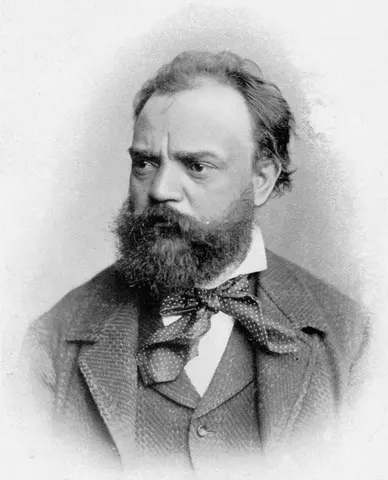
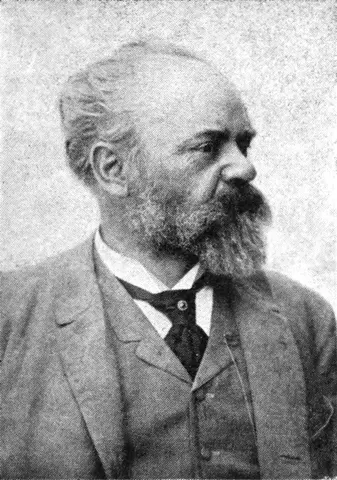
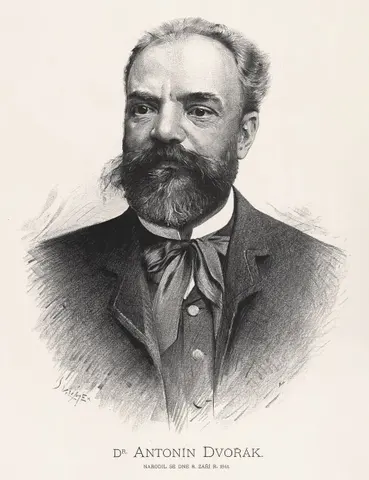
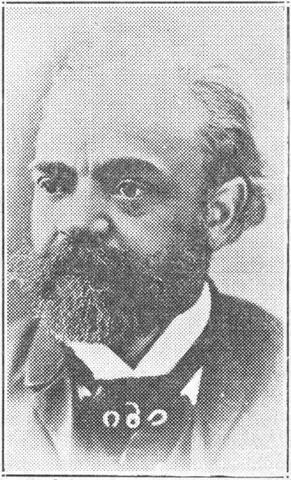
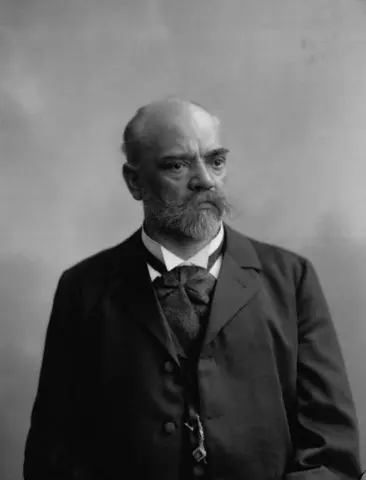
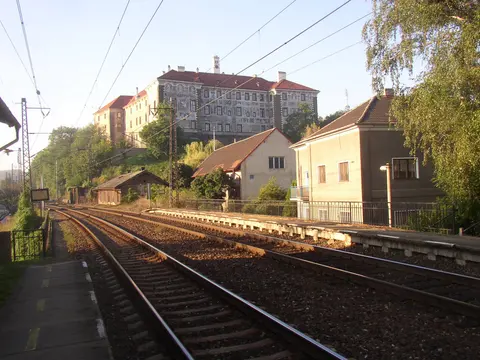
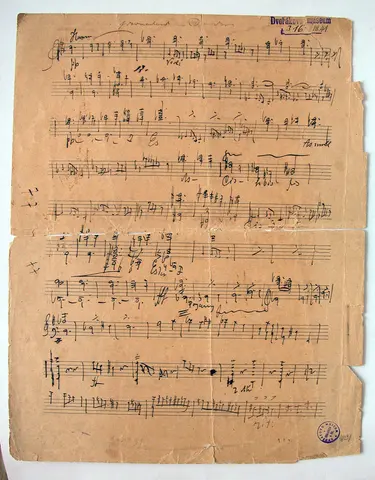
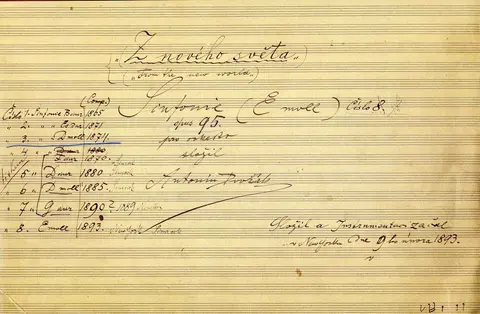
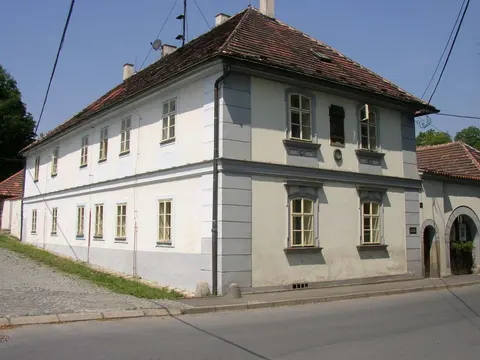
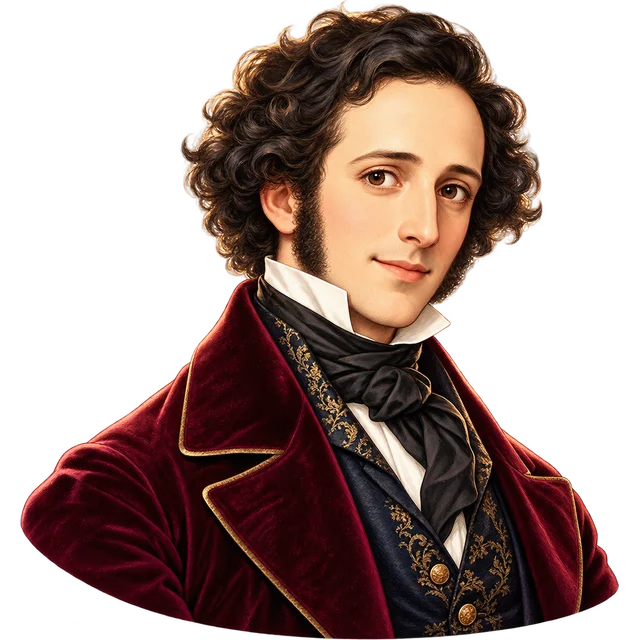
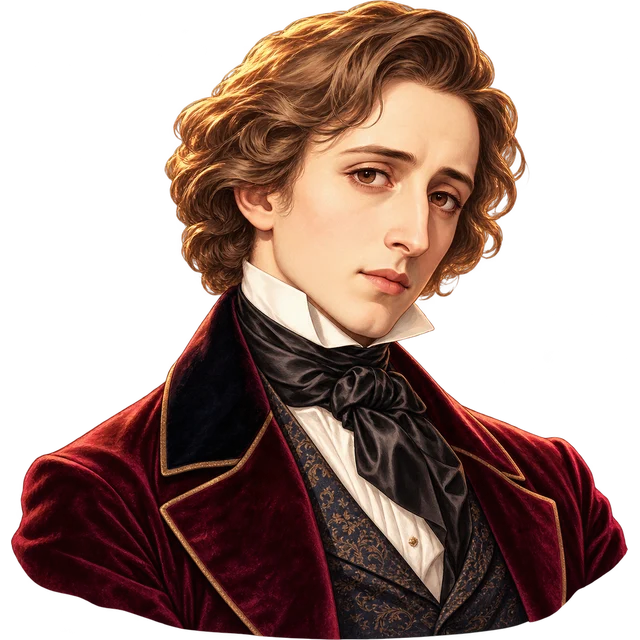
ページ上のイラストは、本物の肖像画をもとにこのサイトのために描いたものです。
 年表 Timeline
 ドヴォルザークで覚える英単語 Words
 クイズに挑戦 Quiz
MORE COMPOSERS


 MP3