
ダイドーの嘆き
Dido's Lament
パーセル・by 1689
「わたしを覚えていて」。くり返す低音にのせた、胸をうつ別れの歌。
歌劇「ダイドーとエネアス」より「ダイドーの嘆き」のページへ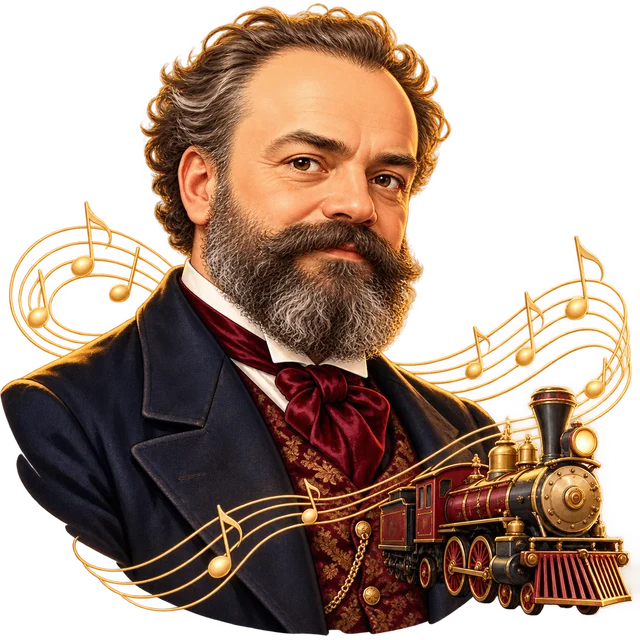
Song · Op. 55, No. 4 · 1880
アントニン・ドヴォルザーク(1841–1904)
母から子へ、そしてまたその子へ。涙とともに受けつがれる歌。From mother to child, and on to the next: a song passed down with tears.
WATCH ON YOUTUBE
この曲は、権利の切れた高音質の録音がまだ見つからないため、YouTube の公式チャンネルなどの名演でお楽しみください(ダウンロードはできません)。YouTube でほかの演奏もさがす ↗
 Augustin Hadelich – Dvořák: "Songs My Mother Taught Me" (with Charles Owen)
Warner Classics(YouTube) YouTube で開く ↗
Camille Thomas – Dvorák: Songs My Mother Taught Me (at Muséum National d'Histoire Naturelle)
Deutsche Grammophon - DG(YouTube) YouTube で開く ↗
Yo-Yo Ma, Kathryn Stott - Songs My Mother Taught Me (from "Gypsy Songs", Op. 55, No. 4) (Audio)
YoYoMaVEVO(YouTube) YouTube で開く ↗
Antonin Dvorak - Songs My Mother Taught Me
Classical Music Only(YouTube) YouTube で開く ↗
A. Dvořák: Songs My Mother Taught Me (Stunningly Beautiful)
zevnikov(YouTube) YouTube で開く ↗

ホー!この歌はヴァイオリンの小品としても、世界中で愛されているんだ。
 この曲のおはなし The Story
「母が教えてくれた歌」は、ドヴォルザークが1880年に書いた歌曲集「ジプシーの歌」(全7曲)の第4曲です。「年老いた母がわたしに歌を教えてくれたとき、その目にはなみだがうかんでいた。今、わたしが子どもたちに歌を教えると、わたしのほおにもなみだがつたう」という内容の、短くて心にしみる歌です。Songs My Mother Taught Me is the fourth song in Gypsy Songs, a set of seven songs that Dvořák wrote in 1880. The words say: when my old mother taught me songs, there were tears in her eyes; now, when I teach songs to my children, tears run down my cheeks. It is a short song that touches the heart.
詩を書いたのは、チェコの詩人アドルフ・ヘイドゥクです。ロマの人々の生活や心を、19世紀によく見られたロマンチックなイメージでうたった詩集から、ドヴォルザークは7つの詩を選びました。この歌曲集は、ウィーン宮廷歌劇場のテノール歌手グスタフ・ヴァルターのために書かれ、ヘイドゥク自身が訳したドイツ語でも歌えるように作られました。The words were written by the Czech poet Adolf Heyduk. Dvořák chose seven poems from his collection about the life and feelings of the Romani people, seen through the romantic images common in the 19th century. The songs were written for Gustav Walter, a tenor at the Vienna Court Opera, and they could also be sung in German, in a translation by Heyduk himself.
歌曲集は1880年に出版され、とくにこの第4曲は、たちまち人気になりました。のちに名ヴァイオリニストのクライスラーがヴァイオリンとピアノ用に編曲し、歌のない器楽曲としても世界中で演奏されるようになりました。今ではチェロやピアノなど、さまざまな楽器の編曲でも親しまれています。The set was published in 1880, and this fourth song quickly became popular. Later, the great violinist Fritz Kreisler arranged it for violin and piano, and it began to be played around the world as an instrumental piece, too. Today it is also loved in arrangements for cello, piano and many other instruments.
This is a short and sad song. A mother taught songs to her child. She had tears in her eyes. Now the child is a parent and teaches the same songs. And now the parent has tears, too.これは短くて、さびしい歌です。お母さんが子どもに歌を教えました。お母さんの目にはなみだがありました。今はその子が親になって、同じ歌を教えます。そして今、その親にもなみだがうかぶのです。
 聴きどころ Listening Guide
 えっ!?ネタ Surprising Facts
 タップすると答えが開きます
題名から、亡くなった母を思って書いた歌と思われがちですが、ドヴォルザークがこの曲を書いた1880年、彼の母アンナはまだ生きていました(亡くなったのは1882年)。この歌は、自分の体験ではなく、ヘイドゥクの詩に描かれた世界を音楽にしたものです。
Because of the title, people often think Dvořák wrote it in memory of his late mother. But in 1880, when he wrote it, his mother Anna was still alive; she died in 1882. The song sets the world of Heyduk's poem, not Dvořák's own story.
20世紀前半を代表するヴァイオリニスト、フリッツ・クライスラーが、この歌をヴァイオリンとピアノ用に編曲しました。歌詞がなくても伝わる切ないメロディーは、ヴァイオリンの名曲として演奏会のアンコールなどでよく弾かれるようになり、歌を知らない人にも広まりました。
Fritz Kreisler, one of the great violinists of the early 20th century, arranged this song for violin and piano. Its touching melody needs no words, so it became a popular violin piece, often played as a concert encore, and spread even to people who had never heard the song.
この歌曲集は、ウィーン宮廷歌劇場の人気テノール、グスタフ・ヴァルターのために書かれました。そのためチェコ語だけでなく、ドイツ語でも歌えるように作られています。当時ウィーンで成功するには、ドイツ語で歌える作品が大切だったのです。
This song set was written for Gustav Walter, a popular tenor at the Vienna Court Opera. So it was made to be sung in German as well as Czech. In those days, songs that could be sung in German were important for success in Vienna.
歌曲集の題名「ジプシーの歌」は19世紀につけられたものです。今では「ジプシー」という言葉を差別的だと感じる人が多く、人々を指すときは「ロマ」などの呼び方が使われます。そのため、曲名を「ロマの歌」などと紹介する演奏会もあります。
The title 'Gypsy Songs' was given in the 1800s. Today, many people find the word 'Gypsy' offensive, and terms such as 'Roma' or 'Romani' are used for the people. So some concerts now introduce the set with titles like 'Romani Songs'.
ENGLISH × MASTERPIECE
 才能や性格などが「家系に流れている」こと。音楽好きの家族にもぴったりの表現です。
 この曲で覚える英単語 Words
 クイズに挑戦 Quiz
 著作権について Credits
MORE MASTERPIECES
パーセル・by 1689
「わたしを覚えていて」。くり返す低音にのせた、胸をうつ別れの歌。
歌劇「ダイドーとエネアス」より「ダイドーの嘆き」のページへ
パッヘルベル・c. 1680–1706
同じ8つの音が28回!なのに聴くたび胸がいっぱいになる曲。
カノンとジーグ ニ長調 より「カノン」のページへ
バッハ・c. 1706–1713
足が弾く低いテーマが21回!重くて壮大な、オルガンの大建築。
パッサカリアとフーガ ハ短調のページへ
ヘンデル・1711
「泣かせてください」と歌う、深い悲しみに満ちた名アリア。
私を泣かせてください(歌劇『リナルド』より)のページへバッハ・1713
2本のリコーダーがやさしく鳴る、のどかな牧場の歌。
カンタータ第208番より「羊は安らかに草を食み」のページへ
コレッリ・published 1714
聖なる夜のために。最後に羊飼いの笛のようなパストラーレが流れます。
合奏協奏曲 ト短調「クリスマス協奏曲」のページへ
マルチェッロ・published c. 1717
胸にしみるアダージョ!バッハも編曲したオーボエの名曲。
オーボエ協奏曲 ニ短調のページへバッハ・c. 1720
ヴァイオリン1本で、宇宙のように大きな世界を描く傑作。
無伴奏ヴァイオリン・パルティータ第2番 ニ短調より「シャコンヌ」のページへ
 MP3