
ダイドーの嘆き
Dido's Lament
パーセル・by 1689
「わたしを覚えていて」。くり返す低音にのせた、胸をうつ別れの歌。
歌劇「ダイドーとエネアス」より「ダイドーの嘆き」のページへ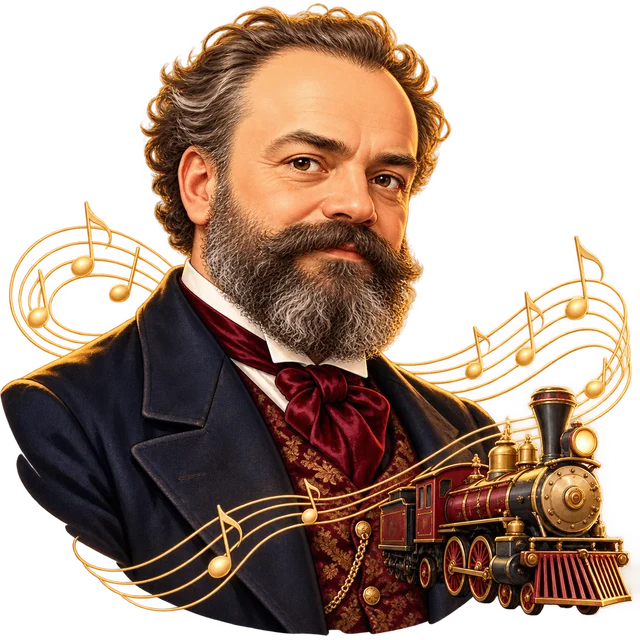
Concerto · Op. 104 · 1894–1895
アントニン・ドヴォルザーク(1841–1904)
チェロ協奏曲の王様。秘めた想いを歌い上げる名作。The king of cello concertos, full of hidden love.
PUBLIC DOMAIN RECORDING
CC BY-SA 2.0 無料でダウンロードOK
 別の演奏で聴く 1:Antonín Dvořák
ANOTHER RECORDING 1
CC BY-SA 3.0WATCH ON YOUTUBE
 Dvořák Cello Concerto n. 2 in B minor op. 104 | Bruno Philippe - Queen Elisabeth Competition 2017
Queen Elisabeth Competition(YouTube) YouTube で開く ↗
ドヴォルザーク/チェロ協奏曲 ロ短調 作品104|鳥羽咲音 - 大友直人 - NHK交響楽団
NHK Symphony Orchestra, Tokyo - NHK交響楽団(YouTube) YouTube で開く ↗
左の音源は権利が切れた録音なのでダウンロードできます。右の動画は YouTube の公式の埋め込みで見るもので、ダウンロードはできません(動画の権利は各チャンネルにあります)。
 もっと名演を観る YouTube で何百万回も再生された人気の演奏
Cello Concerto Opus 104 - Dvorak // Danish National Symphony Orchestra w Daniel Müller-Schott (live)
DR Koncerthuset(YouTube) YouTube で開く ↗
Dvorak – Cello Concerto in B minor. Mischa Maisky & Jacek Kaspszyk, Warsaw Philharmonic
Filharmonia Narodowa(YouTube) YouTube で開く ↗
Dvořák: Cello Concerto in B minor, Op. 104 | Tonhalle-Orchester Zürich & Anastasia Kobekina
DW Classical Music(YouTube) YouTube で開く ↗
Jacqueline du Pré - Dvořák Cello Concerto – London Symphony Orchestra cond. Daniel Barenboim
blue8348(YouTube) YouTube で開く ↗

ホー!ブラームスが「こんな曲が書けると知っていたら…」とくやしがったと言われるよ。
 この曲のおはなし The Story
チェロ協奏曲 ロ短調は、ドヴォルザークがニューヨーク滞在の終わりごろ、1894年から1895年にかけて作曲した、チェロとオーケストラのための曲です。チェロの深く温かい音色を生かした雄大で情熱的な作品で、「チェロ協奏曲の王様」とも呼ばれ、チェリストにとってもっとも大切なレパートリーのひとつです。Dvořák wrote his Cello Concerto in B minor in 1894 and 1895, near the end of his time in New York. Making the most of the cello's deep, warm voice, it is grand and passionate. Often called 'the king of cello concertos', it is one of the most important works for any cellist.
ドヴォルザークは、ニューヨークで作曲家ヴィクター・ハーバートのチェロ協奏曲を聴いて刺激を受けたと言われます。作曲中、若いころ想いを寄せた義理の姉ヨゼフィーナが重い病気だと知り、彼女が好きだった自作の歌「ひとりにして」のメロディを第2楽章に取り入れました。Dvořák is said to have been inspired after hearing a cello concerto by Victor Herbert in New York. While he was writing, he learned that Josefina, his sister-in-law and the woman he had loved when young, was seriously ill. He wove the melody of his song 'Leave Me Alone', a favorite of hers, into the second movement.
1895年5月、ヨゼフィーナは亡くなります。帰国したドヴォルザークは曲の最後を書き直し、歌のメロディを静かに回想させてから終わるようにしました。初演は1896年3月、ロンドンで、ドヴォルザーク自身の指揮によって行われました。今では世界中のチェリストが、この協奏曲で腕と心を競い合っています。Josefina died in May 1895. Back home, Dvořák rewrote the ending so that the song's melody returns quietly, like a memory, before the close. The premiere took place in London in March 1896, with Dvořák conducting. Today, cellists around the world bring both skill and deep feeling to this concerto.
This music is for cello and orchestra. The cello has a deep, warm voice. The composer put in one of his own songs, a favorite of a woman he once loved. When she died, he changed the ending. It is one of the most loved cello concertos.これはチェロとオーケストラのための曲です。チェロは深くて温かい声をもっています。作曲家は、若いころに恋をした女性が好きだった自作の歌を、曲の中に入れました。彼女が亡くなったとき、彼は曲の終わりを書きかえました。もっとも愛されているチェロ協奏曲のひとつです。
 聴きどころ Listening Guide
 えっ!?ネタ Surprising Facts
 タップすると答えが開きます
この曲の楽譜を見たブラームスは「チェロでこんな協奏曲が書けると知っていたら、とっくに自分で書いていたのに!」と言ったと伝えられています。ブラームスはドヴォルザークの恩人。その恩人をうならせるほどの出来ばえだったのです。
After seeing the score, Brahms is reported to have said, 'Why didn't I know one could write a cello concerto like this? If I had, I would have written one long ago!' Brahms had helped Dvořák start his career, and now Dvořák had amazed him.
曲は友人のチェリスト、ハヌシュ・ヴィハーンのために書かれました。ところがヴィハーンが最後の楽章に自分の見せ場(カデンツァ)を加えようとすると、ドヴォルザークは強く反対し、楽譜を勝手に変えないよう出版社に念を押しました。
The concerto was written for Dvořák's friend, the cellist Hanuš Wihan. But when Wihan wanted to add his own showpiece passage, a cadenza, to the last movement, Dvořák firmly refused and told his publisher that no one should change the score.
ドヴォルザークは20代前半のころにもチェロ協奏曲を書いていましたが、オーケストラ用に仕上げられず、ピアノ伴奏の形で残されました。約30年後に書いたこのロ短調の協奏曲で、ついに「チェロ協奏曲の王様」を生み出したのです。
In his early twenties, Dvořák had written another cello concerto, but he never finished the orchestra part, and it survived with piano accompaniment. About thirty years later, with this B minor concerto, he finally created 'the king of cello concertos'.
初演は、ヴィハーンではなくイギリスのチェリスト、レオ・スターンの独奏で行われました。ドヴォルザークはイギリスで早くから人気が高く、生涯に9回もイギリスを訪れています。ロンドンは、彼にとって第二のホームグラウンドのような場所だったのです。
At the premiere, the soloist was not Wihan but the English cellist Leo Stern. Dvořák was popular in England from early on and visited the country nine times. London was like a second home for him.
ENGLISH × MASTERPIECE
 home is where the heart is で「大切な人や思い出がある所こそが家」。
 この曲で覚える英単語 Words
 クイズに挑戦 Quiz
 この録音について(著作権・出典) Credits
MORE MASTERPIECES
パーセル・by 1689
「わたしを覚えていて」。くり返す低音にのせた、胸をうつ別れの歌。
歌劇「ダイドーとエネアス」より「ダイドーの嘆き」のページへパーセル・1695
ブリテンが「オーケストラ入門」のテーマに選んだ、かっこいいメロディー。
劇音楽「アブデラザール」より ロンドのページへ
バッハ・c. 1704 (?)
タラリ〜!一度聴いたら忘れない、オルガンの大迫力の幕開け。
トッカータとフーガ ニ短調のページへバッハ・c. 1706–1713
足が弾く低いテーマが21回!重くて壮大な、オルガンの大建築。
パッサカリアとフーガ ハ短調のページへ
ヘンデル・1711
「泣かせてください」と歌う、深い悲しみに満ちた名アリア。
私を泣かせてください(歌劇『リナルド』より)のページへ
マルチェッロ・published c. 1717
胸にしみるアダージョ!バッハも編曲したオーボエの名曲。
オーボエ協奏曲 ニ短調のページへバッハ・c. 1720
ヴァイオリン1本で、宇宙のように大きな世界を描く傑作。
無伴奏ヴァイオリン・パルティータ第2番 ニ短調より「シャコンヌ」のページへ
テレマン・c. 1716–1721
いつもは脇役のヴィオラが主役に!知られている中で最古のヴィオラ協奏曲。
ヴィオラ協奏曲 ト長調のページへ MP3