
ダイドーの嘆き
Dido's Lament
パーセル・by 1689
「わたしを覚えていて」。くり返す低音にのせた、胸をうつ別れの歌。
歌劇「ダイドーとエネアス」より「ダイドーの嘆き」のページへ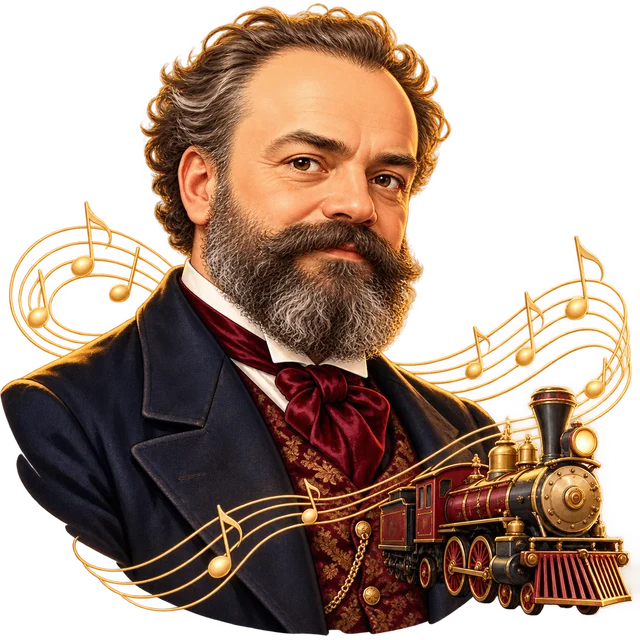
Opera · Op. 114 · 1900
アントニン・ドヴォルザーク(1841–1904)
水の精が月にささやく恋心。チェコ語で歌われる名アリア。A water spirit shares her secret love with the Moon in a famous Czech aria.
PUBLIC DOMAIN RECORDING
CC BY-SA 4.0 無料でダウンロードOKWATCH ON YOUTUBE
 Rusalka - 'Song to the Moon' (Dvořák; Kristine Opolais, The Royal Opera)
Royal Ballet and Opera(YouTube) YouTube で開く ↗
HAUSER - Song to the Moon (Rusalka)
HAUSER(YouTube) YouTube で開く ↗
左の音源は権利が切れた録音なのでダウンロードできます。右の動画は YouTube の公式の埋め込みで見るもので、ダウンロードはできません(動画の権利は各チャンネルにあります)。
 もっと名演を観る YouTube で何百万回も再生された人気の演奏
Song to the moon / Dvorak "Rusalka" by Gautier Capuçon / Concert de Paris Tour Eiffel 14th July 2019
Gautier Capucon(YouTube) YouTube で開く ↗
Dvorak: Rusalka - Moon Song - Asmik Grigorian
Eben Cook(YouTube) YouTube で開く ↗
Aida Garifullina - Dvorák - Rusalka “Song To The Moon” (Mesicku na nebi hlubokem”)
Aida Garifullina(YouTube) YouTube で開く ↗
FREDERICA VON STADE - RUSALKA (MOON SONG)
MIGHTYJLY(YouTube) YouTube で開く ↗

ホー!主人公ルサルカは、人間になると声を失ってしまうんだ。歌えるうちの大切な歌だよ。
 この曲のおはなし The Story
「月に寄せる歌」は、ドヴォルザークのオペラ「ルサルカ」第1幕で歌われるアリア(独唱の歌)です。水の精ルサルカは、湖に泳ぎに来た人間の王子に恋をします。そして月に向かって「空高くかかるお月さま、私の思いを王子に伝えて」と歌うのです。ハープの響きにのった、夢のように美しい歌です。The Song to the Moon is an aria, a solo song, from Act 1 of Dvořák's opera Rusalka. Rusalka, a water spirit, has fallen in love with a human prince who comes to swim in her lake. She sings to the Moon, asking it to tell the prince of her love. With the harp accompanying her, the aria sounds dreamlike and beautiful.
物語は、フケーの「ウンディーネ」やアンデルセンの「人魚姫」などの水の精の物語をもとに、詩人クヴァピルが台本を書きました。ルサルカは魔女に頼んで人間の姿になりますが、その代わりに声を失ってしまいます。言葉で思いを伝えられない悲しみが、物語の大きなテーマです。The poet Jaroslav Kvapil wrote the libretto, drawing on water-spirit stories such as Fouqué's Undine and Andersen's The Little Mermaid. Rusalka asks a witch to make her human, but the price is her voice. The sadness of being unable to speak her love is at the heart of the story.
1901年3月、プラハの国民劇場で初演され、大成功をおさめました。ドヴォルザークのオペラの中でもっとも人気のある作品で、チェコ語のオペラとして世界中で上演されています。「月に寄せる歌」は、ソプラノ歌手が単独で歌うことも多い、オペラ史に残る名アリアです。Rusalka was premiered at the National Theatre in Prague in March 1901 and was a great success. It is the most popular of Dvořák's operas and is performed in Czech around the world. The Song to the Moon is often sung on its own by sopranos and is one of the great arias in opera.
This song is from an opera. Rusalka is a water spirit. She loves a human prince. One night, she sings to the moon. She asks the moon to tell him about her love.この歌はオペラの中の歌です。ルサルカは水の精です。彼女は人間の王子に恋をしています。ある夜、彼女は月に向かって歌います。自分の恋を王子に伝えてほしいと、月にお願いするのです。
 聴きどころ Listening Guide
 えっ!?ネタ Surprising Facts
 タップすると答えが開きます
ルサルカは人間になる代わりに声を失うため、第2幕ではほとんど歌いません。オペラの主役なのに、舞台の上で長い時間だまっているという、とても珍しい役です。だからこそ第1幕の「月に寄せる歌」が、いっそう心にしみます。
Because Rusalka gives up her voice to become human, she hardly sings in Act 2. She is the star of the opera, yet she stays silent on stage for a long time, which is very unusual. That makes the Song to the Moon in Act 1 even more moving.
「ルサルカ」を書いたとき、ドヴォルザークは60歳目前でした。アメリカから帰国したあとの晩年、彼は交響曲よりも、オペラや、チェコの民話をもとにした交響詩に力を注ぎました。ルサルカは、そんな晩年の情熱が実を結んだ作品です。
Dvořák was nearly sixty when he wrote Rusalka. In his last years, after returning from America, he focused on operas and on symphonic poems based on Czech folk tales rather than symphonies. Rusalka grew out of that late passion.
歌の最初の言葉「Měsíčku」は、チェコ語で月に親しみをこめて「お月さま」と呼びかける言い方です。チェコ語のオペラは世界では珍しかったため、昔はほかの言語に訳して上演されることもありましたが、今は原語のチェコ語で歌うのがふつうです。
The first word of the song, 'Měsíčku', is a fond Czech way of calling to the moon, like 'dear little moon'. Czech operas were rare abroad, so in the past Rusalka was sometimes sung in translation, but today it is usually sung in the original Czech.
アメリカのソプラノ歌手ルネ・フレミングはこの歌を代表的なレパートリーとし、世界中のコンサートで歌ってきました。この歌がオペラファン以外にも広く知られるようになったのは、こうした名歌手たちの活躍のおかげでもあります。
The American soprano Renée Fleming made this song one of her signature pieces and has sung it in concerts around the world. Thanks to singers like her, the song is now known far beyond opera fans.
ENGLISH × MASTERPIECE
 reach for the moon で「大きな望みをいだく」。reach for the stars とも言います。
 この曲で覚える英単語 Words
 クイズに挑戦 Quiz
 この録音について(著作権・出典) Credits
MORE MASTERPIECES
パーセル・by 1689
「わたしを覚えていて」。くり返す低音にのせた、胸をうつ別れの歌。
歌劇「ダイドーとエネアス」より「ダイドーの嘆き」のページへ
パッヘルベル・c. 1680–1706
同じ8つの音が28回!なのに聴くたび胸がいっぱいになる曲。
カノンとジーグ ニ長調 より「カノン」のページへ
ヘンデル・1711
「泣かせてください」と歌う、深い悲しみに満ちた名アリア。
私を泣かせてください(歌劇『リナルド』より)のページへ
バッハ・1713
2本のリコーダーがやさしく鳴る、のどかな牧場の歌。
カンタータ第208番より「羊は安らかに草を食み」のページへ
コレッリ・published 1714
聖なる夜のために。最後に羊飼いの笛のようなパストラーレが流れます。
合奏協奏曲 ト短調「クリスマス協奏曲」のページへ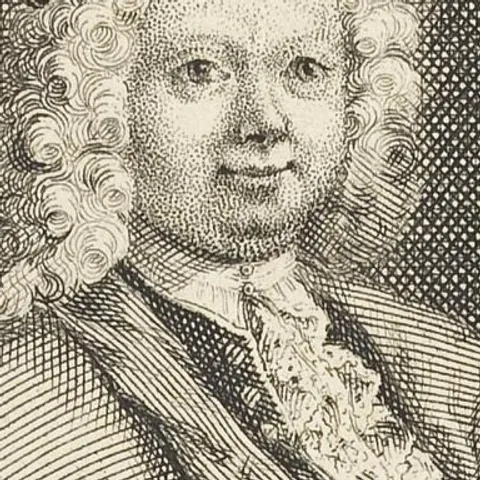
マルチェッロ・published c. 1717
胸にしみるアダージョ!バッハも編曲したオーボエの名曲。
オーボエ協奏曲 ニ短調のページへバッハ・1723
やさしく流れるメロディーにのって、合唱が祈りを歌う名曲。
カンタータ第147番より「主よ、人の望みの喜びよ」のページへバッハ・1727
ペテロの涙を歌う、ヴァイオリンとアルトの祈りの名アリア。
マタイ受難曲より「憐れみたまえ、わが神よ」のページへ
 MP3