幻想交響曲
Symphonie fantastique
ベルリオーズ・1830
失恋した若者が見た、恋と悪夢の5つの物語。
幻想交響曲のページへRomantic · 1803–1869
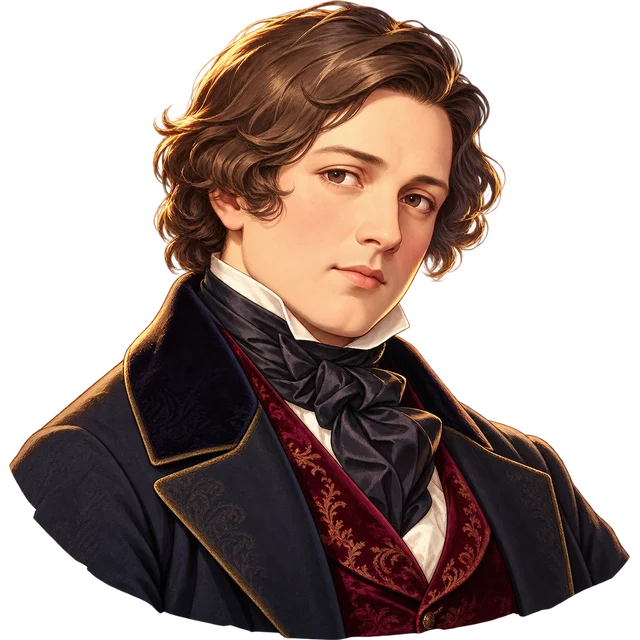
「オーケストラの革命児」The great rebel of the orchestra
 ラ・コート=サンタンドレ(フランス)
 パリ(フランス)2 曲を収録
かなわぬ恋の苦しみを、巨大なオーケストラで描いた情熱家。He turned a hopeless love into music for a giant orchestra.
 ベルリオーズの名曲を聴く
ベルリオーズ・1830
失恋した若者が見た、恋と悪夢の5つの物語。
幻想交響曲のページへベルリオーズ・1843–1844
大失敗オペラの音楽が、大成功の序曲に大変身!
序曲「ローマの謝肉祭」のページへ
ホー!ベルリオーズはピアノがほとんど弾けなかったんだ。得意な楽器はフルートとギターだよ。
 生涯 Life Story
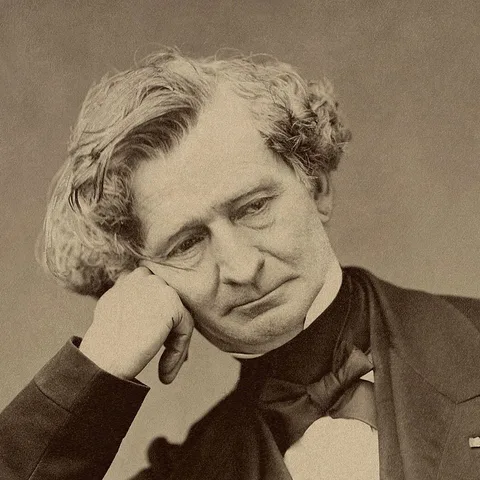
ベルリオーズは1803年、フランス南東部の小さな町ラ・コート=サンタンドレに生まれました。父はお医者さんで、息子にも医者になってほしいと願っていました。少年ベルリオーズはフルートとギターを習い、本を読みながら独学で作曲を学びます。17歳のとき、父の希望でパリの医学校に入りますが、心はすでに音楽にうばわれていました。Berlioz was born in 1803 in La Côte-Saint-André, a small town in southeastern France. His father was a doctor and hoped his son would become one too. Young Hector learned the flute and guitar and taught himself composition from books. At seventeen he entered medical school in Paris to please his father, but his heart already belonged to music.
結局ベルリオーズは医学をやめ、パリ音楽院で作曲を学びます。1827年、シェイクスピア劇で女優ハリエット・スミッソンを見て激しい恋に落ち、その思いをもとに1830年、『幻想交響曲』を書きました。恋人を表す旋律を何度も登場させる大胆なアイデアで、音楽で物語を語る「標題音楽」の新しい扉を開いた作品です。In the end Berlioz gave up medicine and studied composition at the Paris Conservatoire. In 1827 he saw the actress Harriet Smithson in a Shakespeare play and fell passionately in love. Those feelings led to his Symphonie fantastique of 1830. Its bold idea of a melody that stands for the beloved and keeps coming back opened a new door for program music, music that tells a story.
1830年、何度もの挑戦の末にローマ賞をとり、イタリアへ留学しました。1833年にはついにハリエットと結婚しますが、やがて二人の気持ちはすれちがい、別々に暮らすようになります。作曲だけでは生活が苦しかったため、新聞に音楽評論を書いてお金をかせぎました。それでも『イタリアのハロルド』『レクイエム』『ファウストの劫罰』など、スケールの大きな作品を次々に生み出します。In 1830, after several attempts, he won the Prix de Rome and went to study in Italy. In 1833 he finally married Harriet, but the couple slowly drifted apart and later lived separately. Composing did not pay enough, so he earned money by writing music reviews for newspapers. Even so, he created one huge work after another, including Harold in Italy, his Requiem and The Damnation of Faust.
晩年のベルリオーズは、大作オペラ『トロイアの人々』を書き上げますが、生きているあいだに全曲が上演されることはありませんでした。1867年にはひとり息子のルイを亡くし、深い悲しみの中で1869年にパリで亡くなります。けれども彼がまとめた『管弦楽法』の本は、のちにリヒャルト・シュトラウスが改訂版を出すほど、後の作曲家たちの大切な手本になりました。In his later years Berlioz completed his huge opera The Trojans, but he never saw it staged in full during his lifetime. In 1867 he lost his only son, Louis, and he died in Paris in 1869, still deep in grief. Yet his Treatise on Instrumentation became an important guide for later composers, so important that Richard Strauss published a revised edition of it.
Berlioz was born in France in 1803. His father was a doctor. Berlioz studied medicine, but he loved music more. He fell in love with an actress. He wrote a famous symphony about his love. He used a very big orchestra.ベルリオーズは1803年にフランスで生まれました。父はお医者さんでした。ベルリオーズは医学を学びましたが、音楽のほうがもっと好きでした。彼はある女優に恋をしました。その恋について、有名な交響曲を書きました。とても大きなオーケストラを使いました。
 これだけは!鉄板情報 Must-Know Facts
 あっと驚くネタ Surprising Stories
 タップすると答えが開きます
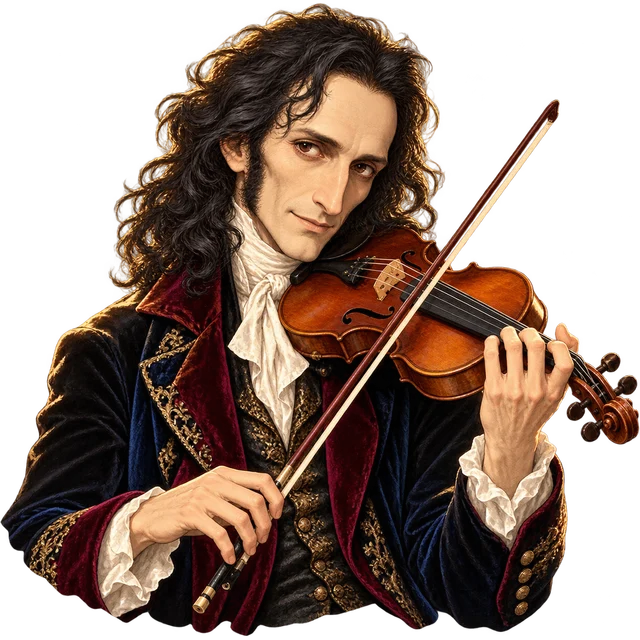
ヴァイオリンの名人パガニーニは、ヴィオラで弾く曲をベルリオーズにたのみました。できた『イタリアのハロルド』は独奏の出番が少なく、パガニーニは弾きませんでした。ところが1838年、ベルリオーズの演奏会に感動したパガニーニは、2万フランもの大金を贈ったのです。
The violin genius Paganini asked Berlioz for a piece he could play on the viola. The result, Harold in Italy, gave the soloist too little to do, and Paganini never played it. But in 1838, deeply moved by one of Berlioz's concerts, Paganini gave him a gift of 20,000 francs.
ローマ留学中、婚約者だったピアニストのマリー・モークが、別の人と結婚することになりました。怒ったベルリオーズは、女性の服に変装してパリへ乗りこもうと旅に出ます。しかし途中のニースで思いとどまりました。この話は本人が『回想録』に書いています。
While he was studying in Rome, his fiancée, the pianist Marie Moke, was promised to another man. Furious, Berlioz set off for Paris planning to sneak in disguised in women's clothes. But he changed his mind on the way, in Nice. He tells this story himself in his Memoirs.
1827年にベルリオーズが観たシェイクスピア劇は、イギリスの劇団による英語の上演でした。ベルリオーズは英語がほとんどわかりませんでしたが、オフィーリア役のハリエットにひと目で夢中になりました。言葉より先に、心がうばわれてしまったのです。
The Shakespeare plays Berlioz saw in 1827 were performed in English by a British company. He hardly understood a word of English, yet he fell head over heels for Harriet as Ophelia. His heart was captured before he knew what she was saying.
1837年の『レクイエム』では、大オーケストラと合唱に加えて、4つの金管楽器のグループを会場の四方に置くように指示しました。「最後の審判」の場面では、まわりじゅうからトランペットなどが鳴りひびきます。まるで音のサラウンドです。
In his Requiem of 1837, Berlioz added four separate groups of brass players to the large orchestra and chorus, placed around the hall. At the Last Judgment, trumpets and trombones blast from every direction. It is like surround sound, long before speakers existed.
『幻想交響曲』の最後の楽章は、魔女たちが集まる不気味な夜のお祭りの場面です。教会の鐘が鳴り、死者のためのミサ(レクイエム)で歌われる古い聖歌「怒りの日」のメロディが登場します。1830年当時、交響曲に鐘を使うのはとても珍しいことでした。
The last movement of the Symphonie fantastique shows a spooky night when witches gather. Church bells ring, and the old chant Dies irae from the Mass for the dead appears. In 1830, using bells in a symphony was very unusual.
パリではなかなか正当に評価されなかったベルリオーズですが、ドイツやロシアなどでは熱狂的にむかえられました。各地へ演奏旅行に出て自作を指揮し、1867年から翌年にかけても、体が弱っていたのにロシアへ出かけて大成功をおさめています。
Berlioz was often underrated in Paris, but in Germany, Russia and elsewhere he was greeted with great enthusiasm. He toured widely, conducting his own works, and even in 1867 and 1868, when his health was poor, he traveled to Russia and won great success.
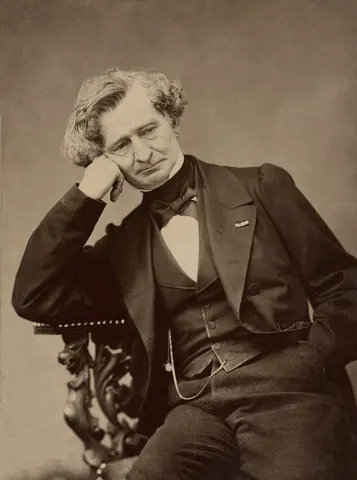
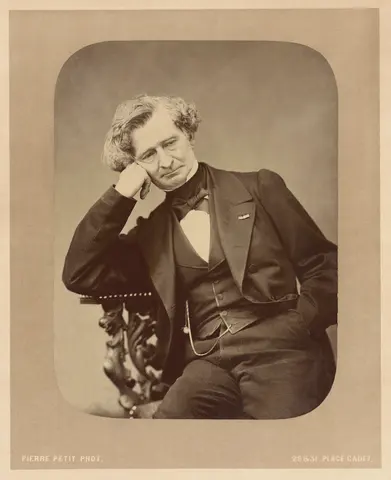
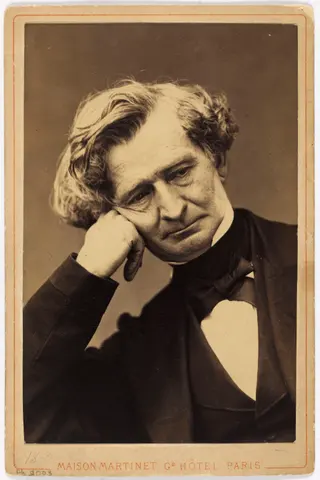
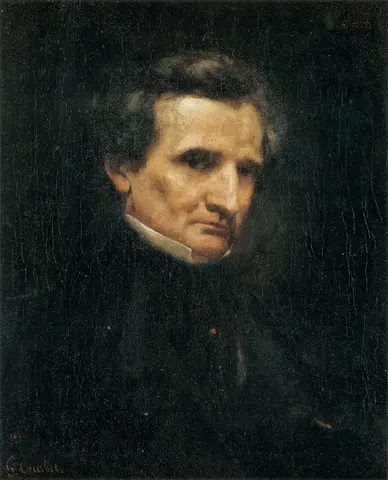
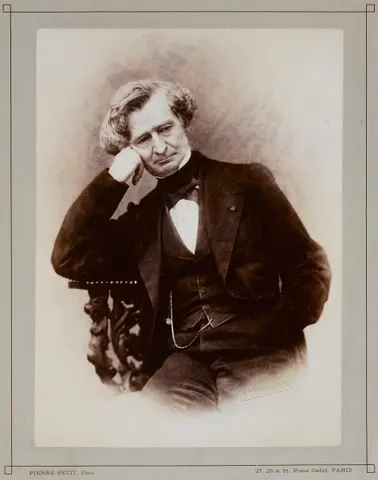
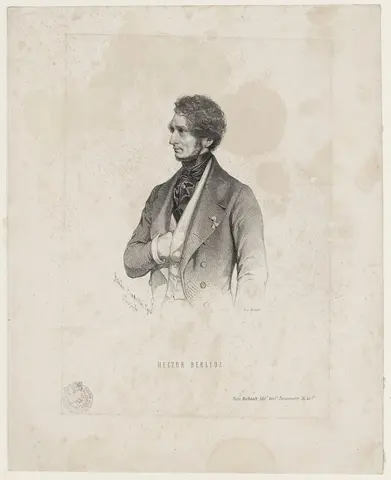
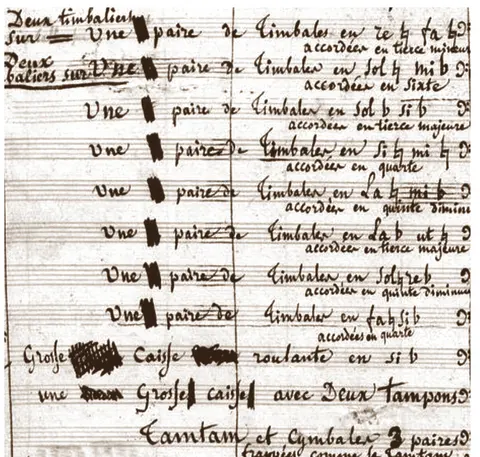
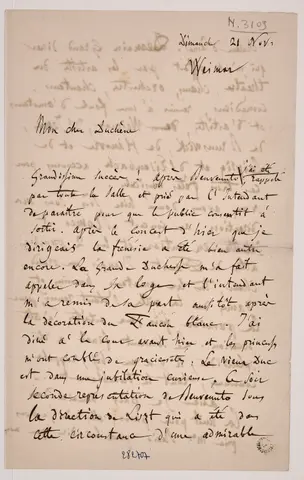
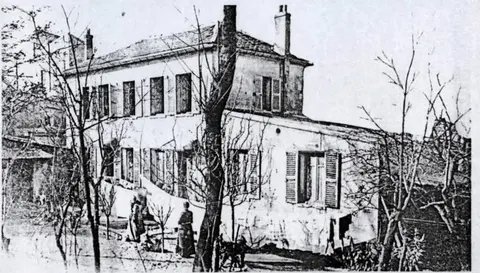
 肖像画・写真・自筆譜 Gallery (Public Domain)
Wikimedia Commons でパブリックドメイン(または CC0)と確認した画像です。クリックで拡大。
 年表 Timeline
 ベルリオーズで覚える英単語 Words
 クイズに挑戦 Quiz
MORE COMPOSERS


 MP3