
テ・デウム
Te Deum
シャルパンティエ・c. 1688–1698
パンパカパーン!ヨーロッパのテレビの幕開けを飾ってきた、ごうかな前奏曲。
テ・デウム ニ長調のページへ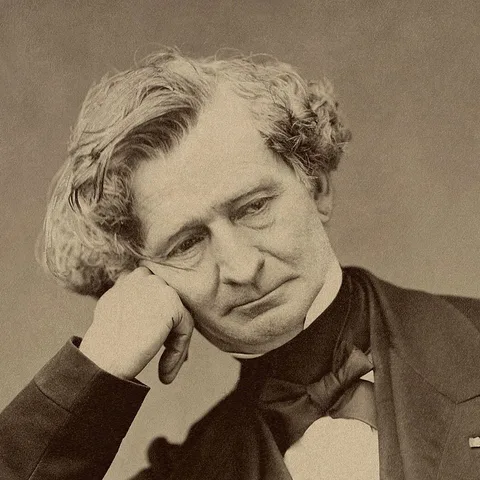
Orchestral · Op. 9 · 1843–1844
エクトル・ベルリオーズ(1803–1869)
大失敗オペラの音楽が、大成功の序曲に大変身!Music from a flop opera became a smash-hit overture!
PUBLIC DOMAIN RECORDING
PD / CC0 無料でダウンロードOKWATCH ON YOUTUBE
 BERLIOZ The Roman Carnival Overture, Opus 9 - "The President's Own" U.S. Marine Band - Tour 2018
United States Marine Band(YouTube) YouTube で開く ↗
Berlioz - Roman Carnival Overture
Boston Symphony Orchestra(YouTube) YouTube で開く ↗
左の音源は権利が切れた録音なのでダウンロードできます。右の動画は YouTube の公式の埋め込みで見るもので、ダウンロードはできません(動画の権利は各チャンネルにあります)。
 もっと名演を観る YouTube で何百万回も再生された人気の演奏
Berlioz: Le carnaval romain, Overture, H. 95
Berliner Philharmoniker - Topic(YouTube) YouTube で開く ↗
ホー!まん中のイングリッシュホルンのソロ、元はオペラの恋の歌だったんだよ。
 この曲のおはなし The Story
「ローマの謝肉祭」は、フランスの作曲家エクトル・ベルリオーズが書いた演奏会用の序曲です。1844年2月、パリのエルツ・ホールで初演されました。うっとりする恋の歌と、ローマのお祭りのはげしいおどりが1つになった、10分ほどの曲で、オーケストラの演奏会でとても人気があります。Roman Carnival is a concert overture by the French composer Hector Berlioz. It was first performed in February 1844 at the Salle Herz in Paris. In a short piece of about ten minutes, a dreamy love song and a wild Roman festival dance come together. It is a great favorite at orchestra concerts.
材料は、ベルリオーズのオペラ「ベンヴェヌート・チェッリーニ」です。ルネサンスの彫刻家チェッリーニを主人公にしたこのオペラは、1838年のパリ・オペラ座での初演が大失敗に終わりました。ベルリオーズはその中の恋の二重唱のメロディーと、ローマの謝肉祭の場面のおどり「サルタレッロ」を使い、新しい序曲に仕立て直したのです。The material comes from Berlioz's opera Benvenuto Cellini, about the Renaissance sculptor Cellini. Its premiere at the Paris Opera in 1838 was a big failure. Berlioz took a love duet melody and the saltarello, a fast Italian dance from the Roman carnival scene, and turned them into a new overture.
初演は大成功で、その場でもう一度演奏(アンコール)されたと言われています。オペラは失敗しても、その音楽は序曲として生き残り、今では世界中のオーケストラの人気曲です。とくにイングリッシュホルンのソロは、この楽器の有名なソロとして知られています。The premiere was a great success, and the overture is said to have been played again as an encore. The opera had failed, but its music lived on in this overture, which is now loved by orchestras around the world. Its English horn solo is one of the most famous solos for that instrument.
This is a short and exciting piece for orchestra. It is about a big festival in Rome. First, you hear a slow and beautiful love song. Then everyone dances very fast. The music came from an opera that failed.これは短くてわくわくするオーケストラの曲です。ローマの大きなお祭りの曲です。最初に、ゆっくりした美しい恋の歌が聞こえます。そのあと、みんながとても速くおどります。この音楽は、失敗したオペラから生まれました。
 聴きどころ Listening Guide
 えっ!?ネタ Surprising Facts
 タップすると答えが開きます
オペラ「ベンヴェヌート・チェッリーニ」は1838年、パリ・オペラ座でわずかな回数しか上演されずに終わりました。ところが、その音楽で作った「ローマの謝肉祭」は初演から大受け。ベルリオーズは、捨てるにはもったいない音楽を見事に生き返らせたのです。
The opera Benvenuto Cellini had only a few performances at the Paris Opera in 1838 before it was dropped. But Roman Carnival, made from its music, was a hit from its very first performance. Berlioz brought music that was too good to throw away back to life.
ベルリオーズの「回想録」によると、初演の前、管楽器の奏者たちは国民衛兵の任務に出ていて、リハーサルに来られなかったそうです。ぶっつけ本番だったのに、演奏はうまくいき、曲はアンコールされたと書かれています。
According to Berlioz's Memoirs, the wind players could not come to the rehearsal before the premiere because they were on duty with the National Guard. Even without rehearsal, the performance went well, and he wrote that the overture was encored.
オペラの主人公ベンヴェヌート・チェッリーニは、16世紀イタリアに実在した金細工師・彫刻家です。フィレンツェにある彼のブロンズ像「ペルセウス」は今も有名。けんかっ早く波乱だらけの人生を自伝に書き残したことでも知られています。
Benvenuto Cellini, the hero of the opera, was a real 16th-century Italian goldsmith and sculptor. His bronze statue of Perseus in Florence is still famous. He is also known for writing an autobiography about his stormy, adventurous life.
ベルリオーズは1830年、若い作曲家の大きな賞「ローマ賞」を受け、ローマに留学しました。イタリアの町や人々のにぎわいは、彼の作品にたくさんの色をあたえています。この序曲のお祭りの熱気にも、その思い出がこめられているのかもしれません。
In 1830, Berlioz won the Prix de Rome, a big prize for young composers, and went to study in Rome. Italian towns and lively crowds gave color to many of his works. The festive energy of this overture may also hold memories of those days.
ENGLISH × MASTERPIECE
 訪れた土地では、その土地のやり方に合わせようということわざ。前半だけで言うことも多いです。
 この曲で覚える英単語 Words
 クイズに挑戦 Quiz
 この録音について(著作権・出典) Credits
MORE MASTERPIECES
シャルパンティエ・c. 1688–1698
パンパカパーン!ヨーロッパのテレビの幕開けを飾ってきた、ごうかな前奏曲。
テ・デウム ニ長調のページへ
パーセル・1695
ブリテンが「オーケストラ入門」のテーマに選んだ、かっこいいメロディー。
劇音楽「アブデラザール」より ロンドのページへクラーク・c. 1700
結婚式の大定番。でも作曲者は長いあいだ取りちがえられていた!
トランペット・ヴォランタリー(デンマーク王子の行進)のページへ
バッハ・c. 1704 (?)
タラリ〜!一度聴いたら忘れない、オルガンの大迫力の幕開け。
トッカータとフーガ ニ短調のページへバッハ・c. 1706–1713
足が弾く低いテーマが21回!重くて壮大な、オルガンの大建築。
パッサカリアとフーガ ハ短調のページへバッハ・c. 1707–1710 (?)
キラキラの駆け上がりで幕開け!若きバッハのはなやかな鍵盤ショー。
トッカータ ニ長調のページへ
ヴィヴァルディ・published 1711
2本のヴァイオリンが火花を散らす!バッハも編曲した熱い協奏曲。
協奏曲集『調和の霊感』第8番 イ短調(2つのヴァイオリンのための協奏曲)のページへヴィヴァルディ・c. 1715
オクターブがぴょんぴょん跳ねる!喜びがはじける合唱の名曲。
グローリア ニ長調のページへ
 MP3