
カノン
Canon in D
パッヘルベル・c. 1680–1706
同じ8つの音が28回!なのに聴くたび胸がいっぱいになる曲。
カノンとジーグ ニ長調 より「カノン」のページへ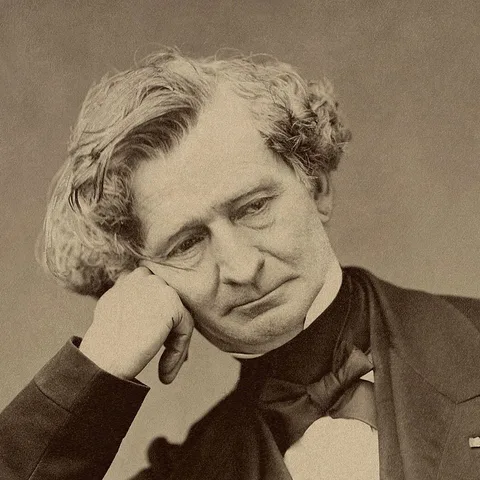
Symphony · Op. 14 · 1830
エクトル・ベルリオーズ(1803–1869)
失恋した若者が見た、恋と悪夢の5つの物語。A lovesick young artist's wild dream in five movements.
PUBLIC DOMAIN RECORDING
PD / CC0 無料でダウンロードOK
WATCH ON YOUTUBE
 Berlioz: Symphonie fantastique ∙ hr-Sinfonieorchester ∙ Andrés Orozco-Estrada
hr-Sinfonieorchester – Frankfurt Radio Symphony(YouTube) YouTube で開く ↗
Concertgebouworkest - Symphonie Fantastique - Berlioz
Concertgebouworkest(YouTube) YouTube で開く ↗
左の音源は権利が切れた録音なのでダウンロードできます。右の動画は YouTube の公式の埋め込みで見るもので、ダウンロードはできません(動画の権利は各チャンネルにあります)。
 もっと名演を観る YouTube で何百万回も再生された人気の演奏
Berlioz : Symphonie Fantastique
France Musique concerts(YouTube) YouTube で開く ↗

ホー!恋人を表すメロディーが、5つの楽章ぜんぶに姿を変えて出てくるんだ。
 この曲のおはなし The Story
「幻想交響曲」は、フランスの作曲家ベルリオーズが1830年、26歳のときに書いた交響曲です。「ある芸術家の生涯のエピソード」という副題があり、恋にやぶれた若い芸術家が見る夢や幻を、5つの楽章で物語のように描きます。ベルリオーズは、お客さんに配るための物語の説明文まで自分で書きました。Symphonie fantastique is a symphony written in 1830 by the French composer Hector Berlioz, when he was 26. Its subtitle is 'An Episode in the Life of an Artist'. In five movements, it tells the story of the dreams and visions of a young artist who is unlucky in love. Berlioz even wrote a program, a written story to hand out to the audience.
きっかけは、ベルリオーズ自身の恋でした。1827年、パリでシェイクスピア劇を観た彼は、オフィーリアやジュリエットを演じたアイルランドの女優ハリエット・スミッソンにひと目ぼれします。しかし手紙を送っても相手にされませんでした。曲の中では、恋人を表すメロディー「固定楽想(イデー・フィクス)」が、全楽章に形を変えて現れます。It all began with Berlioz's own love life. In 1827 he saw Shakespeare plays in Paris and fell madly in love with Harriet Smithson, an Irish actress who played Ophelia and Juliet. He sent her letters, but she paid no attention. In the symphony, a melody that stands for the beloved, called the idée fixe ('fixed idea'), appears in every movement in a different form.
1830年12月、パリ音楽院のホールで初演されました。舞踏会のワルツ、牧場の風景、断頭台への行進、魔女たちの夜の宴と、場面がつぎつぎに変わる大胆な音楽は、人々をおどろかせました。なんとその後、ベルリオーズはハリエットと本当に結婚します。物語を楽器だけで描く「標題音楽」の考え方は、リストやワーグナーにも大きな影響をあたえました。It was first performed in December 1830 at the hall of the Paris Conservatoire. The bold music, moving from a waltz at a ball to a country scene, a march to the scaffold and a witches' night party, amazed listeners. Incredibly, Berlioz later really married Harriet. His idea of telling a story with instruments alone, called program music, had a big influence on Liszt and Wagner.
This symphony tells a story. A young artist loves a woman, but she does not love him. He has strange dreams about her. In the last part, he sees witches and monsters! In real life, the composer later married the woman he loved.この交響曲は物語を語ります。若い芸術家がある女性を好きになりますが、彼女は彼を好きになってくれません。彼は彼女の不思議な夢を見ます。最後の楽章では、魔女や怪物が出てきます!じつは作曲者は、のちに大好きだったその女性と結婚しました。
 聴きどころ Listening Guide
 えっ!?ネタ Surprising Facts
 タップすると答えが開きます
ベルリオーズは何年も女優ハリエットに思いをよせ続けました。1832年、この曲の演奏会にハリエットが来て、自分のことを描いた曲だと気づいたと言われています。2人は1833年に結婚しましたが、やがてうまくいかなくなり、別れて暮らすようになりました。
Berlioz loved the actress Harriet for years. In 1832 she attended a concert of this symphony and is said to have realized the music was about her. They married in 1833, but the marriage did not go well, and they later lived apart.
第5楽章では、教会のお葬式で歌われてきた古い聖歌「怒りの日(ディエス・イレ)」のメロディーが、鐘の音とともに登場します。このメロディーはのちに、ラフマニノフなど多くの作曲家や映画音楽でも、「死」や「恐怖」の合図として使われるようになりました。
In the fifth movement, the melody of the old church chant Dies irae ('Day of Wrath'), sung at funerals, appears along with the sound of bells. Later, many composers, including Rachmaninoff, and many film scores used this melody as a signal of death or fear.
魔女の宴を描く第5楽章では、弦楽器の奏者が弓をひっくり返し、木の部分で弦をたたく「コル・レーニョ」という奏法が使われます。カタカタと骨が鳴るような不気味な音がします。この奏法はそれ以前からありましたが、当時の交響曲ではめずらしい、とても印象的な効果でした。
In the fifth movement, the witches' party, string players turn their bows over and tap the strings with the wood. This technique is called col legno. It makes a spooky, clattering sound, like rattling bones. The technique already existed, but it was an unusually striking effect in a symphony of that time.
第3楽章「野の風景」は、イングリッシュホルンと、舞台裏で吹くオーボエが、遠くの羊飼いどうしのように呼びかけ合って始まります。楽章の終わりには、ティンパニが遠くの雷を鳴らし、イングリッシュホルンの呼びかけに、もうオーボエは答えません。孤独を感じさせる名場面です。
The third movement, 'Scene in the Country', begins with an English horn and an offstage oboe calling to each other like distant shepherds. At the end, the timpani play distant thunder, and when the English horn calls again, the oboe no longer answers. It is a famous scene full of loneliness.
ENGLISH × MASTERPIECE
 overture は「序曲」のほか「申し入れ」の意味も。仲良くなろうと動くことです。
 この曲で覚える英単語 Words
 クイズに挑戦 Quiz
 この録音について(著作権・出典) Credits
MORE MASTERPIECES
パッヘルベル・c. 1680–1706
同じ8つの音が28回!なのに聴くたび胸がいっぱいになる曲。
カノンとジーグ ニ長調 より「カノン」のページへ
パーセル・1695
ブリテンが「オーケストラ入門」のテーマに選んだ、かっこいいメロディー。
劇音楽「アブデラザール」より ロンドのページへ
バッハ・c. 1704 (?)
タラリ〜!一度聴いたら忘れない、オルガンの大迫力の幕開け。
トッカータとフーガ ニ短調のページへバッハ・c. 1706–1713
足が弾く低いテーマが21回!重くて壮大な、オルガンの大建築。
パッサカリアとフーガ ハ短調のページへ
ヘンデル・1711
「泣かせてください」と歌う、深い悲しみに満ちた名アリア。
私を泣かせてください(歌劇『リナルド』より)のページへバッハ・c. 1720
ヴァイオリン1本で、宇宙のように大きな世界を描く傑作。
無伴奏ヴァイオリン・パルティータ第2番 ニ短調より「シャコンヌ」のページへ
ヴィヴァルディ・1725
うだる暑さ、そして大嵐!ヴァイオリンが雷を鳴らす夏。
協奏曲集『四季』より「夏」のページへヴィヴァルディ・1725
歯がガチガチ、足ぶみドンドン!音で感じる真冬の寒さ。
協奏曲集『四季』より「冬」のページへ MP3