In the trembling grey of a spring dawn, when the birds were whispering in mysterious cadence among the trees, have you not felt that they were talking to their mates about the flowers? Surely with mankind the appreciation of flowers must have been coeval with the poetry of love. Where better than in a flower, sweet in its unconsciousness, fragrant because of its silence, can we image the unfolding of a virgin soul? The primeval man in offering the first garland to his maiden thereby transcended the brute. He became human in thus rising above the crude necessities of nature. He entered the realm of art when he perceived the subtle use of the useless.
春の夜明け、ふるえるような灰色の薄明かりの中で、鳥たちが木々のあいだで不思議な調子でささやき合っている。そんなとき、鳥たちは連れ合いに花のことを話しているのだと、感じたことはないだろうか。人間にとっても、花を愛でる心は、恋の詩と同じころに生まれたにちがいない。花は、自分では何も知らないからこそ美しく、黙っているからこそかぐわしい。清らかな魂が開いていくさまを思い描くのに、花ほどふさわしいものがあろうか。原始の人間は、はじめて花輪を恋する乙女にささげたとき、けものの域を越えた。自然の荒々しい必要を越えたことで、人間になったのである。役に立たないものがもつ、奥深い効用に気づいたとき、人間は芸術の世界に足を踏み入れたのである。
In joy or sadness, flowers are our constant friends. We eat, drink, sing, dance, and flirt with them. We wed and christen with flowers. We dare not die without them. We have worshipped with the lily, we have meditated with the lotus, we have charged in battle array with the rose and the chrysanthemum. We have even attempted to speak in the language of flowers. How could we live without them? It frightens one to conceive of a world bereft of their presence. What solace do they not bring to the bedside of the sick, what a light of bliss to the darkness of weary spirits? Their serene tenderness restores to us our waning confidence in the universe even as the intent gaze of a beautiful child recalls our lost hopes. When we are laid low in the dust it is they who linger in sorrow over our graves.
喜びのときも悲しみのときも、花はわれわれのいつも変わらぬ友である。われわれは花とともに食べ、飲み、歌い、踊り、恋をささやく。花で結婚を祝い、花で洗礼を祝う。花なしでは、死ぬことさえできない。われわれは百合とともに祈り、蓮とともに瞑想し、薔薇や菊を旗印に隊列を組んで戦場に突撃してきた。花言葉で語り合おうとさえしてきた。花なしで、どうして生きていけよう。花のない世界など、思い描くだけでおそろしい。花は病人の枕もとに、どれほどの慰めをもたらすことか。疲れた心の闇に、どれほどの幸せの光をもたらすことか。美しい子どもにじっと見つめられると、失った希望がよみがえる。それと同じように、花のおだやかなやさしさは、薄れかけた世界への信頼を、われわれに取りもどしてくれる。そして、われわれが土の中に横たえられるとき、悲しみに沈んで墓の上にいつまでも残ってくれるのは、花なのである。
Sad as it is, we cannot conceal the fact that in spite of our companionship with flowers we have not risen very far above the brute. Scratch the sheepskin and the wolf within us will soon show his teeth. It has been said that a man at ten is an animal, at twenty a lunatic, at thirty a failure, at forty a fraud, and at fifty a criminal. Perhaps he becomes a criminal because he has never ceased to be an animal. Nothing is real to us but hunger, nothing sacred except our own desires. Shrine after shrine has crumbled before our eyes; but one altar is forever preserved, that whereon we burn incense to the supreme idol,—ourselves. Our god is great, and money is his Prophet! We devastate nature in order to make sacrifice to him. We boast that we have conquered Matter and forget that it is Matter that has enslaved us. What atrocities do we not perpetrate in the name of culture and refinement!
悲しいことだが、これほど花と親しくしていながら、われわれがけものからたいして上に登っていないことは、隠しようがない。羊の皮を一枚めくれば、われわれの中の狼が、たちまち牙をむくだろう。人間は、十歳でけもの、二十歳で狂人、三十歳で落後者、四十歳でぺてん師、五十歳で罪人になる、と言われる。人間が罪人になるのは、けものであることを一度もやめなかったからかもしれない。われわれにとって現実のものは飢えだけであり、神聖なものは自分の欲望だけである。神殿はわれわれの目の前で、次々にくずれ落ちていった。だが、ただひとつの祭壇だけは、いつまでも守られている。至上の偶像、すなわちわれわれ自身に香をたく祭壇である。われらの神は偉大なり、金銭はその預言者なり! この神にいけにえをささげるために、われわれは自然を荒らす。物質を征服したと自慢しながら、じつは物質の奴隷になっていることを忘れている。文化と洗練の名のもとに、われわれはどれほどむごいことをしていることか!
Tell me, gentle flowers, teardrops of the stars, standing in the garden, nodding your heads to the bees as they sing of the dews and the sunbeams, are you aware of the fearful doom that awaits you? Dream on, sway and frolic while you may in the gentle breezes of summer. To-morrow a ruthless hand will close around your throats. You will be wrenched, torn asunder limb by limb, and borne away from your quiet homes. The wretch, she may be passing fair. She may say how lovely you are while her fingers are still moist with your blood. Tell me, will this be kindness? It may be your fate to be imprisoned in the hair of one whom you know to be heartless or to be thrust into the buttonhole of one who would not dare to look you in the face were you a man. It may even be your lot to be confined in some narrow vessel with only stagnant water to quench the maddening thirst that warns of ebbing life.
教えておくれ、やさしい花たちよ、星の涙たちよ。庭に立ち、露と日の光を歌う蜂たちに、うなずいてみせている花たちよ。おまえたちを待っているおそろしい運命を、知っているのか。今のうちに夢を見るがよい。夏のやさしいそよ風の中で、揺れて、たわむれていられるうちに。明日になれば、むごい手がおまえたちののどをつかむだろう。おまえたちはねじ切られ、手足を一本ずつ引きちぎられて、静かな住みかから連れ去られるだろう。その悪者は、なかなかの美人かもしれない。おまえたちの血で指をぬらしたまま、なんてきれいなんでしょう、と言うかもしれない。教えておくれ、これが親切だろうか。おまえたちは、心の冷たい人だとわかっている人の髪にとらわれるかもしれない。あるいは、もしおまえたちが人間だったら、まともに顔も見られないような男のボタン穴に、押しこまれるかもしれない。さらには、どこかの狭い器に閉じこめられるかもしれない。命が尽きかけていることを知らせる、狂おしいほどののどの渇きを、よどんだ水だけでいやさなければならないのだ。
Flowers, if you were in the land of the Mikado, you might some time meet a dread personage armed with scissors and a tiny saw. He would call himself a Master of Flowers. He would claim the rights of a doctor and you would instinctively hate him, for you know a doctor always seeks to prolong the troubles of his victims. He would cut, bend, and twist you into those impossible positions which he thinks it proper that you should assume. He would contort your muscles and dislocate your bones like any osteopath. He would burn you with red-hot coals to stop your bleeding, and thrust wires into you to assist your circulation. He would diet you with salt, vinegar, alum, and sometimes, vitriol. Boiling water would be poured on your feet when you seemed ready to faint. It would be his boast that he could keep life within you for two or more weeks longer than would have been possible without his treatment. Would you not have preferred to have been killed at once when you were first captured? What were the crimes you must have committed during your past incarnation to warrant such punishment in this?
花たちよ、もしおまえたちが帝(みかど)の国にいたなら、いつか、はさみと小さなのこぎりを持ったおそろしい人物に出会うかもしれない。その人は、自分のことを花の宗匠と名のるだろう。医者のような権利があると言い張るだろうが、おまえたちは本能的にその人を憎むだろう。医者というものは、いつも患者の苦しみを長引かせようとするものだと、知っているからである。その人は、おまえたちを切り、曲げ、ねじって、ありえないような姿勢をとらせる。それが、おまえたちにふさわしい姿だと思っているのだ。整骨医のように、おまえたちの筋をよじり、骨をはずす。血を止めるために真っ赤な炭で焼き、血のめぐりをよくするために針金を突き刺す。食事として、塩や酢やみょうばん、ときには硫酸まで与える。おまえたちが気を失いそうになると、足に熱湯をかける。そして、自分が手当てをしたおかげで、しなかったときより二週間以上も長く命をもたせられた、と自慢するだろう。それくらいなら、はじめに捕まったとき、すぐに殺されたほうがよかったと思わないだろうか。この世でこれほどの罰を受けるとは、前の世でいったい、どんな罪を犯したというのだろう。
The wanton waste of flowers among Western communities is even more appalling than the way they are treated by Eastern Flower Masters. The number of flowers cut daily to adorn the ballrooms and banquet-tables of Europe and America, to be thrown away on the morrow, must be something enormous; if strung together they might garland a continent. Beside this utter carelessness of life, the guilt of the Flower-Master becomes insignificant. He, at least, respects the economy of nature, selects his victims with careful foresight, and after death does honour to their remains. In the West the display of flowers seems to be a part of the pageantry of wealth,—the fancy of a moment. Whither do they all go, these flowers, when the revelry is over? Nothing is more pitiful than to see a faded flower remorselessly flung upon a dung heap.
だが、西洋の社会で花がむやみにむだにされているのは、東洋の花の宗匠の扱いよりも、さらにおそろしい。ヨーロッパやアメリカで、舞踏会の広間や宴会の食卓を飾るために毎日切られ、翌日には捨てられてしまう花の数は、途方もないものにちがいない。つなぎ合わせれば、大陸ひとつを花輪で飾れるかもしれない。命に対するこのまったくの無頓着にくらべれば、花の宗匠の罪など、取るに足りないものになる。花の宗匠は、少なくとも自然の節度を重んじている。先のことをよく考えて、気をつけて犠牲を選び、死んだあとはその亡きがらを手厚く扱う。西洋では、花を飾るのは、富を見せびらかす行事のひとつ、いっときの気まぐれにすぎないように見える。宴が終わったとき、この花たちはみな、どこへ行くのだろう。しおれた花が、情けようしゃなくごみの山に投げ捨てられるのを見るほど、哀れなことはない。
Why were the flowers born so beautiful and yet so hapless? Insects can sting, and even the meekest of beasts will fight when brought to bay. The birds whose plumage is sought to deck some bonnet can fly from its pursuer, the furred animal whose coat you covet for your own may hide at your approach. Alas! The only flower known to have wings is the butterfly; all others stand helpless before the destroyer. If they shriek in their death agony their cry never reaches our hardened ears. We are ever brutal to those who love and serve us in silence, but the time may come when, for our cruelty, we shall be deserted by these best friends of ours. Have you not noticed that the wild flowers are becoming scarcer every year? It may be that their wise men have told them to depart till man becomes more human. Perhaps they have migrated to heaven.
花は、なぜこれほど美しく生まれながら、これほど不運なのだろう。虫は刺すことができる。どんなにおとなしいけものでも、追いつめられれば戦う。帽子を飾るために羽をねらわれる鳥は、追っ手から飛んで逃げられる。あなたが自分のものにしたいと思う毛皮のけものも、あなたが近づけば隠れることができる。ああ! 羽を持つ花として知られているのは、蝶だけだ。ほかの花はみな、壊しにくる者の前に、なすすべもなく立っている。死の苦しみに叫び声をあげても、その叫びは、かたくなったわれわれの耳には決して届かない。黙ってわれわれを愛し、尽くしてくれる者たちに、われわれはいつもむごい。だが、そのむごさのために、いつか、この最良の友たちに見捨てられる日が来るかもしれない。野の花が年々少なくなっていることに、気づいたことはないだろうか。もしかすると、花の中の賢い者たちが、人間がもっと人間らしくなるまで、ここを立ち去るようにと言いわたしたのかもしれない。花たちは、天国へ移り住んでしまったのかもしれない。
Much may be said in favor of him who cultivates plants. The man of the pot is far more humane than he of the scissors. We watch with delight his concern about water and sunshine, his feuds with parasites, his horror of frosts, his anxiety when the buds come slowly, his rapture when the leaves attain their lustre. In the East the art of floriculture is a very ancient one, and the loves of a poet and his favorite plant have often been recorded in story and song. With the development of ceramics during the Tang and Sung dynasties we hear of wonderful receptacles made to hold plants, not pots, but jewelled palaces. A special attendant was detailed to wait upon each flower and to wash its leaves with soft brushes made of rabbit hair. It has been written ["Pingtse", by Yuenchunlang] that the peony should be bathed by a handsome maiden in full costume, that a winter-plum should be watered by a pale, slender monk. In Japan, one of the most popular of the No-dances, the Hachinoki, composed during the Ashikaga period, is based upon the story of an impoverished knight, who, on a freezing night, in lack of fuel for a fire, cuts his cherished plants in order to entertain a wandering friar. The friar is in reality no other than Hojo-Tokiyori, the Haroun-Al-Raschid of our tales, and the sacrifice is not without its reward. This opera never fails to draw tears from a Tokio audience even to-day.
草花を育てる人については、ほめるべきことがたくさんある。植木鉢の人は、はさみの人よりずっと慈悲深い。水や日当たりに気をくばり、虫と戦い、霜をおそれ、つぼみがなかなかふくらまないとやきもきし、葉がつやつやしてくると大喜びする。そんな姿を、われわれは楽しく見守る。東洋では、草花を育てる術はたいへん古く、詩人とその愛する草花との恋は、物語や歌にたびたび記されてきた。唐や宋の時代に焼き物が発達すると、植物を入れるための、見事な器のことが伝えられるようになる。植木鉢などというものではない。宝石をちりばめた宮殿である。花の一本一本に専門の世話係がつき、うさぎの毛で作ったやわらかい刷毛で、葉を洗った。牡丹は正装した美しい娘が洗い、寒梅には、青白くやせた僧が水をやるべきだ、と書いた本もある〔袁中郎『瓶史』〕。日本では、足利時代に作られた能の中でも特に人気のある『鉢木(はちのき)』が、ある貧しい武士の話をもとにしている。凍えるような夜、たきぎがなかったので、武士は旅の僧をもてなすために、大切にしていた鉢植えの木を切って火にくべる。じつはその僧こそ、北条時頼その人であった。日本の物語の、ハールーン・アッラシードともいうべき人物である。そして、武士の犠牲は報われることになる。この劇は、今でも東京の観客の涙をさそわずにはおかない。
Great precautions were taken for the preservation of delicate blossoms. Emperor Huensung, of the Tang Dynasty, hung tiny golden bells on the branches in his garden to keep off the birds. He it was who went off in the springtime with his court musicians to gladden the flowers with soft music. A quaint tablet, which tradition ascribes to Yoshitsune, the hero of our Arthurian legends, is still extant in one of the Japanese monasteries [Sumadera, near Kobe]. It is a notice put up for the protection of a certain wonderful plum-tree, and appeals to us with the grim humour of a warlike age. After referring to the beauty of the blossoms, the inscription says: "Whoever cuts a single branch of this tree shall forfeit a finger therefor." Would that such laws could be enforced nowadays against those who wantonly destroy flowers and mutilate objects of art!
かよわい花を守るために、たいへんな用心がはらわれた。唐の玄宗皇帝は、鳥が近づかないように、庭の木の枝に小さな金の鈴をつるした。春になると宮廷の楽人を連れて出かけ、やさしい音楽で花を喜ばせたのも、この皇帝である。日本のアーサー王伝説の英雄ともいうべき義経が書いたと伝えられる、風変わりな立て札が、今も日本のある寺〔神戸近くの須磨寺〕に残っている。ある見事な梅の木を守るために立てられたもので、戦乱の時代らしい、すごみのあるユーモアで訴えかけてくる。札には、花の美しさにふれたあとで、こう書いてある。「この木の枝を一本でも切った者は、そのかわりに指を一本切り落とすべし」。花をむやみに折り、美術品を傷つける人々に対して、今もこんな掟を行えたらよいのだが!
Yet even in the case of pot flowers we are inclined to suspect the selfishness of man. Why take the plants from their homes and ask them to bloom mid strange surroundings? Is it not like asking the birds to sing and mate cooped up in cages? Who knows but that the orchids feel stifled by the artificial heat in your conservatories and hopelessly long for a glimpse of their own Southern skies?
けれども、鉢植えの花の場合でさえ、人間の身勝手ではないかと疑いたくなる。なぜ植物をふるさとから連れ出して、見知らぬところで咲いてくれと頼むのか。それは、鳥をかごに閉じこめておいて、歌え、つがいになれ、と頼むようなものではないか。温室の人工の暑さの中で、蘭が息苦しさを感じ、ふるさとの南国の空をひと目見たいと、かなわぬ望みを抱いていないと、誰に言えよう。
The ideal lover of flowers is he who visits them in their native haunts, like Taoyuenming [all celebrated Chinese poets and philosophers], who sat before a broken bamboo fence in converse with the wild chrysanthemum, or Linwosing, losing himself amid mysterious fragrance as he wandered in the twilight among the plum-blossoms of the Western Lake. 'Tis said that Chowmushih slept in a boat so that his dreams might mingle with those of the lotus. It was the same spirit which moved the Empress Komio, one of our most renowned Nara sovereigns, as she sang: "If I pluck thee, my hand will defile thee, O flower! Standing in the meadows as thou art, I offer thee to the Buddhas of the past, of the present, of the future."
花を愛する理想の人とは、花が生まれ育ったところへ、花をたずねていく人である。たとえば陶淵明は、こわれた竹垣の前に座って、野菊と語り合った。林和靖は、たそがれの西湖のほとりで梅の花のあいだをさまよい、その不思議な香りの中に我を忘れた。周茂叔は、自分の夢が蓮の夢とまじり合うようにと、舟の中で眠ったという〔三人とも名高い中国の詩人・哲学者〕。奈良の朝廷でもっとも名高い方のひとり、光明皇后〔訳注:光明皇后は聖武天皇の皇后で、みずから即位した君主ではない〕が、次のように詠んだのも、同じ心からであった。「折りつれば たぶさにけがる 立てながら 三世(みよ)の仏に 花たてまつる」(花よ、手折れば、わたしの手がおまえをけがしてしまう。野に咲いているそのままの姿で、過去・現在・未来の仏たちにささげよう)
However, let us not be too sentimental. Let us be less luxurious but more magnificent. Said Laotse: "Heaven and earth are pitiless." Said Kobodaishi: "Flow, flow, flow, flow, the current of life is ever onward. Die, die, die, die, death comes to all." Destruction faces us wherever we turn. Destruction below and above, destruction behind and before. Change is the only Eternal,—why not as welcome Death as Life? They are but counterparts one of the other,—The Night and Day of Brahma. Through the disintegration of the old, re-creation becomes possible. We have worshipped Death, the relentless goddess of mercy, under many different names. It was the shadow of the All-devouring that the Gheburs greeted in the fire. It is the icy purism of the sword-soul before which Shinto-Japan prostrates herself even to-day. The mystic fire consumes our weakness, the sacred sword cleaves the bondage of desire. From our ashes springs the phoenix of celestial hope, out of the freedom comes a higher realisation of manhood.
とはいえ、あまり感傷的になるのはよそう。ぜいたくは控えて、そのかわりに、もっと大きな心を持とう。老子は言った。「天地は不仁なり」(天も地も、情けなどかけはしない)。弘法大師は言った。「流れ、流れ、流れ、流れて、生の流れはいつも先へと進む。死に、死に、死に、死んで、死はすべての者に訪れる」。どこを向いても、破壊がわれわれの前にある。下にも上にも、うしろにも前にも、破壊がある。変わりつづけることだけが、ただひとつ永遠なのだ。それなら、生を迎えるのと同じように、死を迎えてもよいではないか。生と死は、たがいに対をなすものにすぎない。梵天(ぼんてん)の夜と昼なのである。古いものがくずれることによって、新しく作り直すことができる。われわれは死を、あの情けようしゃのない慈悲の女神を、さまざまな名のもとにあがめてきた。ゾロアスター教徒が火の中に拝んだのは、すべてを食らいつくすものの影であった。神道の日本が今もひれ伏すのは、剣の魂の、氷のような清らかさである。神秘の火はわれわれの弱さを焼きつくし、神聖な剣は欲望の鎖を断ち切る。われわれの灰の中から、天上の希望の不死鳥が飛び立つ。そして、その自由の中から、人間としてのより高い完成が生まれるのである。
Why not destroy flowers if thereby we can evolve new forms ennobling the world idea? We only ask them to join in our sacrifice to the beautiful. We shall atone for the deed by consecrating ourselves to Purity and Simplicity. Thus reasoned the tea-masters when they established the Cult of Flowers.
花を壊すことで、世界の理念を高める新しい形を生み出せるのなら、花を壊してもよいではないか。われわれは花に、美にささげるわれわれの犠牲に加わってくれ、と頼むだけである。その罪は、われわれ自身を清らかさと簡素さにささげることで、つぐなおう。茶人たちが花の道を打ち立てたとき、彼らはこう考えたのである。
Anyone acquainted with the ways of our tea- and flower-masters must have noticed the religious veneration with which they regard flowers. They do not cull at random, but carefully select each branch or spray with an eye to the artistic composition they have in mind. They would be ashamed should they chance to cut more than were absolutely necessary. It may be remarked in this connection that they always associate the leaves, if there be any, with the flower, for the object is to present the whole beauty of plant life. In this respect, as in many others, their method differs from that pursued in Western countries. Here we are apt to see only the flower stems, heads as it were, without body, stuck promiscuously into a vase.
日本の茶人や花の宗匠たちのやり方を知る人なら、彼らが花を、宗教的なまでにうやまっていることに気づいたはずである。彼らは、手当たりしだいに花を摘んだりはしない。頭に思い描いている作品の形を見すえて、一本一本の枝や小枝を、注意深く選ぶ。どうしても必要な分より多く切ってしまったら、恥ずかしく思うだろう。ついでに言えば、彼らは、葉があれば必ず花と一緒に生ける。植物の命の美しさを、まるごと見せることが目的だからである。この点でも、ほかの多くの点と同じく、彼らのやり方は西洋の国々のやり方とは違っている。西洋では、花の茎だけが、いわば胴体のない頭だけが、花瓶にごちゃごちゃと突っこまれているのを、よく見かける。
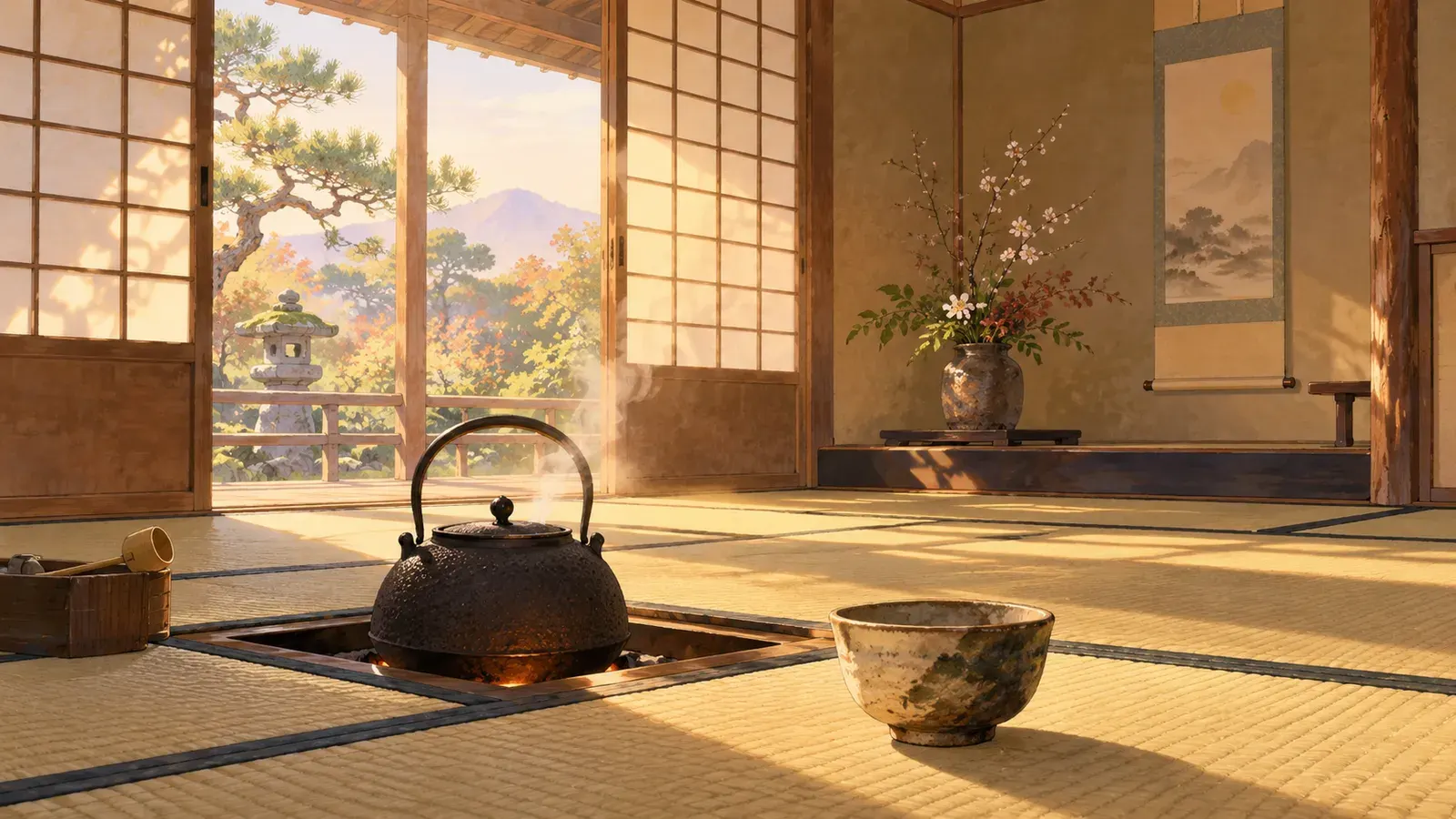
When a tea-master has arranged a flower to his satisfaction he will place it on the tokonoma, the place of honour in a Japanese room. Nothing else will be placed near it which might interfere with its effect, not even a painting, unless there be some special aesthetic reason for the combination. It rests there like an enthroned prince, and the guests or disciples on entering the room will salute it with a profound bow before making their addresses to the host. Drawings from masterpieces are made and published for the edification of amateurs. The amount of literature on the subject is quite voluminous. When the flower fades, the master tenderly consigns it to the river or carefully buries it in the ground. Monuments are sometimes erected to their memory.
茶人は、思いどおりに花を生けると、それを床の間に置く。日本の部屋の、いちばん格の高い場所である。花の効き目をそこなうようなものは、何もそばに置かない。取り合わせに特別な美のうえの理由がないかぎり、絵さえ置かない。花は、玉座についた王子のように、そこに鎮座する。客や弟子たちは部屋に入ると、主人にあいさつする前に、まず花に深々と頭を下げる。名人の作品は絵に描かれ、愛好家の手本として出版される。この道についての書物は、たいへんな数にのぼる。花がしおれると、宗匠は花をいたわるように川に流すか、ていねいに土に埋める。花をしのんで、碑が建てられることさえある。
The birth of the Art of Flower Arrangement seems to be simultaneous with that of Teaism in the fifteenth century. Our legends ascribe the first flower arrangement to those early Buddhist saints who gathered the flowers strewn by the storm and, in their infinite solicitude for all living things, placed them in vessels of water. It is said that Soami, the great painter and connoisseur of the court of Ashikaga-Yoshimasa, was one of the earliest adepts at it. Juko, the tea-master, was one of his pupils, as was also Senno, the founder of the house of Ikenobo, a family as illustrious in the annals of flowers as was that of the Kanos in painting. With the perfecting of the tea-ritual under Rikiu, in the latter part of the sixteenth century, flower arrangement also attains its full growth. Rikiu and his successors, the celebrated Oda-wuraka, Furuka-Oribe, Koyetsu, Kobori-Enshiu, Katagiri-Sekishiu, vied with each other in forming new combinations. We must remember, however, that the flower-worship of the tea-masters formed only a part of their aesthetic ritual, and was not a distinct religion by itself. A flower arrangement, like the other works of art in the tea-room, was subordinated to the total scheme of decoration. Thus Sekishiu ordained that white plum blossoms should not be made use of when snow lay in the garden. "Noisy" flowers were relentlessly banished from the tea-room. A flower arrangement by a tea-master loses its significance if removed from the place for which it was originally intended, for its lines and proportions have been specially worked out with a view to its surroundings.
生け花という芸術が生まれたのは、十五世紀に茶道が生まれたのと同じころらしい。日本の言い伝えでは、最初に花を生けたのは、昔の仏教の聖者たちだという。聖者たちは、嵐で散った花を拾い集め、生きとし生けるものへの限りない慈しみの心から、水を入れた器に生けたのである。足利義政の宮廷の偉大な画家で、目利きでもあった相阿弥(そうあみ)は、生け花の最初の名人のひとりだったという。茶人の珠光(じゅこう)はその弟子のひとりで、池坊(いけのぼう)家の祖である専応(せんのう)もそうだった。池坊家は、絵の世界の狩野家と同じように、花の歴史に名高い家柄である。十六世紀の後半、利休によって茶の儀式が完成するにつれて、生け花もまた、その頂点に達する。利休とその後継者たち、すなわち名高い織田有楽、古田織部、光悦、小堀遠州、片桐石州は、新しい取り合わせを生み出そうと競い合った。だが忘れてはならないのは、茶人たちの花へのあがめ方は、その美の儀式の一部にすぎず、それだけで独立した宗教ではなかったということである。生け花は、茶室のほかの美術品と同じように、部屋全体の飾りつけの構想に従うものだった。だから石州は、庭に雪が積もっているときには白梅を使ってはならない、と定めた。「騒がしい」花は、容赦なく茶室から追い出された。茶人の生け花は、もともと置くつもりだった場所から動かすと、意味を失ってしまう。その線の流れも、つり合いも、まわりとの関わりを考えて、特別に工夫されているからである。
The adoration of the flower for its own sake begins with the rise of "Flower-Masters," toward the middle of the seventeenth century. It now becomes independent of the tea-room and knows no law save that the vase imposes on it. New conceptions and methods of execution now become possible, and many were the principles and schools resulting therefrom. A writer in the middle of the last century said he could count over one hundred different schools of flower arrangement. Broadly speaking, these divide themselves into two main branches, the Formalistic and the Naturalesque. The Formalistic schools, led by the Ikenobos, aimed at a classic idealism corresponding to that of the Kano-academicians. We possess records of arrangements by the early masters of the school which almost reproduce the flower paintings of Sansetsu and Tsunenobu. The Naturalesque school, on the other hand, accepted nature as its model, only imposing such modifications of form as conduced to the expression of artistic unity. Thus we recognise in its works the same impulses which formed the Ukiyoe and Shijo schools of painting.
花を、花そのもののためにあがめるようになったのは、十七世紀の半ばごろ、「花の宗匠」が現れてからである。生け花は茶室から独立し、花瓶が課す決まりのほかは、何の決まりにも従わなくなった。新しい考え方や、新しい生け方ができるようになり、そこからたくさんの理論や流派が生まれた。前の世紀の半ばに、ある書き手は、生け花の流派は百以上も数えられる、と言っている。大きく分ければ、それらは二つの系統に分かれる。形式派と写実派である。池坊を筆頭とする形式派は、狩野派の画家たちの理想主義にあたる、古典的な理想を追い求めた。この流派の初期の宗匠たちの生け花の記録が残っているが、それはほとんど、山雪や常信の描いた花の絵をそのまま写したようなものである。一方、写実派は自然を手本とし、芸術としてのまとまりを表すのに役立つかぎりでだけ、形に手を加えた。だから写実派の作品には、浮世絵や四条派の絵を生み出したのと同じ心のはずみが見てとれる。
It would be interesting, had we time, to enter more fully than it is now possible into the laws of composition and detail formulated by the various flower-masters of this period, showing, as they would, the fundamental theories which governed Tokugawa decoration. We find them referring to the Leading Principle (Heaven), the Subordinate Principle (Earth), the Reconciling Principle (Man), and any flower arrangement which did not embody these principles was considered barren and dead. They also dwelt much on the importance of treating a flower in its three different aspects, the Formal, the Semi-Formal, and the Informal. The first might be said to represent flowers in the stately costume of the ballroom, the second in the easy elegance of afternoon dress, the third in the charming deshabille of the boudoir.
時間があれば、この時代のさまざまな花の宗匠たちが定めた、組み立て方や細かい決まりに、もっと深く立ち入ってみるのもおもしろいだろう。そこには、徳川時代の飾りつけを支配していた根本の考え方が表れているはずだからである。宗匠たちは、主となる原理(天)、従となる原理(地)、両者を調和させる原理(人)について語っている。この三つの原理をそなえていない生け花は、実りのない、死んだものとみなされた。また宗匠たちは、花を、真・行・草という三つの異なる姿で扱うことの大切さを、くり返し説いた。真は、舞踏会の堂々とした正装をまとった花。行は、午後の装いのくつろいだ優雅さをまとった花。草は、私室でのしどけない部屋着姿の魅力をたたえた花、と言えるかもしれない。
Our personal sympathies are with the flower-arrangements of the tea-master rather than with those of the flower-master. The former is art in its proper setting and appeals to us on account of its true intimacy with life. We should like to call this school the Natural in contradistinction to the Naturalesque and Formalistic schools. The tea-master deems his duty ended with the selection of the flowers, and leaves them to tell their own story. Entering a tea-room in late winter, you may see a slender spray of wild cherries in combination with a budding camellia; it is an echo of departing winter coupled with the prophecy of spring. Again, if you go into a noon-tea on some irritatingly hot summer day, you may discover in the darkened coolness of the tokonoma a single lily in a hanging vase; dripping with dew, it seems to smile at the foolishness of life.
われわれ自身は、花の宗匠の生け花よりも、茶人の生け花に心をひかれる。茶人の生け花は、ふさわしい場所に置かれた芸術であり、暮らしと本当に親しく結びついているから、心に訴えるのである。この流派を、写実派や形式派と区別して、自然派と呼びたい。茶人は、花を選べば自分のつとめは終わったと考え、あとは花自身に物語を語らせる。冬の終わりに茶室に入ると、ほっそりとした山桜の小枝が、つぼみのふくらんだ椿と取り合わせてあるかもしれない。それは、去っていく冬のこだまであり、同時に、やってくる春を告げるものでもある。また、いらいらするほど暑い夏の日に、昼の茶会に行けば、暗く涼しい床の間に、掛け花入れに生けた一輪の百合が見つかるかもしれない。露をしたたらせた百合は、人生の愚かさにほほえんでいるように見える。
A solo of flowers is interesting, but in a concerto with painting and sculpture the combination becomes entrancing. Sekishiu once placed some water-plants in a flat receptacle to suggest the vegetation of lakes and marshes, and on the wall above he hung a painting by Soami of wild ducks flying in the air. Shoha, another tea-master, combined a poem on the Beauty of Solitude by the Sea with a bronze incense burner in the form of a fisherman's hut and some wild flowers of the beach. One of the guests has recorded that he felt in the whole composition the breath of waning autumn.
花の独奏もおもしろいが、絵や彫刻との協奏になると、その取り合わせはうっとりするほどすばらしいものになる。あるとき石州は、平たい水盤に水草を生けて、湖や沼の草木を思わせた。そして、その上の壁に、空を飛ぶ野鴨を描いた相阿弥の絵を掛けた。紹巴(じょうは)という別の茶人は、海辺の寂しさの美しさをうたった歌に、漁師の小屋の形をした青銅の香炉と、浜辺の野の花をいくつか取り合わせた。客のひとりは、その取り合わせ全体に、過ぎゆく秋の息吹を感じた、と書き残している。
Flower stories are endless. We shall recount but one more. In the sixteenth century the morning-glory was as yet a rare plant with us. Rikiu had an entire garden planted with it, which he cultivated with assiduous care. The fame of his convulvuli reached the ear of the Taiko, and he expressed a desire to see them, in consequence of which Rikiu invited him to a morning tea at his house. On the appointed day Taiko walked through the garden, but nowhere could he see any vestige of the convulvulus. The ground had been leveled and strewn with fine pebbles and sand. With sullen anger the despot entered the tea-room, but a sight waited him there which completely restored his humour. On the tokonoma, in a rare bronze of Sung workmanship, lay a single morning-glory—the queen of the whole garden!
花の話は尽きない。もうひとつだけ話そう。十六世紀には、朝顔は日本ではまだ珍しい植物だった。利休は庭一面に朝顔を植え、根気よく手をかけて育てていた。その朝顔の評判が太閤の耳に入り、太閤はぜひ見たいと言った。そこで利休は、太閤を自分の家の朝の茶会に招いた。約束の日、太閤は庭を歩いてみたが、どこにも朝顔の影も形もなかった。地面は平らにならされ、細かい小石と砂が敷きつめてあった。この独裁者は、むっつりと腹を立てて茶室に入った。ところが、そこには、太閤の機嫌をすっかり直すものが待っていた。床の間に、宋の時代の珍しい青銅の器があり、そこに一輪の朝顔が生けてあったのである。庭じゅうの朝顔の女王ともいうべき一輪であった!
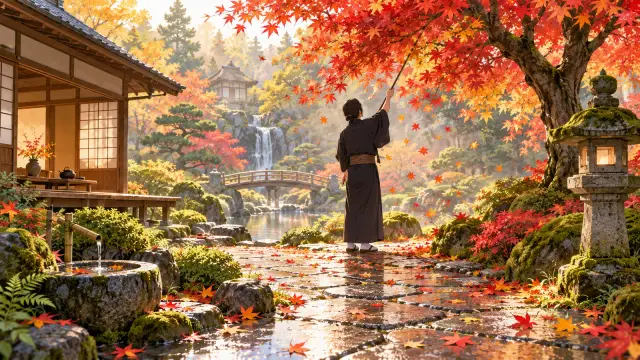
In such instances we see the full significance of the Flower Sacrifice. Perhaps the flowers appreciate the full significance of it. They are not cowards, like men. Some flowers glory in death—certainly the Japanese cherry blossoms do, as they freely surrender themselves to the winds. Anyone who has stood before the fragrant avalanche at Yoshino or Arashiyama must have realized this. For a moment they hover like bejewelled clouds and dance above the crystal streams; then, as they sail away on the laughing waters, they seem to say: "Farewell, O Spring! We are on to eternity."
こうした例に、われわれは花の犠牲の意味を、十分に見ることができる。花たち自身も、その意味を十分にわかっているのかもしれない。花は、人間のような臆病者ではない。死をほこりとする花もある。日本の桜は、たしかにそうだ。桜は惜しげもなく、風に身をまかせるのだから。吉野や嵐山で、かぐわしい花の雪崩の前に立ったことのある人なら、誰でもそれを感じたにちがいない。ほんのひととき、花びらは宝石をちりばめた雲のようにただよい、水晶のように澄んだ流れの上を舞う。そして、笑いさざめく水の上を流れ去りながら、こう言っているように見える。「さらば、春よ! われらは永遠へと向かうのだ」