



本文へ
はじめに
← 展示室の一覧
Romanticism · 1780s–1860s

ロマン主義

嵐、炎、果てしない自然。心をゆさぶる感情の絵。Storms, fire and endless nature. Paintings full of feeling.

ホー!嵐の音が聞こえてきそう。この部屋ではカサを持ってね。

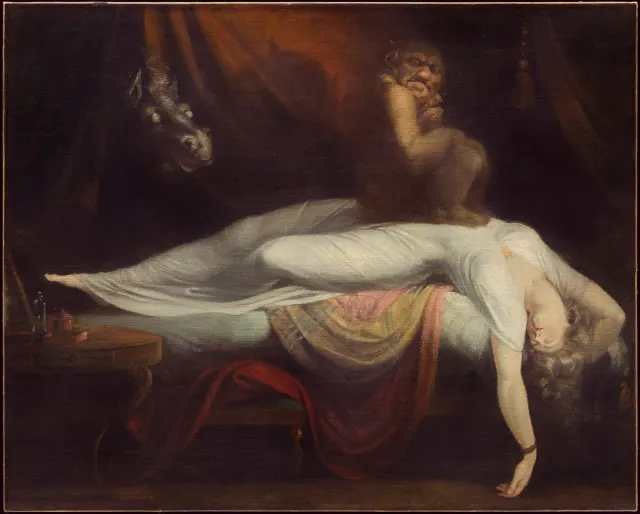
夢魔
夢魔The Nightmareヨハン・ハインリヒ・フュースリ(ヘンリー・フューズリ)・1781
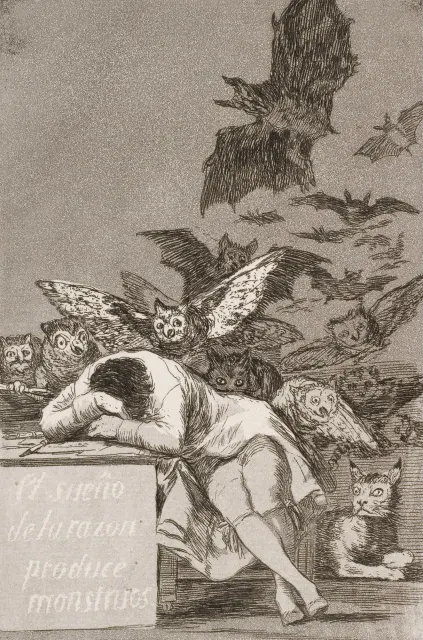
理性の眠りは怪物を生む
理性の眠りは怪物を生むThe Sleep of Reason Produces Monstersフランシスコ・デ・ゴヤ・1799
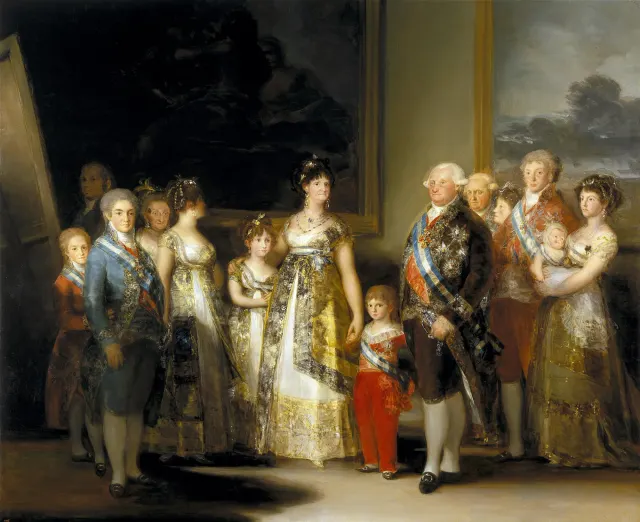
カルロス4世の家族
カルロス4世の家族The Family of Charles IVフランシスコ・デ・ゴヤ・1800
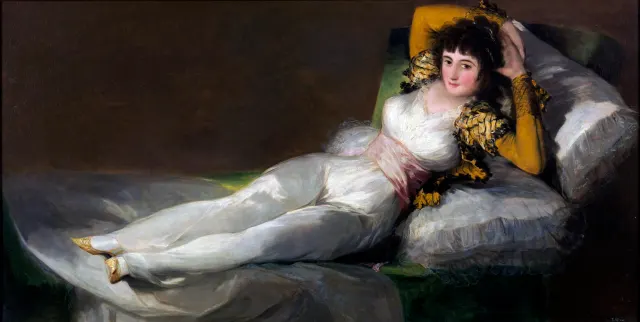
着衣のマハ
着衣のマハThe Clothed Majaフランシスコ・デ・ゴヤ・c. 1800–1807
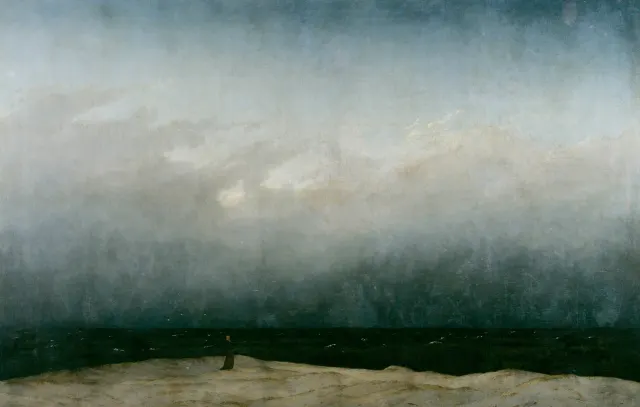
海辺の修道士
海辺の修道士The Monk by the Seaカスパー・ダーヴィト・フリードリヒ・1808–1810
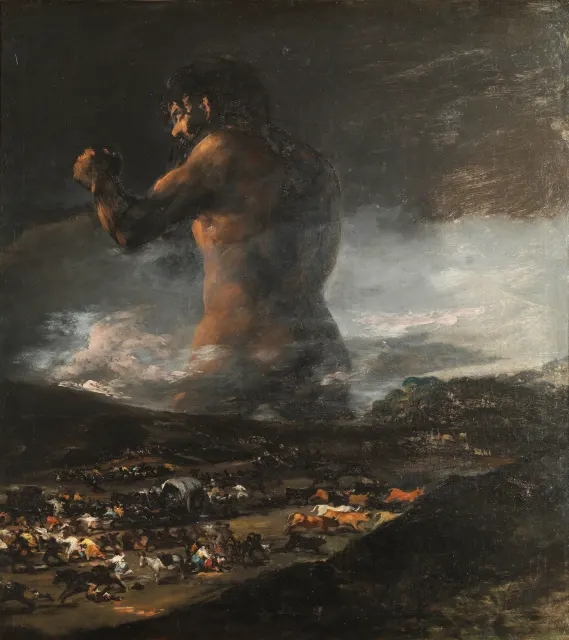
巨人
巨人The Colossusフランシスコ・デ・ゴヤ(とされる)・after 1808
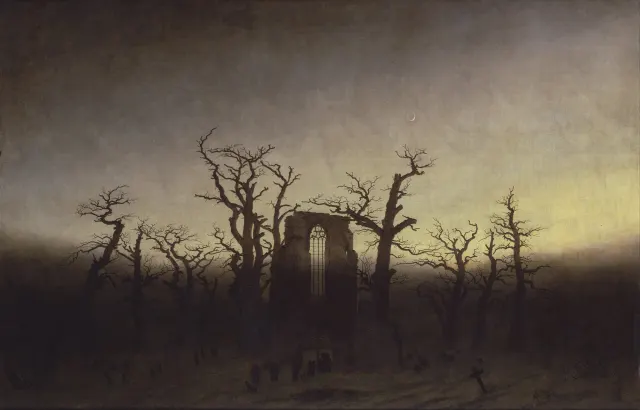
樫の森の中の修道院
樫の森の中の修道院The Abbey in the Oakwoodカスパー・ダーヴィト・フリードリヒ・1809–1810
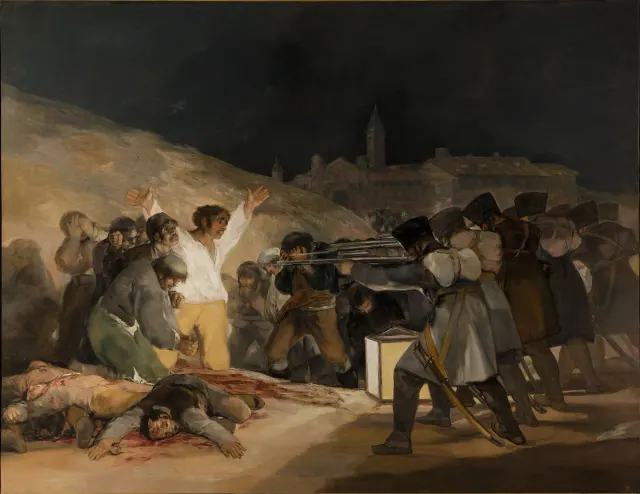
1808年5月3日
1808年5月3日The Third of May 1808フランシスコ・デ・ゴヤ・1814
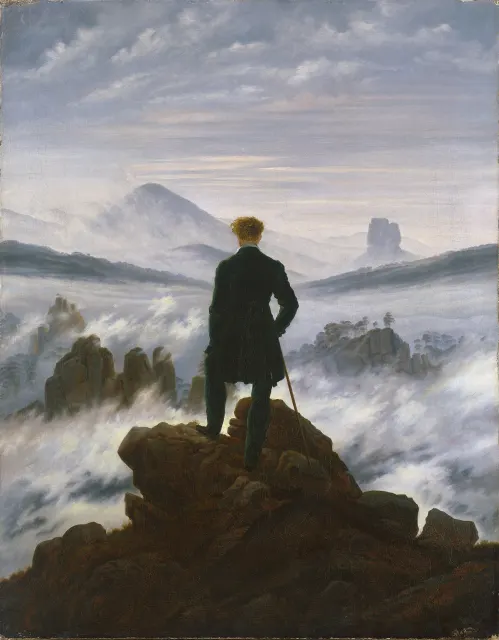
雲海の上の旅人
雲海の上の旅人Wanderer above the Sea of Fogカスパー・ダーヴィト・フリードリヒ・c. 1817
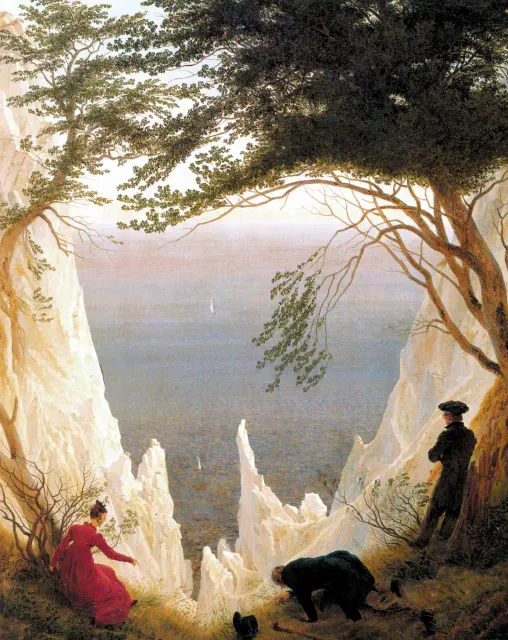
リューゲン島の白亜の断崖
リューゲン島の白亜の断崖Chalk Cliffs on Rügenカスパー・ダーヴィト・フリードリヒ・c. 1818
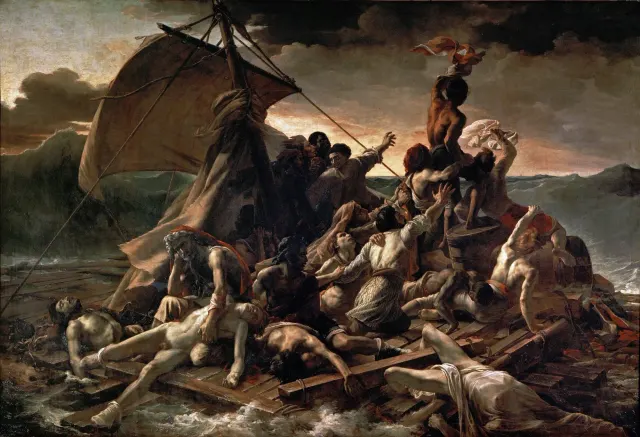
メデューズ号の筏
メデューズ号の筏The Raft of the Medusaテオドール・ジェリコー・1818–1819
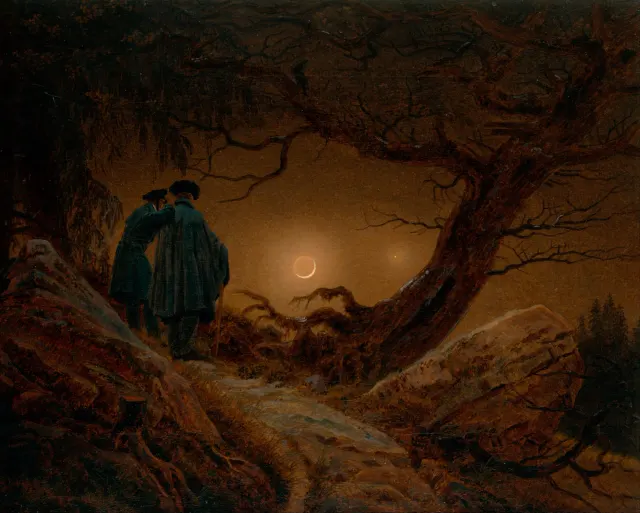
月を眺める二人の男
月を眺める二人の男Two Men Contemplating the Moonカスパー・ダーヴィト・フリードリヒ・1819–1820
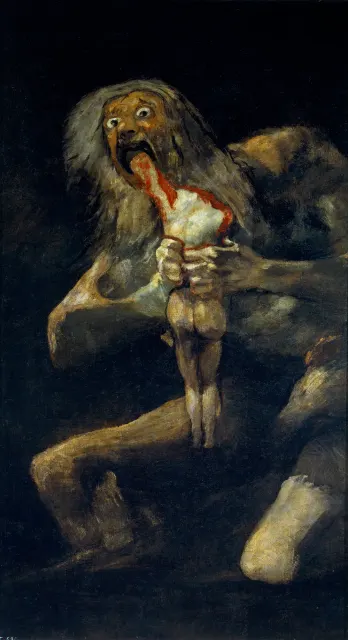
我が子を食らうサトゥルヌス
我が子を食らうサトゥルヌスSaturn Devouring His Sonフランシスコ・デ・ゴヤ・c. 1820–1823
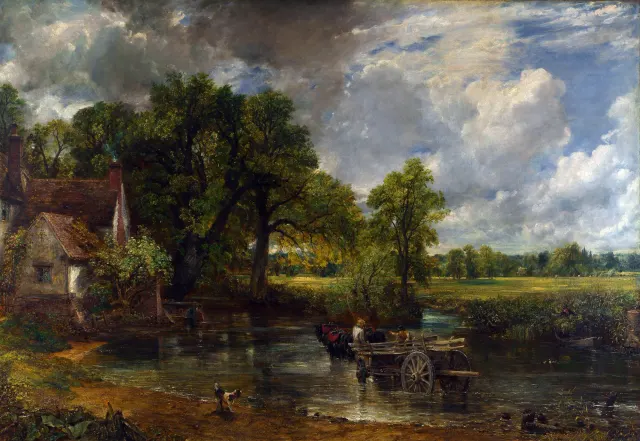
干し草車
干し草車The Hay Wainジョン・コンスタブル・1821
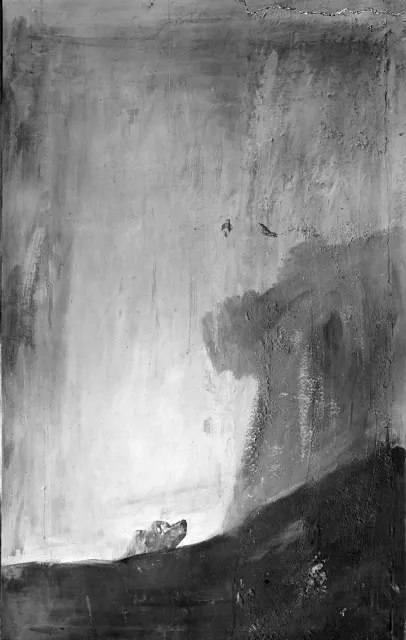
犬
犬The Dogフランシスコ・デ・ゴヤ・1820–1823
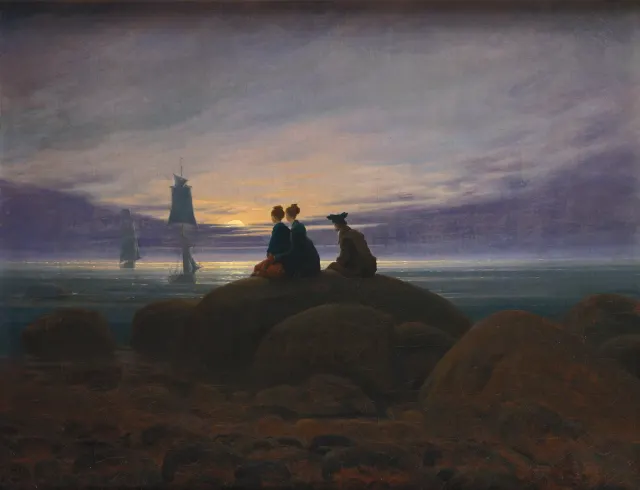
海辺の月の出
海辺の月の出Moonrise over the Seaカスパー・ダーヴィト・フリードリヒ・1822
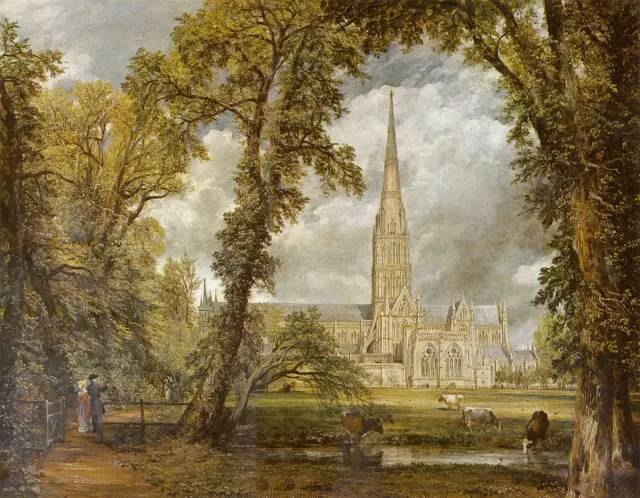
主教の庭から見たソールズベリー大聖堂
主教の庭から見たソールズベリー大聖堂Salisbury Cathedral from the Bishop's Groundsジョン・コンスタブル・1823
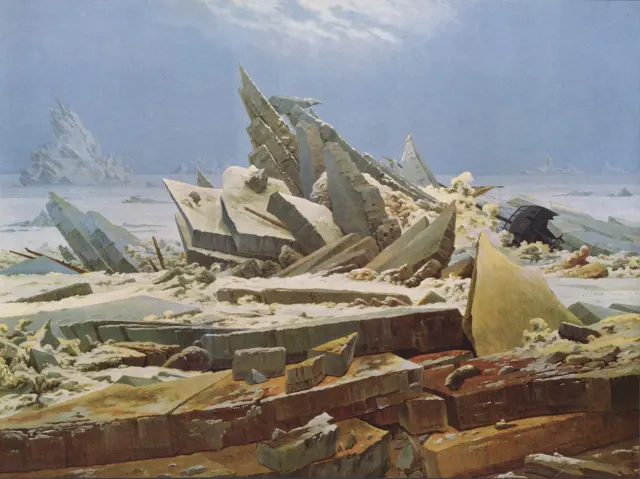
氷の海
氷の海The Sea of Iceカスパー・ダーヴィト・フリードリヒ・1823–1824
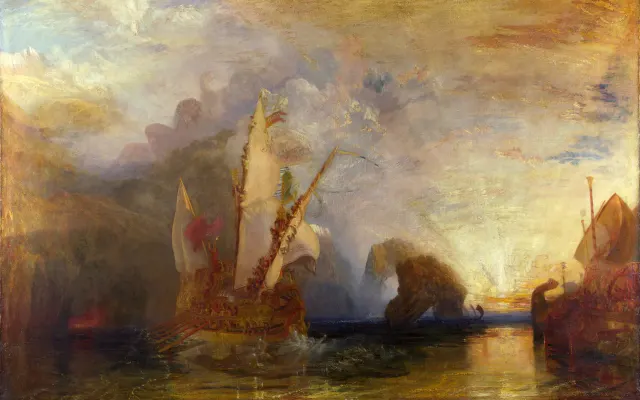
ポリュフェモスをあざけるユリシーズ
ポリュフェモスをあざけるユリシーズUlysses deriding Polyphemus – Homer's OdysseyJ・M・W・ターナー・1829
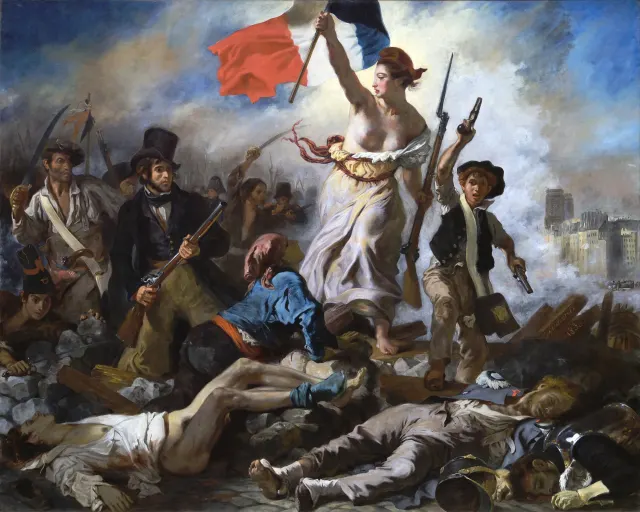
民衆を導く自由の女神
民衆を導く自由の女神Liberty Leading the Peopleウジェーヌ・ドラクロワ・1830
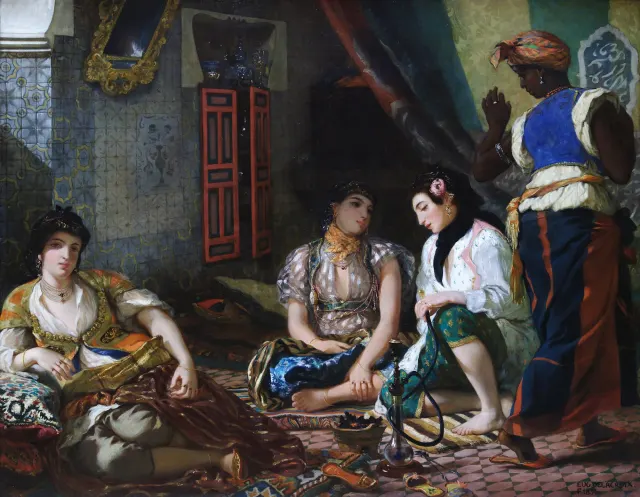
アルジェの女たち
アルジェの女たちWomen of Algiers in Their Apartmentウジェーヌ・ドラクロワ・1834
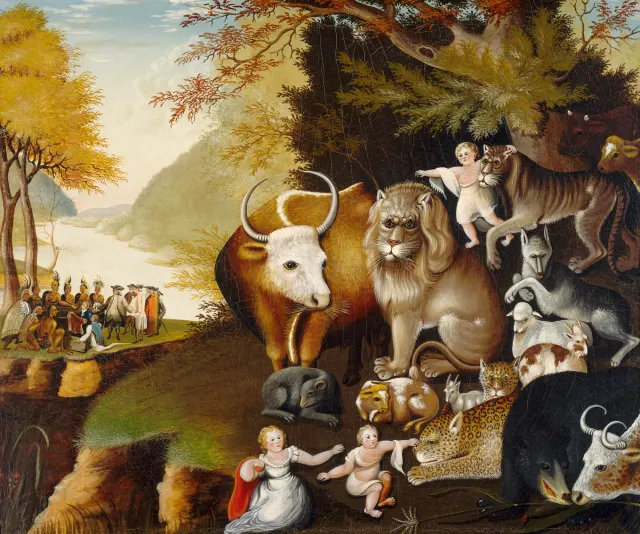
平和な王国
平和な王国The Peaceable Kingdomエドワード・ヒックス・c. 1834
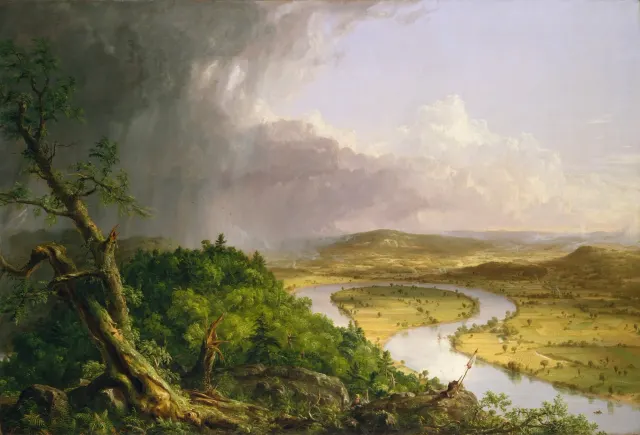
オックスボウ(雷雨のあとのホリヨーク山からの眺め)
オックスボウ(雷雨のあとのホリヨーク山からの眺め)The Oxbowトマス・コール・1836
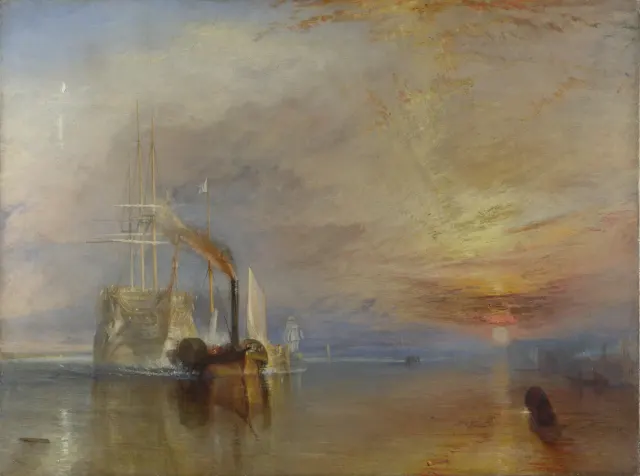
解体されるために最後の停泊地に曳かれてゆく戦艦テメレール号
解体されるために最後の停泊地に曳かれてゆく戦艦テメレール号The Fighting TemeraireJ・M・W・ターナー・1839
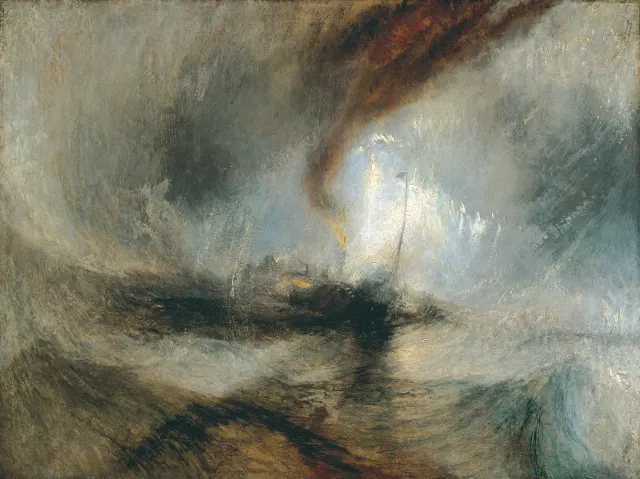
吹雪――港の沖の蒸気船
吹雪――港の沖の蒸気船Snow Storm – Steam-Boat off a Harbour's Mouthジョゼフ・マロード・ウィリアム・ターナー・1842
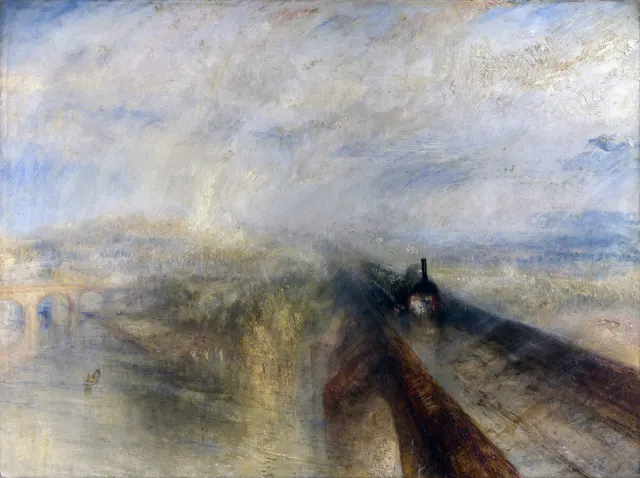
雨、蒸気、速度――グレート・ウェスタン鉄道
雨、蒸気、速度――グレート・ウェスタン鉄道Rain, Steam and Speed – The Great Western RailwayJ・M・W・ターナー・1844
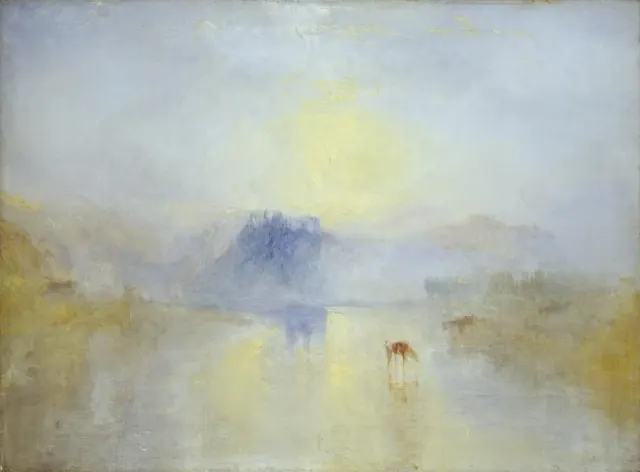
ノラム城、日の出
ノラム城、日の出Norham Castle, SunriseJ・M・W・ターナー・c. 1845
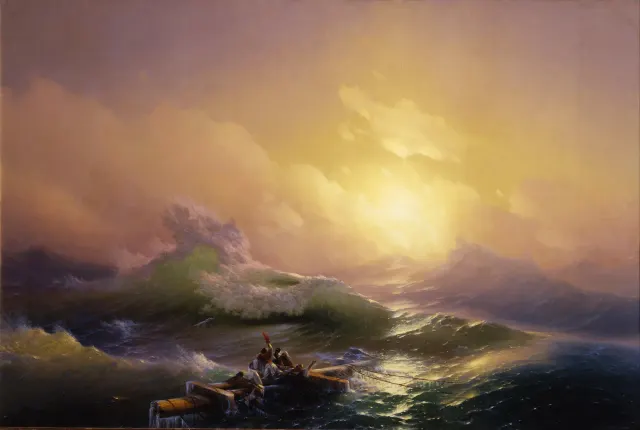
第九の波濤
第九の波濤The Ninth Waveイヴァン・アイヴァゾフスキー・1850
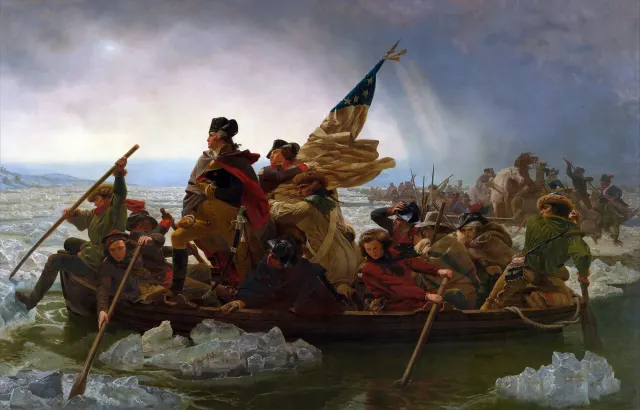
デラウェア川を渡るワシントン
デラウェア川を渡るワシントンWashington Crossing the Delawareエマヌエル・ロイツェ・1851
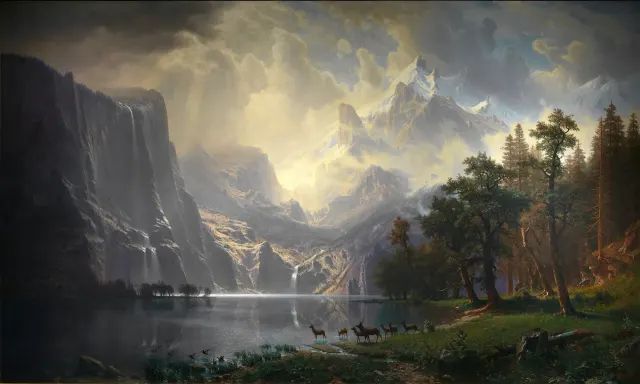
シエラネバダ山脈にて
シエラネバダ山脈にてAmong the Sierra Nevada, Californiaアルバート・ビアスタット・1868
表示 この展示室のワークシート

この展示室について

About

18世紀の終わりから19世紀の前半、ヨーロッパは革命と戦争にゆれていました。理性や規則を重んじた新古典主義に対して、ロマン主義の画家たちは、人間の感情や想像力、そして人の力ではかなわない大自然のおそろしさと美しさを描こうとしました。正しさよりも「心が感じたこと」を大切にした芸術です。

From the late 18th to the mid-19th century, Europe was shaken by revolution and war. Neoclassicism valued reason and rules, but Romantic painters wanted to show human emotion, imagination and the terrifying beauty of nature, far greater than human power. It was art that valued what the heart feels over what is 'correct'.

フランスのジェリコーは実際に起きた難破事件を『メデューズ号の筏』に描き、ドラクロワは『民衆を導く自由の女神』で1830年の七月革命を情熱的に描きました。スペインのゴヤは、戦争のおそろしさや人の心の闇を見つめました。ドイツのフリードリヒは、霧や海の前に立つ小さな人の後ろ姿で、自然への畏れを表しました。

In France, Géricault painted a real shipwreck in The Raft of the Medusa, and Delacroix showed the July Revolution of 1830 with passion in Liberty Leading the People. In Spain, Goya looked hard at the horrors of war and the dark side of the human mind. In Germany, Caspar David Friedrich painted small figures seen from behind, facing fog or the sea, to show awe before nature.

イギリスでは、ターナーが光と嵐と蒸気を、形がとけるほど大胆な筆で描き、コンスタブルはふるさとの田園の空や雲を細やかに見つめました。海の向こうのアメリカでは、トマス・コールに始まる「ハドソン・リバー派」が、雄大な風景を手つかずの自然のように描き、新しい国の誇りとしました。ただ、そこは先住民が長く暮らしてきた土地でもありました。

In Britain, Turner painted light, storms and steam with such bold brushwork that solid forms seem to melt. Constable studied the skies and clouds of his home countryside with great care. Across the ocean, the Hudson River School, begun by Thomas Cole, painted America's vast landscapes as untouched wilderness and a source of national pride. But these lands had long been home to Indigenous peoples.

🌙 閉館後の展示室で…

閉館だ!やっと霧の向こうに何があるか見に行ける。…まだ霧だった。

We're closed! Now I can see what's beyond the fog. ...Oh. More fog.

見分けるポイント

How to Spot It
  1. 嵐、荒れた海、霧、雪山など、人間よりはるかに大きな自然。Nature far bigger than people: storms, wild seas, fog or snowy peaks.
  2. 小さな人の後ろ姿が、広い風景を見つめている。A small figure, seen from behind, gazes at a vast view.
  3. 筆のタッチがはげしく、色や光が渦をまく。Wild brushstrokes, with color and light swirling together.
  4. 革命・戦争・難破など、感情をゆさぶる劇的な事件。Dramatic events like revolutions, wars or shipwrecks.
  5. 夕焼けや朝もやなど、光と空のドラマが主役。The drama of light and sky, like sunsets or morning mist, takes center stage.

英語で語る美術用語

Art Words
the sublime
崇高

大自然を前に感じる、おそろしさとまじった深い感動。ロマン主義の大切な考え。A deep feeling of awe mixed with fear before mighty nature. A key Romantic idea.

Rückenfigur
後ろ姿の人物

ドイツ語で「背中の人物」。見る人が絵の人物と同じ景色を見ている気分になる。German for 'back figure'. It lets us share the view of the person in the painting.

landscape
風景画

自然の景色を主役にした絵。ロマン主義の時代に大きく発展した。A painting with natural scenery as its main subject. It grew greatly in the Romantic era.

Hudson River School
ハドソン・リバー派

19世紀アメリカで、大自然を雄大に描いた画家たち。ニューヨークのハドソン川から。19th-century American painters of grand wilderness, named after New York's Hudson River.

えっ!?な裏ネタ

Secrets

展示室クイズ

Quiz

Q. フリードリヒの絵によく登場するのは?What often appears in Friedrich's paintings?

Q. アメリカの大自然を雄大に描いた画家たちのグループは?Which group painted America's grand wilderness?