

 PDF をダウンロード
Romanticism
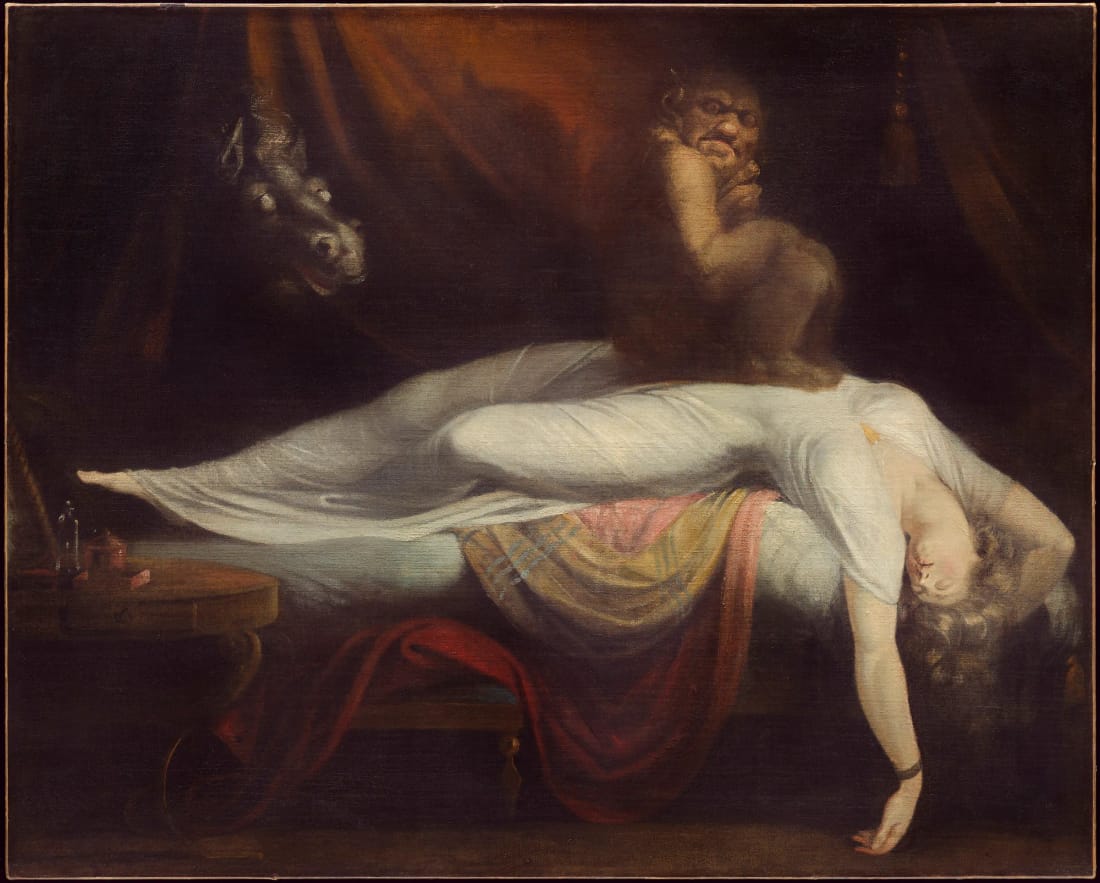
Henry Fuseli, 1781
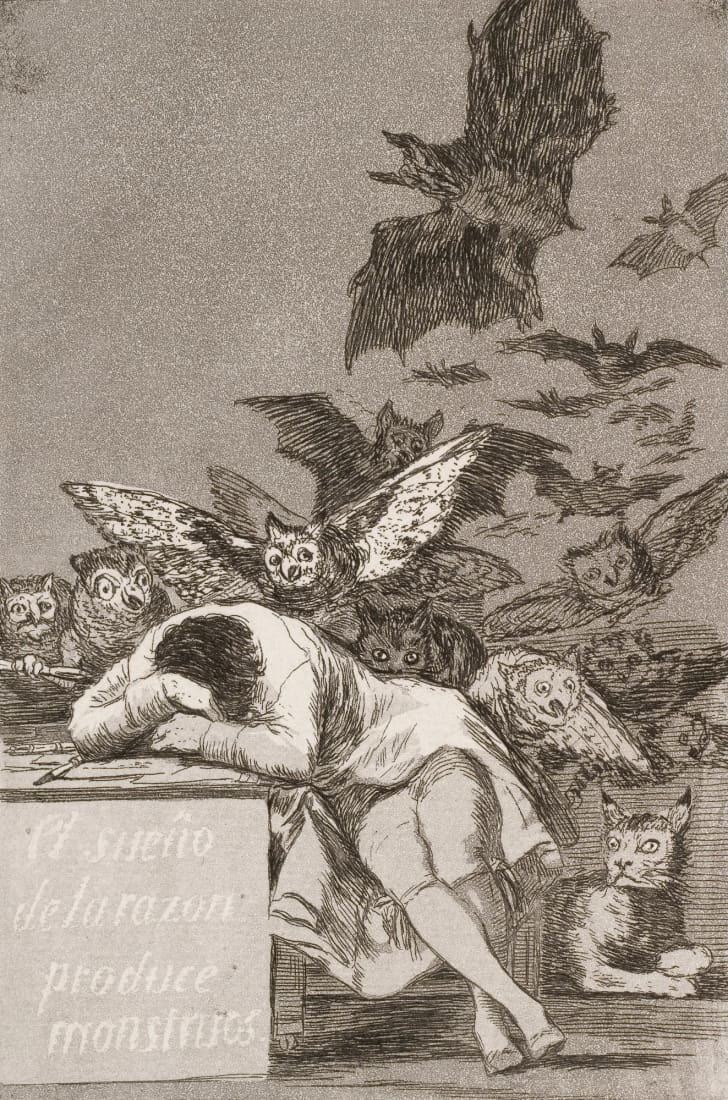
Francisco de Goya, 1799
1 How to spot it 2つの絵で見つけたら ✓ をつけよう。
| A | B | |
|---|---|---|
| Nature far bigger than people: storms, wild seas, fog or snowy peaks. | ☐ | ☐ |
| A small figure, seen from behind, gazes at a vast view. | ☐ | ☐ |
| Wild brushstrokes, with color and light swirling together. | ☐ | ☐ |
| Dramatic events like revolutions, wars or shipwrecks. | ☐ | ☐ |
| The drama of light and sky, like sunsets or morning mist, takes center stage. | ☐ | ☐ |
2 Read 英文を読もう。
From the late 18th to the mid-19th century, Europe was shaken by revolution and war. Neoclassicism valued reason and rules, but Romantic painters wanted to show human emotion, imagination and the terrifying beauty of nature, far greater than human power. It was art that valued what the heart feels over what is 'correct'.
Write one thing you learned:
Romanticism
3 Art words — Match them. 英語と日本語を線で結ぼう。
- the sublime ●
- Rückenfigur ●
- landscape ●
- Hudson River School ●
- ● 風景画
- ● ハドソン・リバー派
- ● 崇高
- ● 後ろ姿の人物
4 Quiz
What often appears in Friedrich's paintings?
- Figures seen from behind
- Portraits of kings
- Baskets of fruit
- Laughing angels
5 Quiz
Which group painted America's grand wilderness?
- The Nabis
- The Pre-Raphaelites
- The Hudson River School
- The Barbizon School
6 Which do you like better, A or B? Why? AとB、どちらが好き?理由も英語で。
I like ____ better because ________________________________.
Answers & Notes
1 How to spot it(訳)
- Nature far bigger than people: storms, wild seas, fog or snowy peaks.
嵐、荒れた海、霧、雪山など、人間よりはるかに大きな自然。 - A small figure, seen from behind, gazes at a vast view.
小さな人の後ろ姿が、広い風景を見つめている。 - Wild brushstrokes, with color and light swirling together.
筆のタッチがはげしく、色や光が渦をまく。 - Dramatic events like revolutions, wars or shipwrecks.
革命・戦争・難破など、感情をゆさぶる劇的な事件。 - The drama of light and sky, like sunsets or morning mist, takes center stage.
夕焼けや朝もやなど、光と空のドラマが主役。
A:夢魔 B:理性の眠りは怪物を生む
2 Read(訳)
18世紀の終わりから19世紀の前半、ヨーロッパは革命と戦争にゆれていました。理性や規則を重んじた新古典主義に対して、ロマン主義の画家たちは、人間の感情や想像力、そして人の力ではかなわない大自然のおそろしさと美しさを描こうとしました。正しさよりも「心が感じたこと」を大切にした芸術です。
3 Art words
1–c(the sublime=崇高:大自然を前に感じる、おそろしさとまじった深い感動。ロマン主義の大切な考え。)
2–d(Rückenfigur=後ろ姿の人物:ドイツ語で「背中の人物」。見る人が絵の人物と同じ景色を見ている気分になる。)
3–a(landscape=風景画:自然の景色を主役にした絵。ロマン主義の時代に大きく発展した。)
4–b(Hudson River School=ハドソン・リバー派:19世紀アメリカで、大自然を雄大に描いた画家たち。ニューヨークのハドソン川から。)
4 Quiz
A 問:フリードリヒの絵によく登場するのは?
選択肢:A 後ろ姿の人物/B 王様の肖像/C 果物のかご/D 笑う天使
解説:見る人が、絵の中の人と同じ景色を見つめている気持ちになれます。
5 Quiz
C 問:アメリカの大自然を雄大に描いた画家たちのグループは?
選択肢:A ナビ派/B ラファエル前派/C ハドソン・リバー派/D バルビゾン派
解説:トマス・コールに始まり、ニューヨーク州のハドソン川流域の風景などを描きました。
Fun Fact(訳)
ターナーはマストにしばられて嵐を見た? 『吹雪―港の沖の蒸気船』について、ターナーは「嵐を観察するため、4時間マストに体をしばりつけてもらった」と語ったと伝えられます。ただ、この話が本当かどうかは、研究者のあいだでも疑問視されています。
