



本文へ
はじめに
← 展示室の一覧
Special Gallery: Japonisme · 1850s–1910s

特別展示室「ジャポニスム」

浮世絵がパリを変えた!ゴッホもモネも夢中になった日本。Ukiyo-e changed Paris! The Japan that Van Gogh and Monet fell for.

ホー!日本の浮世絵が、海をこえて世界の画家たちの先生になったんだ。

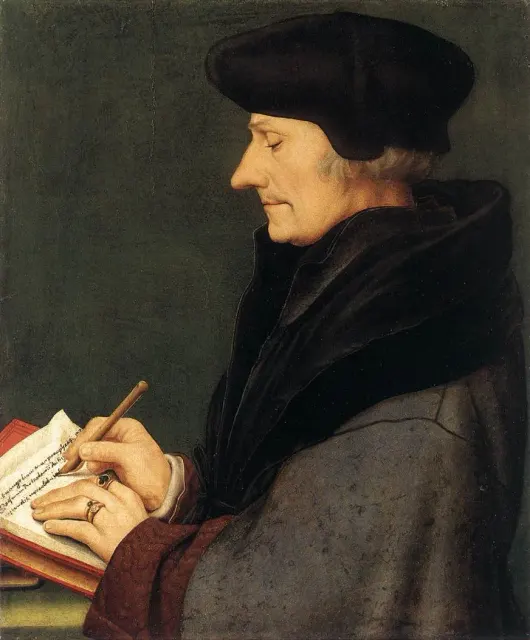
書き物をするエラスムス
書き物をするエラスムスErasmus of Rotterdam Writingハンス・ホルバイン(子)・1523
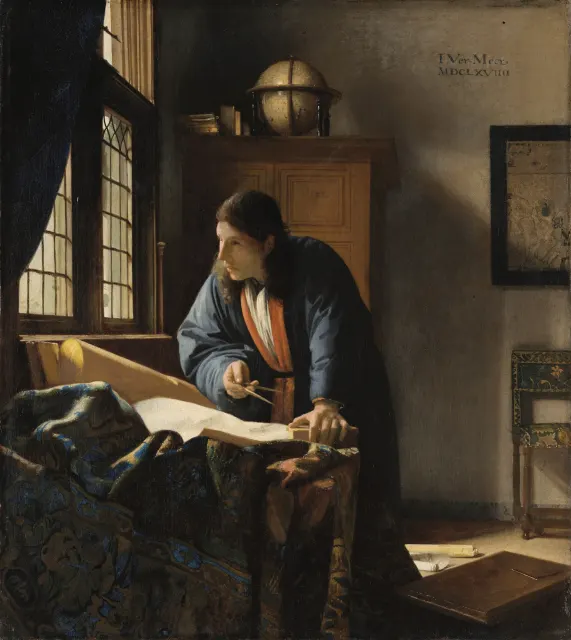
地理学者
地理学者The Geographerヨハネス・フェルメール・1669
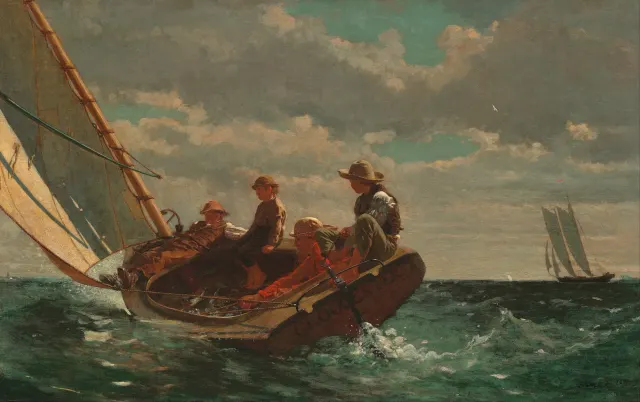
そよ風(順風)
そよ風(順風)Breezing Up (A Fair Wind)ウィンスロー・ホーマー・1873–1876
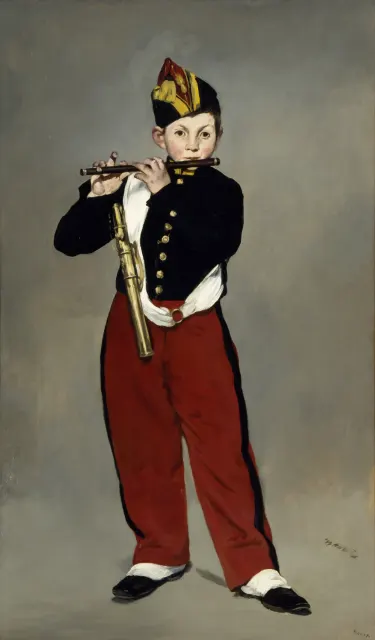
笛を吹く少年
笛を吹く少年The Fiferエドゥアール・マネ・1866
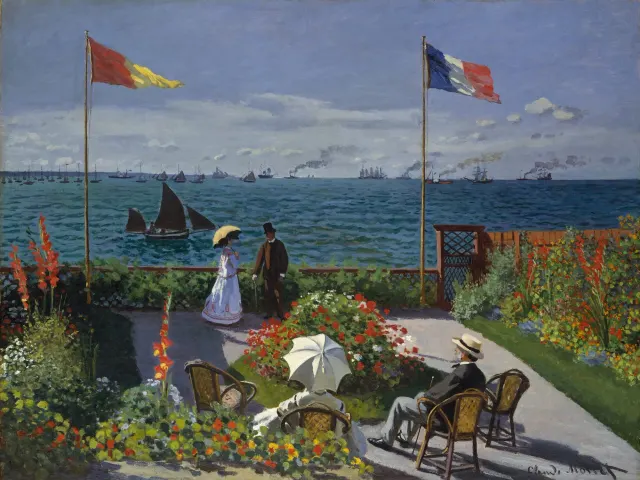
サン=タドレスのテラス
サン=タドレスのテラスGarden at Sainte-Adresseクロード・モネ・1867
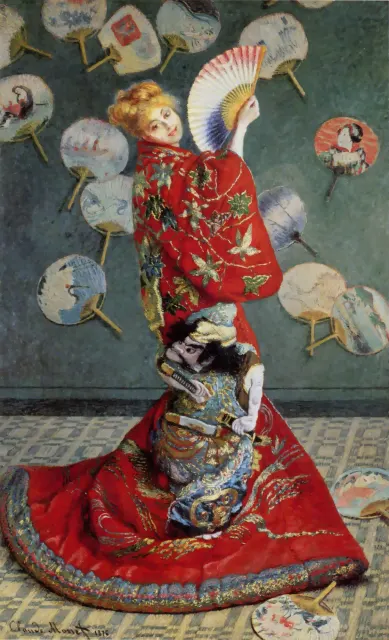
ラ・ジャポネーズ
ラ・ジャポネーズLa Japonaiseクロード・モネ・1876
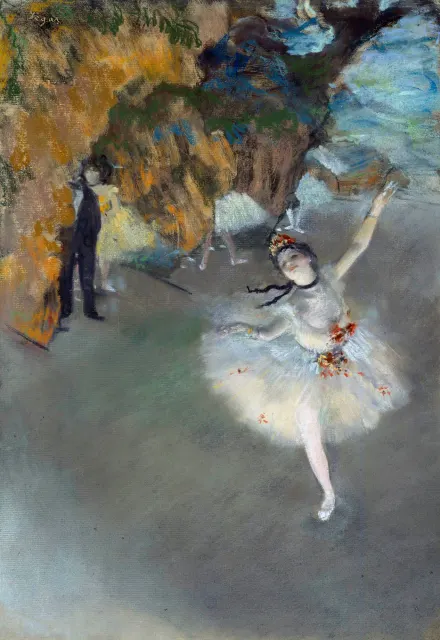
エトワール(舞台の踊り子)
エトワール(舞台の踊り子)The Star (Dancer on Stage)エドガー・ドガ・c. 1876–1877
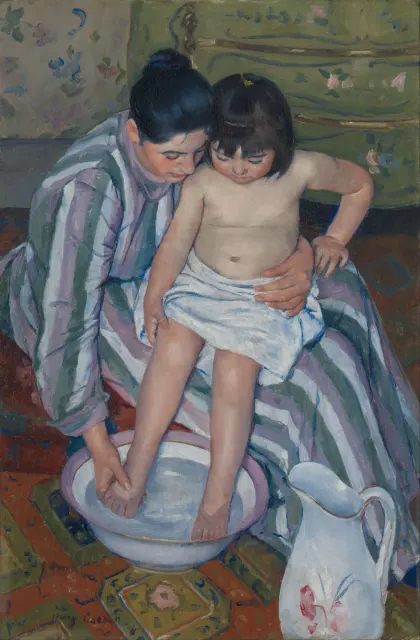
子どもの入浴
子どもの入浴The Child's Bathメアリー・カサット・1893
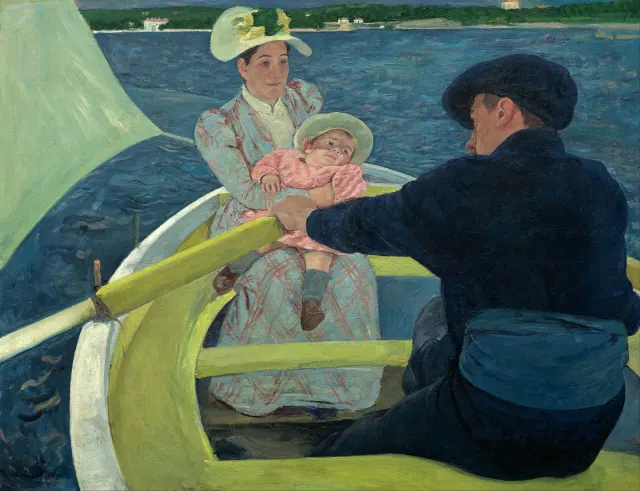
舟遊び
舟遊びThe Boating Partyメアリー・カサット・1893–1894
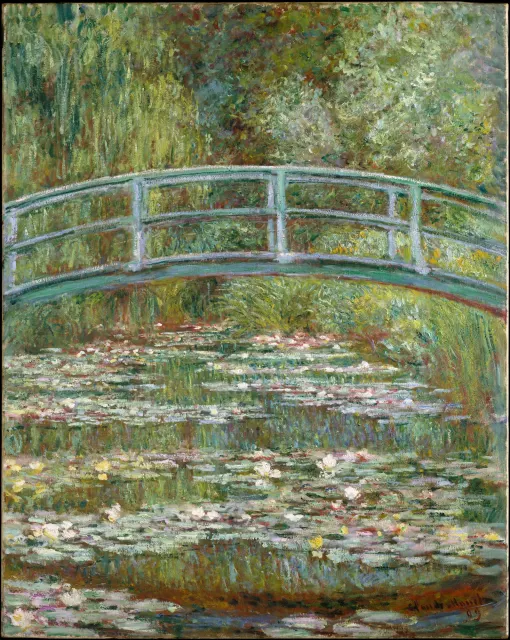
睡蓮の池と日本の橋
睡蓮の池と日本の橋Bridge over a Pond of Water Liliesクロード・モネ・1899
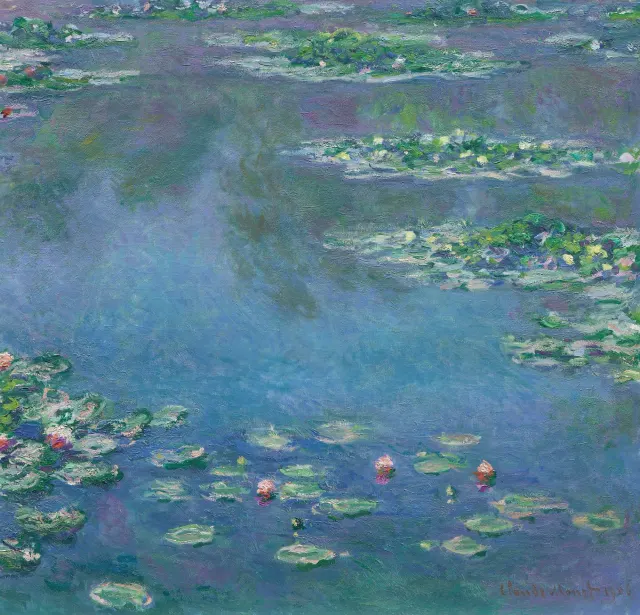
睡蓮
睡蓮Water Liliesクロード・モネ・1906
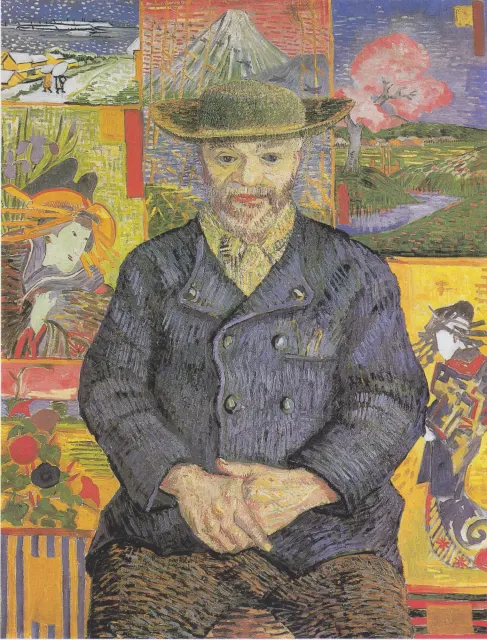
タンギー爺さん
タンギー爺さんPortrait of Père Tanguyフィンセント・ファン・ゴッホ・1887
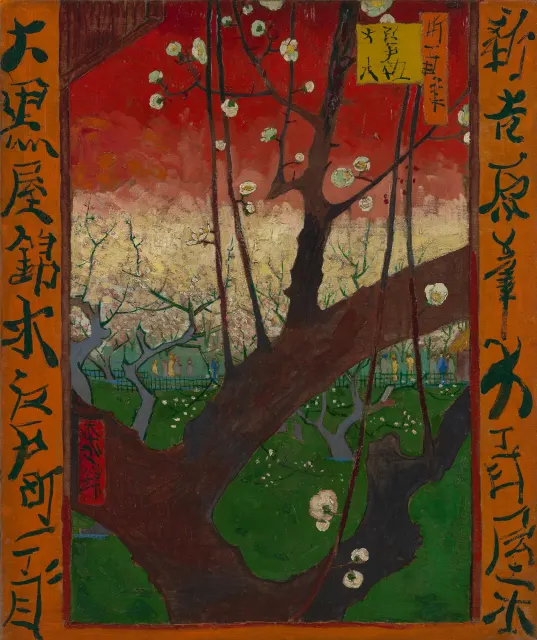
花咲く梅の木(広重による)
花咲く梅の木(広重による)Flowering Plum Orchard (after Hiroshige)フィンセント・ファン・ゴッホ・1887
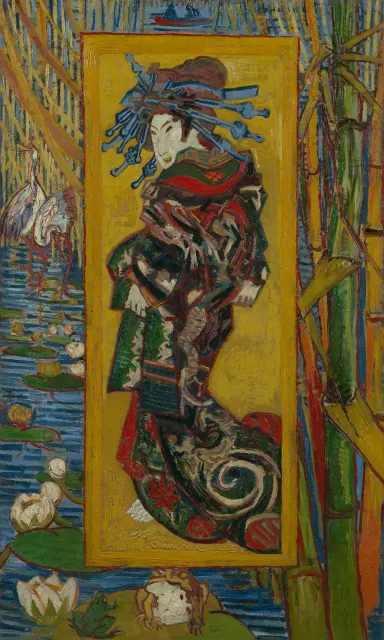
花魁(渓斎英泉による)
花魁(渓斎英泉による)Courtesan (after Eisen)フィンセント・ファン・ゴッホ・1887
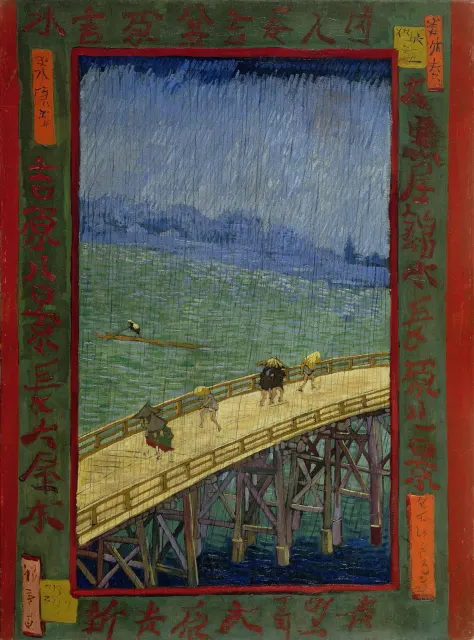
雨の大橋(広重による)
雨の大橋(広重による)Bridge in the Rain (after Hiroshige)フィンセント・ファン・ゴッホ・1887
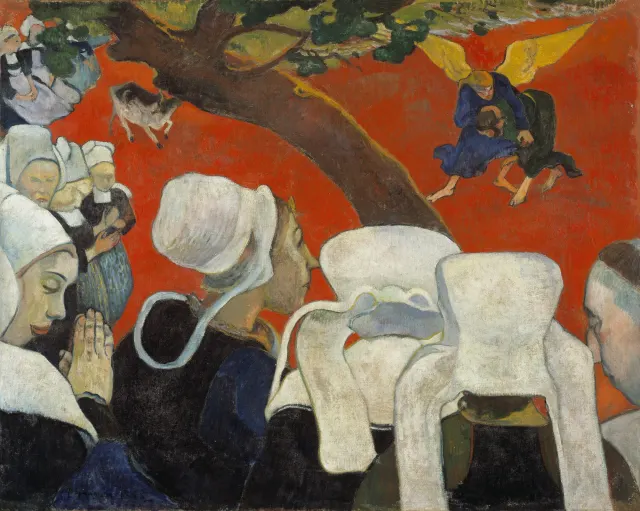
説教のあとの幻影(ヤコブと天使の闘い)
説教のあとの幻影(ヤコブと天使の闘い)Vision after the Sermon (Jacob Wrestling with the Angel)ポール・ゴーギャン・1888
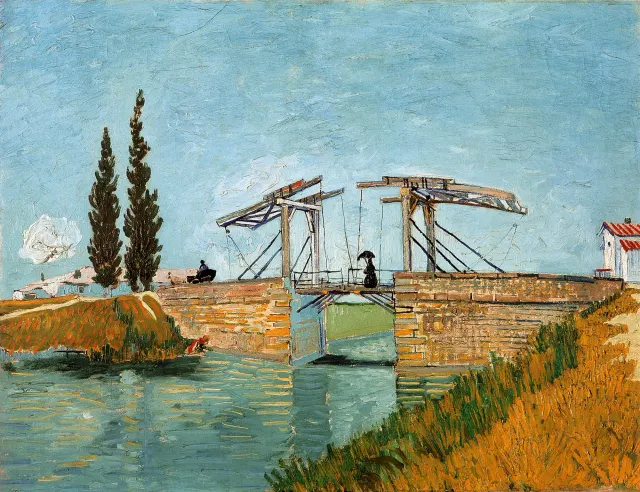
アルルの跳ね橋
アルルの跳ね橋The Langlois Bridge at Arlesフィンセント・ファン・ゴッホ・1888
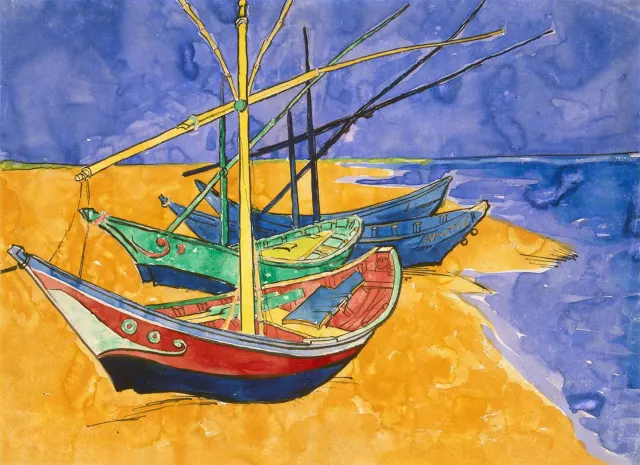
サント=マリーの浜の漁船
サント=マリーの浜の漁船Fishing Boats on the Beach at Saintes-Mariesフィンセント・ファン・ゴッホ・1888
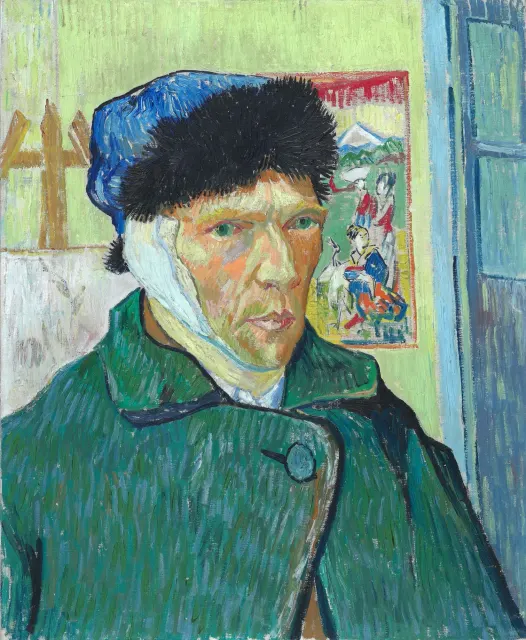
耳に包帯をした自画像
耳に包帯をした自画像Self-Portrait with Bandaged Earフィンセント・ファン・ゴッホ・1889
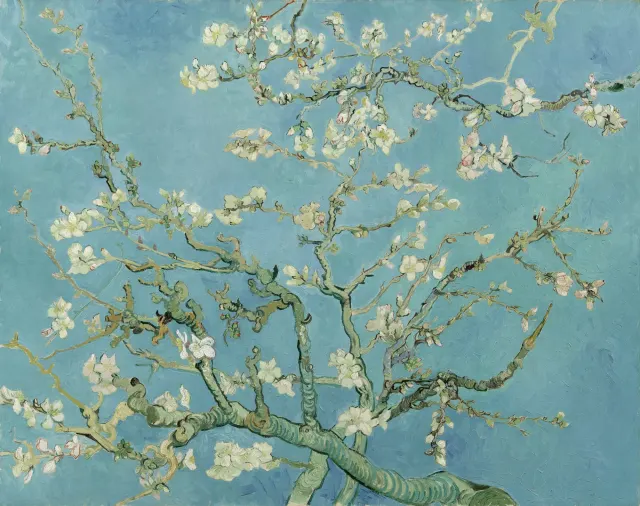
花咲くアーモンドの木の枝
花咲くアーモンドの木の枝Almond Blossomフィンセント・ファン・ゴッホ・1890
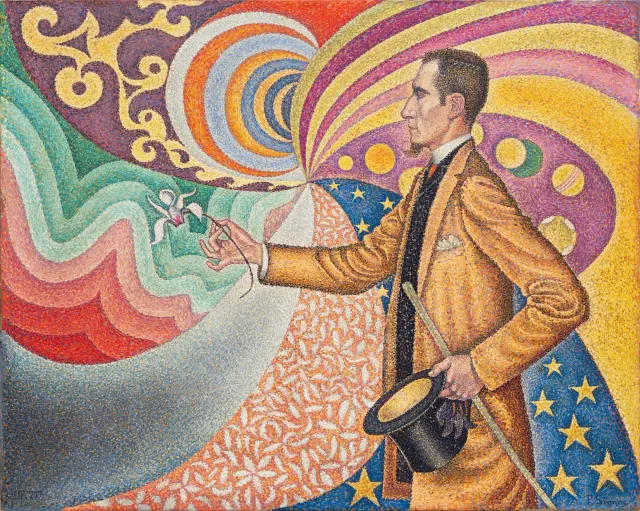
フェリックス・フェネオンの肖像
フェリックス・フェネオンの肖像Portrait of Félix Fénéonポール・シニャック・1890
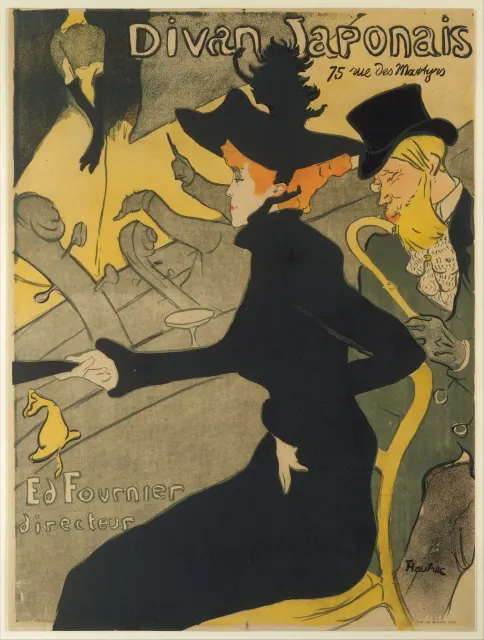
ディヴァン・ジャポネ
ディヴァン・ジャポネDivan Japonaisアンリ・ド・トゥールーズ=ロートレック・1892–93
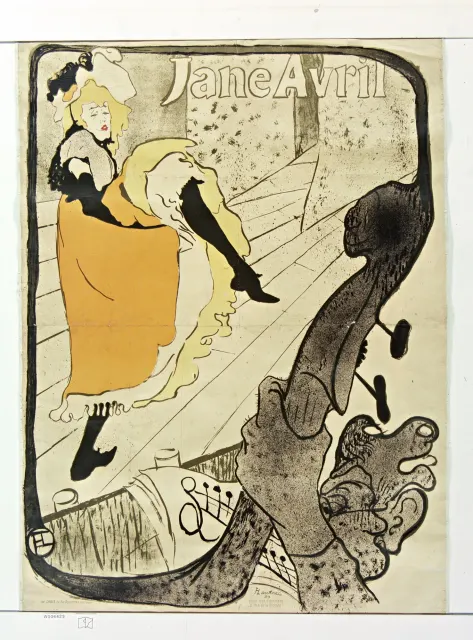
ジャンヌ・アヴリル(ジャルダン・ド・パリ)
ジャンヌ・アヴリル(ジャルダン・ド・パリ)Jane Avril (Jardin de Paris)アンリ・ド・トゥールーズ=ロートレック・1893
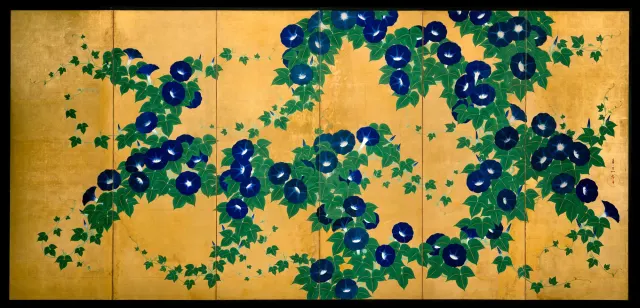
朝顔図屏風
朝顔図屏風Morning Glories鈴木其一・19th century
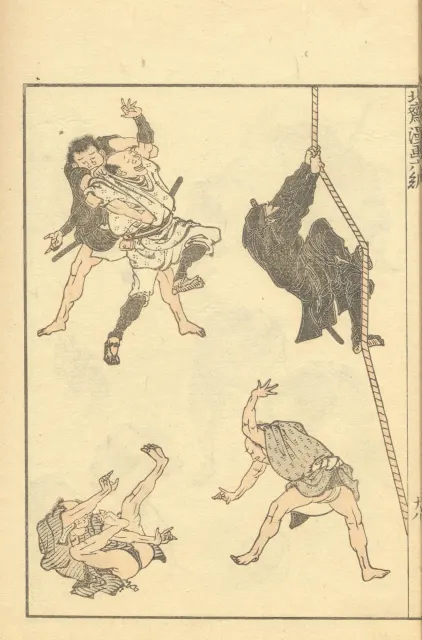
北斎漫画 六編(武術の図)
北斎漫画 六編(武術の図)Hokusai Manga, Volume 6 (Martial Arts)葛飾北斎・1817 (vol. 6)
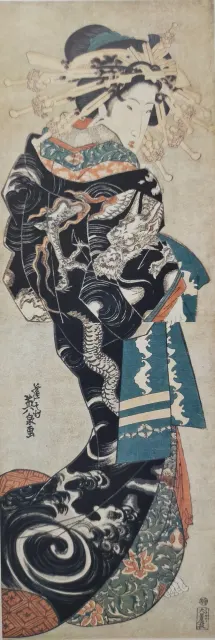
雲龍打掛の花魁
雲龍打掛の花魁Courtesan in a Cloud-and-Dragon Robe渓斎英泉・c. 1830
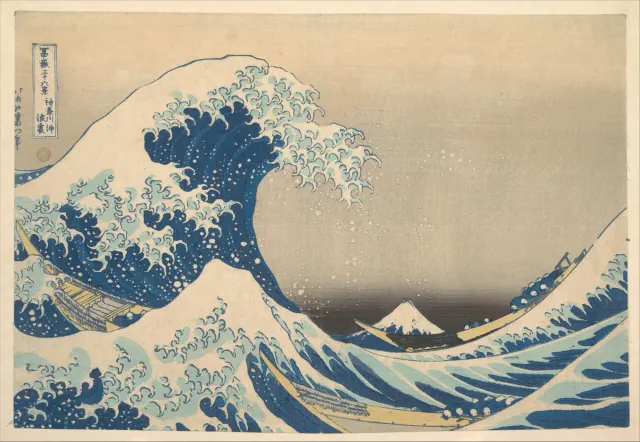
冨嶽三十六景 神奈川沖浪裏
冨嶽三十六景 神奈川沖浪裏Under the Wave off Kanagawa (The Great Wave), from Thirty-six Views of Mount Fuji葛飾北斎・c. 1830–32
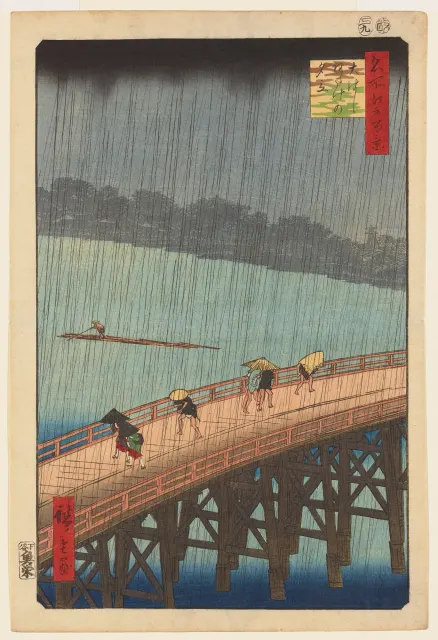
名所江戸百景 大はしあたけの夕立
名所江戸百景 大はしあたけの夕立Sudden Shower over Shin-Ōhashi Bridge and Atake, from One Hundred Famous Views of Edo歌川広重・1857
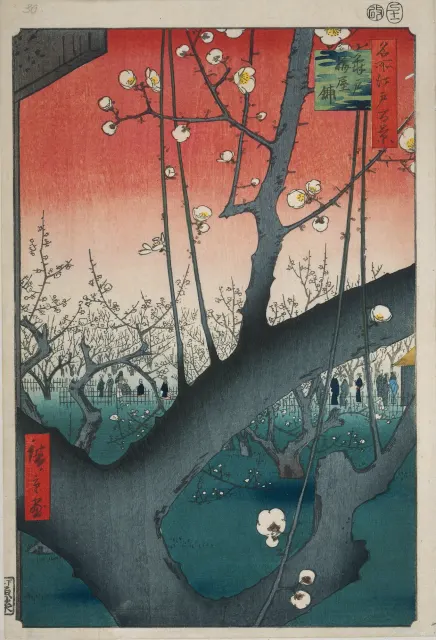
名所江戸百景 亀戸梅屋舗
名所江戸百景 亀戸梅屋舗Plum Park in Kameido (One Hundred Famous Views of Edo)歌川広重・1857
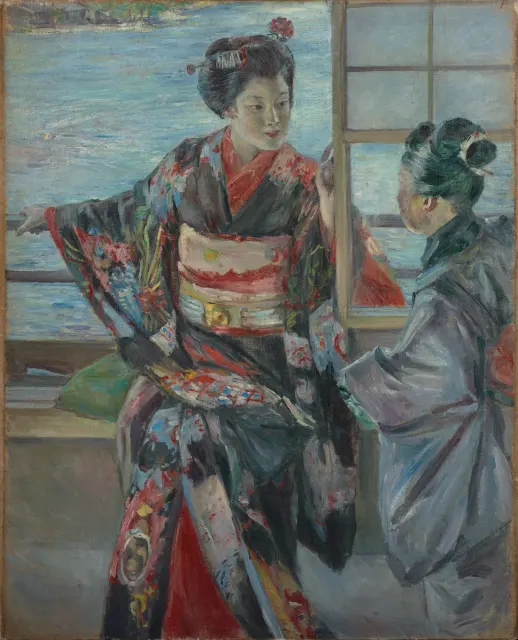
舞妓
舞妓Maiko Girl黒田清輝・1893
表示 この展示室のワークシート

この展示室について

About

1850年代に日本が開国すると、浮世絵や陶磁器、扇などがヨーロッパへ渡りました。1856年ごろ、パリの版画家ブラックモンが、陶器の詰め物に使われていた『北斎漫画』を見つけて驚いた、という有名な話も伝わっています(細かい点は確かではありません)。1867年のパリ万国博覧会には日本も出品し、日本美術への熱狂「ジャポニスム」が広がりました。

When Japan opened to the world in the 1850s, ukiyo-e prints, ceramics and fans began to reach Europe. A famous story says that around 1856, the Paris printmaker Félix Bracquemond was amazed to find a volume of Hokusai Manga used as packing for porcelain, though the details are uncertain. Japan took part in the 1867 Paris World's Fair, and a passion for Japanese art, called Japonisme, spread.

ゴッホは浮世絵に夢中になり、弟テオとともにパリで数百枚もの浮世絵を集めました。広重の『名所江戸百景』から『亀戸梅屋舗』と『大はしあたけの夕立』を油絵で写し、渓斎英泉の花魁の絵をもとにした作品も描いています。南フランスのアルルへ移ってからは、手紙の中で、まるで日本にいるようだと何度も書いています。

Van Gogh fell in love with ukiyo-e and, with his brother Theo, collected hundreds of prints in Paris. He copied two prints from Hiroshige's One Hundred Famous Views of Edo, Plum Park in Kameido and Sudden Shower over the Great Bridge, in oil paint. He also painted a courtesan based on a print by Keisai Eisen. After moving to Arles in southern France, he wrote again and again in his letters that he felt as if he were in Japan.

モネはジヴェルニーの家に200枚をこえる浮世絵を飾り、庭の池には日本風の太鼓橋をかけました。1876年には、着物姿の妻カミーユを描いた『ラ・ジャポネーズ』を発表しています。ドガは浮世絵から学んだといわれる思いがけない角度で踊り子をとらえ、ロートレックは平らな色と大胆な構図でポスターを描きました。『ディヴァン・ジャポネ』は、「日本の長いす」という意味の名前をもつ、パリの音楽酒場のポスターです。

Monet hung more than 200 Japanese prints in his house at Giverny and built a Japanese-style arched bridge over his garden pond. In 1876 he showed La Japonaise, a painting of his wife Camille in a kimono. Degas showed dancers from surprising angles, which he is said to have learned from Japanese prints. Toulouse-Lautrec made posters with flat colors and bold layouts. Divan Japonais was a poster for a Paris café-concert, a café with live music, whose name can be translated as 'Japanese Divan'.

ロンドンで活躍したアメリカ人画家ホイッスラーは、広重の『京橋竹がし』に似た構図で、テムズ川の夜の橋を描きました。作曲家ドビュッシーは、北斎の『神奈川沖浪裏』を自宅に飾り、交響詩『海』の楽譜の表紙にこの波をもとにした絵を使いました。西洋の遠近法や陰影による立体表現とはちがう構図や色づかいを見せた浮世絵は、西洋の画家たちに「新しい見方」を教え、近代美術の扉を開くかぎのひとつになったのです。

The American painter James McNeill Whistler, who worked in London, painted a night view of a bridge over the Thames with a composition like Hiroshige's Kyōbashi Bridge. The composer Claude Debussy kept Hokusai's Great Wave in his home and used an image based on it for the cover of his orchestral work La Mer. With compositions and colors that differed from Western perspective and shading, ukiyo-e taught Western artists a new way of seeing and became one of the keys that opened the door to modern art.

🌙 閉館後の展示室で…

閉館だ!北斎先生、ゴッホくんが「サインください」って並んでますよ。

We're closed! Master Hokusai, Van Gogh is waiting in line for your autograph!

見分けるポイント

How to Spot It
  1. 背景や壁に、浮世絵や扇、着物が描きこまれている。Ukiyo-e prints, fans or kimonos appear in the background or on the walls.
  2. 影が少なく、平らな色とくっきりした輪郭線で描かれている。Few shadows, with flat colors and clear outlines.
  3. 人や物が、画面のはしで大胆に切れている。People and objects are boldly cut off at the edges of the picture.
  4. 高い視点、ななめの構図、手前に大きな木や橋を置いた奥行き。A high viewpoint, diagonal design, or a big tree or bridge in the foreground.
  5. サインを日本のはんこのように四角い枠や模様にしている。The signature is designed like a Japanese seal, in a box or as a symbol.

英語で語る美術用語

Art Words
Japonisme
ジャポニスム

19世紀後半の西洋で起こった、日本の美術や工芸への熱狂と、その影響。The late 19th-century Western passion for Japanese art and design, and its influence.

cropping
大胆な切り取り(トリミング)

人物や物を画面のはしで切る構図。浮世絵に学び、ドガたちが使った。Cutting off figures at the edge of the picture, learned from ukiyo-e and used by Degas and others.

flat color
平らな色面

影やぼかしをつけず、色を均一にぬること。浮世絵の大きな特徴。Color laid on evenly, without shading. A key feature of ukiyo-e.

asymmetry
非対称の構図

左右をそろえず、わざとかたよらせた配置。西洋の画家に新鮮だった。An unbalanced, off-center layout. It felt fresh to Western artists.

えっ!?な裏ネタ

Secrets

展示室クイズ

Quiz

Q. ゴッホが油絵で写した、広重の作品は?Which Hiroshige print did Van Gogh copy in oil paint?

Q. ドビュッシーが楽譜の表紙に北斎の波をもとにした絵を使った曲は?For which work did Debussy use an image based on Hokusai's wave on the cover?