

 PDF をダウンロード
Special Gallery: Japonisme
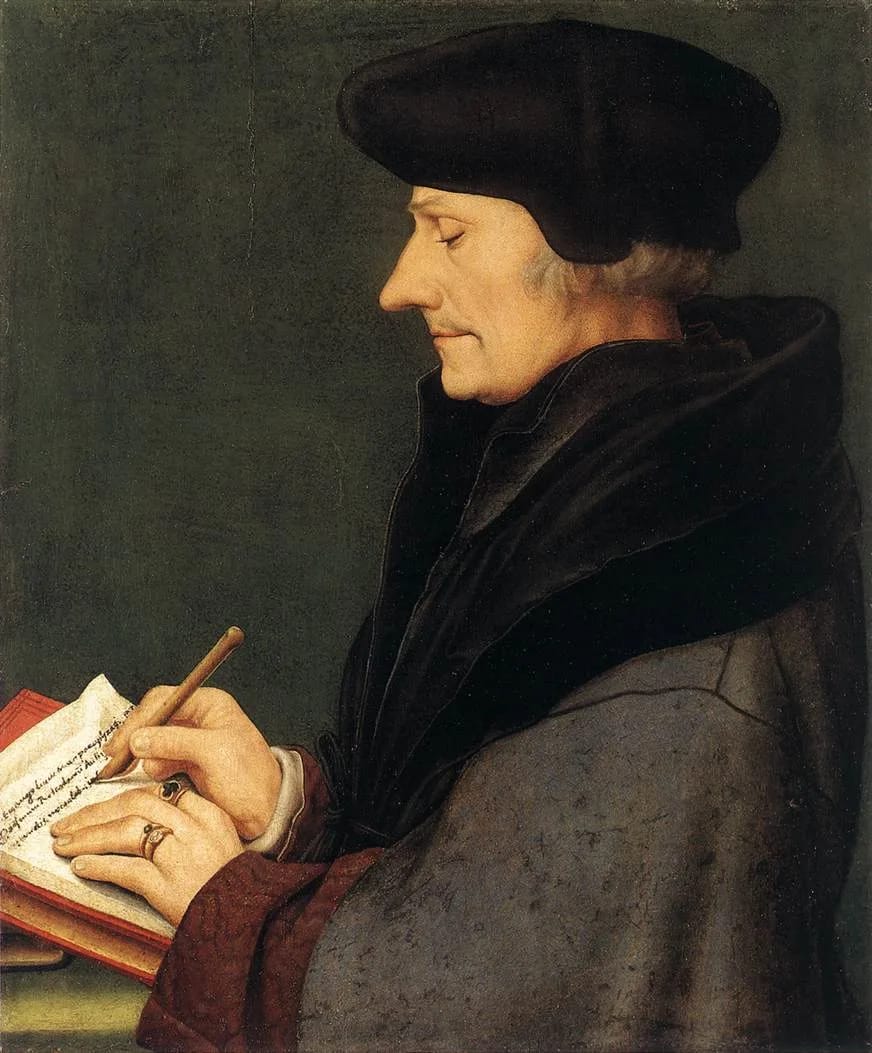
Hans Holbein the Younger, 1523
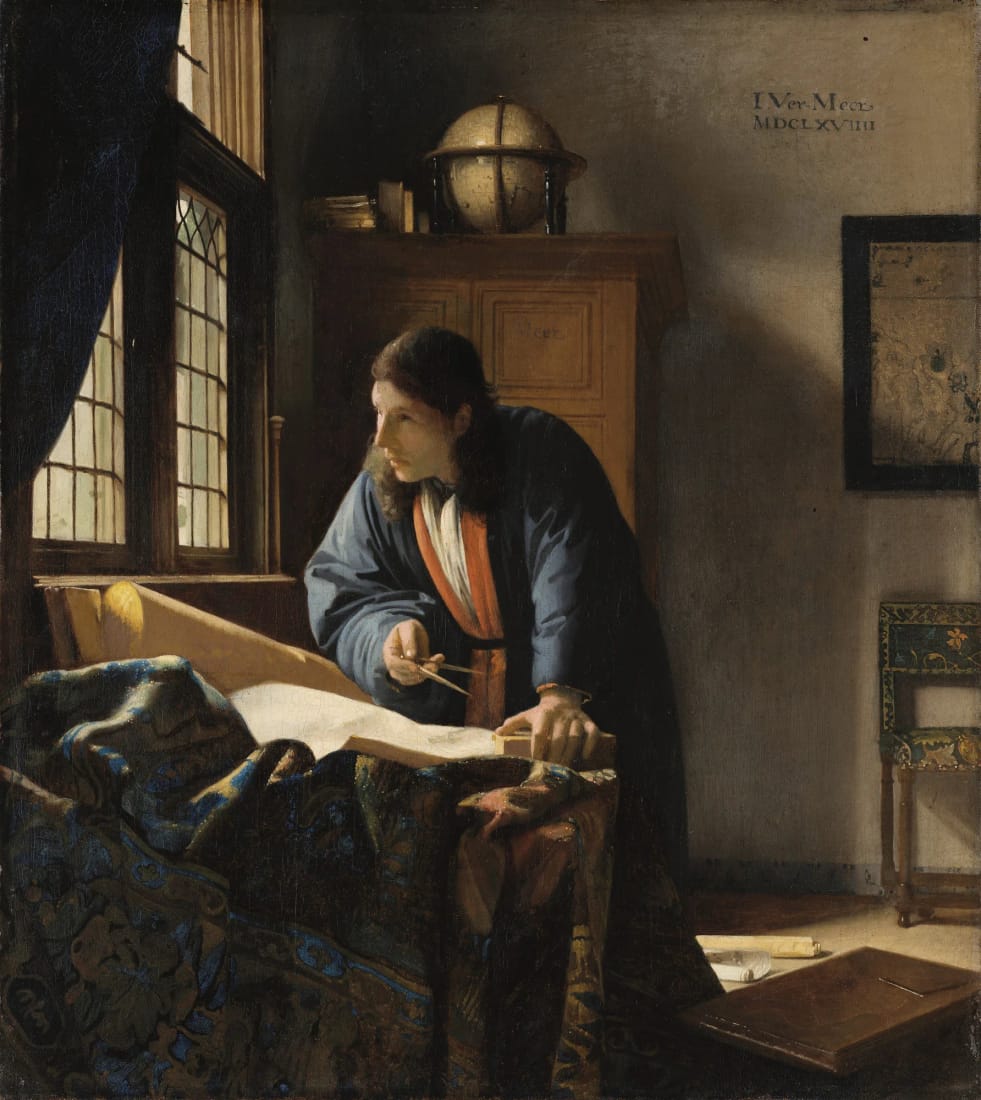
Johannes Vermeer, 1669
1 How to spot it 2つの絵で見つけたら ✓ をつけよう。
| A | B | |
|---|---|---|
| Ukiyo-e prints, fans or kimonos appear in the background or on the walls. | ☐ | ☐ |
| Few shadows, with flat colors and clear outlines. | ☐ | ☐ |
| People and objects are boldly cut off at the edges of the picture. | ☐ | ☐ |
| A high viewpoint, diagonal design, or a big tree or bridge in the foreground. | ☐ | ☐ |
| The signature is designed like a Japanese seal, in a box or as a symbol. | ☐ | ☐ |
2 Read 英文を読もう。
When Japan opened to the world in the 1850s, ukiyo-e prints, ceramics and fans began to reach Europe. A famous story says that around 1856, the Paris printmaker Félix Bracquemond was amazed to find a volume of Hokusai Manga used as packing for porcelain, though the details are uncertain. Japan took part in the 1867 Paris World's Fair, and a passion for Japanese art, called Japonisme, spread.
Write one thing you learned:
Special Gallery: Japonisme
3 Art words — Match them. 英語と日本語を線で結ぼう。
- Japonisme ●
- cropping ●
- flat color ●
- asymmetry ●
- ● 平らな色面
- ● ジャポニスム
- ● 大胆な切り取り(トリミング)
- ● 非対称の構図
4 Quiz
Which Hiroshige print did Van Gogh copy in oil paint?
- The Great Wave off Kanagawa
- Beauty Looking Back
- Plum Park in Kameido
- Wind God and Thunder God
5 Quiz
For which work did Debussy use an image based on Hokusai's wave on the cover?
- La Mer (The Sea)
- Clair de Lune
- Prelude to the Afternoon of a Faun
- Children's Corner
6 Which do you like better, A or B? Why? AとB、どちらが好き?理由も英語で。
I like ____ better because ________________________________.
Answers & Notes
1 How to spot it(訳)
- Ukiyo-e prints, fans or kimonos appear in the background or on the walls.
背景や壁に、浮世絵や扇、着物が描きこまれている。 - Few shadows, with flat colors and clear outlines.
影が少なく、平らな色とくっきりした輪郭線で描かれている。 - People and objects are boldly cut off at the edges of the picture.
人や物が、画面のはしで大胆に切れている。 - A high viewpoint, diagonal design, or a big tree or bridge in the foreground.
高い視点、ななめの構図、手前に大きな木や橋を置いた奥行き。 - The signature is designed like a Japanese seal, in a box or as a symbol.
サインを日本のはんこのように四角い枠や模様にしている。
A:書き物をするエラスムス B:地理学者
2 Read(訳)
1850年代に日本が開国すると、浮世絵や陶磁器、扇などがヨーロッパへ渡りました。1856年ごろ、パリの版画家ブラックモンが、陶器の詰め物に使われていた『北斎漫画』を見つけて驚いた、という有名な話も伝わっています(細かい点は確かではありません)。1867年のパリ万国博覧会には日本も出品し、日本美術への熱狂「ジャポニスム」が広がりました。
3 Art words
1–b(Japonisme=ジャポニスム:19世紀後半の西洋で起こった、日本の美術や工芸への熱狂と、その影響。)
2–c(cropping=大胆な切り取り(トリミング):人物や物を画面のはしで切る構図。浮世絵に学び、ドガたちが使った。)
3–a(flat color=平らな色面:影やぼかしをつけず、色を均一にぬること。浮世絵の大きな特徴。)
4–d(asymmetry=非対称の構図:左右をそろえず、わざとかたよらせた配置。西洋の画家に新鮮だった。)
4 Quiz
C 問:ゴッホが油絵で写した、広重の作品は?
選択肢:A 神奈川沖浪裏/B 見返り美人図/C 亀戸梅屋舗/D 風神雷神図
解説:『名所江戸百景』の『亀戸梅屋舗』を写した『花咲く梅の木』を描いています。『神奈川沖浪裏』は北斎の作品です。
5 Quiz
A 問:ドビュッシーが楽譜の表紙に北斎の波をもとにした絵を使った曲は?
選択肢:A 海/B 月の光/C 牧神の午後への前奏曲/D 子供の領分
解説:1905年に出版された交響詩『海』の楽譜の表紙に使われました。
Fun Fact(訳)
「ジャポニスム」の名づけ親は? 「ジャポニスム」という言葉は、1872年ごろフランスの美術批評家フィリップ・ビュルティが使い始めたとされています。パリには日本の美術品を売る店が次々に開き、林忠正のような日本人の美術商も活躍しました。
