 ワークシート
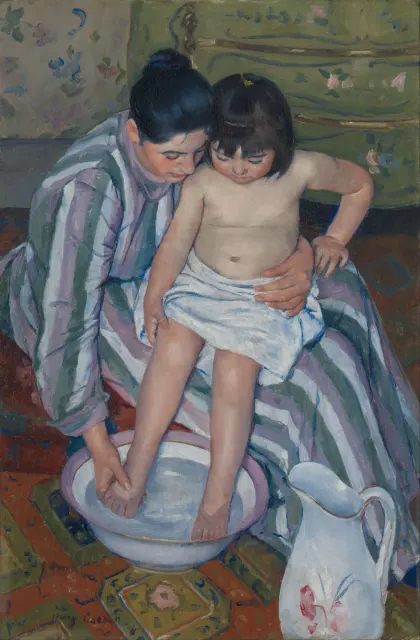
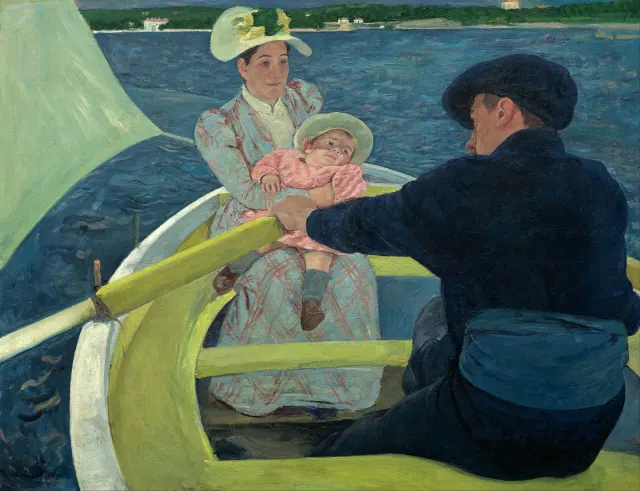
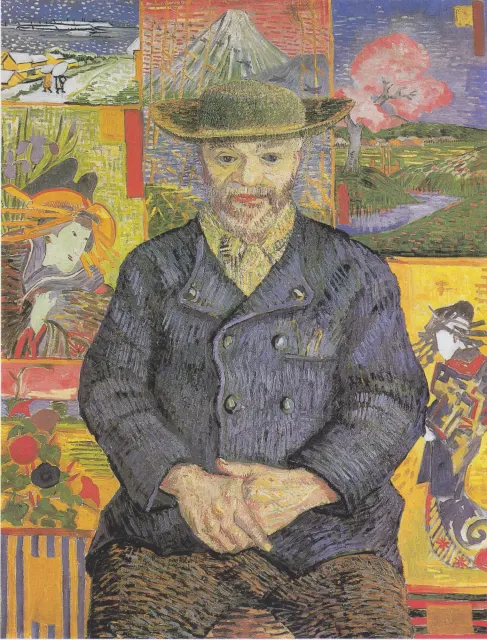
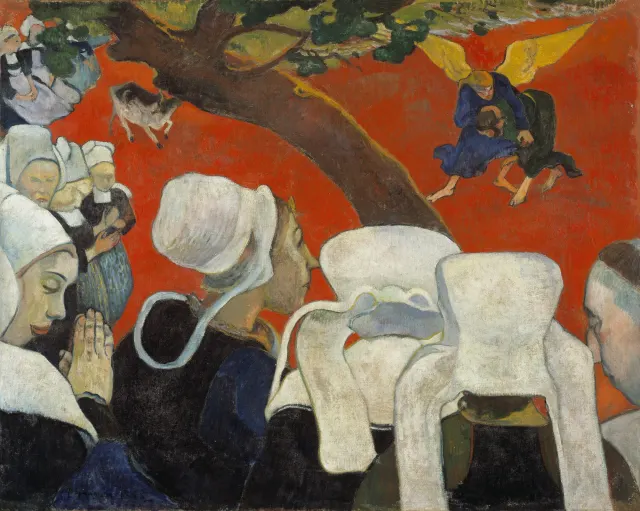
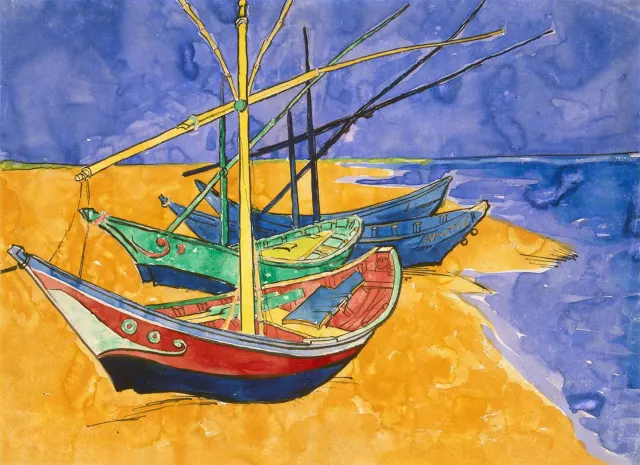
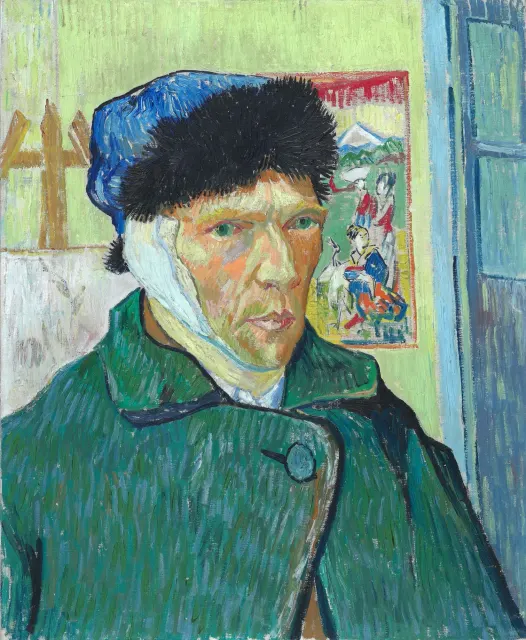
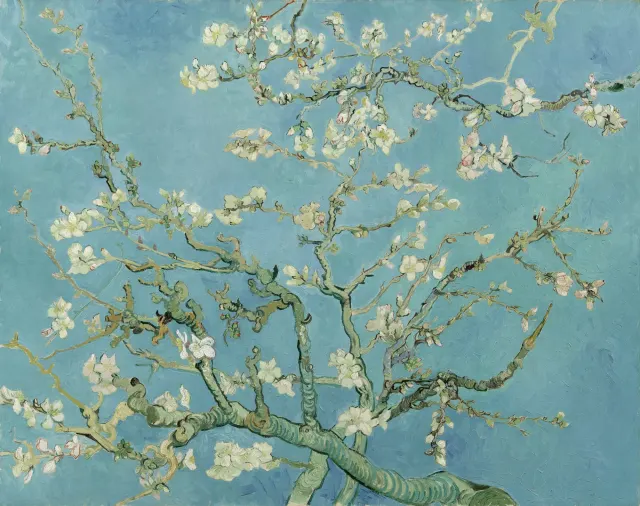
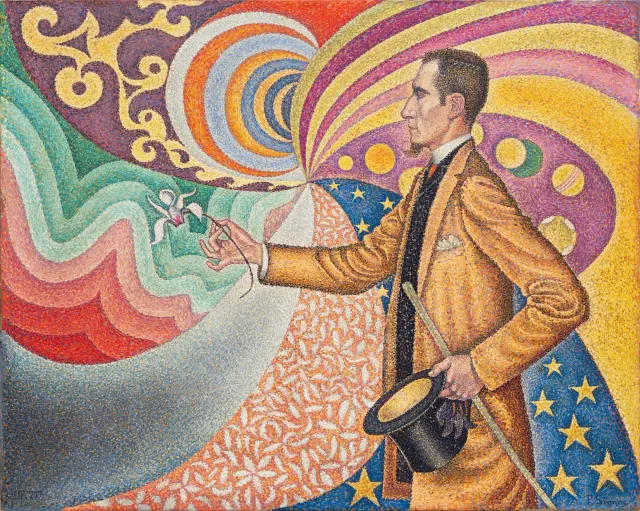
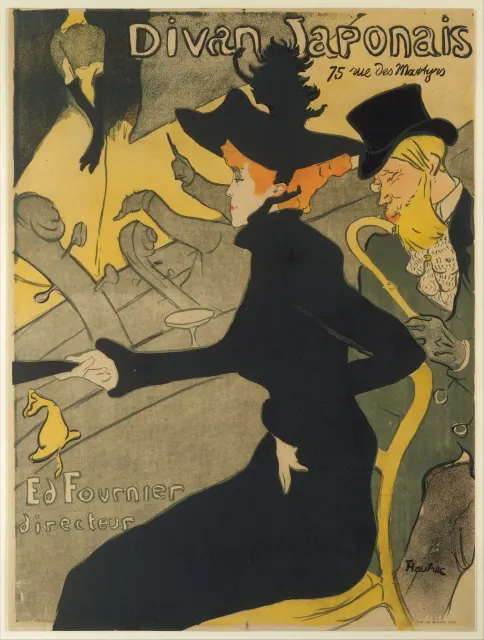
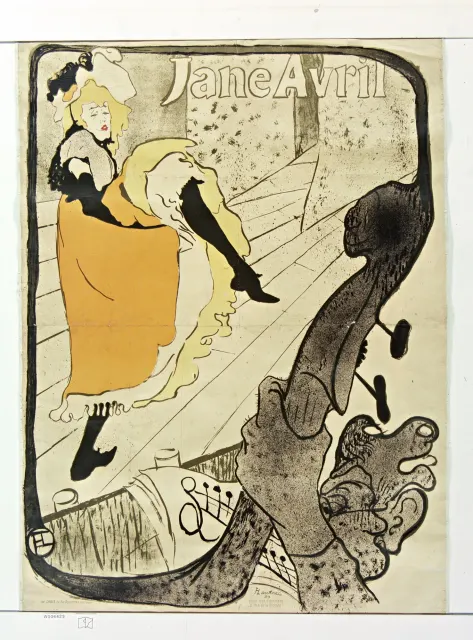
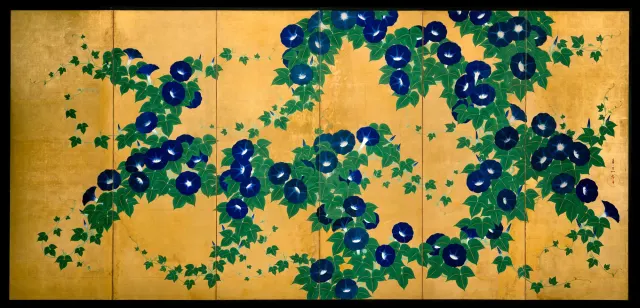
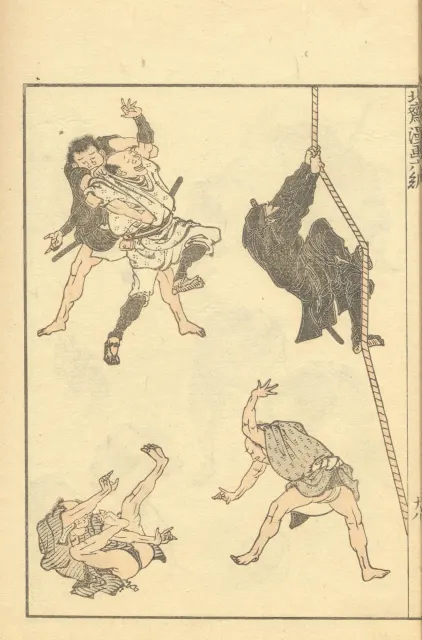
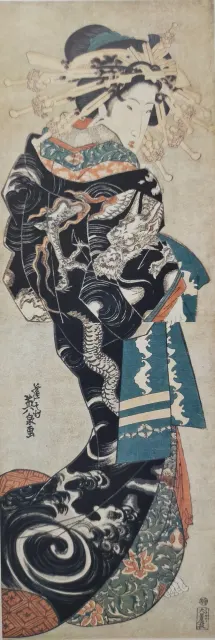
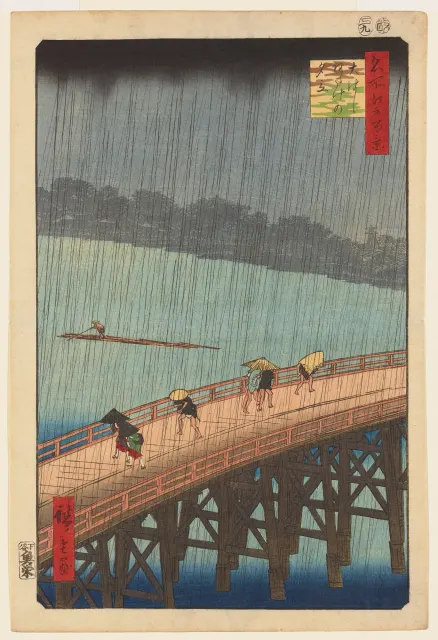
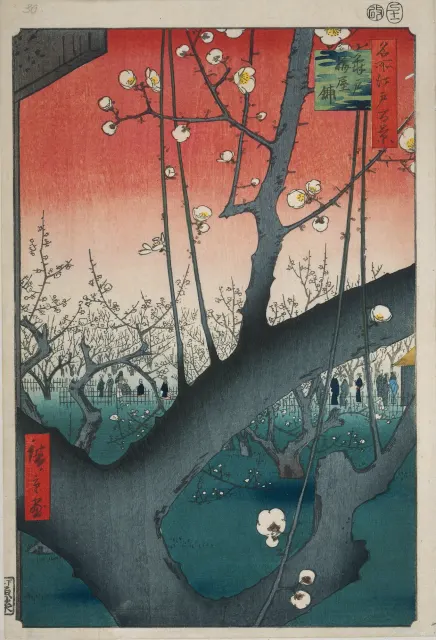
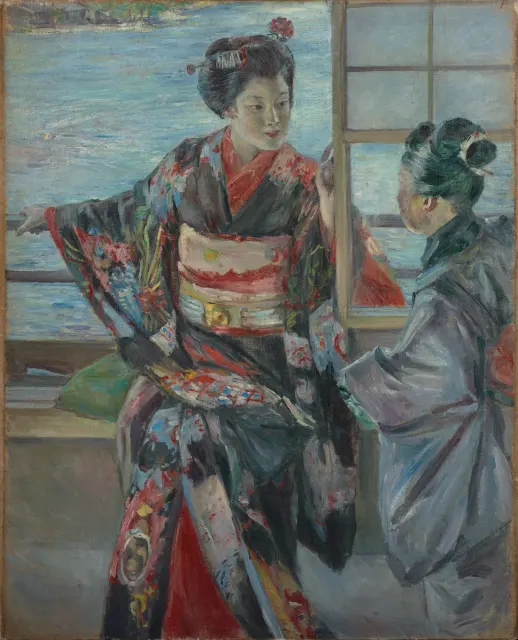
19世紀の後半、日本が長い鎖国を終えると、浮世絵や着物、扇子などの日本の美術品がヨーロッパへどっと流れこみました。大胆な構図、くっきりした輪郭、平らであざやかな色。見たことのない美しさに、パリの画家たちは目をかがやかせます。この日本ブームが「ジャポニスム」です。
In the late 19th century, after Japan ended its long isolation, ukiyo-e prints, kimono, fans and other Japanese art poured into Europe. Bold compositions, clear outlines and flat, bright colors amazed the painters of Paris. This Japan boom is called 'Japonisme.'
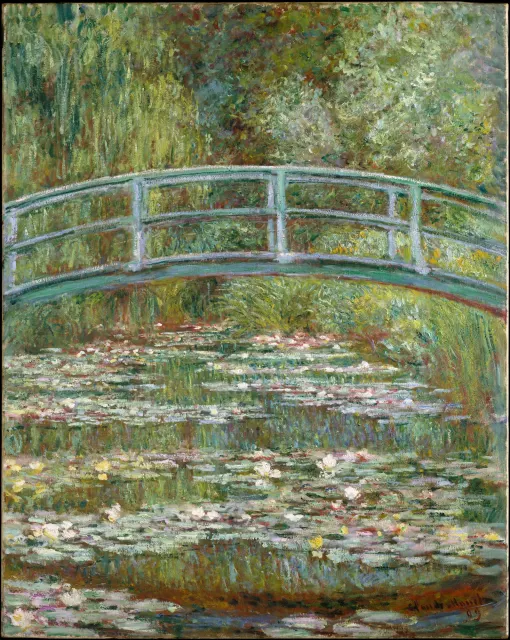
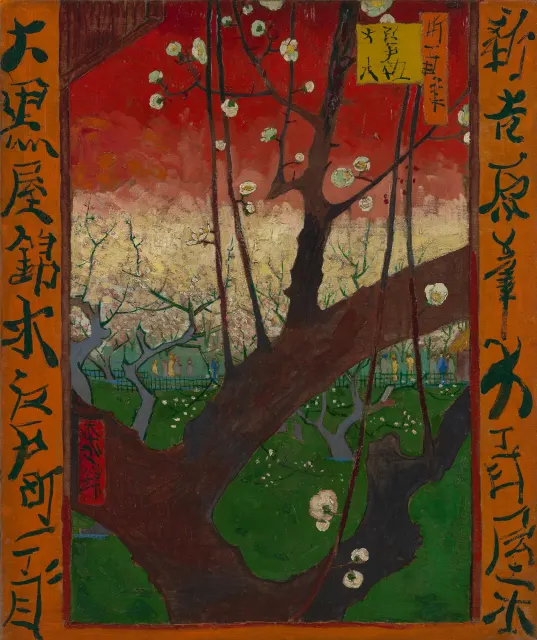
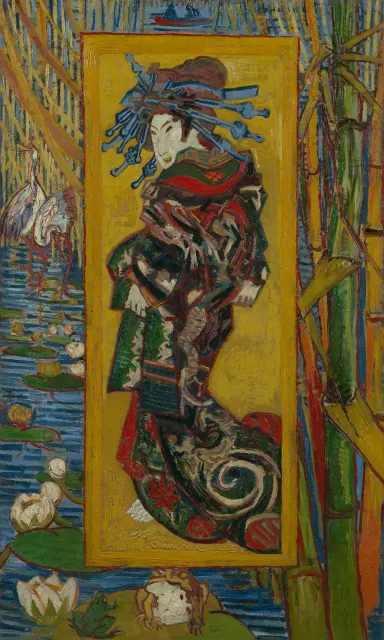
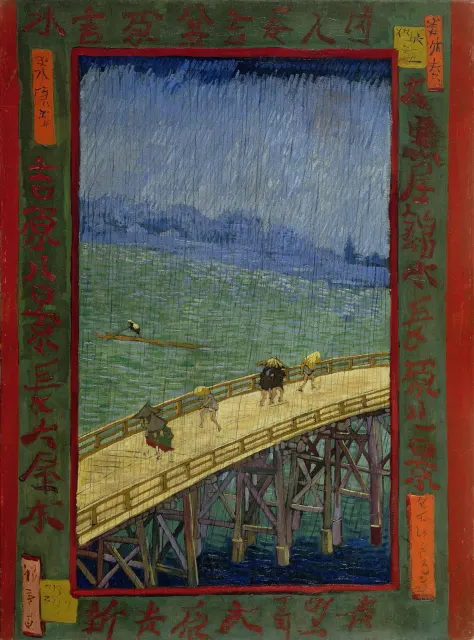
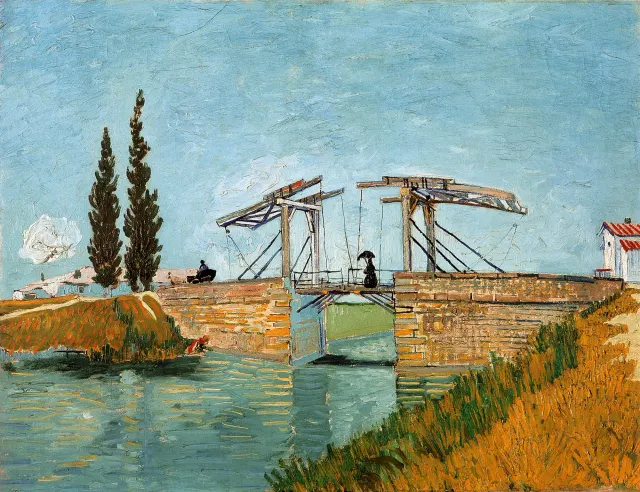
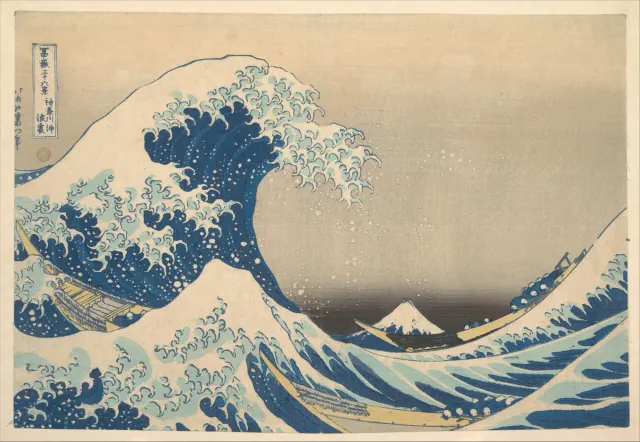
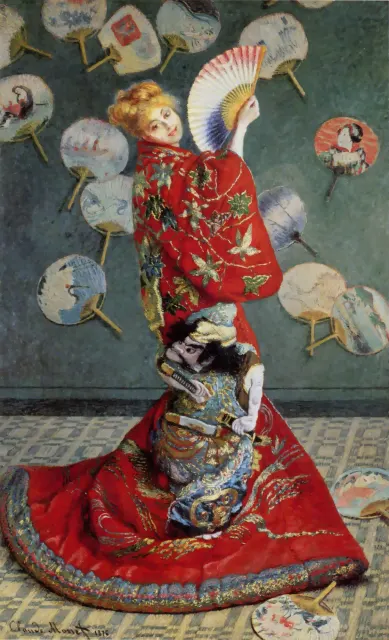
ゴッホは広重を油絵で写し、モネは妻に着物を着せて描き、庭に日本風の橋をかけました。作曲家ドビュッシーは北斎の大波を楽譜の表紙に選びました。日本の絵師たちが、海の向こうの芸術家たちに大きなバトンをわたしたのです。東と西がつながった、ドキドキの出会いを見に行きましょう!
Van Gogh copied Hiroshige in oil. Monet painted his wife in a kimono and built a Japanese-style bridge in his garden. The composer Debussy chose Hokusai's Great Wave for the cover of his music. Japanese artists passed a great baton to artists across the sea. Let's see this exciting meeting of East and West!