我慢がまん
gaman
enduring without complaint
美徳とされてきた一方、いま見直しも進んでいる言葉。
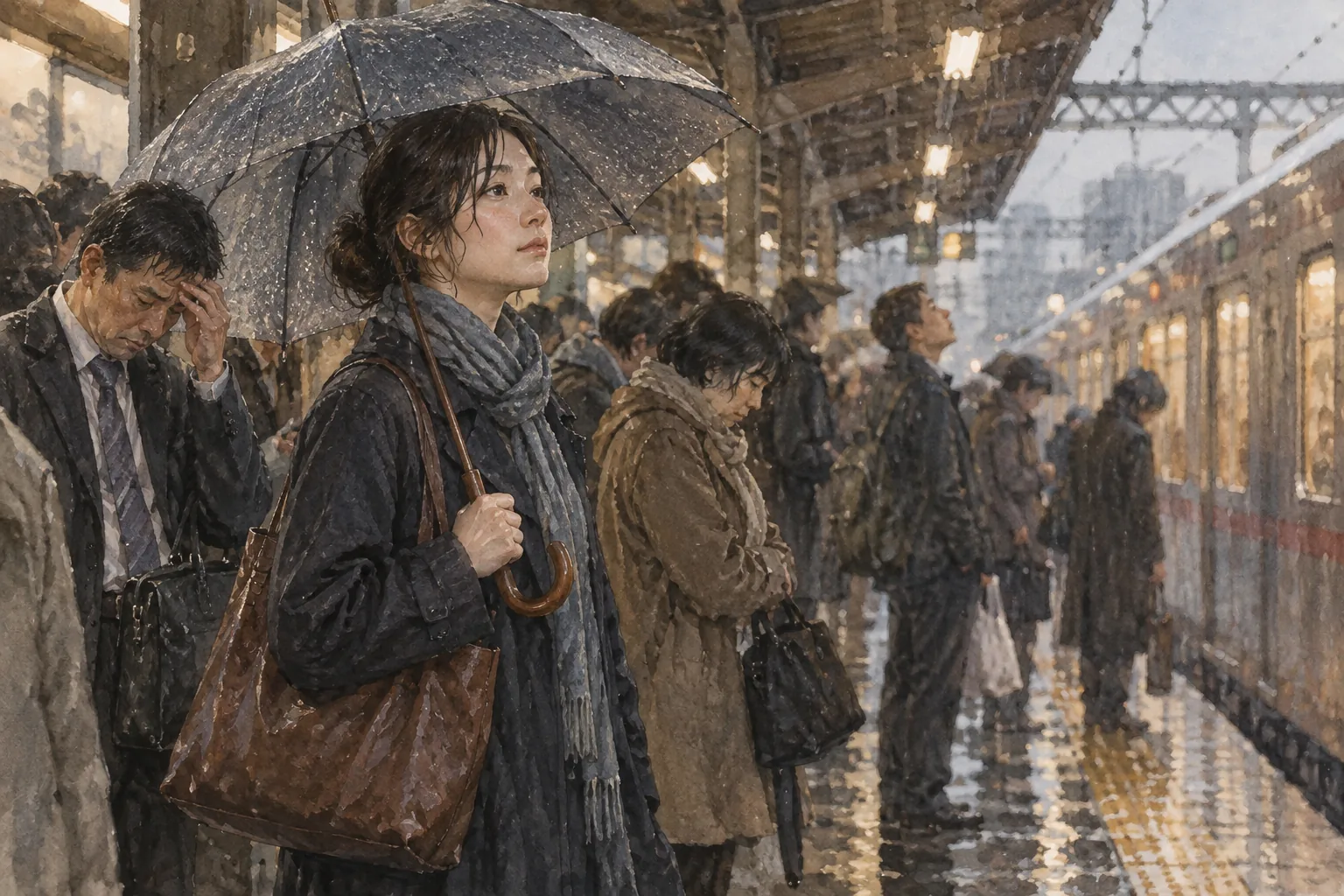
一言で言うと
これだけ覚えれば最低限伝わる一文
Gaman means enduring something difficult without showing it or complaining.
我慢とは、つらいことを表に出さず、不平を言わずに耐えることです。
30秒で説明する
外国人に説明するときの標準サイズ
Gaman is enduring: putting up with pain, discomfort or unfairness without complaining. It is taught to children as a virtue and praised in adults. It also has a clear cost, and Japan has been reassessing it, because gaman is part of why people work while ill, stay in bad situations and avoid asking for help.
我慢とは耐えることです。痛み、不快、理不尽を、不平を言わずに引き受けること。子どもには美徳として教えられ、大人になってもほめられます。同時に明らかな代償もあり、日本はこれを見直しつつあります。体調が悪くても働き、悪い状況にとどまり、助けを求めない。その一因が我慢だからです。
スピーチ・英作文
通訳案内士の二次口述・大学入試の自由英作文に
Gaman means to endure without complaining, and it has been treated as a core virtue in Japan for a long time. A child who does not cry at an injection has done gaman. An employee who works through a fever has done gaman. After the 2011 earthquake, foreign media reported with admiration on people queuing in the cold without complaint, and gaman was the word used to explain it.
What I want to add is the other half, because Japanese people are saying it now. The same habit means people do not take sick leave, do not report harassment, do not say a workload is impossible, and do not ask for help until something breaks.
Endurance is only a virtue when the thing being endured cannot be changed. When it can, gaman becomes the reason nothing changes. That reassessment is happening here, particularly among younger workers, while others still value endurance as a strength.
我慢とは、不平を言わずに耐えることで、日本では長く中心的な美徳として扱われてきました。注射で泣かない子どもは我慢した、とされます。熱があっても働く社員も我慢しています。2011年の震災のあと、外国のメディアは寒さのなか黙って並ぶ人々を称賛して伝え、それを説明する言葉として我慢が使われました。
付け加えたいのは、もう半分のほうです。日本人自身が今それを言っているからです。同じ習慣のために、人は病気休暇を取らず、ハラスメントを申告せず、仕事量が無理だと言わず、何かが壊れるまで助けを求めません。
耐えることが美徳になるのは、耐えている対象が変えられないときだけです。変えられるとき、我慢は何も変わらない理由になります。その見直しが、とくに若い世代のあいだで起きています。一方で、耐える力をなお長所と考える人もいます。
こう聞かれたら
外国人から実際にされる質問と、その答え方。
Is gaman the same as patience?
我慢は patience と同じですか。
Close, but patience is usually about waiting. Gaman is about bearing something unpleasant while it happens, and about not letting it show, which is the part English does not carry.
近いですが、patience はふつう待つことです。我慢は、不快なことをその最中に引き受け、しかもそれを表に出さないことを含みます。そこが英語では落ちる部分です。
Where do children learn it?
子どもはどこでそれを身につけるのですか。
From home and school. Not crying, waiting your turn, finishing food you dislike, sitting still. The word is used directly to praise children for all of these.
家庭と学校です。泣かない、順番を待つ、嫌いなものを食べきる、じっと座っている。これらをした子どもをほめるとき、この語がそのまま使われます。
Is it changing?
いまは変わってきていますか。
Yes. Legal caps on overtime, required annual leave, and open discussion of harassment have all pushed against the older idea that enduring is enough. Younger employees in particular refuse it more readily.
変わっています。残業の上限規制、有給取得の義務化、ハラスメントの公然とした議論が、耐えていればよいという古い考え方を押し返しています。とくに若い世代は、はっきり拒みます。
誤解されやすい
MYTHGaman shows Japanese inner strength and is purely admirable.
我慢は日本人の内なる強さの表れで、称賛すべきものだと思われがちです。
FACTIt is also why people do not take sick leave, do not report problems and do not ask for help. Japan is actively reassessing it, and that reassessment is not a foreign criticism but a domestic one.
病気でも休まず、問題を申告せず、助けを求めない理由でもあります。日本ではこれを見直す議論が進んでおり、それは外からの批判ではなく国内からのものです。
そのまま使えるフレーズ
- You don't have to put up with that.それは我慢しなくていいですよ。
- He worked through it without saying a word.彼は一言も言わずに我慢して働きました。
- Enduring is only a virtue if nothing can change.変えられないときだけ、耐えることは美徳です。
- Please say something if it's too much.つらかったら言ってください。
- Younger people push back more now.若い世代は、今はもっと声を上げます。
説明に使う語句
- endure耐える
- put up with我慢する
- complain不平を言う
- stoic感情を表に出さない、動じない
- speak up声を上げる
動画で見る
YouTube より豆知識
「我慢」はもともと仏教語で、自分に執着して驕り高ぶることを指す否定的な語だった。七慢のひとつに数えられる。それが近世ごろから「耐え忍ぶ」の意味に転じ、肯定的な価値を帯びたとされる。評価がほぼ逆転した珍しい例である。2011年の東日本大震災の報道では、英語圏の記事に gaman がそのまま用いられた。一方、厚生労働省の調査では日本の有給休暇取得率が長く低迷していたことや、体調不良でも出勤する「プレゼンティーイズム」が生産性を下げることが指摘され、我慢の再評価が進んでいる。
