
センパー・ファイデリス
Semper Fidelis
スーザ・1888
「常に忠実に」——アメリカ海兵隊の公式行進曲。
センパー・ファイデリスのページへRomantic · 1854–1932
「マーチ王」The March King
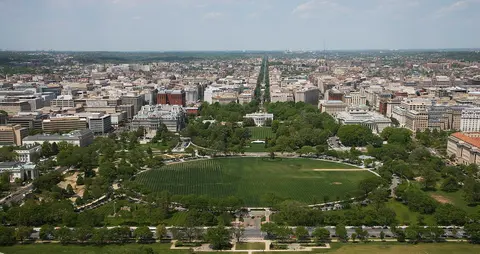
 ワシントンD.C.(アメリカ)
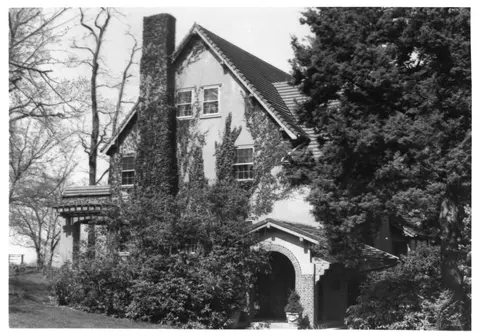
 レディング(ペンシルベニア州、アメリカ)12 曲を収録
「星条旗よ永遠なれ」でおなじみ。アメリカ中を行進させたマーチ王。The March King who got all of America marching.
 スーザの名曲を聴く
スーザ・1888
「常に忠実に」——アメリカ海兵隊の公式行進曲。
センパー・ファイデリスのページへスーザ・1889
新聞社のための行進曲が、世界のダンスブームに!
ワシントン・ポストのページへスーザ・1889
「雷神」っていったい誰?名前のなぞが残る名行進曲。
行進曲「雷神」のページへスーザ・1890
ワシントンの高校生の教練隊のために書かれた、きびきびしたマーチ。
士官候補生のページへスーザ・1893
鐘が鳴りひびく行進曲は、イギリスのお笑い番組の顔に!
自由の鐘のページへスーザ・1893
夏のビーチへ出発!音が波のように寄せては返すマーチ。
マンハッタン・ビーチのページへスーザ・1895
題名は南部の有名な言葉から。アトランタの博覧会をかざった元気なマーチ。
キング・コットンのページへスーザ・1896
大ヒット・オペレッタから生まれた、マーチ王の人気行進曲。
行進曲「エル・カピタン」のページへスーザ・1896–1897
アメリカの「国の行進曲」!ピッコロが空高くさえずる。
星条旗よ永遠なれのページへスーザ・1899
世界の友だちと握手しよう!海の向こうへ届ける友情のマーチ。
海を越える握手のページへスーザ・1901
「星条旗」をこえる!?マーチ王が自信を見せた、明るい1曲。
無敵の鷲のページへスーザ・1908
博覧会でいちばんきれいな人へ。メロディーが歌う、やさしいマーチ。
美中の美のページへ
ホー!大きな楽器「スーザフォン」は、スーザのアイデアで作られたからこの名前なんだ。
 生涯 Life Story
ジョン・フィリップ・スーザは1854年、アメリカの首都ワシントンD.C.で、10人きょうだいの3番目として生まれました。お父さんはスペイン生まれのポルトガル系で、アメリカ海兵隊バンドのトロンボーン奏者。お母さんはドイツのバイエルン出身です。小さいころからバイオリンなどを習い、軍楽隊の音がひびく町で、音楽にどっぷりつかって育ちました。John Philip Sousa was born in 1854 in Washington, D.C., the third of ten children. His father, who was born in Spain to Portuguese parents, played trombone in the U.S. Marine Band. His mother came from Bavaria in Germany. He studied the violin and other instruments from an early age and grew up surrounded by the sound of military bands.
13歳のとき、お父さんは彼を海兵隊バンドの見習いに入れました。サーカスの楽団に入ろうとしたのを止めるためだったと言われています。その後、劇場のオーケストラでバイオリンをひきながら指揮を学び、1880年、25歳で海兵隊バンドの隊長になりました。1892年までの約12年間で、このバンドを国一番の軍楽隊に育てあげます。At thirteen, his father enrolled him as an apprentice in the Marine Band, reportedly to stop him from running off to join a circus band. Later he played violin in theatre orchestras and learned to conduct. In 1880, at the age of 25, he became leader of the Marine Band. Over the next twelve years he turned it into the finest military band in the country.
1892年には自分の楽団「スーザ・バンド」を作り、1931年まで、アメリカ国内や海外で1万5千回をこえる演奏会を開きました。パリやロンドンのロイヤル・アルバート・ホールでも演奏しています。代表作は『星条旗よ永遠なれ』(1896年)、『ワシントン・ポスト』、『雷神』、『自由の鐘』など。生涯に130曲をこえる行進曲を書きました。In 1892 he formed his own group, the Sousa Band, which gave more than 15,000 concerts in America and abroad until 1931, including performances in Paris and at London's Royal Albert Hall. His famous works include The Stars and Stripes Forever (1896), The Washington Post, The Thunderer and The Liberty Bell. In all, he wrote more than 130 marches.
第一次世界大戦中の1917年には、62歳で海軍予備役に入り、シカゴ近くの海軍基地でバンドを指揮しました。1932年、ペンシルベニア州レディングで客演指揮をすることになり、『星条旗よ永遠なれ』のリハーサルをした翌日、ホテルで心臓の病気のため亡くなりました。1987年、『星条旗よ永遠なれ』はアメリカの「国の行進曲」に定められています。During the First World War, in 1917, he joined the Naval Reserve at 62 and led the Navy band at a base near Chicago. In 1932 he was in Reading, Pennsylvania, as a guest conductor. The day after rehearsing The Stars and Stripes Forever, he died of heart failure in his hotel room. In 1987 the United States made The Stars and Stripes Forever its official national march.
John Philip Sousa was an American composer. People call him 'The March King.' He wrote more than 130 marches. He led a famous band for many years. A big brass instrument has his name!ジョン・フィリップ・スーザはアメリカの作曲家です。人々は彼を「マーチ王」と呼びます。彼は130曲以上の行進曲を書きました。長いあいだ有名なバンドをひきいました。大きな金管楽器に彼の名前がついています!
 これだけは!鉄板情報 Must-Know Facts
 あっと驚くネタ Surprising Stories
 タップすると答えが開きます
13歳のスーザは、サーカスの楽団に入ろうとしていたと言われています。それを知ったお父さんが、海兵隊バンドの見習いに入れて止めたというのです。のちにそのバンドの隊長になるのですから、人生はわかりません。
At thirteen, Sousa is said to have been about to join a circus band. When his father found out, he signed him up as an apprentice in the Marine Band instead. Sousa later became that band's leader. Life is full of surprises!
大きな金管楽器「スーザフォン」は、1890年代にスーザの希望をもとに、フィラデルフィアのJ.W.ペッパーが最初の型を作りました。はじめはベルが上を向いていて、行進用というより、コンサートで低い音を豊かに響かせるための楽器でした。のちにスーザはコーン社が作ったものを気に入っていました。
The sousaphone was developed in the 1890s from Sousa's ideas, and J. W. Pepper of Philadelphia made the earliest version. Its bell pointed upward, and it was first meant to give a rich bass sound in Sousa's concert band rather than for marching. Sousa later preferred a version made by the Conn company.
スーザは録音された音楽を「缶づめの音楽」と呼び、1906年にはアメリカ議会で「この話す機械(蓄音機)が音楽の芸術的な発展をだめにする」と証言しました。ところが1925年に新しい電気録音を聴いてからは、考えを変えたそうです。
Sousa called recorded music 'canned music'. In 1906 he told a Congressional hearing that talking machines would ruin the artistic development of music in America. After hearing a demonstration of the new electrical recording in 1925, however, he changed his mind.
スーザはクレー射撃(トラップ射撃)の名手で、トラップ射撃の殿堂に名前がきざまれています。全国的な射撃団体の立ち上げにもかかわり、記録に残るだけで3万5千枚以上の的をうったそうです。
Sousa was a top trapshooter and is honoured in the Trapshooting Hall of Fame. He helped organize an early national trapshooting association, and records show he shot at more than 35,000 targets.
第一次世界大戦中、62歳で海軍予備役に入ったスーザは、海軍からもらう給料のうち月1ドルだけを受け取り、残りはすべて水兵や海兵隊員を助ける基金に寄付しました。愛国心あふれるマーチ王らしい行動です。
When Sousa joined the Naval Reserve at 62 during the First World War, he kept only one dollar a month of his Navy pay. He gave the rest to a fund that helped sailors and marines, a fitting gesture for America's patriotic March King.
スーザは作曲だけでなく小説も書きました。1902年の『第5の弦』は、悪魔と取り引きをしたバイオリン弾きの物語です。ほかにもいくつかの小説や長い物語を出版していて、文章の才能もあったのです。
Sousa wrote fiction as well as music. His 1902 novella The Fifth String tells of a violinist who makes a deal with the Devil. He published several other novels and long stories too, showing a real talent for writing.
FAMOUS WORDS
“These talking machines are going to ruin the artistic development of music in this country.”この話す機械(蓄音機)は、この国の音楽の芸術的な発展をだめにしてしまうだろう。
— John Philip Sousa(1906年、アメリカ議会の公聴会での証言) 肖像画・写真・自筆譜 Gallery (Public Domain)
Wikimedia Commons でパブリックドメイン(または CC0)と確認した画像です。クリックで拡大。
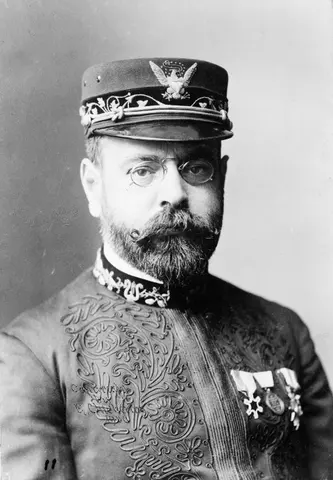
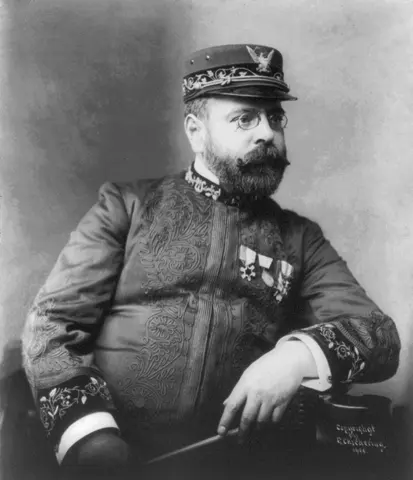
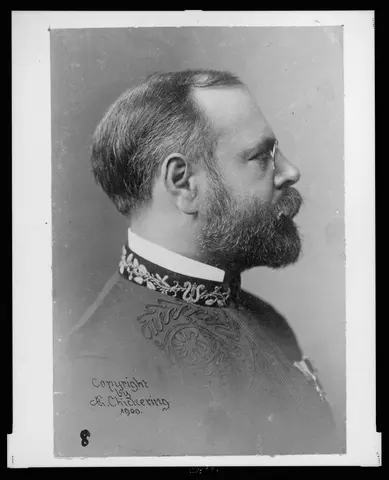
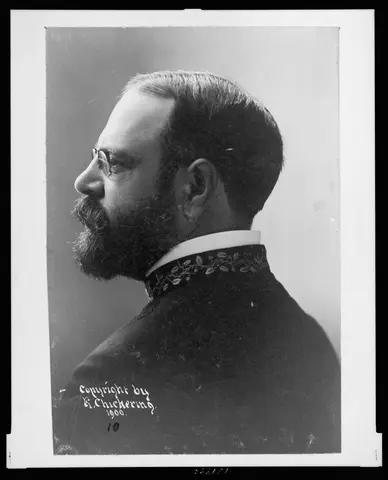
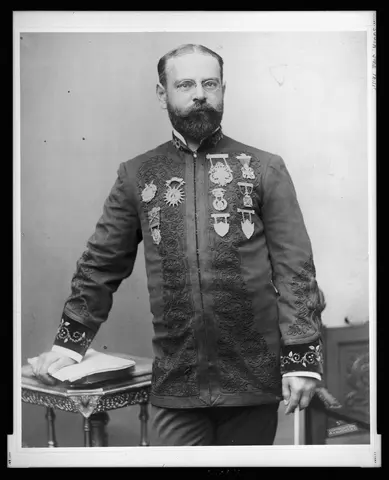
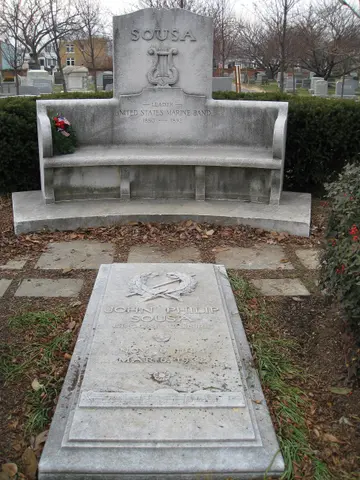
ページ上のイラストは、本物の肖像画をもとにこのサイトのために描いたものです。
 年表 Timeline
 スーザで覚える英単語 Words
 クイズに挑戦 Quiz
MORE COMPOSERS






 MP3