

 フランダースの犬 全7部の 5番目
 約17分
 14:56
 原文そのまま
 全訳つき
 ウィーダ(フランダースの犬)の作品をもっと読む(1作品)→
 人の朗読
 お道具箱
 読書ラウンジ
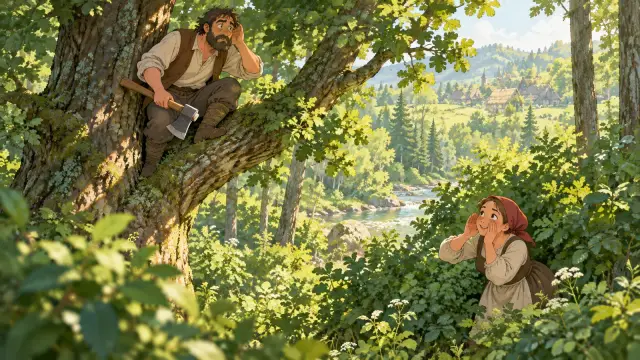
Now he had a secret which only Patrasche knew. There was a little out-house to the hut, which no one entered but himself—a dreary place, but with abundant clear light from the north. Here he had fashioned himself rudely an easel in rough lumber, and here on a great gray sea of stretched paper he had given shape to one of the innumerable fancies which possessed his brain. No one had ever taught him anything; colors he had no means to buy; he had gone without bread many a time to procure even the few rude vehicles that he had here; and it was only in black or white that he could fashion the things he saw. This great figure which he had drawn here in chalk was only an old man sitting on a fallen tree—only that.
さて、ネロには、パトラッシュしか知らない秘密がありました。小屋には小さな物置が付いていて、ネロのほかには誰も入りませんでした。わびしい場所でしたが、北からの澄んだ光がたっぷり入りました。ネロはここに、粗い材木で不格好な画架をこしらえました。そして、ぴんと張った大きな灰色の紙の海の上に、頭に取りついて離れない数えきれない空想の一つを、形にしていたのです。誰かに何かを教わったことは一度もありませんでした。絵の具を買うお金もありませんでした。ここにあるわずかな粗末な画材をそろえるためにさえ、何度もパンを我慢しました。ですから、目に映るものを描くにも、白と黒しか使えませんでした。ここにチョークで描いた大きな人の姿は、倒れた木に腰掛けた一人の老人でした。ただそれだけの絵でした。
He had seen old Michel the woodman sitting so at evening many a time. He had never had a soul to tell him of outline or perspective, of anatomy or of shadow, and yet he had given all the weary, worn-out age, all the sad, quiet patience, all the rugged, careworn pathos of his original, and given them so that the old lonely figure was a poem, sitting there, meditative and alone, on the dead tree, with the darkness of the descending night behind him.
木こりのミシェルじいさんが夕暮れにそうして座っているのを、ネロは何度も見ていました。輪郭や遠近法のことも、人体の構造や陰影のことも、教えてくれる人は一人もいませんでした。それなのにネロは、モデルになった老人の疲れ果てた老いも、悲しく静かな忍耐も、苦労の刻まれたごつごつした姿の哀れさも、残らず描き出していました。そのおかげで、迫ってくる夜の闇を背に、枯れた木の上で一人物思いにふける孤独な老人の姿は、一編の詩になっていました。
It was rude, of course, in a way, and had many faults, no doubt; and yet it was real, true in nature, true in art, and very mournful, and in a manner beautiful. Patrasche had lain quiet countless hours watching its gradual creation after the labor of each day was done, and he knew that Nello had a hope—vain and wild perhaps, but strongly cherished—of sending this great drawing to compete for a prize of two hundred francs a year which it was announced in Antwerp would be open to every lad of talent, scholar or peasant, under eighteen, who would attempt to win it with some unaided work of chalk or pencil. Three of the foremost artists in the town of Rubens were to be the judges and elect the victor according to his merits.
もちろん、ある意味では荒削りで、欠点もたくさんあったに違いありません。それでも、その絵は本物でした。自然に対しても芸術に対しても偽りがなく、深い悲しみをたたえていて、どこか美しいのでした。パトラッシュは毎日の仕事が終わると、絵が少しずつ出来上がっていくのを、数えきれないほどの時間、じっと横になって見守ってきました。そして、ネロが一つの望みを抱いていることも知っていました。むなしい、途方もない望みかもしれませんが、ネロはそれを大切に胸に抱いていました。この大きな絵を、年に二百フランの賞金が出るコンクールに出そうというのでした。アントワープで発表されたその賞には、才能のある十八歳未満の少年なら、学校に通う子でも農家の子でも、誰でも応募できました。誰の手も借りずにチョークか鉛筆で描いた作品で競うのでした。ルーベンスの町で指折りの画家三人が審査員になり、出来ばえに従って優勝者を選ぶことになっていました。
All the spring and summer and autumn Nello had been at work upon this treasure, which, if triumphant, would build him his first step toward independence and the mysteries of the art which he blindly, ignorantly, and yet passionately adored.
春も夏も秋も、ネロはずっとこの宝物に取り組んできました。もし勝てば、この絵が、独り立ちへの最初の一歩になるはずでした。そして、何も分からず何も知らないまま、それでも熱烈に憧れている芸術の奥義へと近づく、最初の一歩にもなるのでした。
He said nothing to any one: his grandfather would not have understood, and little Alois was lost to him. Only to Patrasche he told all, and whispered, "Rubens would give it me, I think, if he knew." Patrasche thought so too, for he knew that Rubens had loved dogs or he had never painted them with such exquisite fidelity; and men who loved dogs were, as Patrasche knew, always pitiful.
ネロは誰にも何も言いませんでした。おじいさんに話しても分かってはもらえなかったでしょうし、小さなアロアとはもう会えなくなっていました。パトラッシュにだけは何もかも打ち明けて、こうささやきました。「ルーベンスが知ったら、きっと僕に賞をくれると思うんだ」パトラッシュもそう思いました。ルーベンスが犬好きだったことを知っていたからです。そうでなければ、あれほど見事に、ありのままの犬を描けたはずがありません。そして、犬を愛する人はいつでも情け深いものだと、パトラッシュは知っていました。
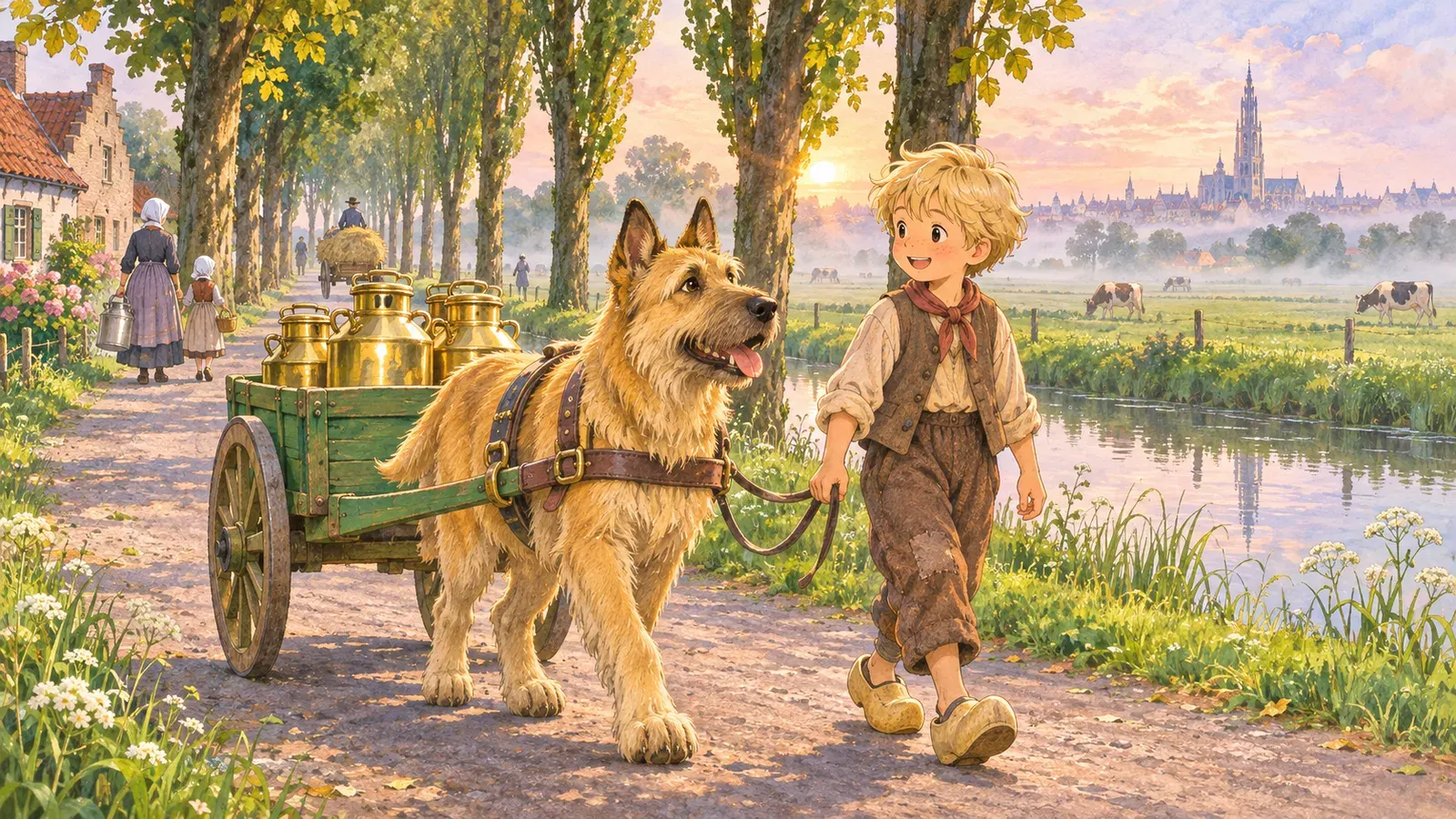
The drawings were to go in on the first day of December, and the decision be given on the twenty-fourth, so that he who should win might rejoice with all his people at the Christmas season. In the twilight of a bitter wintry day, and with a beating heart, now quick with hope, now faint with fear, Nello placed the great picture on his little green milk-cart, and took it, with the help of Patrasche, into the town, and there left it, as enjoined, at the doors of a public building.
絵は十二月一日に出し、結果は二十四日に発表されることになっていました。賞を取った者が、クリスマスの季節を家族みんなと一緒に喜べるように、というわけでした。凍えるように寒い冬の日の夕暮れ、ネロは大きな絵を小さな緑の牛乳の荷車に載せました。希望に高鳴るかと思えば不安にしぼむ胸を抱えながら、パトラッシュに手伝ってもらって町まで運び、言われていたとおり、ある公共の建物の入り口に預けました。
"Perhaps it is worth nothing at all. How can I tell?" he thought, with the heart-sickness of a great timidity. Now that he had left it there, it seemed to him so hazardous, so vain, so foolish, to dream that he, a little lad with bare feet, who barely knew his letters, could do anything at which great painters, real artists, could ever deign to look. Yet he took heart as he went by the cathedral: the lordly form of Rubens seemed to rise from the fog and the darkness, and to loom in its magnificence before him, whilst the lips, with their kindly smile, seemed to him to murmur, "Nay, have courage! It was not by a weak heart and by faint fears that I wrote my name for all time upon Antwerp."
「何の値打ちもないのかもしれない。僕に分かるわけがないもの」ネロはひどく気後れして、胸の悪くなるような思いでそう考えました。絵を置いてきてしまった今となっては、ろくに字も読めないはだしの子どもの自分に、偉い画家たち、本物の芸術家たちが目を留めてくれるようなものが描けるなどと夢見るのは、なんとも危なっかしく、うぬぼれた、ばかげたことに思えたのです。けれども、大聖堂のそばを通るうちに、ネロは勇気を取り戻しました。ルーベンスの堂々とした姿が霧と闇の中から立ち上がり、目の前に壮麗にそびえているように思えました。そして、優しくほほ笑むその唇が、こうささやいているような気がしたのです。「いや、勇気を出しなさい。私がアントワープに永遠に名を刻んだのは、弱い心やびくびくした恐れによってではなかったのだよ」
Nello ran home through the cold night, comforted. He had done his best: the rest must be as God willed, he thought, in that innocent, unquestioning faith which had been taught him in the little gray chapel among the willows and the poplar-trees.
ネロは慰められて、寒い夜道を走って家に帰りました。自分はできるだけのことをした、あとは神様の御心のままだ、とネロは思いました。柳とポプラの木立に囲まれた小さな灰色の礼拝堂で教わった、疑うことを知らない無邪気な信仰のままに、そう思ったのです。
The winter was very sharp already. That night, after they reached the hut, snow fell; and fell for very many days after that, so that the paths and the divisions in the fields were all obliterated, and all the smaller streams were frozen over, and the cold was intense upon the plains. Then, indeed, it became hard work to go round for the milk while the world was all dark, and carry it through the darkness to the silent town. Hard work, especially for Patrasche, for the passage of the years, that were only bringing Nello a stronger youth, were bringing him old age, and his joints were stiff and his bones ached often. But he would never give up his share of the labor. Nello would fain have spared him and drawn the cart himself, but Patrasche would not allow it. All he would ever permit or accept was the help of a thrust from behind to the truck as it lumbered along through the ice-ruts. Patrasche had lived in harness, and he was proud of it. He suffered a great deal sometimes from frost, and the terrible roads, and the rheumatic pains of his limbs, but he only drew his breath hard and bent his stout neck, and trod onward with steady patience.
その冬は、もう厳しい寒さになっていました。その夜、二人が小屋に着いた後で雪が降り出し、それから何日も何日も降り続きました。小道も畑の境目もすっかり見えなくなり、小さな川はどれも凍りつき、平野は激しい寒さに包まれました。こうなると、世の中がまだ真っ暗なうちに牛乳を集めて回り、闇の中を静まり返った町まで運ぶのは、全くつらい仕事になりました。とりわけパトラッシュにはつらい仕事でした。過ぎていく年月は、ネロにはたくましい若さをもたらすばかりでしたが、パトラッシュには老いをもたらしていたからです。関節はこわばり、骨も度々痛みました。それでもパトラッシュは、自分の受け持ちの仕事を決して手放そうとしませんでした。ネロはパトラッシュを休ませて自分で荷車を引きたかったのですが、パトラッシュが許しませんでした。受け入れたのはただ一つ、氷のわだちをがたがたと進む荷車を、後ろから押してもらうことだけでした。パトラッシュは引き具を着けて生きてきましたし、それを誇りにしていました。霜や、ひどい道や、足のリウマチの痛みにずいぶん苦しむこともありましたが、荒い息をつき、たくましい首を低く下げるだけで、辛抱強く着実に歩み続けました。
"Rest thee at home, Patrasche—it is time thou didst rest—and I can quite well push in the cart by myself," urged Nello many a morning; but Patrasche, who understood him aright, would no more have consented to stay at home than a veteran soldier to shirk when the charge was sounding; and every day he would rise and place himself in his shafts, and plod along over the snow through the fields that his four round feet had left their print upon so many, many years.
「家で休んでおいで、パトラッシュ。もう休んでいいころだよ。荷車なら僕一人でちゃんと押していけるから」ネロは朝が来るたびにそう勧めました。パトラッシュにはその言葉がちゃんと分かっていました。けれども、突撃のラッパが鳴っているときに古参の兵士が逃げ隠れしないのと同じで、家に残ることなど決して承知しませんでした。毎日起き上がっては自分からかじ棒の間に入り、雪を踏んで野原をとぼとぼと歩いていきました。四つの丸い足が、長い長い年月、足跡を残してきた野原でした。
"One must never rest till one dies," thought Patrasche; and sometimes it seemed to him that that time of rest for him was not very far off. His sight was less clear than it had been, and it gave him pain to rise after the night's sleep, though he would never lie a moment in his straw when once the bell of the chapel tolling five let him know that the daybreak of labor had begun.
「死ぬまで休んではいけない」とパトラッシュは思っていました。そして、その休みのときが自分にとってそう遠くないように思えることもありました。目は前ほどよく見えなくなり、一晩眠った後で起き上がるのもつらくなっていました。それでも、礼拝堂の鐘が五時を打って、働く一日の夜明けが来たことを知らせると、わらの中で一瞬たりともぐずぐずしてはいませんでした。
"My poor Patrasche, we shall soon lie quiet together, you and I," said old Jehan Daas, stretching out to stroke the head of Patrasche with the old withered hand which had always shared with him its one poor crust of bread; and the hearts of the old man and the old dog ached together with one thought: When they were gone, who would care for their darling?
「かわいそうなパトラッシュや、もうじき一緒に静かに眠ることになるなあ、お前とわしは」ジェハン・ダースおじいさんはそう言って、しなびた年寄りの手を伸ばし、パトラッシュの頭をなでました。たった一切れの貧しいパンを、いつもパトラッシュと分け合ってきた手でした。老人と老犬の心は、同じ一つの思いで痛みました。自分たちがいなくなったら、あのかわいい子の面倒を誰が見てくれるのだろう、と。
One afternoon, as they came back from Antwerp over the snow, which had become hard and smooth as marble over all the Flemish plains, they found dropped in the road a pretty little puppet, a tambourine-player, all scarlet and gold, about six inches high, and, unlike greater personages when Fortune lets them drop, quite unspoiled and unhurt by its fall. It was a pretty toy. Nello tried to find its owner, and, failing, thought that it was just the thing to please Alois.
ある日の午後、二人はアントワープから雪の上を帰ってきました。フランダースの平野一面の雪は、大理石のように固く滑らかになっていました。その道に、かわいい小さな人形が落ちていました。タンバリンをたたく人の人形で、全身が赤と金色、背丈は六インチほどでした。もっと偉い人物が運命の女神に落とされたときとは違って、落ちても少しも汚れず、傷一つありませんでした。かわいいおもちゃでした。ネロは持ち主を探しましたが見つからなかったので、これはアロアを喜ばせるのにちょうどいいと考えました。
It was quite night when he passed the mill-house: he knew the little window of her room. It could be no harm, he thought, if he gave her his little piece of treasure-trove, they had been playfellows so long. There was a shed with a sloping roof beneath her casement: he climbed it and tapped softly at the lattice: there was a little light within. The child opened it and looked out half frightened. Nello put the tambourine-player into her hands. "Here is a doll I found in the snow, Alois. Take it," he whispered—"take it, and God bless thee, dear!"
粉屋の家のそばを通ったときには、すっかり夜になっていました。ネロはアロアの部屋の小さな窓を知っていました。拾ったささやかな宝物をあげるくらい、悪いことではないだろう、とネロは思いました。あんなに長い間、一緒に遊んだ仲なのですから。アロアの窓の下には、屋根の傾いた物置がありました。ネロはそこに登って、格子窓をそっとたたきました。中には小さな明かりがともっていました。アロアが窓を開け、半分おびえた顔でのぞきました。ネロはタンバリンたたきの人形をその手に持たせました。「雪の中で見つけた人形だよ、アロア。受け取って」とネロはささやきました。「受け取ってね。神様が君を守ってくださいますように」
He slid down from the shed-roof before she had time to thank him, and ran off through the darkness. That night there was a fire at the mill. Outbuildings and much corn were destroyed, although the mill itself and the dwelling-house were unharmed. All the village was out in terror, and engines came tearing through the snow from Antwerp. The miller was insured, and would lose nothing: nevertheless, he was in furious wrath, and declared aloud that the fire was due to no accident, but to some foul intent.
アロアがお礼を言う間もなく、ネロは物置の屋根から滑り下り、闇の中を走り去りました。その夜、風車小屋で火事がありました。風車そのものと住まいは無事でしたが、離れの建物と、たくさんの穀物が焼けてしまいました。村中の人がおびえて外に飛び出し、アントワープからは消防ポンプが雪を突っ切って駆けつけました。粉屋は保険に入っていたので、損はしないはずでした。それでもかんかんに怒って、この火事は事故などではない、誰かが悪だくみをして起こしたのだと、大声で言い立てました。
Nello, awakened from his sleep, ran to help with the rest: Baas Cogez thrust him angrily aside. "Thou wert loitering here after dark," he said roughly. "I believe, on my soul, that thou dost know more of the fire than any one."
眠っていたところを起こされたネロも、ほかの人たちと一緒に手伝おうと駆けつけました。ところがコゼツの旦那は、怒ってネロを突きのけました。「お前は暗くなってからこの辺りをうろついていたな」と荒々しく言いました。「誓って言うが、この火事のことを誰よりもよく知っているのはお前だろう」
Nello heard him in silence, stupefied, not supposing that any one could say such things except in jest, and not comprehending how any one could pass a jest at such a time. Nevertheless, the miller said the brutal thing openly to many of his neighbors in the day that followed; and though no serious charge was ever preferred against the lad, it got bruited about that Nello had been seen in the mill-yard after dark on some unspoken errand, and that he bore Baas Cogez a grudge for forbidding his intercourse with little Alois; and so the hamlet, which followed the sayings of its richest landowner servilely, and whose families all hoped to secure the riches of Alois in some future time for their sons, took the hint to give grave looks and cold words to old Jehan Daas's grandson. No one said anything to him openly, but all the village agreed together to humor the miller's prejudice, and at the cottages and farms where Nello and Patrasche called every morning for the milk for Antwerp, downcast glances and brief phrases replaced to them the broad smiles and cheerful greetings to which they had been always used. No one really credited the miller's absurd suspicion, nor the outrageous accusations born of them, but the people were all very poor and very ignorant, and the one rich man of the place had pronounced against him. Nello, in his innocence and his friendlessness, had no strength to stem the popular tide.
ネロはぼうぜんとして、黙って聞いていました。冗談でもなければ、こんなことを言う人がいるとは思えませんでした。かといって、こんなときにどうして冗談が言えるのかも分かりませんでした。ところが粉屋は、その翌日、このむごい言葉を大勢の近所の人たちに公然と言って回りました。少年が正式に訴えられることはありませんでしたが、うわさは広まりました。ネロが暗くなってから、人に言えない用事で粉屋の庭にいるのを見た者がいる、小さなアロアと付き合うのを禁じられて、コゼツの旦那を恨んでいるのだ、といううわさでした。村の人たちは、一番の金持ちの地主の言うことには卑屈に従っていましたし、どの家も、いつかアロアの財産を自分の息子のものにしたいと望んでいました。そこで、粉屋の言葉をくみ取って、ジェハン・ダースおじいさんの孫に険しい顔と冷たい言葉を向けるようになりました。面と向かって何か言う人はいませんでした。けれども、村中が示し合わせて粉屋の偏見に調子を合わせたのです。ネロとパトラッシュは毎朝、アントワープへ運ぶ牛乳をもらいに小さな家や農家を回っていましたが、いつも迎えてくれたにこやかな笑顔と明るい挨拶は消え、伏せた目と短い言葉が返ってくるだけになりました。粉屋のばかげた疑いも、そこから生まれたとんでもない言いがかりも、本気で信じている人は一人もいませんでした。けれども村の人たちはみな、ひどく貧しく、ひどく無知でした。そして、この土地でただ一人の金持ちが、ネロを悪者だと言い切ったのです。罪もなく、味方もいないネロには、世間の流れに逆らう力はありませんでした。
"Thou art very cruel to the lad," the miller's wife dared to say, weeping, to her lord. "Sure he is an innocent lad and a faithful, and would never dream of any such wickedness, however sore his heart might be."
「あなたは、あの子にあんまりひどいことをなさいます」粉屋のおかみさんは泣きながら、思い切って夫に言いました。「あの子は罪のない、誠実な子ですよ。どんなに心が傷ついていたって、そんな悪いことは夢にも考えやしません」
But Baas Cogez being an obstinate man, having once said a thing held to it doggedly, though in his innermost soul he knew well the injustice that he was committing. Meanwhile, Nello endured the injury done against him with a certain proud patience that disdained to complain: he only gave way a little when he was quite alone with old Patrasche. Besides, he thought, "If it should win! They will be sorry then, perhaps."
けれどもコゼツの旦那は頑固な人で、一度言い出したことは意地でも曲げませんでした。心の奥底では、自分のしていることが不当だとよく分かっていたのです。その間ネロは、泣き言を言うのを潔しとせず、誇りを持って、自分に加えられた仕打ちにじっと耐えていました。こらえきれずに少し気持ちが崩れるのは、年老いたパトラッシュと二人きりのときだけでした。それに、ネロはこうも考えていました。「もしあの絵が賞を取ったら! そのときはみんな、悪かったと思ってくれるかもしれない」
 1段落目に「an old man sitting on a fallen tree」(倒木に座る老人)をチョークで描いたとあります。

 原田英語の究極の英単語帳(CEFR-J 6,868語)
 聞くだけモードで、文字を見ずに内容がわかるか試す。
 1文リピートで音読・シャドーイングも。

 英語の名スピーチ