ロンド・カプリチオーソ
Rondo Capriccioso
サン=サーンス・1863
スペインの情熱と超絶技巧!バイオリンが燃えあがる名曲。
序奏とロンド・カプリチオーソのページへRomantic · 1835–1921
「フランスのモーツァルト」The French Mozart
 パリ(フランス)
 アルジェ(アルジェリア)10 曲を収録
3歳で作曲した天才!『白鳥』から映画音楽まで書いた万能選手。A child genius who wrote everything from The Swan to an early film score.
 サン=サーンスの名曲を聴く
サン=サーンス・1863
スペインの情熱と超絶技巧!バイオリンが燃えあがる名曲。
序奏とロンド・カプリチオーソのページへサン=サーンス・1868
バッハで始まりオッフェンバックで終わる!?七変化の協奏曲。
ピアノ協奏曲第2番 ト短調のページへサン=サーンス・1872
いきなりチェロが大爆発!前置きなしで始まる熱い協奏曲。
チェロ協奏曲第1番 イ短調のページへサン=サーンス・1874
真夜中0時、ガイコツたちがバイオリンに合わせて踊り出す!
交響詩「死の舞踏」のページへサン=サーンス・1877
異国のリズムがどんどん熱くなる、神殿の大宴会の踊り!
歌劇「サムソンとデリラ」より バッカナールのページへサン=サーンス・1886
水面をすべる白鳥のように。チェロが歌う、最も美しい3分間。
組曲『動物の謝肉祭』より「白鳥」のページへサン=サーンス・1886
巨大なパイプオルガンが「ジャーン!」とホールをゆらす交響曲。
交響曲第3番 ハ短調「オルガン付き」のページへサン=サーンス・1886
キラキラ光る水の中を、魚たちがゆらゆら泳ぐ不思議な音楽。
組曲『動物の謝肉祭』より「水族館」のページへサン=サーンス・1886
ドスン、ドスン!大きな象が、妖精の音楽でワルツを踊ります。
組曲『動物の謝肉祭』より「象」のページへサン=サーンス・1887
けだるく、あまく、ときに情熱的に。バイオリンが歌うハバネラ。
ハバネラのページへ
ホー!『動物の謝肉祭』は、生きている間ほとんど出版を許さなかったんだ。
 生涯 Life Story
サン=サーンスは1835年、パリで生まれました。生まれて間もなく父を亡くし、母と大おばに育てられます。大おばからピアノを習い始めたのは2歳ごろ。3歳で小さな曲を作ったと言われ、モーツァルトにも負けない神童でした。10歳のデビュー演奏会では、アンコールに「ベートーヴェンのピアノ・ソナタ32曲のどれでも暗譜で弾きます」と申し出て、人々を驚かせたと伝えられています。Saint-Saëns was born in Paris in 1835. His father died soon after he was born, and he was raised by his mother and a great-aunt. He began piano lessons with his great-aunt at around the age of two, and he is said to have written his first little piece at three, making him a prodigy to rival Mozart. At his debut concert at age ten, he reportedly offered to play any of Beethoven's 32 piano sonatas from memory as an encore.
パリ音楽院でオルガンと作曲を学び、1858年から約20年間、パリのマドレーヌ寺院のオルガニストを務めました。リストは彼を「世界一のオルガニスト」とほめたと伝えられます。その間にニデルメイエール音楽学校でも教え、少年フォーレらを育てました。交響詩『死の舞踏』(1874)、オペラ『サムソンとデリラ』(1877年初演)、交響曲第3番『オルガン付き』(1886)など、あらゆるジャンルで名作を書きました。He studied organ and composition at the Paris Conservatoire, and from 1858 he served for about twenty years as organist of the Madeleine church in Paris. Liszt reportedly called him the greatest organist in the world. He also taught at the École Niedermeyer, where his pupils included the young Gabriel Fauré. He wrote masterpieces in every genre, including the symphonic poem Danse macabre (1874), the opera Samson and Delilah (first staged in 1877) and the Organ Symphony (1886).
1871年には、フランスの新しい音楽を広めるため、仲間と「国民音楽協会」を作りました。私生活では1875年に結婚しましたが、1878年に幼い2人の息子を数週間のうちに相次いで亡くし、のちに妻とも別れてしまいます。そのあと彼は旅を愛し、アルジェリアやエジプトなどを何度も訪れました。天文学や考古学、詩や劇の執筆にも夢中になる、とても多才な人でした。In 1871 he and his colleagues founded the Société Nationale de Musique to promote new French music. In his private life, he married in 1875, but in 1878 he lost both of his young sons within a few weeks, and he later separated from his wife. After that he loved to travel, returning again and again to places such as Algeria and Egypt. He was a man of many talents, fascinated by astronomy and archaeology, and he also wrote poetry and plays.
長生きした彼は、80代になっても演奏旅行を続けました。若いころは新しい音楽の旗手でしたが、晩年はドビュッシーら新しい世代の音楽に批判的だったと言われます。1908年には映画『ギーズ公の暗殺』の音楽を書き、映画のためのオリジナル音楽の先がけとしても知られています。1921年12月16日、旅先のアルジェで86歳で亡くなり、パリで国葬が行われました。He lived a long life and was still giving concerts on tour in his eighties. As a young man he had championed new music, but in old age he is said to have disapproved of the younger generation, including Debussy. In 1908 he wrote the score for the film The Assassination of the Duke of Guise, one of the first original film scores. He died in Algiers on 16 December 1921, aged 86, and was given a state funeral in Paris.
Saint-Saëns was born in Paris in 1835. He was very good at music as a child. He wrote his first piece of music at three! He played the piano and organ very well. He wrote The Carnival of the Animals. In it, you can hear a lion, a swan and many other animals.サン=サーンスは1835年、パリで生まれました。子どものころから音楽がとても得意でした。3歳で最初の曲を作りました!ピアノとオルガンをとても上手に弾きました。『動物の謝肉祭』を書きました。その中では、ライオンや白鳥など、たくさんの動物の音が聞こえます。
 これだけは!鉄板情報 Must-Know Facts
 あっと驚くネタ Surprising Stories
 タップすると答えが開きます
『動物の謝肉祭』は1886年、仲間うちの楽しい集まりのために書かれました。サン=サーンスは「まじめな作曲家」という評判がくずれるのを心配したのか、生きている間は『白鳥』以外の出版を許しませんでした。全曲が出版されたのは、彼が亡くなった翌年の1922年です。
The Carnival of the Animals was written in 1886 for a private party among friends. Perhaps worried about his reputation as a serious composer, Saint-Saëns refused to let it be published in his lifetime, except for The Swan. The full work was only published in 1922, the year after his death.
『動物の謝肉祭』の『化石』では、木琴がカタカタと骨のような音を鳴らします。じつはこのメロディー、彼自身の交響詩『死の舞踏』のもの。ほかにも古い民謡やオペラのメロディーがまぜこまれていて、「古くさい音楽=化石」というジョークになっているのです。
In The Fossils from The Carnival of the Animals, a xylophone rattles like old bones. The tune is actually from his own Danse macabre. Old folk songs and opera tunes are mixed in too, as a joke that old-fashioned music is a kind of fossil.
1908年、73歳のサン=サーンスは、フランスの映画『ギーズ公の暗殺』のために音楽を書きました。既成の曲をつなぐのではなく、映画のために新しく作曲された、もっとも早い例のひとつです。19世紀生まれの大作曲家が、映画の時代の扉も開いていたのです。
In 1908, at the age of 73, Saint-Saëns wrote music for the French film The Assassination of the Duke of Guise. Instead of borrowing existing pieces, he composed a new score just for the film, one of the earliest examples ever. A great composer of the 1800s helped open the door to the age of cinema.
サン=サーンスの好奇心は音楽だけにとどまりませんでした。天文学が大好きでフランス天文学会の会員になり、考古学や自然科学にも熱中しました。さらに詩集や劇、哲学的な本まで書いています。まさに「なんでもできる人」だったのです。
His curiosity went far beyond music. He loved astronomy and became a member of the Astronomical Society of France, and he was also passionate about archaeology and natural science. On top of that, he published poetry, plays and even books on philosophy. He truly could do almost anything.
1846年、10歳のサン=サーンスはパリのサル・プレイエルでデビュー演奏会を開き、モーツァルトやベートーヴェンの協奏曲を見事に弾きました。そしてアンコールに、ベートーヴェンのピアノ・ソナタ32曲のどれでも暗譜で弾くと申し出たと伝えられています。
In 1846, the ten-year-old Saint-Saëns gave his debut concert at the Salle Pleyel in Paris, playing concertos by Mozart and Beethoven brilliantly. As an encore, he is said to have offered to play any of Beethoven's 32 piano sonatas from memory.
1913年、ストラヴィンスキーのバレエ『春の祭典』の初演は大騒ぎになりました。このとき、冒頭のファゴットの高い音を聞いたサン=サーンスが怒って席を立った、という話がよく語られます。ただし、本当に彼がその場にいたかどうかを疑う声もあり、真偽ははっきりしません。
The 1913 premiere of Stravinsky's ballet The Rite of Spring caused a riot. A popular story says that Saint-Saëns heard the high bassoon solo at the start and walked out in anger. However, some doubt that he was even there, so the story may not be true.
 肖像画・写真・自筆譜 Gallery (Public Domain)
Wikimedia Commons でパブリックドメイン(または CC0)と確認した画像です。クリックで拡大。
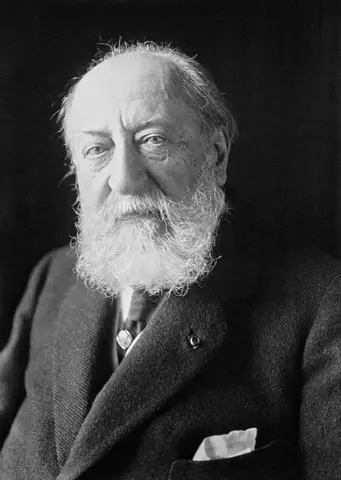
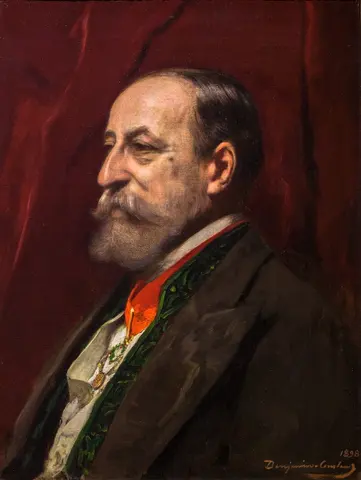
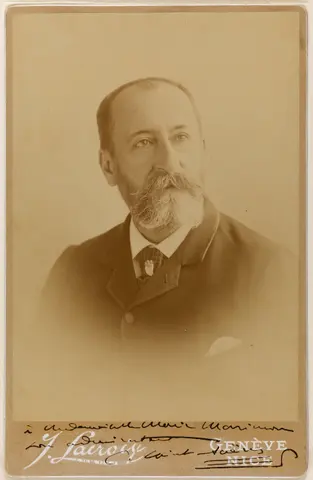
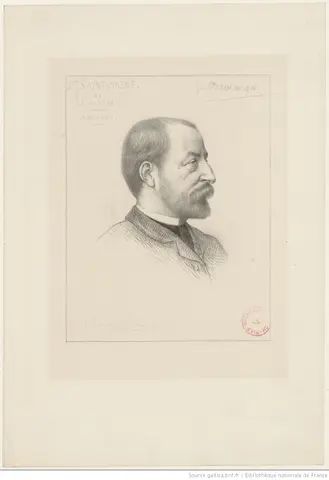
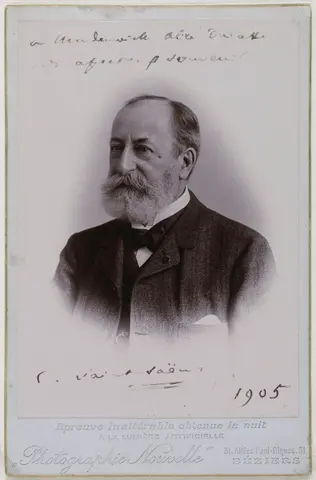
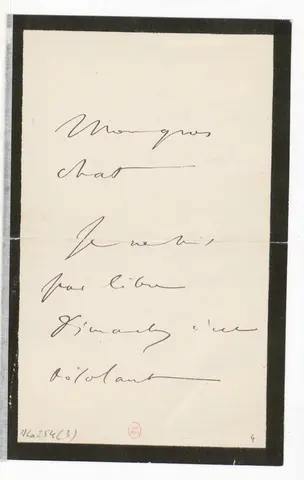
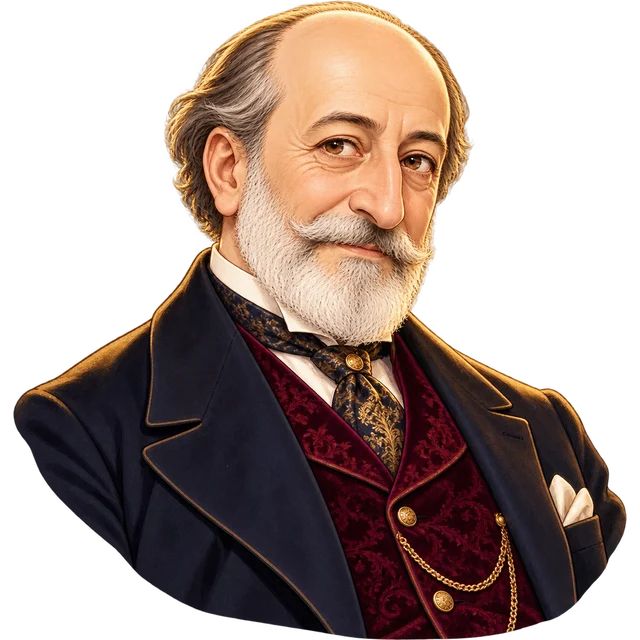
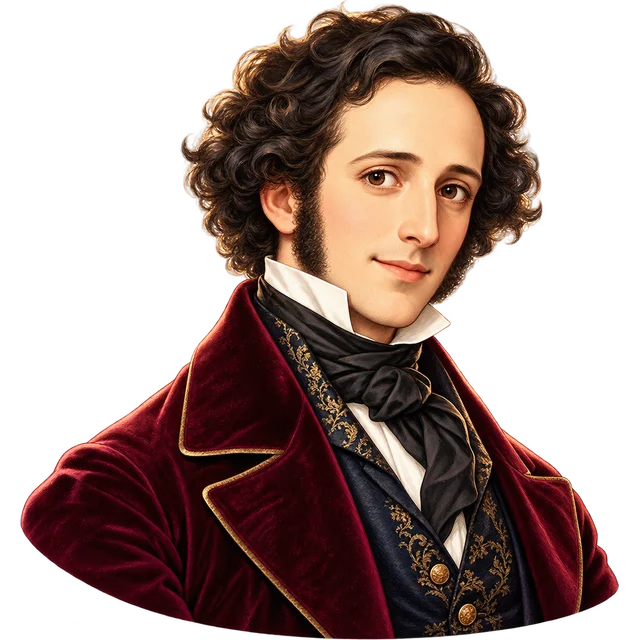
ページ上のイラストは、本物の肖像画をもとにこのサイトのために描いたものです。
 年表 Timeline
 サン=サーンスで覚える英単語 Words
 クイズに挑戦 Quiz
MORE COMPOSERS



 MP3